Colonoscopy Risks and Side Effects: What Is Normal and What Is Not

Mild bloating, gas, cramping, and drowsiness are common after a colonoscopy and usually improve within hours to a day. A small amount of blood may occur after biopsy or polyp removal, but heavy bleeding is not normal.
Key Takeaways
- Mild bloating, gas, cramping, and drowsiness are common after a colonoscopy and usually improve within hours to a day.
- A small amount of blood may occur after biopsy or polyp removal, but heavy bleeding is not normal.
- Serious complications are uncommon but can include bleeding, infection, reactions to sedation, and bowel perforation.
- Severe abdominal pain, fever, persistent vomiting, dizziness, or worsening rectal bleeding need prompt medical attention.
- Following bowel preparation and discharge instructions carefully can help reduce colonoscopy risks and side effects.
A colonoscopy is generally a safe and routine procedure, and most side effects are mild and temporary. Knowing what is normal after a colonoscopy and which symptoms may signal a complication can help patients recover with more confidence.
Overview: How Safe Is a Colonoscopy?
A colonoscopy is a procedure that allows a doctor to examine the inside of the large intestine using a thin, flexible tube with a camera. It is commonly used to investigate symptoms such as rectal bleeding, changes in bowel habits, abdominal pain, or anemia, and it is also an important test for colorectal cancer screening. For most people, it is a safe procedure with a low risk of serious complications.
Many concerns about colonoscopy relate not to the examination itself, but to the preparation, sedation, and recovery period. Patients may feel bloated, tired, or mildly uncomfortable afterward, especially if air or carbon dioxide was used to expand the colon during the procedure. These effects are usually expected and temporary.
Colonoscopy risks and side effects vary depending on why the test is being done and whether additional steps are performed, such as taking biopsies or removing polyps. A simple diagnostic colonoscopy usually carries fewer risks than a procedure involving larger polyp removal. Age, underlying health conditions, and certain medicines can also influence risk.
Understanding what is normal and what is not can help patients respond appropriately after the test. Most people recover without difficulty, but it is important to recognize symptoms that should not be ignored.
What Side Effects Are Normal After a Colonoscopy?
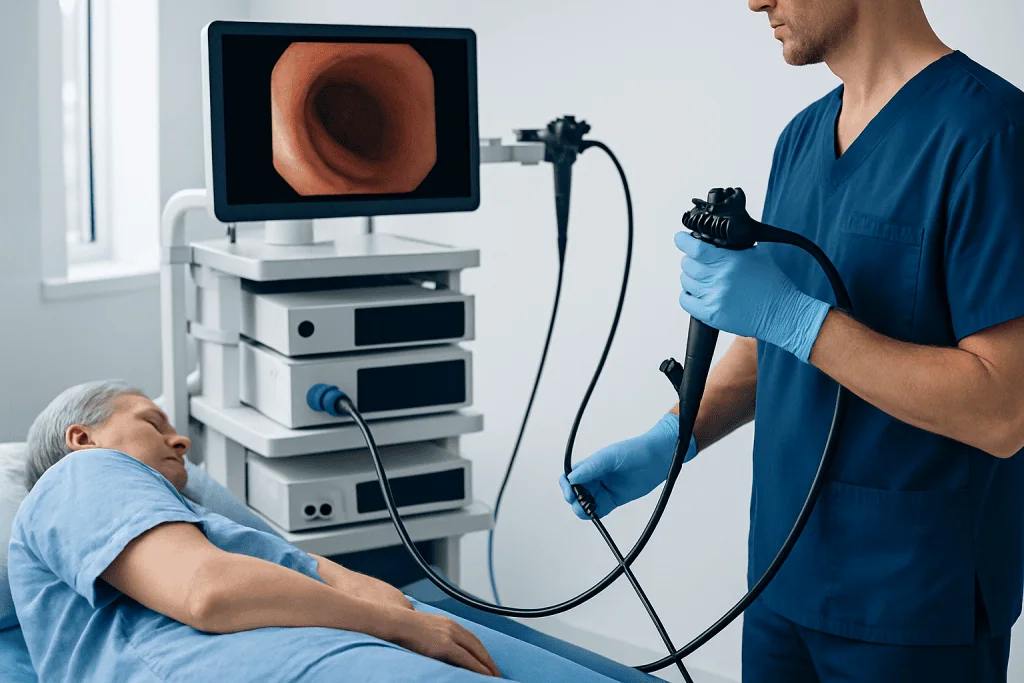
Common colonoscopy side effects are usually mild and short-lived. Bloating, passing gas, and mild abdominal cramping are among the most frequent symptoms. These happen because the colon is inflated during the procedure, and some trapped air may remain for a short time afterward.
Drowsiness, slowed reaction time, and a general feeling of fatigue are also common if sedation or anesthesia was used. For this reason, patients are usually advised not to drive, sign important documents, or return to demanding activities until the next day. Drinking fluids, resting, and eating light meals as instructed can help recovery go more smoothly.
Some patients notice a small amount of blood on toilet paper or in the first bowel movement, especially if a biopsy was taken or a polyp was removed. Mild throat dryness can also occur in some cases from oxygen delivery or dryness during the procedure, though this is not usually a major issue.
- Mild bloating or fullness
- Gas and temporary cramping
- Sleepiness or grogginess after sedation
- Mild nausea that settles quickly
- A small streak of blood after biopsy or polyp removal
These symptoms should gradually improve, not worsen. If discomfort becomes stronger instead of better, medical advice should be sought.
What Is Not Normal After a Colonoscopy?
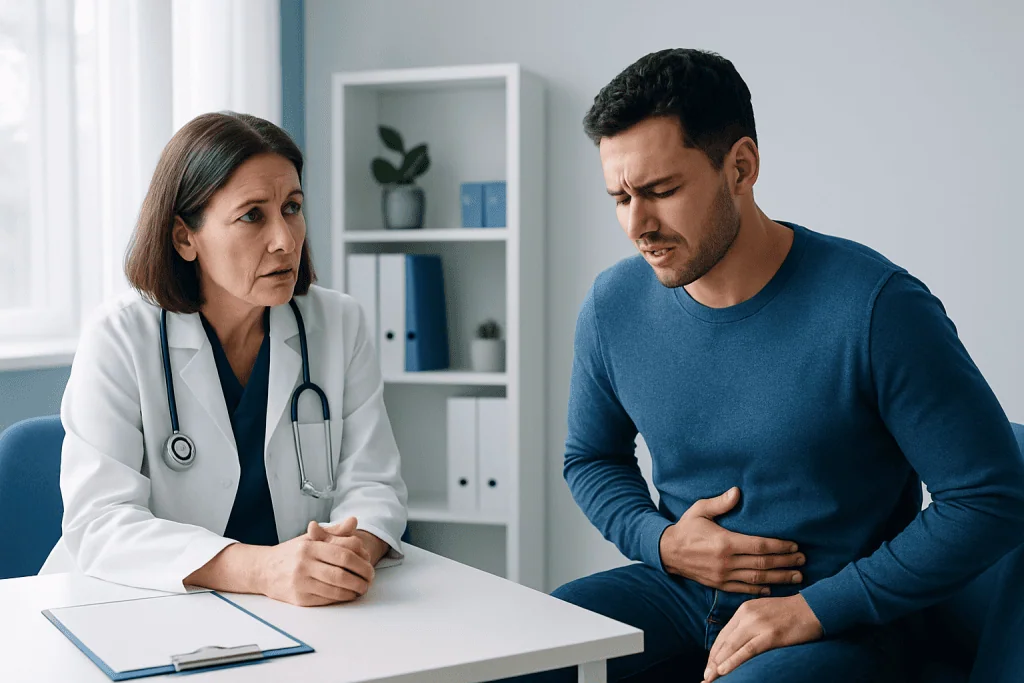
Although serious complications are uncommon, some symptoms after colonoscopy are not considered normal. Severe or increasing abdominal pain is one of the most important warning signs. Mild cramping can happen, but intense pain, a hard or swollen abdomen, or pain that keeps getting worse may suggest a complication that needs urgent evaluation.
Bleeding is another symptom to watch carefully. A tiny amount of blood can occur after a biopsy or polyp removal, but heavy rectal bleeding, repeated passage of blood clots, or bleeding that continues or increases is not expected. This may occur soon after the test or, in some cases, several days later.
Fever, chills, persistent vomiting, fainting, shortness of breath, chest pain, or marked dizziness should also be taken seriously. These may point to infection, dehydration, a reaction to sedation, or another medical problem that needs prompt assessment.
When in doubt, patients should contact the medical team that performed the colonoscopy or seek urgent care. It is always safer to ask about symptoms that seem unusual rather than assume they are part of normal recovery.
Possible Complications and Risk Factors
The most recognized colonoscopy complications include bleeding, perforation of the colon, reactions to sedative medicines, and, less commonly, infection. Perforation means a tear in the wall of the bowel. It is rare, but it is one of the most serious risks because it may require hospital treatment, antibiotics, or surgery depending on the situation.
Bleeding is more likely when tissue samples are taken or when polyps are removed. The risk can be higher with larger polyps, multiple removals, or the use of blood-thinning medicines. Sedation-related risks may include low blood pressure, slowed breathing, nausea, or allergic-type reactions, especially in people with heart or lung disease.
Certain factors can increase the chance of complications. These include older age, significant medical conditions, prior abdominal surgery, inflammatory bowel disease, poor bowel preparation, and the need for a more complex procedure. People taking anticoagulants, antiplatelet drugs, diabetes medicines, or several chronic medications may need extra planning before the test.
It can also help to remember that the overall reason for colonoscopy often matters. A colonoscopy done for screening is different from one done to investigate symptoms such as bleeding or suspected colon cancer, where more interventions may be needed. Even then, serious problems remain uncommon when the procedure is performed by an experienced team.
How Doctors Diagnose a Problem After Colonoscopy
If a patient develops concerning symptoms after a colonoscopy, the doctor begins by reviewing the procedure details and the timing of the symptoms. It matters whether biopsies were taken, whether one or more polyps were removed, what kind of sedation was used, and when the symptoms started. A physical examination may look for abdominal tenderness, swelling, or signs of dehydration or blood loss.
Blood tests may be used to assess hemoglobin levels, signs of infection, or electrolyte imbalance. If perforation or another internal problem is suspected, imaging such as abdominal X-rays or computed tomography may be ordered. In some situations, a repeat endoscopic examination may be needed to identify or treat bleeding.
Doctors also consider other possible causes that are not directly due to the colonoscopy. For example, nausea or weakness may be related to bowel preparation, reduced fluid intake, or temporary changes in blood sugar levels, especially in patients with diabetes. A careful assessment helps separate expected recovery symptoms from complications.
Patients should be prepared to report exactly what they are experiencing, including the amount of bleeding, whether they have fever, when they last ate or drank, and whether symptoms are improving or worsening. Clear information helps the medical team make faster and safer decisions.
Treatment Options for Colonoscopy Complications
Treatment depends on the type and severity of the problem. Mild bloating, gas, and temporary cramps usually improve with rest, walking, fluids, and time. If symptoms are related mainly to sedation, observation and supportive care are often enough until the medicines fully wear off.
Bleeding may stop on its own if it is minor, but significant bleeding may require urgent medical evaluation. In some cases, doctors can control bleeding with a repeat colonoscopy using clips, cautery, or injection therapy. Patients who develop larger or delayed bleeding after polyp removal may need hospital monitoring or additional treatment. This is especially relevant after procedures such as polyp removal.
If perforation is suspected, prompt treatment is essential. Depending on the size and location of the tear and the patient’s condition, management may include antibiotics, bowel rest, hospital observation, endoscopic closure, or colon surgery. Sedation-related complications are treated with breathing support, medication reversal when appropriate, and close monitoring.
When the colonoscopy was performed to evaluate a specific digestive condition, follow-up care may also involve treatment of the underlying disease. For example, patients with known or suspected colon polyps may need a structured surveillance plan, and some may be referred for colonoscopy evaluation and follow-up as part of ongoing care.
Prevention and Self-Care After the Procedure
Not every risk can be prevented, but careful preparation and aftercare can reduce colonoscopy risks and side effects. Following bowel preparation instructions exactly is important because a clean colon allows the doctor to see clearly and may reduce the need for a repeated procedure. Patients should also tell their doctor about all medicines, allergies, pregnancy, bleeding problems, and chronic conditions before the test.
After the colonoscopy, patients should arrange for someone to take them home if sedation was used. Resting for the remainder of the day is usually recommended. Drinking water and electrolyte-containing fluids can help replace what was lost during bowel preparation, and eating light foods at first may be more comfortable if the stomach feels sensitive.
It is wise to avoid alcohol, driving, and strenuous exercise until the medical team says it is safe, especially after sedation or polyp removal. Patients should read the discharge instructions carefully because advice may differ depending on whether tissue samples were taken or polyps were removed.
- Take only medicines approved by the doctor after the procedure
- Monitor for bleeding, fever, or worsening pain
- Resume normal food gradually as tolerated
- Call the clinic if symptoms do not improve as expected
For international patients who need further evaluation or treatment, Acibadem International’s multidisciplinary specialists in JCI-accredited hospitals diagnose and manage digestive conditions with coordinated follow-up care.
When to See a Doctor Urgently
Patients should seek urgent medical attention if they develop severe abdominal pain, a rigid or very swollen abdomen, heavy rectal bleeding, black stools, fever, chills, repeated vomiting, fainting, chest pain, or breathing difficulty. These symptoms are not typical side effects and may indicate a serious complication.
It is also important to call a doctor if there is ongoing dizziness, inability to drink fluids, worsening weakness, or bleeding that starts several days after the procedure. Delayed bleeding can happen after biopsy or polyp removal, so symptoms should not be dismissed simply because the colonoscopy took place earlier in the week.
People who are older, have significant heart or lung disease, take blood thinners, or have had a complex procedure may need a lower threshold for contacting their healthcare team. Early medical advice can help prevent a small problem from becoming a larger one.
In general, recovery should be steady and reassuring. If symptoms are getting better, that is a good sign. If they are becoming more intense, more frequent, or more concerning, a qualified doctor should review them promptly.
Frequently asked questions
Is it normal to have pain after a colonoscopy?
Mild cramping, bloating, and gas discomfort are common after a colonoscopy and usually improve within hours. Severe pain, worsening pain, or a very swollen abdomen is not normal and should be assessed urgently.
How much bleeding is normal after a colonoscopy?
A small amount of blood on toilet paper or in the first bowel movement can happen, especially after a biopsy or polyp removal. Heavy bleeding, blood clots, or bleeding that continues or increases needs prompt medical attention.
How long do colonoscopy side effects last?
Most common side effects, such as bloating, gas, and drowsiness, settle within the same day or by the next day. Recovery may take a little longer if tissue was removed, but symptoms should gradually improve rather than worsen.
Can a colonoscopy cause infection?
Infection after colonoscopy is uncommon, but it can happen in rare cases. Fever, chills, feeling very unwell, or increasing abdominal pain after the procedure should be discussed with a doctor.
When should someone go to the emergency room after a colonoscopy?
Emergency care is appropriate for severe abdominal pain, heavy rectal bleeding, fever, repeated vomiting, fainting, chest pain, or shortness of breath. These symptoms may indicate a complication that needs urgent treatment.
Are colonoscopy risks higher when a polyp is removed?
Yes, the risk of bleeding or other complications can be slightly higher when a polyp is removed compared with a simple inspection colonoscopy. Even so, most polyp removals are completed safely, and doctors take precautions to reduce risk.
References
- American Society for Gastrointestinal Endoscopy
- National Institute of Diabetes and Digestive and Kidney Diseases
- American Cancer Society
- Mayo Clinic
- National Health Service
This article is for general information only and is not a substitute for professional medical advice. Please consult a qualified doctor about your individual situation.
Persistent digestive symptoms? Get evaluated in Turkey
JCI-accredited · board-certified surgeons · reply within 24h
Add us as a Preferred Source to see more of our trusted health content across Google Search, AI Overviews and Discover.
Check your numbers in seconds
BMI, calories, due date, blood pressure and 30+ more clinical calculators — free, instant, doctor-reviewed ranges.