Digestive Problems After Meals: Common Patterns and Possible Causes

Symptoms after meals can point to indigestion, reflux, food intolerance, gallbladder problems, or bowel disorders. Keeping track of symptom timing, trigger foods, and bowel changes can help clarify the cause.
Key Takeaways
- Symptoms after meals can point to indigestion, reflux, food intolerance, gallbladder problems, or bowel disorders.
- Keeping track of symptom timing, trigger foods, and bowel changes can help clarify the cause.
- Most cases improve with targeted treatment, dietary adjustments, and lifestyle measures.
- Warning signs such as weight loss, vomiting, black stools, or trouble swallowing need prompt medical review.
- A diagnosis may involve history, examination, blood tests, stool tests, imaging, or endoscopy.
Digestive problems after meals are common and can include bloating, heartburn, nausea, stomach pain, or urgent bowel movements. Many causes are manageable, but persistent or severe symptoms should be assessed by a doctor to identify the reason and guide treatment.
Overview
Digestive problems after meals describe symptoms that begin during eating or shortly afterward. These symptoms may include fullness, bloating, stomach discomfort, burning in the chest, nausea, belching, gas, cramping, or changes in bowel habits. For some people, symptoms happen only after large or rich meals. For others, they appear regularly and affect daily life.
The digestive system responds to food in many ways, so the pattern of symptoms matters. Upper abdominal burning may suggest acid-related irritation, while bloating and cramping can be linked to food intolerance or bowel sensitivity. Pain after fatty meals can sometimes point toward the gallbladder. Diarrhea or urgent bowel movements after eating may reflect an intolerance, infection, or a functional bowel condition.
Many causes of digestive problems after meals are not dangerous and can be treated effectively. Still, symptoms that are frequent, worsening, or associated with warning signs deserve medical attention. Careful evaluation helps separate simple indigestion from conditions such as gastritis, reflux disease, peptic ulcer disease, gallbladder disease, or inflammatory bowel problems.
Common Symptoms and Patterns
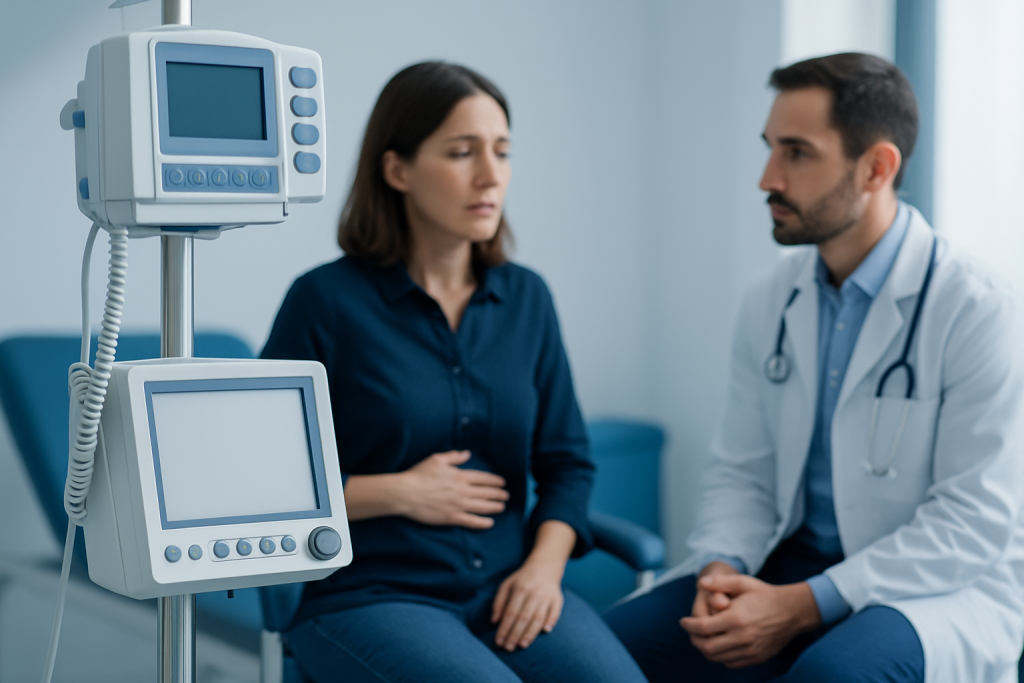
The exact symptom pattern often gives useful clues. A heavy, overly full feeling after even a normal-sized meal may suggest indigestion or delayed stomach emptying. Burning behind the breastbone, sour taste, or symptoms that worsen when lying down are more typical of reflux. Cramping, bloating, and gas after dairy, wheat, or certain fruits and vegetables may suggest lactose intolerance or sensitivity to fermentable carbohydrates.
Some people notice pain in the upper right abdomen after fried or fatty foods, sometimes with nausea. This pattern can be associated with gallbladder problems. Others develop loose stools soon after meals, which can happen in irritable bowel syndrome, food intolerance, bile acid-related diarrhea, or after certain stomach or bowel surgeries. If symptoms are linked to stress as well as eating, a functional digestive disorder may be part of the picture.
Common symptoms include:
- Bloating or visible abdominal swelling
- Upper abdominal pain or burning
- Heartburn or acid regurgitation
- Nausea after eating
- Early fullness or loss of appetite
- Gas, belching, or excessive burping
- Cramping and diarrhea after meals
- Constipation alternating with loose stools
It is also helpful to notice how quickly symptoms start. Problems that begin within minutes may be different from those that appear one to three hours later. Keeping a short food and symptom diary can make these patterns easier to recognize and discuss with a doctor.
Possible Causes and Risk Factors

One of the most common causes is simple indigestion, also called dyspepsia. It can cause discomfort, fullness, nausea, or burning in the upper abdomen, especially after large meals, spicy foods, alcohol, or eating quickly. Acid reflux is another frequent cause and happens when stomach contents move upward into the esophagus. Reflux may occur occasionally or as chronic GERD.
Food intolerance is also common. Lactose intolerance can cause gas, bloating, and diarrhea after dairy products, while some people are sensitive to gluten-containing foods or to specific carbohydrates that ferment in the gut. Functional bowel conditions such as irritable bowel syndrome may cause symptoms after meals because the bowel is more sensitive to stretching and movement during digestion.
Other causes include stomach inflammation, peptic ulcers, constipation, celiac disease, pancreatic enzyme problems, gallstones, and infections. Certain medicines can trigger or worsen symptoms, including anti-inflammatory pain relievers, some antibiotics, iron supplements, and medications that slow gut movement. Anxiety and stress do not cause every digestive problem, but they can intensify symptoms and change bowel function.
Risk factors vary by condition but may include:
- Large, fatty, spicy, or highly processed meals
- Rapid eating or lying down soon after meals
- Smoking or regular alcohol use
- Obesity or pregnancy, which can increase reflux
- Family history of digestive conditions
- Recent travel, infection, or antibiotic use
- Long-term use of certain medications
How Doctors Diagnose the Cause
Diagnosis starts with a detailed history. A doctor will ask what the symptoms feel like, where they occur, how soon they start after meals, which foods trigger them, and whether they are associated with weight loss, vomiting, fever, or bowel changes. Questions about medications, travel, stress, alcohol, and family history are also important. A physical examination can help identify tenderness, swelling, or other clues.
When symptoms are mild and typical, a doctor may begin with lifestyle advice or a trial of treatment. If symptoms are persistent, unusual, or accompanied by warning signs, tests may be needed. These can include blood tests for anemia, inflammation, infection, celiac disease, liver function, or pancreatic problems. Stool tests may look for infection, inflammation, or blood.
Imaging and procedures are chosen based on the likely cause. An abdominal ultrasound may be used if gallbladder disease is suspected. Upper digestive symptoms such as ongoing heartburn, upper abdominal pain, vomiting, or trouble swallowing may lead to endoscopy to look directly at the esophagus, stomach, and duodenum. In some cases, doctors may assess for food intolerance or use breath testing, and selected patients with bowel symptoms may need colonoscopy to examine the colon.
Treatment Options
Treatment depends on the underlying cause. For indigestion and reflux, doctors may recommend smaller meals, avoiding late-night eating, reducing trigger foods, and using medicines that lower stomach acid when appropriate. If a medicine is contributing to symptoms, an alternative may be considered under medical guidance. For constipation-related bloating, increasing fluids, fiber, and bowel-friendly habits may help.
When food intolerance is suspected, a structured approach is usually more helpful than removing many foods at once. Limiting lactose, reducing specific trigger foods, or trying a guided elimination plan can clarify what the body tolerates. For irritable bowel syndrome, treatment may combine dietary changes, stress management, bowel-directed medications, and regular meal patterns. If gallstones, ulcers, celiac disease, or inflammatory conditions are found, treatment is tailored to that diagnosis.
Procedures or specialist care are sometimes needed. People with ongoing reflux symptoms despite treatment may need further evaluation and targeted gastroenterology care. Gallbladder disease, significant ulcers, or structural digestive problems may require more advanced treatment. The goal is not only symptom relief but also to prevent complications and improve nutrition and quality of life.
Near the end of evaluation and treatment planning, some patients choose care at centers with coordinated services. Acibadem International’s multidisciplinary specialists and JCI-accredited hospitals diagnose and treat digestive conditions for international patients when advanced assessment or treatment is needed.
Prevention and Self-care After Meals
Simple habits can often reduce digestive problems after meals. Eating slowly, chewing well, and choosing moderate portion sizes can lessen pressure on the stomach and reduce swallowing of excess air. Many people benefit from avoiding very heavy meals and spacing eating more evenly through the day rather than waiting until very hungry and then overeating.
If heartburn is a main symptom, it may help to avoid lying down for two to three hours after eating and to reduce trigger foods such as very fatty meals, chocolate, mint, alcohol, or caffeinated drinks if they clearly worsen symptoms. For bloating, carbonated drinks, rapid eating, and large amounts of gas-producing foods may contribute. Staying physically active can also support digestion and bowel regularity.
Practical self-care steps include:
- Keep a symptom and food diary for one to two weeks
- Eat smaller, more frequent meals if large meals trigger symptoms
- Drink enough water throughout the day
- Limit smoking and alcohol
- Discuss persistent symptoms before using long-term over-the-counter remedies
- Seek professional advice before making highly restrictive diet changes
These measures are useful, but self-care should not replace medical review if symptoms are frequent or concerning. The right plan depends on whether the problem is reflux, an intolerance, a bowel disorder, or another digestive condition.
When to See a Doctor
It is sensible to see a doctor if digestive problems after meals happen often, last for several weeks, disturb sleep, or interfere with normal eating and daily activities. Medical review is also appropriate if symptoms begin after age 50 without a clear explanation, if over-the-counter remedies no longer help, or if symptoms are becoming more intense over time.
Certain warning signs need prompt attention because they can suggest bleeding, obstruction, significant inflammation, or another condition that should not be delayed. These include difficulty swallowing, repeated vomiting, vomiting blood, black stools, blood in the stool, unexplained weight loss, severe dehydration, persistent fever, or severe abdominal pain. Chest pain should also be assessed urgently because not all chest discomfort is caused by reflux.
Children, older adults, pregnant women, and people with chronic illnesses may need earlier assessment, especially if there is poor intake, weakness, or ongoing diarrhea. A timely evaluation often brings reassurance as well as a practical treatment plan.
Frequently asked questions
Why do digestive problems happen right after eating?
Symptoms right after eating can occur because the stomach stretches, acid production increases, and the intestines begin moving food forward. Depending on the pattern, the cause may be indigestion, reflux, food intolerance, gallbladder irritation, or a functional bowel disorder.
Is bloating after meals always caused by gas?
Not always. Bloating can be related to gas, but it can also come from slowed digestion, constipation, food intolerance, or increased sensitivity of the digestive tract. A doctor looks at timing, diet, and bowel habits to narrow down the cause.
Which foods commonly trigger symptoms after meals?
Common triggers include fatty or fried foods, spicy meals, alcohol, carbonated drinks, large portions, dairy products in lactose intolerance, and certain fermentable carbohydrates. Triggers vary from person to person, so a food diary is often helpful.
Can stress make digestive problems after meals worse?
Yes. Stress can affect how the stomach and intestines move and can increase sensitivity to normal digestive activity. It may not be the only cause, but it can make symptoms such as cramping, nausea, bloating, and urgent bowel movements more noticeable.
When are digestive problems after meals a sign of something serious?
They deserve urgent medical attention if they occur with black stools, blood in vomit or stool, difficulty swallowing, repeated vomiting, significant weight loss, or severe pain. These features do not always mean a serious condition, but they should be checked promptly.
How are digestive problems after meals usually treated?
Treatment depends on the cause. It may include dietary changes, smaller meals, acid-reducing medicine, treatment for constipation, avoiding trigger foods, or condition-specific care such as therapy for gallbladder disease or celiac disease.
References
- National Institute of Diabetes and Digestive and Kidney Diseases
- American College of Gastroenterology
- National Health Service
- Mayo Clinic
- World Gastroenterology Organisation
This article is for general information only and is not a substitute for professional medical advice. Please consult a qualified doctor about your individual situation.
Persistent digestive symptoms? Get evaluated in Turkey
JCI-accredited · board-certified surgeons · reply within 24h
Add us as a Preferred Source to see more of our trusted health content across Google Search, AI Overviews and Discover.