Stroke Aftercare: Rehabilitation, Recovery Milestones, and Follow-Up
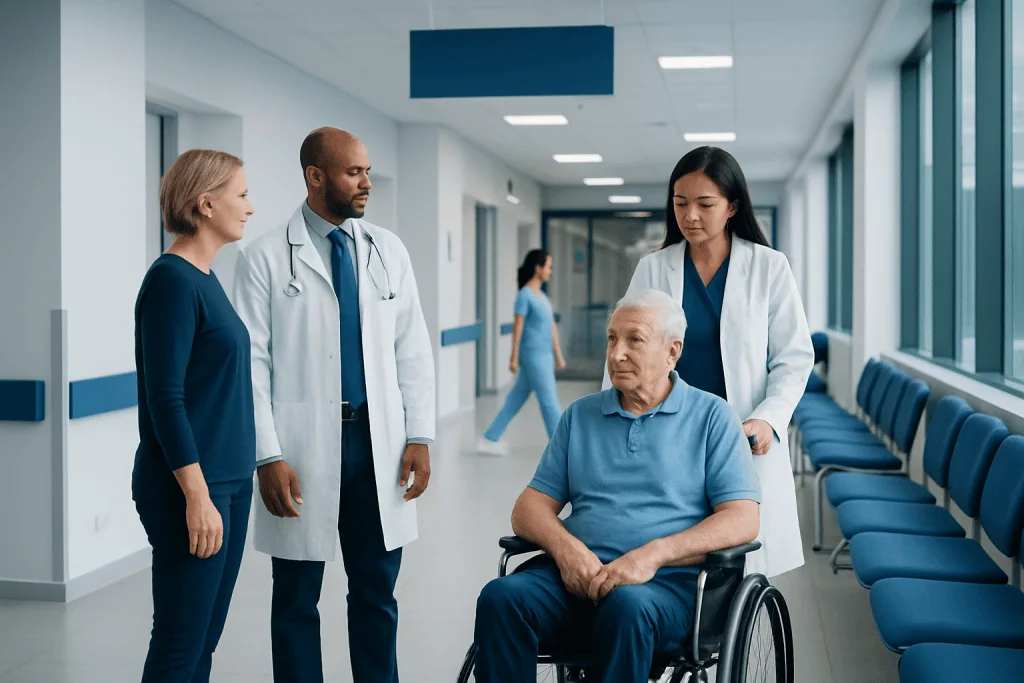
Stroke recovery is often gradual and different for each person. Rehabilitation may include physical, occupational, speech, and cognitive therapy.
Key Takeaways
- Stroke recovery is often gradual and different for each person.
- Rehabilitation may include physical, occupational, speech, and cognitive therapy.
- Regular follow-up helps manage complications and lower the risk of another stroke.
- Lifestyle changes, medication adherence, and family support are central to aftercare.
- New or worsening symptoms need prompt medical attention.
Stroke aftercare focuses on recovery, rehabilitation, and reducing the risk of another stroke. A structured plan can help a person regain function, adapt to changes, and return to daily life as safely and confidently as possible.
Overview of Stroke Aftercare
Stroke aftercare is the ongoing care a person receives after the emergency phase of a stroke has ended. It includes medical follow-up, rehabilitation, emotional support, prevention of future strokes, and practical adjustments at home and in daily life. The main goal is to help the person recover as much function as possible while supporting long-term health and independence.
Recovery after a stroke can begin quickly, but it usually continues for weeks, months, and sometimes longer. Some people improve steadily, while others recover in smaller steps. Progress depends on many factors, including the type of stroke, the area of the brain affected, the severity of the injury, age, general health, and how soon rehabilitation begins.
Aftercare plans are individualized. One person may need intensive inpatient rehabilitation, while another may continue therapy at home or in an outpatient setting. Many patients and families also benefit from learning more about stroke itself, including what changes to expect and how to respond to new symptoms.
Common Challenges and Recovery Milestones
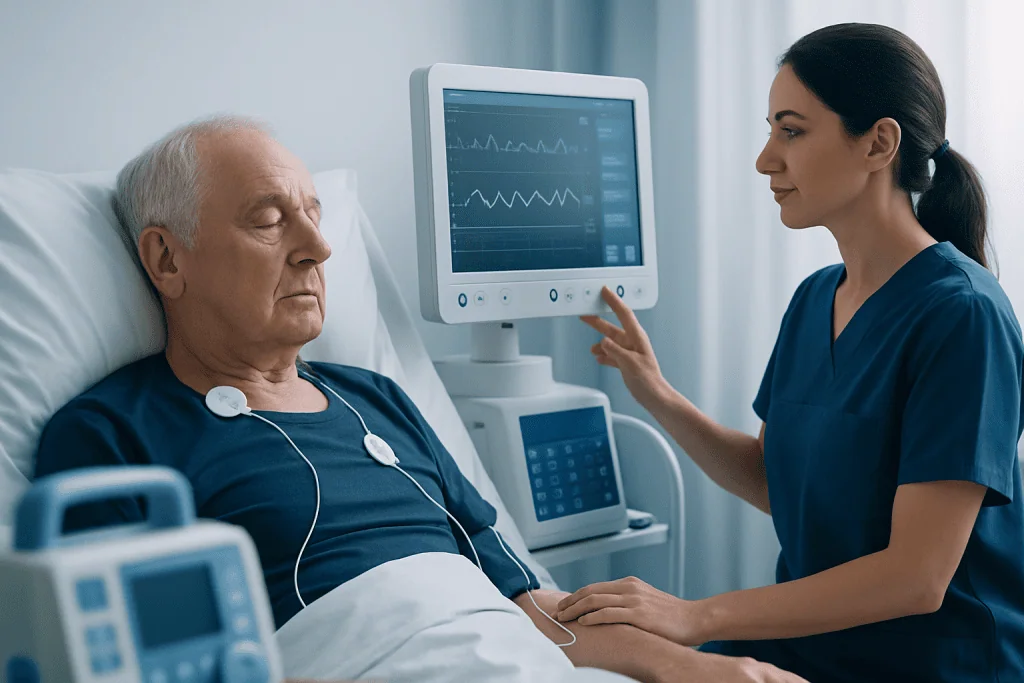
A stroke can affect movement, speech, swallowing, memory, mood, vision, and the ability to manage daily tasks. Common physical problems include weakness on one side of the body, poor balance, spasticity, fatigue, and reduced coordination. Some people also experience sensory changes such as numbness or altered awareness of one side of the body.
Recovery milestones vary widely. Early milestones may include sitting up safely, standing with support, swallowing without difficulty, or speaking more clearly. Later milestones may involve walking longer distances, dressing independently, returning to hobbies, or resuming work. Small improvements can be meaningful, and recovery is not always linear.
Emotional and cognitive recovery is just as important as physical recovery. A person may notice problems with concentration, planning, memory, or emotional control. Depression, anxiety, frustration, and post-stroke fatigue are common and deserve attention. Tracking progress over time with the care team often helps set realistic goals and shows where more support is needed.
- Early phase: medical stabilization, safe swallowing, basic mobility
- Rehabilitation phase: strength, communication, daily function, confidence
- Long-term phase: prevention, adaptation, community participation, quality of life
Rehabilitation After Stroke
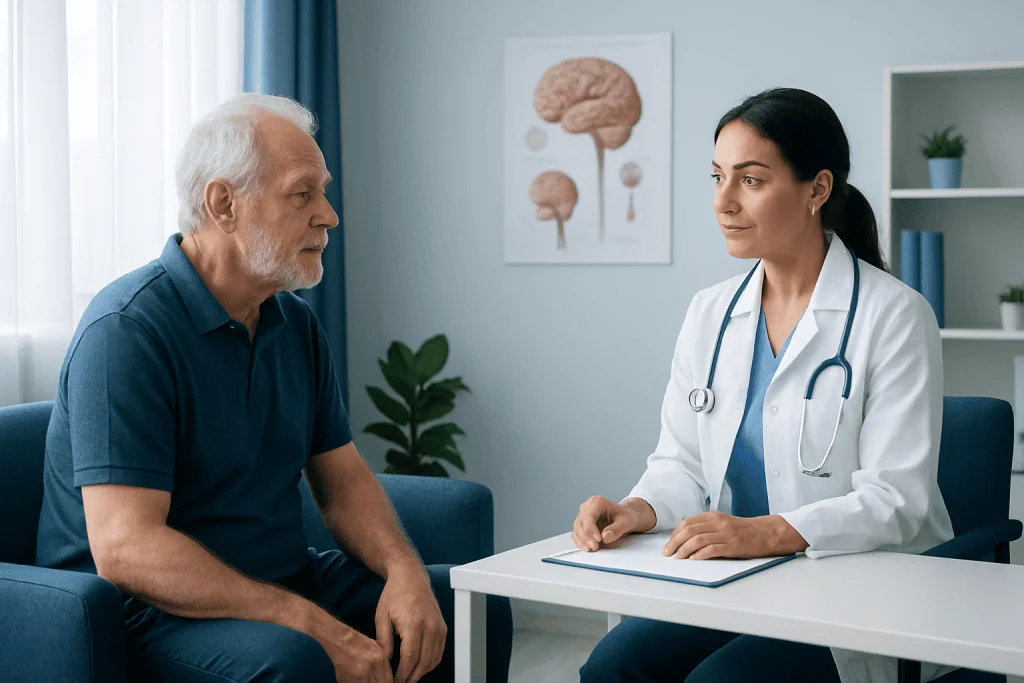
Stroke rehabilitation is a core part of aftercare. It aims to improve function, teach new ways to perform tasks, and prevent complications caused by immobility or weakness. Rehabilitation often starts in the hospital and may continue in a dedicated rehab center, an outpatient clinic, or at home.
Physical therapy focuses on strength, balance, walking, posture, and safe transfers such as moving from bed to chair. Occupational therapy helps with daily activities like dressing, bathing, eating, and using the hands and arms. Speech and language therapy supports communication, speech clarity, understanding, and swallowing. In some cases, cognitive rehabilitation is added to help with memory, attention, and problem-solving.
The rehabilitation plan should match the person’s needs and goals. Some may require mobility aids, home modifications, or specialist procedures for spasticity or movement problems. Depending on the clinical situation, supportive treatments such as physical therapy and rehabilitation or occupational therapy may be part of a broader program. If speech or swallowing is affected, speech and language therapy can play an important role in improving safety and communication.
Medical Follow-Up and Monitoring
Regular follow-up is essential after a stroke. Follow-up visits allow doctors to review recovery, adjust medications, monitor blood pressure and other risk factors, and check for complications. Appointments may involve a neurologist, rehabilitation physician, primary care doctor, cardiologist, speech therapist, physical therapist, occupational therapist, psychologist, or dietitian, depending on the person’s needs.
Doctors may evaluate the cause of the stroke more closely during follow-up, especially if the reason was not fully clear during the initial hospital stay. This can include heart rhythm monitoring, blood tests, imaging, or assessment of blood vessels. Ongoing evaluation helps guide treatment choices that lower the risk of another event.
Common issues reviewed during follow-up include swallowing problems, falls, pain, shoulder stiffness, urinary difficulties, sleep problems, skin care, and mood changes. If needed, the team may also arrange additional support such as rehabilitation medicine or neurology follow-up. In more complex cases, people may be assessed for related neurological conditions such as brain aneurysm or other vascular concerns if symptoms or imaging findings suggest it.
Preventing Another Stroke
One of the most important parts of stroke aftercare is preventing recurrence. A person who has had one stroke may have a higher risk of another, so long-term risk reduction matters. Doctors usually recommend a combination of medication, control of medical conditions, and lifestyle changes.
Medications may be prescribed to reduce blood clotting, control blood pressure, lower cholesterol, or manage diabetes and heart conditions. It is important to take medicines exactly as prescribed and not stop them without medical advice. Follow-up helps make sure treatment remains appropriate and any side effects are addressed.
Healthy habits also support prevention. These may include not smoking, limiting alcohol, eating a balanced diet, staying physically active within medical guidance, maintaining a healthy weight, and managing stress. Treatment of conditions such as atrial fibrillation, sleep apnea, high blood pressure, and diabetes can also make a major difference in long-term protection.
Self-Care, Home Safety, and Family Support
Daily self-care after a stroke often involves both physical and practical adjustments. Energy levels may be lower than before, so pacing activities, building in rest periods, and following a consistent therapy routine can help. Home safety is also important, especially if balance, strength, or vision has changed.
Simple changes may reduce the risk of falls and support independence. These can include removing loose rugs, improving lighting, using grab bars, arranging commonly used items within easy reach, and using mobility aids correctly. If swallowing is affected, food texture changes and safe eating strategies should follow professional guidance.
Family members and caregivers often become an important part of stroke aftercare. They may help with medications, appointments, exercises, and emotional support. Caregivers also need guidance and rest, because long-term care can be demanding. Near the end of recovery planning, some international patients choose centers such as Acibadem International, where multidisciplinary specialists in JCI-accredited hospitals provide diagnosis, rehabilitation, and follow-up for stroke aftercare.
When to Seek Medical Help
Even during recovery, urgent medical attention is needed if new stroke symptoms appear. These may include sudden weakness or numbness, especially on one side of the body, new facial drooping, trouble speaking, sudden confusion, severe dizziness, loss of balance, sudden vision changes, or a sudden severe headache. These symptoms should never be ignored.
Medical advice should also be sought promptly for other concerning problems such as chest pain, fainting, repeated falls, increasing confusion, worsening swallowing, signs of dehydration, fever, or severe depression. New seizures or sudden changes in alertness also require urgent assessment.
Not every setback means a new stroke, but new or worsening symptoms need professional evaluation. Early treatment can reduce complications and improve outcomes. Patients and families should know who to call, where to go in an emergency, and how to recognize warning signs.
Frequently asked questions
How long does stroke recovery usually take?
Stroke recovery is different for every person. Some improvements happen in the first days or weeks, while other gains may continue over months or longer. The pace depends on the severity of the stroke, the area of the brain affected, overall health, and access to rehabilitation.
What therapies are commonly used in stroke aftercare?
Common therapies include physical therapy, occupational therapy, and speech and language therapy. Some people also need cognitive rehabilitation, psychological support, or swallowing therapy. The exact mix depends on the person's symptoms and goals.
Can a person recover fully after a stroke?
Some people recover almost completely, while others have long-term effects that require adaptation and support. Recovery is often strongest when rehabilitation starts early and continues consistently. Even when full recovery is not possible, many people still make meaningful gains in function and independence.
Why are follow-up appointments important after a stroke?
Follow-up appointments help the care team monitor progress, adjust medicines, and look for complications. They also help identify and manage risk factors that could lead to another stroke. Ongoing review is an important part of long-term recovery and prevention.
What lifestyle changes help prevent another stroke?
Helpful changes often include stopping smoking, eating a balanced diet, staying active within medical advice, controlling blood pressure, and taking prescribed medications regularly. Managing diabetes, cholesterol, heart disease, and sleep problems is also important. A doctor can help tailor prevention to the individual's risk factors.
When should a stroke survivor go to the emergency department?
Emergency care is needed for any sudden signs of stroke, such as one-sided weakness, facial drooping, trouble speaking, sudden vision changes, or severe dizziness. New seizures, fainting, severe headache, or sudden confusion also need urgent assessment. It is safest to seek immediate medical help rather than wait for symptoms to pass.
References
- World Health Organization
- American Stroke Association
- National Institute of Neurological Disorders and Stroke
- Centers for Disease Control and Prevention
- National Health Service
This article is for general information only and is not a substitute for professional medical advice. Please consult a qualified doctor about your individual situation.
Explore treatments in Turkey — costs, top hospitals & a free quote
JCI-accredited · board-certified surgeons · reply within 24h
Add us as a Preferred Source to see more of our trusted health content across Google Search, AI Overviews and Discover.
Check your numbers in seconds
BMI, calories, due date, blood pressure and 30+ more clinical calculators — free, instant, doctor-reviewed ranges.