Preventive Health Screenings by Age: What Adults Should Consider and When

Screenings aim to find disease early or identify risk factors before illness develops. Not every adult needs the same tests; age, sex, family history, and lifestyle matter.
Key Takeaways
- Screenings aim to find disease early or identify risk factors before illness develops.
- Not every adult needs the same tests; age, sex, family history, and lifestyle matter.
- Blood pressure, cholesterol, diabetes, and cancer screenings are common parts of preventive care.
- Vaccinations, healthy habits, and regular checkups are important alongside formal screening tests.
- A doctor can help decide when to start, how often to repeat, and which tests are most useful.
Preventive health screenings by age help adults detect common conditions early, often before symptoms appear. The most appropriate schedule depends on age, sex, family history, lifestyle, and personal risk factors, so screening plans should be individualized with a doctor.
Overview: what preventive health screenings are
Preventive health screenings are medical checks used to look for disease, risk factors, or early changes before a person feels unwell. Many common conditions, such as high blood pressure, diabetes, high cholesterol, and some cancers, can develop quietly. Screening gives doctors a chance to identify problems earlier, when treatment or lifestyle changes may be more effective.
Screening is different from diagnostic testing. A screening test is done when a person has no symptoms but may be at an age or risk level where checking is recommended. A diagnostic test is used to investigate a specific symptom or abnormal result. If a screening result is unclear or abnormal, more testing may be needed to confirm whether a disease is present.
There is no single screening schedule that fits every adult. Recommendations are shaped by age, biological sex, pregnancy status, family history, smoking, alcohol use, weight, sexual health risks, work exposures, and existing medical conditions. A person with a strong family history of colon cancer or heart disease, for example, may need earlier or more frequent checks than someone at average risk.
Preventive care also includes counseling, vaccines, and healthy lifestyle support. A screening plan works best when it is combined with regular physical activity, a balanced diet, good sleep, stress management, and avoiding tobacco. Together, these steps support long-term health rather than focusing only on disease treatment.
Core screenings most adults should discuss
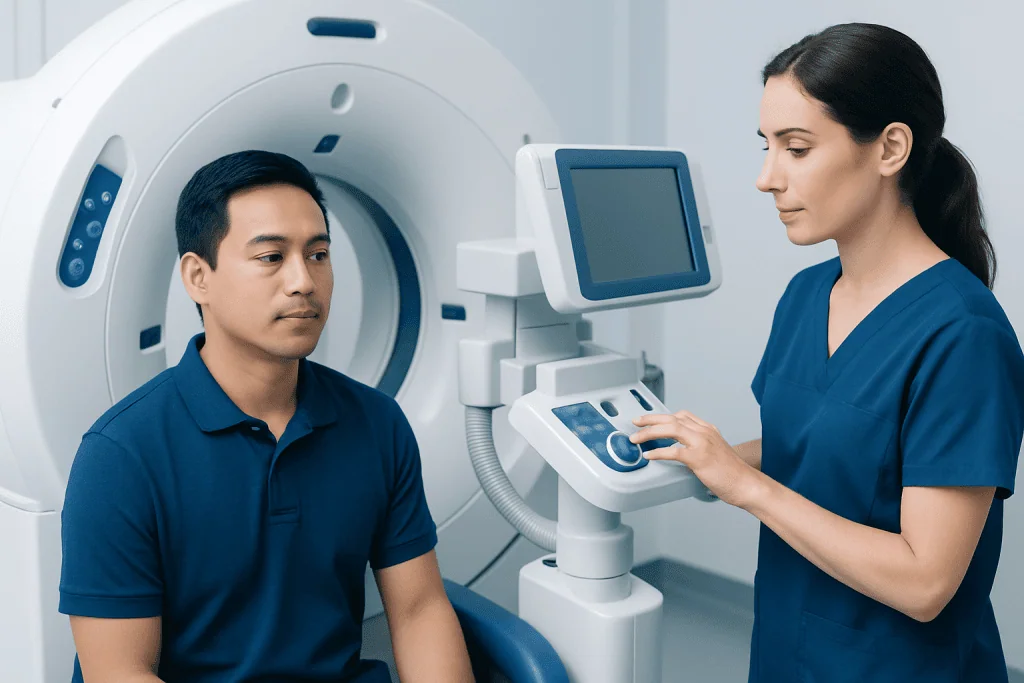
Some screenings are relevant for many adults across age groups. Blood pressure checks are a basic part of preventive care because high blood pressure often causes no symptoms yet increases the risk of heart disease, stroke, and kidney disease. Weight, body mass index, and waist measurements may also be reviewed to assess metabolic and cardiovascular risk.
Doctors commonly discuss blood tests for cholesterol and blood sugar, especially from early adulthood onward or sooner if a person has extra risk factors. These tests help detect high cholesterol, prediabetes, and diabetes. Depending on the situation, kidney function, liver function, thyroid tests, or other laboratory checks may also be considered, but these are not automatically needed for everyone.
Mental health and substance use screening are also important parts of preventive care. Depression, anxiety, unhealthy alcohol use, and sleep problems can affect overall well-being and may contribute to physical illness. A routine appointment may include short questionnaires or a conversation about mood, stress, memory, and daily functioning.
Common preventive topics to review with a clinician include:
- Blood pressure and cardiovascular risk assessment
- Cholesterol and diabetes screening
- Weight, nutrition, and physical activity habits
- Mental health, sleep, alcohol, and tobacco use
- Sexual health, sexually transmitted infection risk, and reproductive health
- Immunizations, including influenza and other age-appropriate vaccines
What adults may consider in their 20s and 30s

In the 20s and 30s, preventive care often focuses on building long-term healthy habits while checking for early risk factors. Blood pressure should be monitored regularly, and many adults will benefit from periodic cholesterol and blood sugar assessment depending on family history, weight, or other risk factors. Doctors may also review skin changes, vision, dental health, hearing concerns, and mental well-being.
Sexual and reproductive health is especially relevant in this age group. Screening for sexually transmitted infections may be recommended based on sexual history, and cervical cancer screening is important for eligible women beginning in early adulthood according to current guidelines. Discussions about contraception, pregnancy planning, and menstrual health may also be part of preventive care.
Adults who smoke, vape, or use other nicotine products should be encouraged to seek support for quitting as early as possible. Travel history, vaccination status, and occupational exposures may influence which preventive checks are needed. A family history of hereditary conditions can also change the timing of screening for diseases such as breast cancer, colon cancer, or heart disease.
Even when a person feels healthy, routine checkups in early adulthood can be valuable. This is often the time when long-term patterns around sleep, stress, nutrition, exercise, and alcohol use become established. Identifying risk early may help prevent later problems such as high blood pressure or diabetes.
What adults may consider in their 40s and 50s
During the 40s and 50s, screening often becomes more structured because the risk of common chronic conditions rises with age. Blood pressure, cholesterol, and diabetes screening remain central. Doctors may also calculate a person’s overall cardiovascular risk using age, blood pressure, smoking status, cholesterol levels, and other factors to guide prevention.
Cancer screening discussions often become more prominent in midlife. Depending on sex, personal risk, and national guidance, this may include breast cancer screening, cervical cancer screening, and colorectal cancer screening. Colorectal cancer checks may be done with stool-based tests or procedures such as colonoscopy, especially for adults at average screening age or those with higher risk.
Eye health, hearing, bone health, and menopause or andropause-related concerns may also be discussed during these years. Women approaching or after menopause may need a review of bone density risk, while men may discuss urinary symptoms, sexual function, and individualized prostate screening decisions. Weight gain, sleep apnea symptoms, and stress-related health effects also become more common in this stage of life.
Because chronic conditions often begin without obvious warning signs, regular preventive visits are useful in midlife. In addition to formal tests, clinicians may review snoring, daytime fatigue, bowel habits, skin lesions, memory concerns, and family history updates. A change in health status can affect which screenings are most appropriate and how often they should be repeated.
What adults may consider in their 60s and beyond
In later adulthood, preventive screening aims to support independence, quality of life, and healthy aging. Blood pressure, cardiovascular risk review, diabetes management, and cancer screening may continue, but the balance of benefit and burden becomes more individualized. Doctors may consider life expectancy, overall health, mobility, and personal preferences when deciding whether to continue or stop certain tests.
Bone health becomes increasingly important with age, especially in postmenopausal women and older adults with risk factors for fracture. A bone density assessment may be recommended to look for osteoporosis. Screening for hearing and vision changes can also help reduce the risk of falls, social isolation, and reduced day-to-day functioning.
Older adults may also benefit from checks related to cognition, depression, balance, medications, and vaccination status. Multiple prescriptions can interact or cause side effects, so medication review is a valuable part of preventive care. Clinicians may also ask about bladder symptoms, constipation, appetite changes, unintentional weight loss, and memory concerns.
Preventive care in this age group is not only about finding disease. It also focuses on maintaining function, protecting safety at home, and preserving independence. Tailored care plans may include fall prevention strategies, physical therapy advice, nutrition support, and selected imaging or specialist referrals such as preventive check-up and screening services when appropriate.
How screening recommendations are personalized
Age is only one part of the decision. Two adults of the same age may need very different screening plans because personal risk matters. Someone with obesity, a smoking history, high alcohol intake, chronic inflammatory disease, or a close relative with early cancer or heart disease may need tests earlier than standard age-based guidance suggests.
Symptoms also change the situation. Screening is meant for people without warning signs. If a person has chest pain, blood in the stool, unexplained weight loss, a breast lump, persistent cough, or new severe headaches, they should not wait for a routine screening appointment. Those symptoms need prompt medical evaluation, which may include diagnostic imaging, endoscopy, or laboratory testing.
Shared decision-making is an important part of preventive medicine. Some screenings offer clear benefits for broad groups, while others are best considered after a discussion of possible benefits, limits, false-positive results, and follow-up procedures. This can be especially relevant for prostate screening, some imaging tests, and cancer screening in older age groups.
Personalization may also include referral to specialists for higher-risk individuals. For example, a person with a strong family history of colorectal disease may be advised to have earlier gastroenterology evaluation, while someone with possible hereditary cancer risk may benefit from genetic counseling and targeted follow-up.
Prevention and self-care between screenings
Screenings are only one part of staying healthy. Daily habits have a major effect on whether disease develops over time. A balanced eating pattern rich in vegetables, fruits, beans, whole grains, and lean protein supports heart and metabolic health. Regular exercise, including both aerobic activity and strength training, helps maintain blood pressure, weight, bone health, and mood.
Good preventive care also includes avoiding tobacco, limiting alcohol, sleeping adequately, and managing stress. People who sit for long periods may benefit from breaking up sedentary time during the day. Sun protection, dental care, hydration, and safe sexual practices are practical but sometimes overlooked parts of health maintenance.
Keeping personal health records can make screening more effective. It is helpful to know past test results, vaccination dates, medications, allergies, and details of family history, including which relatives had serious illnesses and at what ages. This information helps doctors choose the right tests and avoid unnecessary repetition.
For adults seeking coordinated preventive care, multidisciplinary teams can be helpful when several risks or conditions overlap. Near the end of a prevention journey, some people may choose comprehensive assessment through centers such as Acibadem International, where multidisciplinary specialists in JCI-accredited hospitals evaluate international patients and arrange appropriate follow-up when needed.
When to see a doctor
Adults do not need to wait until they feel sick to book a medical appointment. A good time to see a doctor is when routine screenings are due, when there is a strong family history of a condition, or when a person wants help creating a prevention plan. Preventive visits are especially useful after major life changes such as pregnancy, menopause, weight gain, smoking cessation, or a new diagnosis in a close family member.
Medical advice should be sought sooner if warning signs appear. Symptoms such as chest pain, shortness of breath, fainting, unusual bleeding, blood in the stool or urine, a new breast lump, persistent abdominal pain, severe headaches, sudden weakness, or unexplained weight loss need prompt evaluation. These symptoms are not handled as routine screening and may require urgent assessment.
People with long-term conditions such as high blood pressure, diabetes, kidney disease, obesity, or a history of cancer should keep regular follow-up appointments even if they feel stable. Monitoring helps doctors adjust treatment, identify complications early, and update prevention plans as health needs change over time.
If there is uncertainty about which screenings are appropriate, a primary care doctor or relevant specialist can help. They may recommend blood tests, imaging such as MRI in specific diagnostic situations, or referral for targeted assessment based on symptoms and risk. The most useful screening plan is one that is evidence-based, individualized, and reviewed regularly.
Frequently asked questions
Why are preventive health screenings important?
Preventive screenings can find disease before symptoms begin or identify risk factors that can be treated early. This may help reduce complications and support better long-term health. They are one part of prevention, along with healthy habits and regular medical care.
Do all adults need the same screening tests at the same ages?
No. Screening recommendations vary based on age, sex, family history, current health conditions, lifestyle, and personal risk factors. A doctor can help decide which tests are appropriate and when to repeat them.
Which screenings are commonly discussed for adults?
Common topics include blood pressure, cholesterol, diabetes, colorectal cancer, cervical cancer, breast cancer, bone health, and mental health. Vaccinations, weight, tobacco use, alcohol use, and sleep may also be reviewed during preventive visits. Not every person needs every test.
What is the difference between a screening test and a diagnostic test?
A screening test is done when a person has no symptoms but may be at risk because of age or other factors. A diagnostic test is used to investigate a symptom or confirm whether an abnormal screening result truly means disease is present. Diagnostic testing is usually more targeted.
How often should adults have preventive checkups?
The timing depends on age, health status, and the specific screening being considered. Some checks, such as blood pressure, may be done more often, while others are repeated every few years or at longer intervals. A clinician can create a schedule based on current guidance and individual needs.
Should a person get screened earlier if there is a family history of disease?
Often, yes. A strong family history of conditions such as colon cancer, breast cancer, heart disease, or diabetes can change when screening should start and how often it should be repeated. Sharing accurate family history with a doctor is very helpful.
References
- World Health Organization
- U.S. Preventive Services Task Force
- Centers for Disease Control and Prevention
- National Institute on Aging
- American Cancer Society
This article is for general information only and is not a substitute for professional medical advice. Please consult a qualified doctor about your individual situation.
Explore treatments in Turkey — costs, top hospitals & a free quote
JCI-accredited · board-certified surgeons · reply within 24h
Add us as a Preferred Source to see more of our trusted health content across Google Search, AI Overviews and Discover.
Check your numbers in seconds
BMI, calories, due date, blood pressure and 30+ more clinical calculators — free, instant, doctor-reviewed ranges.