Palliative Care in Cancer: When Supportive Treatment Should Start
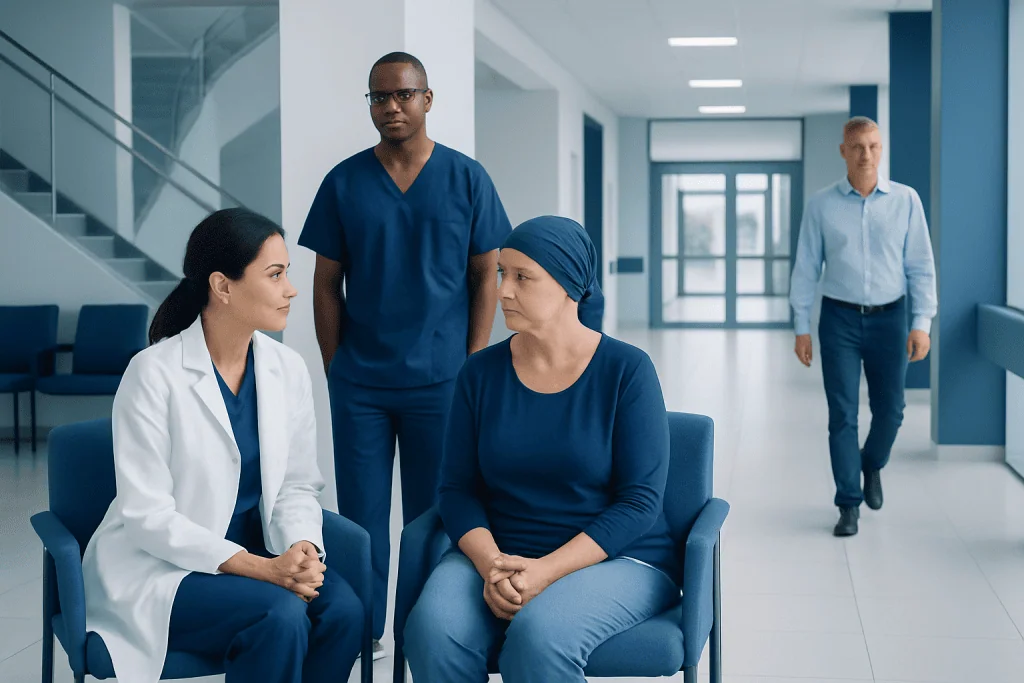
Palliative care in cancer can begin at diagnosis and does not mean treatment has stopped. It focuses on symptom relief, emotional support, communication, and quality of life.
Key Takeaways
- Palliative care in cancer can begin at diagnosis and does not mean treatment has stopped.
- It focuses on symptom relief, emotional support, communication, and quality of life.
- Patients can receive palliative care together with chemotherapy, radiation therapy, surgery, or immunotherapy.
- Early supportive care may help people cope better with symptoms and treatment decisions.
- Palliative care also supports family members and caregivers throughout the illness.
Palliative care in cancer is specialized medical support that helps manage symptoms, treatment side effects, emotional stress, and practical concerns. It can begin early in the cancer journey, alongside active treatment, to improve comfort and quality of life for patients and families.
Overview: What Palliative Care in Cancer Means
Palliative care in cancer is specialized supportive care for people living with cancer. Its goal is to relieve symptoms, ease treatment side effects, address emotional and practical concerns, and help patients maintain the best possible quality of life. This type of care is provided by a team that may include doctors, nurses, pain specialists, psychologists, dietitians, social workers, and spiritual care professionals.
A common misunderstanding is that palliative care is only for the final stage of illness. In fact, it can be helpful at any point after a cancer diagnosis, including during curative treatment. It is different from hospice or end-of-life care, which is generally intended for people nearing the end of life and no longer receiving treatment aimed at controlling the disease.
Palliative care works alongside oncology treatment rather than replacing it. A patient may receive supportive care while having surgery, chemotherapy, targeted therapy, immunotherapy, or radiation therapy. The purpose is to help the person feel better, function better, and make informed decisions throughout care.
When Supportive Treatment Should Start
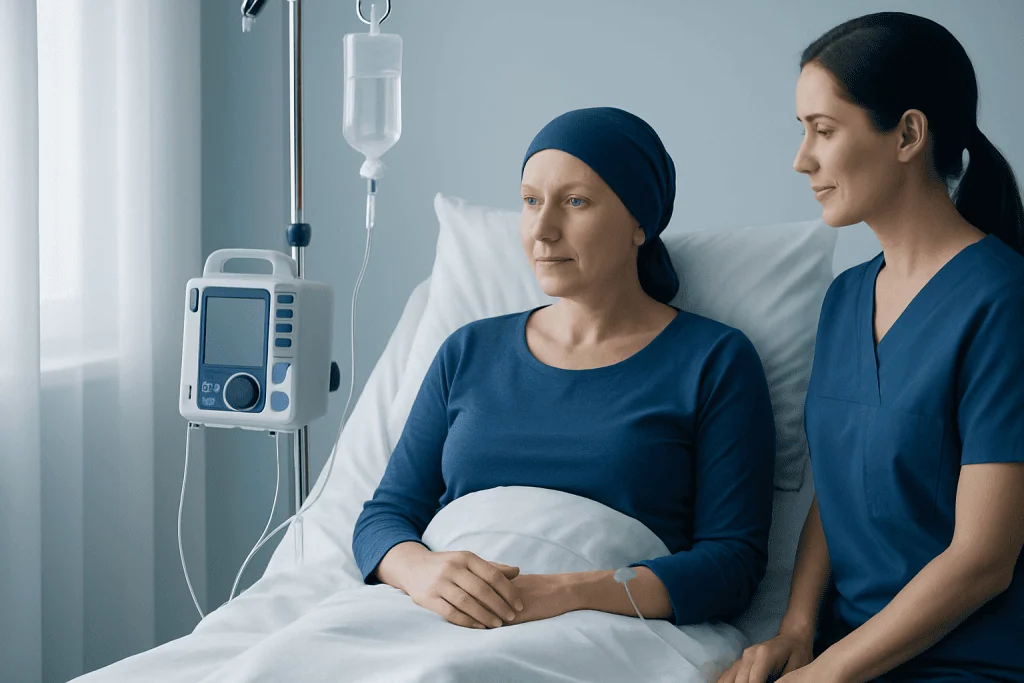
For many people, supportive treatment should start early. Palliative care can be introduced soon after diagnosis, especially if the cancer is advanced, symptoms are already affecting daily life, or treatment is expected to be intensive. Early care can help prevent problems from becoming overwhelming and gives patients more time to build a trusting relationship with the care team.
There is no single moment that suits everyone, but some situations make earlier referral especially useful. These include persistent pain, nausea, fatigue, shortness of breath, sleep problems, anxiety, depression, loss of appetite, and difficulty coping with uncertainty. People facing complex treatment choices may also benefit from palliative care support from the beginning.
Supportive care is also valuable when cancer changes over time. A person may need more help if the disease progresses, if side effects increase, or if goals of care shift. Starting palliative care early does not take away hope; rather, it adds an extra layer of support that can continue throughout the cancer journey.
Symptoms and Concerns Palliative Care Can Help Manage
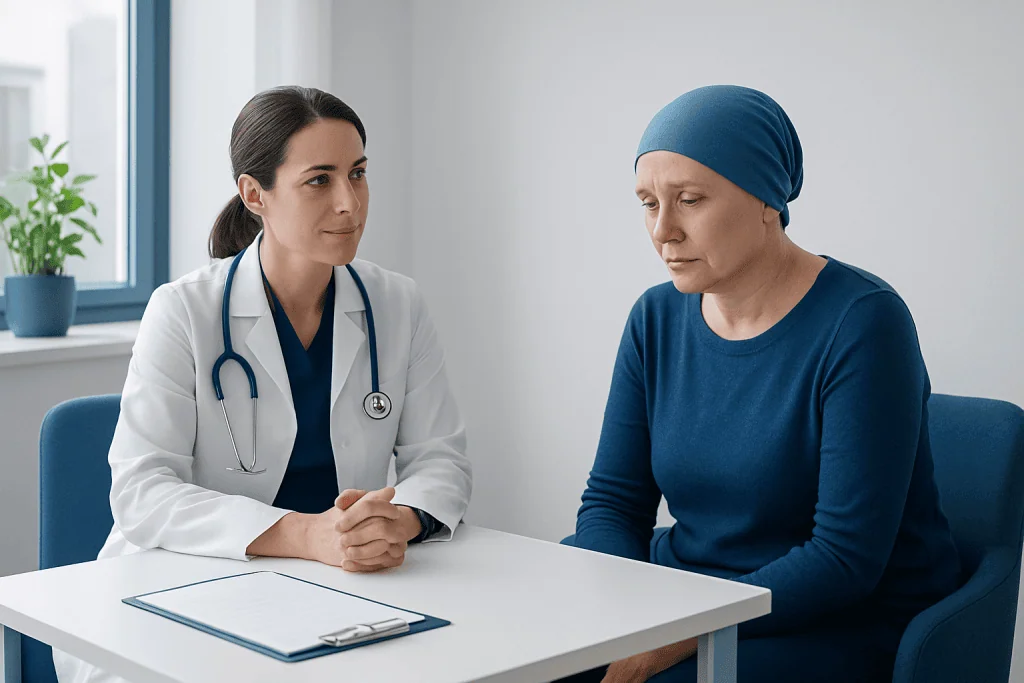
Palliative care in cancer addresses a wide range of physical symptoms. Pain is one of the most recognized concerns, but supportive treatment also helps with nausea, vomiting, constipation, diarrhea, breathlessness, weakness, fatigue, poor sleep, loss of appetite, weight loss, nerve symptoms, and treatment-related mouth sores or skin irritation. Care plans are tailored to the person’s needs and may change over time.
Emotional and mental well-being are equally important. A cancer diagnosis can bring fear, sadness, anger, uncertainty, and stress for both patients and loved ones. Palliative care teams help identify these concerns early and may offer counseling, relaxation strategies, support groups, or referrals to mental health professionals when needed.
Practical and family concerns are also part of supportive care. Patients may need guidance with work issues, travel for treatment, financial planning, home care, or understanding medical information. Family members and caregivers often benefit from education and emotional support as they help their loved one through treatment.
- Pain and other distressing physical symptoms
- Side effects from chemotherapy, radiation, or surgery
- Anxiety, depression, and coping difficulties
- Nutrition, sleep, and energy concerns
- Communication about goals, values, and treatment choices
Who May Benefit Most and What Raises the Need for Early Care
Any person with cancer can benefit from palliative care, but some groups may need it especially early. This includes people with advanced or metastatic cancer, those receiving aggressive treatment, older adults with other health conditions, and patients whose symptoms interfere with daily activities. Individuals living with cancers that commonly cause a high symptom burden, such as lung cancer or pancreatic cancer, may be referred early for added support.
Risk factors for needing more intensive supportive care are not only medical. Limited family help, language barriers, emotional distress, transportation difficulties, and financial strain can also make cancer treatment harder to manage. Palliative care teams often look at the whole person, not just the tumor, to understand where support is needed.
It is also helpful for people who are uncertain about treatment priorities. Some patients mainly want symptom control, while others focus strongly on extending life, maintaining independence, or staying well enough for a specific personal goal. Palliative care helps clarify these priorities so treatment choices better reflect the patient’s values.
How Palliative Care Is Provided and Coordinated
Palliative care usually begins with a detailed assessment of symptoms, medical history, current treatment, emotional well-being, and personal goals. The team asks what symptoms are most troubling, how they affect daily life, and what matters most to the patient. This conversation guides an individualized care plan.
Support may include medicines for symptom relief, nutrition advice, physical therapy, counseling, breathing exercises, sleep support, and help with advance care planning. In some cases, procedures or cancer treatments themselves may be used to reduce symptoms, such as chemotherapy to shrink a tumor that is causing pain or pressure. The palliative care team works closely with the oncologist so that supportive measures fit with the overall treatment plan.
Care can be delivered in hospitals, outpatient clinics, infusion centers, or at home depending on local services and the patient’s condition. Some people need only occasional visits, while others benefit from regular follow-up. Near the end of the care pathway, the team may also help patients and families understand whether hospice or home-based comfort care would be appropriate.
Benefits of Early Palliative Care During Cancer Treatment
Starting palliative care early may make cancer treatment more manageable. When pain, nausea, fatigue, and other symptoms are better controlled, patients may be more able to eat, sleep, move, and attend treatment appointments. Better symptom management can also reduce distress and improve day-to-day comfort.
Another important benefit is clearer communication. Cancer care often involves difficult decisions, changing information, and many appointments. Palliative care specialists help patients understand options, ask questions, and think through the benefits and burdens of different treatments. This can help people feel more informed and supported rather than overwhelmed.
Families may also feel the difference. Caregivers often carry emotional and practical responsibilities that can be exhausting over time. Supportive care helps families prepare for what to expect, recognize urgent symptoms, and care for themselves while caring for someone they love.
Near the end of the cancer journey, palliative care can help ensure that care remains aligned with the patient’s goals. If appropriate, the team can explain the transition from disease-directed treatment to comfort-focused care in a compassionate, respectful way.
When to Ask for Palliative Care and Questions to Discuss
Patients and families do not need to wait for a doctor to bring up palliative care. It is reasonable to ask about it at the time of diagnosis, before starting treatment, or whenever symptoms, stress, or uncertainty begin to grow. Asking early can help normalize supportive care as part of standard cancer treatment.
Useful times to raise the topic include repeated hospital visits, pain that is not well controlled, severe fatigue, eating difficulties, shortness of breath, or emotional distress that affects daily life. It is also appropriate to ask for palliative input when there are complex decisions about continuing, changing, or stopping treatment.
Helpful questions may include:
- What symptoms should be managed more proactively?
- Can palliative care be provided alongside my cancer treatment?
- Who will coordinate symptom relief and emotional support?
- How can my personal goals and preferences guide treatment decisions?
- What support is available for my family or caregiver?
For international patients, coordinated cancer and supportive care may be especially helpful when treatment involves travel and multiple specialists. Near the end of the care pathway, Acibadem International’s multidisciplinary specialists in JCI-accredited hospitals provide diagnosis, treatment, and supportive care planning for people living with cancer.
Frequently asked questions
Is palliative care the same as hospice care?
No. Palliative care can be given at any stage of cancer and may be provided alongside treatments intended to control or treat the disease. Hospice care is generally for people nearing the end of life when the focus is mainly on comfort rather than disease-directed treatment.
Can palliative care start while a patient is still receiving chemotherapy or radiation?
Yes. Palliative care is designed to work together with cancer treatment, not replace it. Many patients receive supportive care during chemotherapy, radiation therapy, surgery, or newer treatments to help manage symptoms and side effects.
Who provides palliative care for cancer patients?
Palliative care is usually delivered by a team of healthcare professionals. This may include doctors, nurses, pain specialists, psychologists, social workers, dietitians, rehabilitation experts, and spiritual care professionals, depending on the patient’s needs.
Does starting palliative care mean the cancer is advanced?
Not necessarily. Although people with advanced cancer often benefit greatly from it, palliative care can be helpful much earlier. It may begin soon after diagnosis if symptoms, stress, or treatment complexity are already affecting quality of life.
What symptoms can palliative care help with?
It can help with pain, nausea, fatigue, shortness of breath, constipation, poor appetite, sleep problems, and many other physical symptoms. It also supports emotional distress, anxiety, depression, and practical concerns related to treatment and daily life.
How can a patient ask for palliative care?
A patient or family member can ask the oncologist, nurse, or treating doctor directly about a palliative care referral. It is appropriate to ask at diagnosis, before starting treatment, or any time symptoms or stress become difficult to manage.
References
- World Health Organization
- National Cancer Institute
- American Society of Clinical Oncology
- European Society for Medical Oncology
- National Comprehensive Cancer Network
This article is for general information only and is not a substitute for professional medical advice. Please consult a qualified doctor about your individual situation.
Oncology care in Turkey — second opinion and treatment plan
JCI-accredited · board-certified surgeons · reply within 24h
Add us as a Preferred Source to see more of our trusted health content across Google Search, AI Overviews and Discover.

Medical Oncology Department
Medical treatment of cancer with chemotherapy, immunotherapy and targeted therapies under a multidisciplinary tumor board.
60 specialists in this unitMore from the Health Library



Related Specialists

Dr. Murat Yildirim
Physical Medicine & Rehabilitation
Dt. İpek Mehmetoğlu Torun
Oral & Dental Health
Dr. Fatma Kutlusoy Güçlü
Gynecology & Obstetrics
Dr. Mehmet Fatih Korkmaz
General Surgery