How to Prevent Osteoporosis: Bone Health Habits Beyond Calcium

Calcium is important, but it is only one part of osteoporosis prevention. Weight-bearing and strength-training exercise help maintain bone density and balance.
Key Takeaways
- Calcium is important, but it is only one part of osteoporosis prevention.
- Weight-bearing and strength-training exercise help maintain bone density and balance.
- Vitamin D, adequate protein, and overall nutrition support healthy bone remodeling.
- Smoking, heavy alcohol use, inactivity, and some medications can weaken bones over time.
- Bone density screening may be recommended based on age, menopause status, fracture history, and risk factors.
- Fall prevention at home and regular medical review are important for protecting bones and independence.
Osteoporosis prevention involves more than drinking milk or taking calcium. Strong bones are supported by lifelong habits such as weight-bearing exercise, enough protein and vitamin D, avoiding smoking, limiting alcohol, and reducing fall risk.
Overview: Preventing Osteoporosis Starts Early
Osteoporosis is a condition in which bones become less dense and more fragile, making fractures more likely. It often develops gradually over many years and may not cause noticeable symptoms until a bone breaks. Because of this, prevention is especially important. Bone health habits practiced in childhood, adulthood, and later life can all influence long-term bone strength.
Although calcium is well known for supporting bones, it is not the only factor that matters. Bone is living tissue that is constantly being broken down and rebuilt. This process depends on regular movement, enough vitamin D, balanced nutrition, hormone health, and the absence of harmful habits such as smoking. Good sleep, maintaining a healthy body weight, and preventing falls also play a role.
Preventing osteoporosis does not require perfection. Small, consistent choices can help preserve bone density and lower fracture risk over time. People who already have low bone mass or a family history of fragile bones can still benefit from lifestyle changes and medical guidance. Learning how to protect bone health early may help support mobility, independence, and quality of life later on.
Who Is at Risk of Osteoporosis?
Anyone can develop osteoporosis, but some people have a higher risk than others. Bone mass naturally peaks in early adulthood and then slowly declines with age. Women, especially after menopause, are at increased risk because falling estrogen levels can speed up bone loss. Men can also develop osteoporosis, particularly at older ages or when other medical conditions are present.
Family history is another important factor. A parent with osteoporosis or a hip fracture may suggest a higher inherited risk. A small body frame, low body weight, inadequate nutrition, and low physical activity can also make bones more vulnerable. Long periods of immobility may contribute to bone loss because bones need regular loading and muscle pull to stay strong.
Certain medical conditions and medications can affect bone density. Examples include thyroid disorders, inflammatory diseases, digestive conditions that reduce nutrient absorption, long-term use of corticosteroids, and some cancer treatments. People with these risks may need earlier screening or more focused prevention plans. In some cases, a doctor may also evaluate for related conditions such as osteoporosis.
Bone Health Habits That Matter Most
Exercise is one of the most effective habits for osteoporosis prevention. Weight-bearing activities such as walking, dancing, stair climbing, and hiking encourage bones to adapt to stress and stay stronger. Strength training is also important because muscles pulling on bones help maintain bone density. In addition, balance and flexibility exercises, such as tai chi or gentle yoga, may help reduce falls.
Nutrition supports the body’s ongoing bone remodeling process. Calcium remains important, but it works best as part of an overall eating pattern that includes adequate protein, vitamin D, magnesium, potassium, and other nutrients. Protein is sometimes overlooked, yet bones are partly made of protein framework. A balanced diet with dairy or fortified alternatives, beans, lentils, eggs, fish, leafy greens, nuts, and seeds can help support bone health.
Sunlight exposure helps the body produce vitamin D, which improves calcium absorption. In some people, especially older adults or those with limited sun exposure, vitamin D from food or supplements may be needed based on a doctor’s advice. Staying at a healthy body weight is also helpful. Being underweight may increase fracture risk, while severe dieting can reduce nutrient intake and affect hormones that protect bone.
Healthy daily choices also include avoiding tobacco and limiting alcohol. Smoking is linked to lower bone density and slower healing after fractures. Heavy alcohol use can interfere with bone formation and increase the likelihood of falls. Together, regular exercise, good nutrition, and avoiding harmful habits form the core of long-term bone protection.
Symptoms, Warning Signs, and Early Clues
Osteoporosis is often called a silent condition because it usually develops without pain or obvious warning signs. Many people do not know they have low bone density until they experience a fracture after a minor fall or even a simple movement such as bending or lifting. This is why prevention and timely screening are so valuable.
Some fractures linked to fragile bones occur in the hip, wrist, or spine. Spinal compression fractures may cause sudden back pain, loss of height over time, or a more stooped posture. However, these signs usually appear after bone weakening is already advanced. They are not reliable early markers for everyone.
People should not wait for symptoms before thinking about bone health. If there is a personal or family history of fractures, early menopause, long-term steroid use, or another major risk factor, it is sensible to discuss bone protection with a doctor. In some situations, back pain or a fracture may also need evaluation by specialists in orthopedics and traumatology to assess bone injury and recovery.
Screening and Diagnosis of Bone Loss
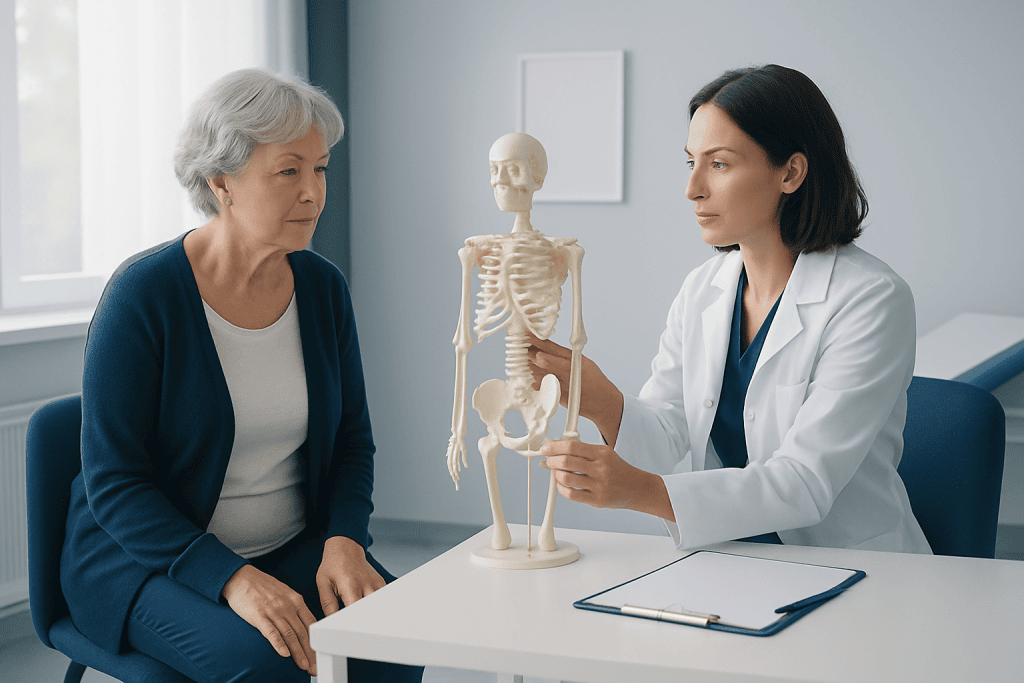
Doctors assess osteoporosis risk by reviewing age, sex, menopause status, medications, family history, nutrition, physical activity, smoking, alcohol use, and any previous fractures. This conversation helps identify who may benefit from bone density testing. Screening recommendations vary by individual risk, so medical advice should be personalized.
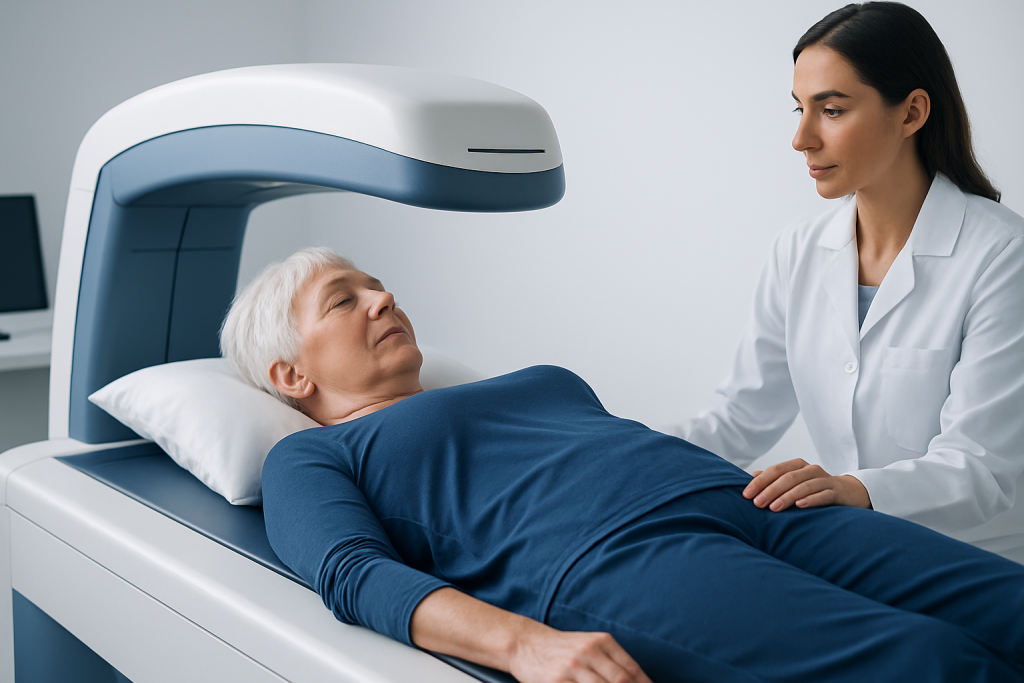
The most common test for bone density is a dual-energy X-ray absorptiometry scan, often called a DXA or DEXA scan. It is a quick, low-radiation test that usually measures bone density at the hip and spine. Results help identify normal bone density, low bone mass, or osteoporosis. Doctors may combine scan results with fracture risk tools to guide next steps.
Sometimes further evaluation is needed to look for causes of bone loss. Blood tests may assess vitamin D levels, calcium balance, thyroid function, kidney function, or other factors. If a person has unexplained pain, a fracture, or structural concerns, additional imaging may be advised through radiology services. The goal is not only to measure bone density but also to understand why bones may be weakening.
Treatment Options if Bone Density Is Low
If screening shows low bone mass or osteoporosis, treatment depends on fracture risk and overall health. Lifestyle measures remain essential, including exercise, nutrition, fall prevention, and avoiding tobacco. Some people may only need monitoring and stronger prevention habits, while others may benefit from medication to reduce fracture risk.
Doctors may recommend calcium and vitamin D if intake is inadequate, but supplements are usually considered part of a broader plan rather than a complete solution. Prescription medicines for osteoporosis work in different ways, such as slowing bone breakdown or helping build bone. The choice depends on age, sex, previous fractures, kidney function, and other medical factors.
When bone loss is linked to hormone changes or endocrine disorders, the underlying cause should also be addressed. In selected cases, evaluation by endocrinology specialists can help identify contributing hormone or metabolic issues. A personalized plan can improve both bone protection and overall health.
People who have already had a fracture may need rehabilitation and targeted support to regain strength and confidence. Follow-up care matters because one fracture can raise the risk of future fractures. Treatment works best when medicines, exercise, nutrition, and home safety are considered together.
Prevention and Self-Care at Home
Daily routines can make a meaningful difference in bone health. Regular physical activity should include both weight-bearing movement and muscle strengthening. Even moderate exercise done consistently is helpful. Good posture, core strength, and balance training may lower the chance of falls, especially in older adults.
Meals should support the whole skeleton, not just calcium intake. A varied eating pattern with enough calories and protein is important, particularly for older adults who may eat less due to reduced appetite or illness. Hydration also matters, as dehydration can contribute to dizziness and falls. For people who cannot meet nutrient needs through food alone, a doctor or dietitian may suggest supplements.
Home safety is another important part of prevention. Removing loose rugs, improving lighting, using handrails, wearing supportive shoes, and checking vision regularly can all reduce fall risk. Medicines that cause dizziness or drowsiness should be reviewed periodically with a healthcare professional.
Near the end of a prevention journey, some people may need specialist support for screening, risk assessment, or treatment planning. Acibadem International’s multidisciplinary specialists and JCI-accredited hospitals diagnose and treat bone health conditions for international patients in a coordinated setting.
When to See a Doctor
A doctor should be consulted if there is a fracture after a minor fall, sudden back pain, noticeable loss of height, or a developing stooped posture. These may suggest weakened bones or a compression fracture. Prompt assessment can help guide treatment and prevent further injury.
It is also wise to seek medical advice when a person has several risk factors for osteoporosis, such as menopause, older age, a strong family history, smoking, low body weight, poor nutrition, or long-term corticosteroid use. People with chronic digestive, kidney, thyroid, or inflammatory conditions may also need earlier bone health discussions.
Routine preventive care can be just as important as urgent evaluation. A doctor can recommend whether bone density screening is appropriate and help create a practical plan for exercise, nutrition, supplements, and fall prevention. Early attention often offers the best chance to protect bone strength over the long term.
Frequently asked questions
Is calcium enough to prevent osteoporosis?
No. Calcium is important, but it is only one part of bone health. Exercise, vitamin D, enough protein, avoiding smoking, limiting alcohol, and preventing falls are also key parts of osteoporosis prevention.
What kind of exercise is best for bone health?
Weight-bearing exercise and strength training are especially helpful because they place healthy stress on bones and muscles. Balance exercises are also valuable because they can reduce the risk of falls and fractures.
Can younger adults benefit from osteoporosis prevention?
Yes. Bone health habits are important at every age because bone strength is built over time. Starting early can help create higher peak bone mass and may reduce fracture risk later in life.
Who should ask about a bone density scan?
People at higher risk, such as older adults, postmenopausal women, those with a history of fractures, and people taking long-term steroids, should discuss screening with a doctor. The decision depends on age, medical history, and overall fracture risk.
Does osteoporosis always cause symptoms?
No. Osteoporosis often develops silently and may not be noticed until a fracture occurs. That is why preventive care and screening are important, especially for people with risk factors.
Can diet help even if someone already has low bone density?
Yes. A balanced diet with enough calcium, vitamin D, and protein can still support bone health and treatment goals. Nutrition works best when combined with exercise, fall prevention, and medical care when needed.
References
- World Health Organization
- National Institute on Aging
- International Osteoporosis Foundation
- National Institutes of Health
- Centers for Disease Control and Prevention
This article is for general information only and is not a substitute for professional medical advice. Please consult a qualified doctor about your individual situation.
Bone Health in Turkey — costs, top hospitals & a free quote
JCI-accredited · board-certified surgeons · reply within 24h
Add us as a Preferred Source to see more of our trusted health content across Google Search, AI Overviews and Discover.

Check-up & Preventive Medicine
Comprehensive health screenings designed for early detection and prevention.
3 specialists in this unit