How to Prepare for a Hair Transplant: Tests, Medications, and Pre-Procedure Advice

Preparation starts with a full medical history, scalp assessment, and discussion of expectations. Some patients may need blood tests or other checks to confirm they are fit for the procedure.
Key Takeaways
- Preparation starts with a full medical history, scalp assessment, and discussion of expectations.
- Some patients may need blood tests or other checks to confirm they are fit for the procedure.
- Medications, supplements, smoking, and alcohol may need adjustment before a hair transplant.
- Following pre-procedure instructions for hair washing, meals, clothing, and transport can make the day easier.
- Clear communication with the medical team helps reduce avoidable risks and supports better recovery.
Hair transplant preparation usually involves a medical assessment, selected lab tests, medication review, and practical steps in the days before the procedure. Knowing what to do ahead of time can help a person feel more confident and support a smoother treatment and recovery process.
Overview: Why Hair Transplant Preparation Matters
Hair transplant preparation is an important part of treatment, not just a small step before the procedure. Careful planning helps the medical team understand the patient’s general health, pattern of hair loss, scalp condition, and donor hair availability. It also gives the patient time to ask questions and understand what the procedure can realistically achieve.
A hair transplant is usually performed under local anesthesia and is generally well tolerated, but it is still a medical procedure. Good preparation can reduce avoidable problems such as bleeding, irritation, infection risk, or scheduling delays. It can also support better comfort on the treatment day and a smoother early recovery.
Preparation often begins with a consultation. During this visit, the doctor reviews hair loss history, past treatments, family history, and any conditions that may affect healing. The patient may also discuss whether techniques such as hair transplant treatment are suitable for their goals and hair characteristics.
Medical Assessment Before the Procedure

Before a hair transplant, the medical team usually performs a detailed health review. This includes past illnesses, previous surgeries, allergies, current medications, and use of vitamins, herbal supplements, or over-the-counter products. Conditions such as diabetes, high blood pressure, heart disease, autoimmune disorders, or bleeding problems may influence planning.
The scalp and hair are also examined closely. The doctor looks at the pattern and stability of hair loss, hair density in the donor area, hair texture, and scalp health. If there is inflammation, infection, scarring, or another active scalp condition, treatment may be needed first before transplantation is considered.
In some cases, the team may need to distinguish common pattern hair loss from other causes of thinning. This is especially relevant when loss is sudden, patchy, or associated with redness, scaling, or itching. Sometimes the discussion includes related conditions such as hair loss or alopecia areata if the diagnosis is not straightforward.
The consultation is also the right time to discuss expectations. A hair transplant can improve coverage and hairline appearance, but it does not usually restore the density of natural hair before hair loss began. Honest planning helps match the procedure to the patient’s donor supply, facial features, and long-term hair loss pattern.
Tests That May Be Needed Before a Hair Transplant
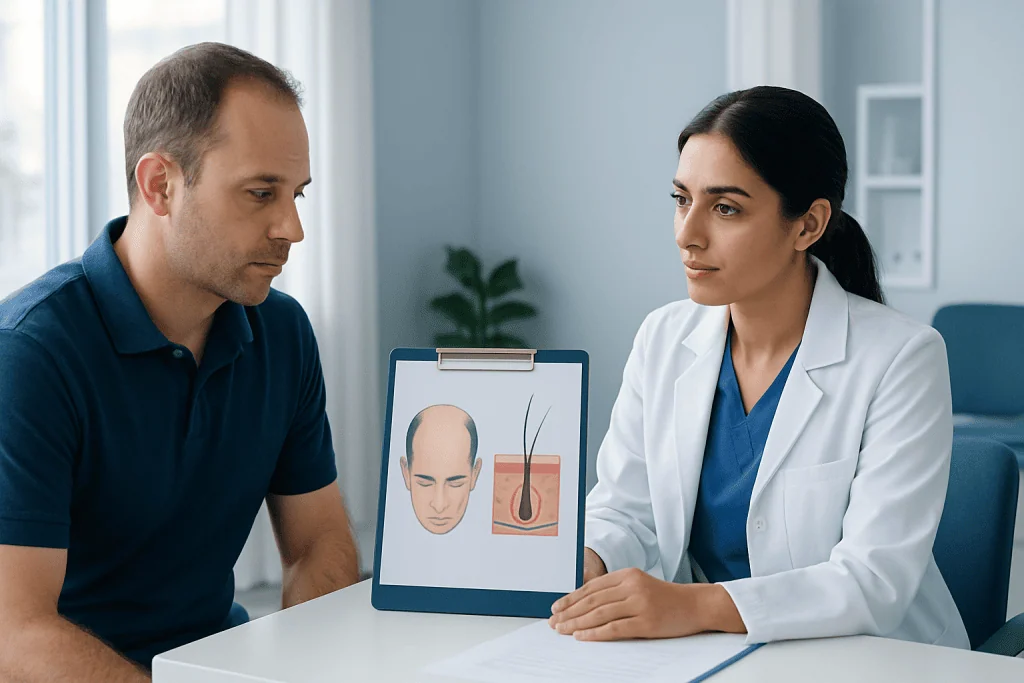
Not every patient needs extensive testing, but some basic tests are commonly requested depending on age, medical history, and clinic protocol. These tests help confirm that the patient is suitable for treatment and identify issues that could affect bleeding, infection risk, or healing. The exact list varies from one person to another.
Common pre-procedure checks may include blood tests such as a complete blood count, blood sugar testing, and tests related to clotting or infection screening when appropriate. If the patient has a chronic medical condition, the doctor may request additional tests or clearance from another specialist. For example, a person with heart disease may need confirmation that the planned procedure is safe.
Laboratory tests are only one part of preparation. The doctor may also assess blood pressure, pulse, and sometimes scalp photographs for planning. In selected cases, a closer evaluation of the scalp may be useful if another diagnosis is suspected, especially when scarring, inflammation, or unusual shedding is present.
- Medical history and physical examination
- Basic blood tests if advised
- Blood pressure and general fitness review
- Scalp and donor area assessment
- Specialist clearance if there are significant health conditions
Medications, Supplements, Smoking, and Alcohol
One of the most important parts of hair transplant preparation is reviewing medications and supplements. Some medicines and products may increase bleeding risk, affect anesthesia, or interfere with healing. Patients should never stop a prescribed medication on their own, but they should tell the doctor about everything they take, including herbal products and occasional pain relievers.
The medical team may advise temporary changes to certain blood-thinning medicines, anti-inflammatory drugs, or supplements such as fish oil, vitamin E, ginseng, garlic products, or others that can affect clotting. If a patient uses treatments for hair loss, the doctor will explain whether these should be continued, paused, or restarted after the procedure.
Smoking and alcohol also matter. Smoking can reduce blood flow and may slow healing, while alcohol may increase bleeding and dehydration risk around the time of the procedure. For this reason, patients are often advised to avoid alcohol for a period before treatment and to stop or reduce smoking as early as possible, ideally well before the procedure date.
People who are already receiving care for medical or cosmetic concerns may need coordinated advice. In some situations, the team may discuss timing in relation to other treatments such as platelet-rich plasma therapy or medical management for underlying scalp disease.
Practical Pre-Procedure Advice for the Days Before
Simple practical steps can make the treatment day more comfortable. Patients are usually advised to wash their hair and scalp as instructed before coming to the clinic. Heavy styling products, sprays, gels, or fibers are usually avoided. The clinic may also give instructions about whether to cut the hair in advance or leave it at its current length.
Clothing choice is often overlooked but useful. A button-up or zip-front top is usually more convenient than a tight shirt that must be pulled over the head afterward. Patients should also plan transport home if the team recommends not driving immediately after a long procedure or if sedating medication may be used.
Food and fluids should follow the clinic’s instructions. Many hair transplants are done under local anesthesia, so light meals and good hydration may be encouraged, but the advice can differ depending on the planned medicines. It is also sensible to avoid last-minute sunburn, scalp scratching, or any chemical treatment that could irritate the skin before the procedure.
- Follow hair-washing instructions carefully
- Avoid hair products unless the clinic says otherwise
- Wear loose, front-opening clothing
- Arrange travel and enough recovery time
- Bring a list of medications and any questions for the team
What to Expect on the Day of the Hair Transplant
On the day of the procedure, the patient usually arrives for final checks, photographs, consent review, and marking of the treatment plan. The doctor confirms the hairline design, the number of grafts if estimated in advance, and the donor area strategy. This step is important because good planning supports a natural-looking result that fits the patient’s features and future hair loss pattern.
The procedure itself commonly involves local anesthesia, harvesting grafts from the donor area, preparing recipient sites, and placing the grafts carefully. Depending on the technique and number of grafts, treatment can take several hours. Clinics often explain whether the plan involves methods such as FUE hair transplant and what that means for shaving, harvesting, and recovery.
After the procedure, the patient receives instructions on sleeping position, scalp washing, swelling management, and when regular activities can resume. The team may also explain early shedding, crusting, and the expected timeline for growth. Before leaving, the patient should understand which symptoms are normal and when to contact the clinic.
Recovery Planning and Self-Care After the Procedure
Although this article focuses on preparation, planning for recovery before the procedure is very helpful. Patients should arrange a few quieter days, especially if visible swelling, redness, or scabbing would make work or social activities uncomfortable. Preparing at home in advance can reduce stress afterward.
Aftercare often includes gentle scalp care, avoiding pressure or friction on grafts, and staying away from strenuous exercise for a period recommended by the doctor. Sun exposure, swimming pools, saunas, and harsh hair treatments may also need to be postponed temporarily. These steps help protect newly placed grafts while the scalp begins to heal.
It is also useful to think about longer-term hair care. A transplant moves existing hair follicles but does not stop future hair loss in untreated areas. Some people may benefit from a broader plan that includes ongoing medical follow-up, supportive therapies, or management of associated scalp concerns such as seborrheic dermatitis when relevant.
Near the end of the treatment journey, some patients choose centers that can coordinate consultation, procedure, and follow-up in one place. Acibadem International’s multidisciplinary specialists and JCI-accredited hospitals diagnose and treat hair loss concerns for international patients when a hair transplant is being considered.
When to Contact the Doctor Before or After the Procedure
Before the procedure, the patient should inform the clinic promptly about any new illness, fever, scalp rash, infection, or medication change. Even a minor issue may affect timing or require extra precautions. It is usually better to ask early than to arrive unprepared on the day of treatment.
After the procedure, some redness, mild swelling, tenderness, and crusting can be expected. However, increasing pain, significant bleeding, spreading redness, fever, pus, or concerns about an allergic reaction should be discussed with a doctor without delay. The clinic should also be contacted if the patient is unsure how to wash the scalp or use prescribed aftercare products.
Follow-up appointments are part of safe care. They allow the team to check healing, answer questions, and guide the patient through the normal hair growth timeline. Anyone considering a procedure abroad should make sure there is a clear follow-up plan and a way to reach the medical team after returning home.
Frequently asked questions
What tests are usually done before a hair transplant?
The exact tests depend on the person’s age, health, and clinic policy. Many patients have a medical review and may have basic blood tests, blood pressure checks, and screening related to bleeding or infection risk if the doctor advises it.
Should medications be stopped before a hair transplant?
Some medications and supplements may need temporary adjustment because they can affect bleeding, anesthesia, or healing. A patient should never stop prescribed treatment without medical advice and should always follow the surgeon’s instructions.
Can smoking affect hair transplant results?
Smoking can reduce blood flow to the skin and may slow healing. Doctors often advise stopping or reducing smoking before and after the procedure to support recovery and graft survival.
Is it necessary to wash the hair before the procedure?
Yes, clinics commonly ask patients to wash the hair and scalp according to specific instructions before arrival. Clean skin and hair can help prepare the area and may reduce the chance of irritation from styling products.
What should a person wear on the day of a hair transplant?
A loose shirt that opens in the front is usually recommended. This helps avoid pulling clothing over the head after the procedure and reduces contact with the treated scalp.
How long before a hair transplant should alcohol be avoided?
The recommended timeframe varies by clinic and individual health factors. Many doctors advise avoiding alcohol for a short period before the procedure because it can contribute to bleeding and dehydration.
What if a person develops a cold or scalp problem before the procedure?
The clinic should be informed as soon as possible. A new illness, fever, rash, or scalp infection may mean the procedure needs to be delayed or the plan adjusted for safety.
References
- American Academy of Dermatology
- International Society of Hair Restoration Surgery
- National Health Service
- Mayo Clinic
- British Association of Dermatologists
This article is for general information only and is not a substitute for professional medical advice. Please consult a qualified doctor about your individual situation.
Hair transplant in Turkey — costs, graft counts & a free assessment
JCI-accredited · board-certified surgeons · reply within 24h
Add us as a Preferred Source to see more of our trusted health content across Google Search, AI Overviews and Discover.
Check your numbers in seconds
BMI, calories, due date, blood pressure and 30+ more clinical calculators — free, instant, doctor-reviewed ranges.