Myomectomy Recovery: Healing Time, Activity Limits, and Fertility Planning

Myomectomy recovery time depends on whether the procedure was hysteroscopic, laparoscopic, robotic, or open abdominal surgery. Light activity is usually encouraged early, but heavy lifting, strenuous exercise, and sex often need to wait until the doctor confirms healing.
Key Takeaways
- Myomectomy recovery time depends on whether the procedure was hysteroscopic, laparoscopic, robotic, or open abdominal surgery.
- Light activity is usually encouraged early, but heavy lifting, strenuous exercise, and sex often need to wait until the doctor confirms healing.
- Pain, fatigue, spotting, and mild bloating can be common at first, but fever, heavy bleeding, or worsening pain need prompt medical review.
- Fertility planning after myomectomy should be individualized, especially if the uterine wall was repaired.
- Follow-up visits are important to check healing, discuss pathology results if relevant, and plan a safe return to work, exercise, and pregnancy.
Myomectomy recovery varies by surgical approach, overall health, and the size and number of fibroids removed. Most people improve steadily over days to weeks, but healing, activity limits, and pregnancy planning should follow the surgeon’s advice.
Overview of Myomectomy Recovery
Myomectomy is surgery to remove uterine fibroids while keeping the uterus in place. It may be performed through the vagina and cervix (hysteroscopic myomectomy), through small abdominal incisions using a camera (laparoscopic or robotic myomectomy), or through a larger abdominal incision (open abdominal myomectomy). Recovery is different for each method because the amount of tissue healing can vary.
In general, hysteroscopic procedures often have the shortest recovery, minimally invasive abdominal procedures usually require several weeks, and open surgery tends to take longer. Many people notice steady progress rather than an immediate return to normal. Tiredness can last longer than expected, even when the incisions look healed on the outside.
The surgeon’s instructions matter because recovery depends on details such as the number, size, and location of fibroids, whether the uterine muscle was deeply repaired, and whether there were any surgical complications. A person’s age, anemia before surgery, and other health conditions can also affect healing time.
What to Expect During Healing
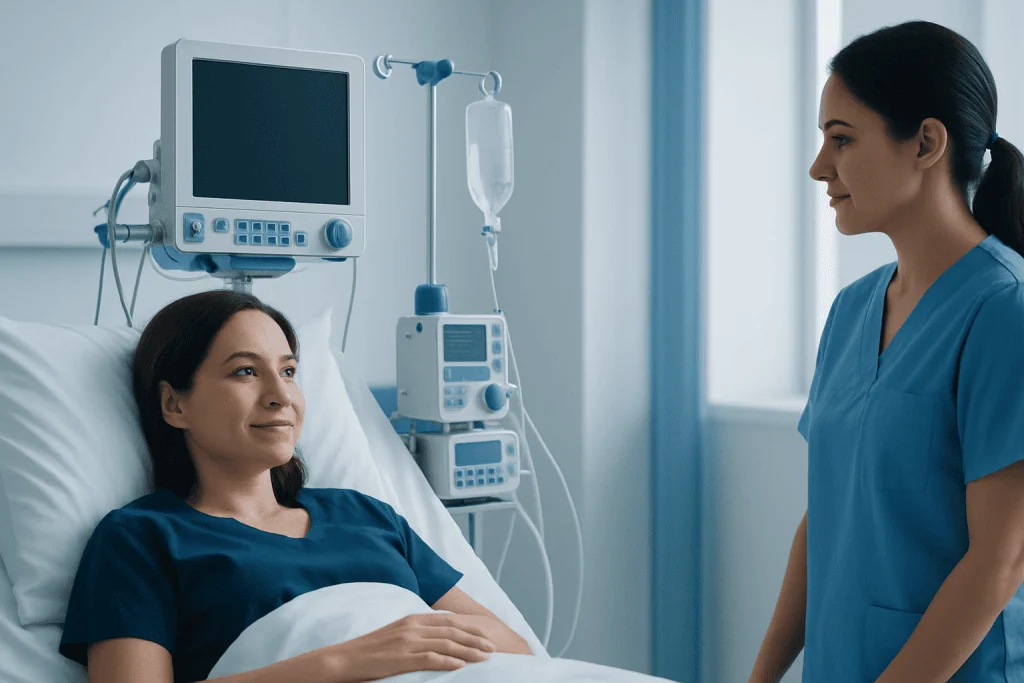
During the first days after surgery, common symptoms include pelvic or abdominal pain, cramping, fatigue, bloating, mild nausea, and light vaginal spotting or discharge. Shoulder discomfort can happen after laparoscopic surgery because of the gas used during the procedure. Most symptoms improve gradually with rest, walking, hydration, and prescribed or recommended pain relief.
Energy levels often return more slowly than many people expect. It is common to feel well one day and more tired the next, especially after doing too much too soon. Recovery is rarely perfectly linear, and small ups and downs do not always mean something is wrong.
Incision healing also varies. Small incisions may feel sore, itchy, or slightly firm as they heal, while an abdominal incision can remain tender for longer. Vaginal bleeding is often lighter than a menstrual period, but the exact pattern depends on the type of procedure and the fibroids treated.
If fibroids caused heavy periods before surgery, patients may also notice gradual improvement in related symptoms such as pelvic pressure, frequent urination, or anemia over the weeks that follow. When learning about surgery for uterine fibroids, it can help to discuss both symptom relief and the expected recovery timeline before the procedure.
Healing Time by Procedure Type

Recovery after hysteroscopic myomectomy is usually the quickest because there are no abdominal incisions. Some people return to desk work and light routines within a few days, although cramping and spotting may continue briefly. Even with a short recovery, it is still important to avoid anything the surgeon has restricted, especially if a larger fibroid was removed from inside the uterine cavity.
Laparoscopic and robotic myomectomy generally involve less pain and a faster return to daily activities than open surgery. Many patients need around 2 to 4 weeks before they feel ready for most normal routines, though complete internal healing may take longer. A doctor may recommend a gradual increase in movement rather than a rapid return to exercise.
Open abdominal myomectomy usually has the longest healing period because the abdominal wall and uterus both need time to recover. Many people need about 4 to 6 weeks, and sometimes longer, before resuming usual activities. This can be especially true when many fibroids were removed or the uterine repair was extensive.
These are general ranges, not fixed rules. Someone who had significant blood loss, severe preoperative anemia, infection, or a physically demanding job may need more time. Follow-up appointments help determine when healing is progressing as expected and when activity can safely increase after myomectomy.
Activity Limits, Work, and Daily Life
Walking is usually encouraged soon after surgery because it supports circulation, bowel function, and lung health. Short, gentle walks are often better than long periods of bed rest. At the same time, the body still needs frequent rest, especially in the first one to two weeks.
Most surgeons advise avoiding heavy lifting, abdominal straining, high-impact exercise, and intense workouts for a period of time. This is particularly important after open surgery or when the uterine wall has been repaired deeply. Driving may also need to wait until pain is controlled, alertness is normal, and the person is no longer taking sedating medication.
Returning to work depends on the job and the surgical approach. Desk-based work may be possible sooner than physically demanding work. Many people benefit from a phased return, with shorter hours or lighter duties at first if possible.
Patients are commonly advised to avoid sex, tampons, and douching until the doctor confirms that healing is adequate. Bathing, swimming, and sauna use may also be restricted for a period of time to reduce infection risk and protect incisions. Clear written aftercare instructions can be very helpful after gynecologic care and surgery.
- Take short walks several times a day if advised.
- Use pain medicine only as directed.
- Support bowel health with fluids, fiber, and gentle movement.
- Ask before restarting exercise classes, core workouts, or lifting children and shopping bags.
Warning Signs and Follow-Up Care
Most recovery symptoms are manageable and improve over time, but some signs should prompt medical advice. These include fever, worsening rather than improving pain, heavy vaginal bleeding, foul-smelling discharge, increasing redness or drainage from incisions, chest pain, shortness of breath, or one-sided leg swelling. These symptoms do not always mean a serious problem, but they should not be ignored.
Constipation can also become a significant issue after surgery because of pain medicines, reduced activity, and dehydration. Severe abdominal swelling, vomiting, or inability to pass stool or gas should be discussed with a doctor. Urination problems, such as burning or inability to empty the bladder, also deserve attention.
Follow-up visits allow the care team to review incision healing, symptoms, pathology results if tissue was analyzed, and plans for work, exercise, and fertility. These appointments are an important part of recovery, not just a formality. Patients should feel comfortable asking what level of cramping, bleeding, fatigue, or scar firmness is considered normal for their specific operation.
Fertility Planning After Myomectomy
One reason many patients choose myomectomy is to preserve or improve fertility. However, the best time to try for pregnancy after surgery varies. It depends on the type of procedure, how deeply the uterine wall was incised, how many fibroids were removed, and whether the uterine cavity was entered or reconstructed.
Some patients may be advised to wait several months before trying to conceive so the uterus has time to heal well. The surgeon may recommend imaging or a follow-up examination before giving the go-ahead for pregnancy. This is especially relevant after removal of larger or multiple intramural fibroids, where the strength of the uterine scar matters.
Pregnancy after myomectomy can be healthy and successful, but it should be planned with individualized medical guidance. In some cases, the obstetric team may discuss delivery planning differently because of the location and depth of the uterine repair. People who need support with conception later may also benefit from consultation in fertility and IVF care.
If periods remain heavy, pain persists, or fertility concerns continue after surgery, doctors may reassess for recurrent fibroids or other causes of symptoms. Conditions such as endometriosis can also affect pelvic pain and fertility, so persistent symptoms deserve a full evaluation rather than assumptions.
Self-Care Tips for a Smoother Recovery
Practical self-care can make recovery more comfortable. Resting when tired, eating balanced meals, staying hydrated, and taking medications as instructed all support healing. If anemia was present before surgery, the doctor may also advise iron-rich foods or supplements based on individual needs.
Keeping expectations realistic can also help emotionally. It is normal to need help with chores, childcare, or transport for a short time. Mood changes, frustration, and worry about future fertility are common after gynecologic surgery, and discussing these concerns with the care team can be reassuring.
Scar care and wound care should follow the surgeon’s instructions. Patients should not apply creams, herbal products, or dressings unless they have been approved. For international patients, Acibadem International’s multidisciplinary specialists and JCI-accredited hospitals diagnose and treat this condition, with aftercare planning tailored to the procedure and recovery stage.
Good recovery habits include listening to the body, increasing activity gradually, and seeking advice early if something feels off. It is usually safer to ask a question sooner than to push through pain or unexpected symptoms.
Frequently asked questions
How long does myomectomy recovery usually take?
Recovery time depends mainly on the type of surgery. Hysteroscopic procedures may require only days to a short period of rest, while laparoscopic or robotic surgery often takes a few weeks and open abdominal surgery may take 4 to 6 weeks or longer. A doctor can give a more personal estimate based on the fibroids removed and the uterine repair.
Is it normal to have bleeding after myomectomy?
Light spotting or light bleeding can be normal for a short time after myomectomy, especially after hysteroscopic surgery. The amount and duration vary by procedure. Heavy bleeding, large clots, or bleeding that is increasing rather than improving should be reported to a doctor.
When can normal exercise start again after myomectomy?
Gentle walking is often encouraged early, but more intense exercise usually needs to wait until healing is further along. The exact timing depends on the operation and whether the abdominal wall or uterine muscle needs more protection. A surgeon should confirm when running, weight training, swimming, or core workouts are safe.
When is it safe to try for pregnancy after myomectomy?
There is no single timeline that fits everyone. Doctors often recommend waiting until the uterus has healed adequately, which may take several months depending on the depth and location of the fibroids removed. Pregnancy planning should be based on the surgeon’s advice and any follow-up assessment of the uterine scar.
Can fibroids come back after myomectomy?
Yes, fibroids can recur after myomectomy because the surgery removes existing fibroids but does not completely prevent new ones from forming. The chance of recurrence varies from person to person. Ongoing gynecologic follow-up can help monitor symptoms and guide future care if needed.
What symptoms after myomectomy should not be ignored?
Patients should seek medical advice for fever, severe or worsening pain, heavy bleeding, foul-smelling discharge, chest pain, shortness of breath, or leg swelling. Problems with urination or severe constipation also need attention. These symptoms may have treatable causes, but prompt evaluation is important.
References
- American College of Obstetricians and Gynecologists
- National Institute for Health and Care Excellence
- Royal College of Obstetricians and Gynaecologists
- Mayo Clinic
- World Health Organization
This article is for general information only and is not a substitute for professional medical advice. Please consult a qualified doctor about your individual situation.
IVF & fertility treatment in Turkey — success rates and costs
JCI-accredited · board-certified surgeons · reply within 24h
Add us as a Preferred Source to see more of our trusted health content across Google Search, AI Overviews and Discover.