

After Discharge in Turkey: How to Manage Wound Care, Dressings, and Red Flags

After discharge in Turkey, keep your wound clean, dry, and monitored for red flags like fever, spreading redness, or discharge.
Going back to your hotel or home after treatment in Turkey can feel reassuring and a little daunting at the same time. This guide helps you manage wound care, dressings, showering, medication routines, and warning signs so you know what to do and when to ask for help.
At a glance
- Best for: Patients recovering in Turkey after a procedure or surgery
- Main goal: Keep the wound clean, protected, and monitored for early warning signs
- Important red flags: Fever, increasing pain, spreading redness, bad smell, pus, heavy bleeding
- Daily routine: Check the wound, follow dressing instructions, take medicines as prescribed
- Who to contact: Your surgeon's team, international patient services, or urgent local care if severe
What to expect after discharge in Turkey
Once you leave the hospital, most of your recovery happens in a hotel, serviced apartment, or at home if you are staying locally for a few more days. It is normal to feel tired, stiff, or cautious at first. Many patients also worry about whether the wound looks right, when to change the dressing, or what symptoms are part of normal healing.
Your discharge papers are your main reference point. They usually include when to shower, how to care for your dressing, what medicines to take, activity limits, and when your follow-up review is due. If anything in those instructions is unclear, ask before you leave or contact your care coordinator afterward rather than guessing.
If you are an international patient, simple logistics matter just as much as medical advice. Keep your dressing supplies, prescriptions, thermometer, phone charger, bottled water, and emergency contact numbers in one easy-to-reach place. At Acibadem International, international patient services can help you understand follow-up arrangements, interpreter support, and practical next steps during recovery in Turkey.
How to care for your wound and dressing day to day
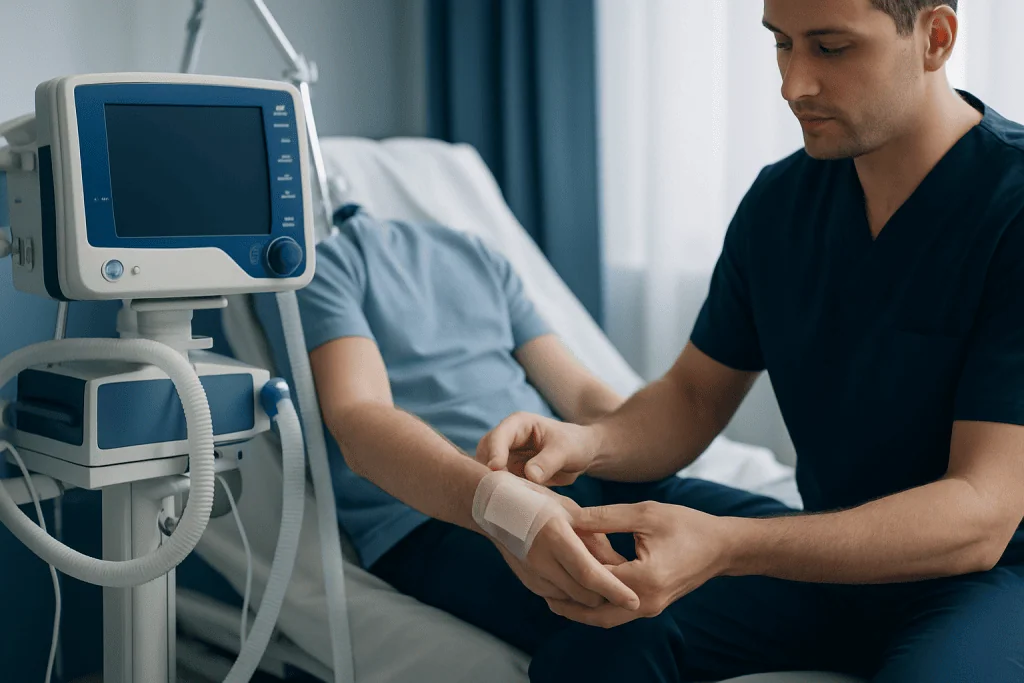
The most important rule is to follow the specific advice given for your wound type. Some dressings should stay in place for a set number of days, while others need changing sooner if they become wet, loose, or soiled. Do not remove tapes, strips, drains, or special coverings early unless your team has told you to do so.
Before touching the area, wash your hands well with soap and water and dry them with a clean towel or tissue. Set up a clean surface with the supplies you need so you are not searching halfway through a dressing change. If a nurse demonstrated the process before discharge, copy those steps as closely as possible.
In general, keep the wound clean and dry, avoid rubbing or scratching, and wear loose clothing that does not press on the site. If you have been told to clean the area, use only the recommended solution and avoid adding creams, powders, antiseptics, or herbal products unless they were specifically prescribed. Too many products can irritate healing skin and make the wound harder to assess.
- Check the dressing once or twice a day for leakage, odor, or lifting edges.
- Look at the skin around the wound for redness, swelling, or new bruising.
- Note any change in pain rather than focusing on one momentary twinge.
- Keep pets, dust, and unwashed hands away from the dressing area.
Showering, movement, and practical recovery tips

Many patients are unsure when it is safe to shower. The answer depends on your procedure, the dressing used, and whether you have drains or sutures. Some people can shower after a short period with the dressing protected, while others need to wait longer. If your instructions do not clearly say when and how to wash, ask your hospital team before getting the area wet.
Try to balance rest with gentle movement. Short walks around your room or hotel corridor can support circulation and help you feel less stiff, but overdoing activity too soon may increase swelling, discomfort, or bleeding. Avoid stretching, lifting, bending, or sleeping positions that put tension on the wound if you were told to limit those movements.
It also helps to build a simple routine around meals, hydration, medicines, and wound checks. Good lighting makes wound inspection easier, and taking a daily photo can help you notice real changes rather than relying on memory. If you are recovering away from home, ask a companion to help you watch for signs that may be difficult to see yourself, especially on the back, scalp, or lower body.
What is normal healing and what is not
Some mild symptoms are common during early healing. A small amount of tenderness, light swelling, itching as the skin repairs, and faint pinkness close to the incision can be expected. A few spots of old blood on a dressing may also happen, especially after movement, as long as the amount does not continue to increase.
What matters most is the direction of change. Normal healing usually means pain gradually settles, swelling stabilizes or improves, and the wound stays closed, clean, and dry. Concerning changes include symptoms that become more intense, spread outward, or suddenly appear after a period of stability.
Watch carefully for increasing redness, warmth, thick yellow or green discharge, a bad smell, opening of the wound edges, new swelling, persistent bleeding, or pain that is worsening instead of easing. Fever, chills, shortness of breath, chest pain, confusion, or severe weakness are not routine recovery symptoms and should never be ignored. If you are uncertain, it is safer to contact your team early and describe exactly what you are seeing.
Medicines, photos, and when to contact your care team
Take your medicines exactly as prescribed, including pain relief, antibiotics if given, and any medication you were told to restart or pause. Do not stop an antibiotic early because you feel better, and do not add over-the-counter medicines or supplements without checking first, especially if there is a risk of bleeding or drug interactions. If pain relief is not working well enough for you to move, sleep, and eat reasonably, let your team know.
Keeping a short recovery log can be very useful. Write down your temperature if you have been advised to check it, your pain level, when you changed the dressing, what the wound looked like, and any new symptoms. If you have permission to share photos, take clear pictures in the same lighting each day and include the date. This can help your surgeon’s team assess whether a change is significant.
Acibadem International patients are often supported by international patient coordinators who can help you route concerns to the right team and arrange language support if needed. If you are told to send a message or photo, include practical details: when symptoms began, whether they are getting worse, whether you have a fever, and whether the dressing is soaked, loose, or has any odor. Clear information can speed up safe advice.
Travel plans, follow-up, and emergencies
If you are planning to fly or travel onward shortly after discharge, stick closely to the timeline your doctor recommended. Long travel days can make swelling, discomfort, and fatigue more noticeable, and some procedures require a review before you are cleared to fly. Make sure you know whether your dressing needs changing before departure and keep supplies in your hand luggage rather than checked baggage.
Before leaving Istanbul or Turkey, confirm your follow-up plan. You should know who to contact during office hours, who to contact after hours, and what to do if a problem happens when you are already back in your home country. Ask for copies of your discharge summary, medication list, imaging or test results if relevant, and any wound care instructions in a format you can share with your local doctor.
Seek urgent medical help immediately if you have severe bleeding, difficulty breathing, chest pain, fainting, rapidly spreading redness, high fever, significant wound opening, or signs of a serious allergic reaction. JCI-accredited hospital systems such as Acibadem International are structured around clear escalation pathways, but if you cannot reach your team quickly and symptoms are severe, go to the nearest emergency service without delay.
Step by step
- Read your discharge instructions before you leave. Take a few quiet minutes to go through the paperwork and ask about anything that is vague, including showering, dressing changes, medicines, and follow-up timing. It is much easier to clarify these details in the hospital than later when you are tired or worried.
- Set up a clean recovery space. Keep your dressings, prescribed medicines, thermometer, water, and contact numbers together in one place. This helps you avoid unnecessary movement and reduces the chance of missing a dose or using supplies in a rush.
- Check the wound at the same time each day. Use good light and look for changes in redness, swelling, discharge, smell, or wound opening. A regular check helps you notice patterns and communicate more clearly with your care team if you need advice.
- Change or protect the dressing exactly as instructed. Do not improvise with creams, tapes, or home remedies unless your doctor told you to use them. If the dressing becomes soaked, dirty, or loose, contact your team if you are unsure whether it should be changed immediately.
- Take medicines on schedule. Set alarms for pain relief, antibiotics, or other medicines so you do not fall behind, especially during the first days. Consistent timing often makes recovery smoother and helps you distinguish expected discomfort from a new problem.
- Know your red flags in advance. Write down the main warning signs, such as fever, worsening pain, spreading redness, pus, bad smell, heavy bleeding, or shortness of breath. When you already know what matters, you are more likely to act early and appropriately.
- Confirm follow-up and travel plans. Before your departure from Turkey, make sure you know when your next review is and whether you are fit to travel. Save the international patient support number and keep your medical documents accessible in case a local doctor needs them later.
Your checklist
- Discharge summary and wound care instructions saved on your phone and printed
- Prescribed medicines collected and dosing schedule understood
- Enough dressing supplies for your stay and journey home
- Thermometer available to check for fever if advised
- Emergency and after-hours contact numbers stored
- Comfortable loose clothing that will not rub the wound
- Daily photo or symptom log started
- Travel clearance and follow-up appointment confirmed
Key takeaways
- Follow your own discharge instructions first, because dressing and shower rules vary by procedure.
- Normal healing usually improves gradually; worsening pain, redness, discharge, or fever needs attention.
- Keep the wound clean, dry, and protected, and avoid adding unapproved products.
- Use a simple daily routine with medicines, wound checks, hydration, and gentle movement.
- If severe symptoms develop, seek urgent medical help rather than waiting for a routine reply.
Frequently asked questions
How often should I change my dressing after discharge in Turkey?
There is no one schedule that fits every wound. Some dressings are designed to stay on for several days, while others need more frequent attention. Follow the exact advice in your discharge plan, and if the dressing becomes wet, dirty, loose, or heavily stained, contact your care team for guidance.
Can I shower with my wound dressing on?
Possibly, but only if your surgeon or nurse said it is safe. Some dressings are water resistant, while others must stay completely dry, especially if you have drains, staples, or a fresh incision. If your instructions are unclear, ask before showering rather than risking a soaked dressing.
What does a normal healing wound look like?
A healing wound often has mild tenderness, light swelling, and a faint pink line close to the incision. The key sign is gradual improvement over time. If redness spreads, the area becomes hotter, pain increases, or discharge develops, that is less typical and should be checked.
When should I worry about redness or discharge?
Small, stable pinkness near the wound can be part of normal healing, but increasing redness that spreads outward is more concerning. Thick yellow, green, or foul-smelling discharge should also be reported promptly. If you also have fever or feel unwell, seek medical advice urgently.
Who should I contact if I am staying in Istanbul and something changes?
Start with the contact route given on your discharge papers, which may be your surgeon's office, ward, or international patient coordinator. If you are being supported by Acibadem International, the patient services team can help direct your concern and arrange language support. For severe symptoms such as heavy bleeding, chest pain, breathing trouble, or fainting, go straight to emergency care.
Is it helpful to send wound photos to my care team?
Yes, if your team has invited you to do so. Clear photos taken in good light and from a consistent distance can help them compare changes over time. Include the date, when symptoms started, and whether you have pain, fever, odor, or leakage so the image is matched with useful context.
Can I fly home soon after surgery if my wound seems fine?
Travel timing depends on the procedure, your overall condition, and your doctor's recommendation, not only on how the wound looks. Some patients need a review before flying or specific precautions during travel. Always confirm fitness to travel and keep medicines, dressings, and your discharge papers in your hand luggage.
Add us as a Preferred Source to see more of our trusted health content across Google Search, AI Overviews and Discover.
More Patient Guides

When Can You Wear a Hat After a Hair Transplant?
You can usually wear a loose, clean hat after a hair transplant once your surgeon confirms grafts are protected—often around days 7–14.
8 min read
Flying After Knee or Hip Replacement Surgery
Flying after knee or hip replacement surgery is usually delayed until your surgeon confirms you can travel safely; plan mobility, clot prevention…
8 min read
Open vs Closed Rhinoplasty Recovery: Differences Explained
Open vs closed rhinoplasty recovery is usually similar overall, but open surgery may cause longer tip swelling. Learn timelines, travel and aftercare…
9 min read