

Pre-Op Tests in Turkey: Which Results Are Valid and When to Repeat Them

Pre-op tests in Turkey are often accepted if recent, complete, and matched to your surgery, but some must be repeated after travel, symptoms, or time limits.
If you are traveling for treatment, it is normal to wonder whether tests done at home will still be accepted in Turkey. In most cases, results can be used if they are recent, clearly documented, and appropriate for your planned procedure, but some tests may need repeating for safety or hospital policy.
At a glance
- Best for: International patients bringing test results from home
- Main question: Whether your existing pre-op tests will be accepted in Turkey
- Common rule: Recent, readable, relevant results are more likely to be valid
- Repeat triggers: Expired timing, new symptoms, incomplete reports, or surgeon/anesthesiologist request
- Helpful to bring: Lab reports, imaging discs, medication list, passport, and translated summaries
What “valid” pre-op tests usually means
When your care team asks whether your pre-op tests are valid, they usually mean four things: the test is recent enough, it matches the treatment you are having, the report is complete and readable, and the result still reflects your current health status. A blood test from several months ago may be fine for one purpose but not for another. An imaging scan may still be useful for planning, while a same-day safety check such as a pregnancy test or blood sugar reading may need to be repeated closer to the procedure.
For international patients, there is also a practical side to validity. Your hospital in Turkey needs to confirm that the report belongs to you, includes the date, shows the laboratory or imaging center details, and is understandable to the treating team. If pages are missing, names do not match your passport, or the values are hard to interpret because of language or formatting, the team may ask for repeat testing even if the test itself was done recently.
It is also important to know that acceptance is not based only on the age of a result. Your surgeon, anesthesiologist, and other specialists may make the final decision based on your diagnosis, age, medical history, medications, and the complexity of your operation. At Acibadem International, the international patient services team can help you send your reports in advance so the medical team can advise you before you travel.
Which results are often accepted from your home country
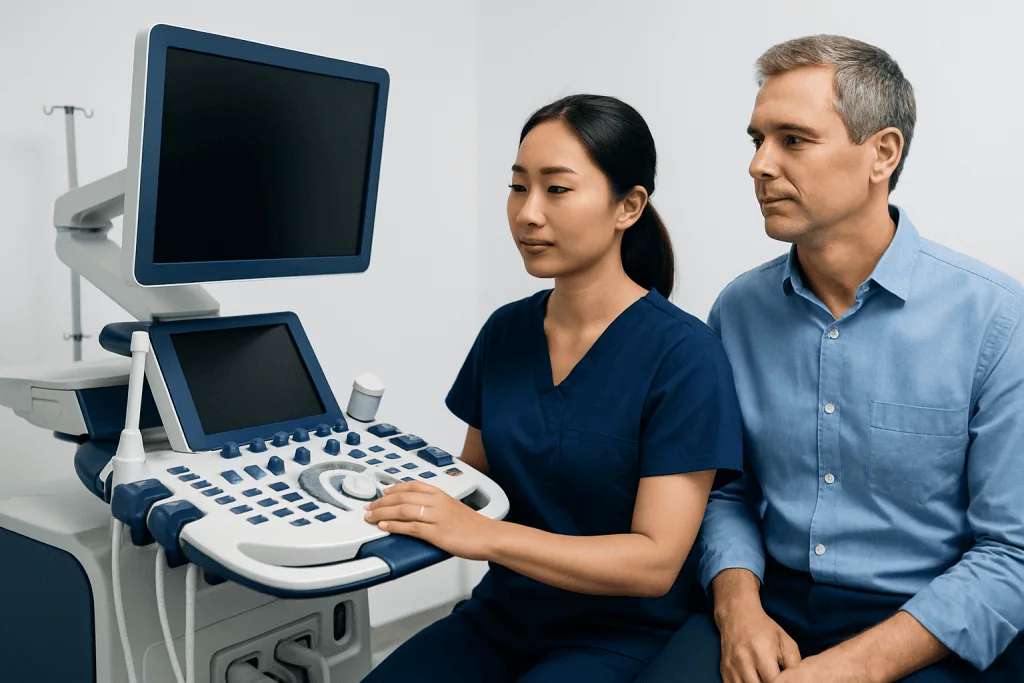
Many tests done before travel can still be useful in Turkey, especially if they are recent and relevant to your planned surgery. Common examples include routine blood work, urine tests, ECGs, chest imaging, specialist clearance letters, and imaging such as MRI, CT, ultrasound, mammography, or X-rays. These often help your doctors understand your baseline condition, confirm diagnosis, and reduce unnecessary duplication.
That said, not every accepted test replaces local testing. A scan from home may be perfectly useful for surgical planning, while a local repeat blood test may still be requested before anesthesia. The reason is simple: some results need to reflect your very current condition, especially if dehydration, infection, medication changes, or travel stress could affect safety.
To improve the chance that your home-country results will be accepted, bring the full report, not just a one-line summary. For imaging, keep both the written radiology report and the original files or disc if you have them. If your reports are not in English, ask if a translation is needed before travel; this can save time on arrival.
- Lab results with your full name and date of birth
- Report dates clearly shown
- Reference ranges included for blood tests
- Imaging report plus disc, USB, or secure digital access
- Doctor letters listing diagnosis, medications, and past operations
When tests are commonly repeated after you arrive

Even when you bring excellent records, some tests are commonly repeated after arrival in Turkey. This is especially true for tests linked to anesthesia clearance, infection screening, blood clotting, kidney function, blood group confirmation, or any result that may change quickly. Hospitals may also repeat tests if there has been a long flight, a gap of several weeks since the original test, or if you developed new symptoms such as fever, cough, chest pain, or urinary complaints.
Repeat testing is not necessarily a sign that something is wrong. It is often a routine patient-safety step and may be required by hospital policy, the anesthesiology team, or the specific surgical department. If your operation is major, involves implants, or requires admission, the threshold for confirming current results may be lower than it is for a short day-case procedure.
You should also expect repeat testing if the original report is incomplete, if a result is borderline, or if the values do not fit with your current symptoms. For example, if you had normal blood counts three weeks ago but now feel unwell or have ongoing bleeding, your team may want a fresh test. At JCI-accredited hospitals such as Acibadem International facilities, repeat checks may be built into pre-admission workflows to support safe, standardized care.
How timing usually works before surgery
There is no single universal validity period for all pre-op tests. Different tests have different practical lifespans, and each hospital or doctor may apply different cutoffs depending on your procedure. In general, tests that reflect long-term structure, such as some imaging studies, may remain helpful for longer than tests that reflect short-term body changes, such as blood counts, electrolytes, glucose, or infection markers.
A good way to think about timing is in layers. First, older records can still help with diagnosis and planning. Second, moderately recent tests may be acceptable for administrative review before you travel. Third, very recent tests may still be required shortly before surgery to make sure anesthesia and the procedure can go ahead safely. This is why you may hear that your MRI is acceptable but your blood tests need updating.
If your procedure date changes, ask whether your existing results will still be within the acceptable window. A delay of even a week or two can matter for some tests. The safest approach is to send all available records early, confirm which ones are likely to be accepted, and ask which tests are expected to be repeated in Istanbul so you can plan your arrival day without stress.
What to send before travel and what to bring with you
The easiest way to avoid last-minute surprises is to share your medical file before you fly. Send clear scans or PDFs of all test reports, a short medical history, your medication list, allergy information, and details of any chronic conditions. Include the planned procedure if known, and mention recent infections, pregnancy, pacemakers, contrast allergies, bleeding disorders, or blood thinner use, as these can affect which tests need repeating.
When you travel, keep both digital and printed copies of your key records. Airports, phones, and internet access are not always predictable, and having a paper backup can save time during admission. Make sure the name on your reports matches your passport. If there are differences in surname spelling, let the coordinator know in advance.
Acibadem International patient coordinators can help organize records, check whether translations may be needed, and guide you on practical items such as timing of blood tests on arrival, interpreter support, and accommodation planning if your pre-op workup is scheduled the day before surgery. That kind of logistical planning can make the whole process feel much more manageable.
Questions to ask your coordinator or surgeon before you book
Before confirming flights, ask very direct questions about pre-op testing. You want to know not only which tests are needed, but also which of your existing results are likely to be accepted and which are routinely repeated on arrival. This helps you budget time, avoid fasting confusion, and understand whether you should arrive one or two days earlier than planned.
It is also worth asking who makes the final decision. In many cases, a coordinator can give you general guidance, but the surgeon, anesthesiologist, or relevant specialist may confirm the final pre-op list after reviewing your records. This is especially important if you have heart or lung disease, diabetes, kidney disease, a history of blood clots, or you are taking anticoagulants.
Useful questions include:
- Which of my current results are likely to be accepted?
- Which tests are always repeated at your hospital before my type of procedure?
- Do you need original imaging files or is the written report enough?
- Should I arrive a day early for tests or specialist clearance?
- Do any medications need adjusting before blood tests or surgery?
- Will I need translated reports, and can your team help arrange this?
How to prepare if a repeat test changes your schedule
Most repeat tests are straightforward, but they can affect the timing of your treatment. Occasionally, a fresh result shows that you need an extra consultation, medication adjustment, or a short postponement to make surgery safer. This can feel disappointing after international travel, but it is much better to identify a problem before a procedure than during or after it.
Build a little flexibility into your trip if possible. If your operation is major or your medical history is complex, it may be wise to arrive with enough time for testing and review rather than planning surgery immediately after landing. This is particularly helpful if you may need cardiology, chest medicine, endocrinology, or anesthesia review before final clearance.
Try to see repeat testing as part of safe coordination, not duplication for its own sake. Multidisciplinary teams at Acibadem International hospitals often review incoming records together, and if a repeat test is advised, you can ask exactly why it is needed, whether it is routine, and how it may affect your timetable. Clear explanations usually make the process much less stressful.
Step by step
- Gather your recent medical records. Collect all relevant reports before contacting the hospital, including blood tests, urine tests, ECGs, imaging reports, and specialist letters. If you have scans, keep the original files or disc as well as the written report.
- Send everything for advance review. Share your records with the international patient team as early as possible. This gives the surgeon and anesthesiologist time to assess which results may be accepted and which ones may need repeating after arrival.
- Confirm likely validity by test type. Ask specifically about timing, not just whether your results are 'okay.' A scan may still be useful for planning while blood work, clotting tests, or infection screening may need to be repeated closer to surgery.
- Check for factors that trigger repeat testing. Tell the team about any new symptoms, medication changes, recent infections, pregnancy, allergies, or chronic conditions. These details can change the pre-op plan even if your previous test results looked normal.
- Plan your arrival around pre-op logistics. If repeat tests are likely, arrive with enough time for sampling, consultations, and result review. This is especially important for major procedures or if you may need clearance from more than one specialist.
- Bring organized copies on travel day. Carry printed and digital copies of key documents in your hand luggage. Include your passport, test reports, imaging, medication list, and contact details for your coordinator.
- Ask for a clear final checklist before admission. Before your hospital visit, confirm fasting instructions, medication rules, and whether any repeat tests are booked. Knowing the order of the day helps you avoid delays and makes admission smoother.
Your checklist
- Passport and matching ID details on all reports
- Recent lab results with dates and reference ranges
- ECG and any heart or lung clearance letters if applicable
- Imaging report plus CD, USB, or online image access
- Current medication list, including blood thinners and insulin
- Allergy list, including contrast dye or latex if relevant
- Brief summary of past surgeries and chronic conditions
- Printed and digital copies of all important records
Key takeaways
- Pre-op results from home are often useful if they are recent, complete, and clearly linked to you.
- Some tests, especially blood work and anesthesia-related checks, are commonly repeated after arrival in Turkey.
- Imaging may stay useful longer than fast-changing lab results, but final acceptance depends on your procedure and current health.
- Send records in advance and ask direct questions about timing, translations, and routine repeat tests.
- Arriving with a little extra time can reduce stress if additional testing or specialist clearance is needed.
Frequently asked questions
Will my pre-op blood tests from my home country be accepted in Turkey?
Possibly, if they are recent, clearly documented, and relevant to your procedure. However, blood tests are among the most commonly repeated results because they can change quickly and may be needed close to the date of anesthesia.
Do I need to repeat imaging such as MRI or CT after I arrive?
Not always. Imaging done at home is often very useful for diagnosis and planning, especially if the report and original image files are available, but your doctor may still request a repeat scan if the images are outdated, incomplete, poor quality, or do not answer the current surgical question.
How recent do my pre-op tests need to be?
There is no one rule for every test or every surgery. Some results are acceptable for longer, while others need to be very recent, so the safest approach is to send your reports early and ask the team which timing windows apply to your case.
Why would a hospital repeat tests that were normal a few weeks ago?
Because normal results can change, especially after travel, illness, dehydration, medication adjustments, or simply the passage of time. Repeat testing helps confirm that it is still safe to proceed on the planned day.
What if my reports are not in English?
You should ask in advance whether translation is needed. In many cases, translated summaries or key reports are enough, and international patient services can advise you on what is most helpful for review and admission.
Who decides whether my results are valid?
Usually the final decision is made by the treating doctor and, where relevant, the anesthesiologist or another specialist. A coordinator can guide you on common practice, but medical acceptance depends on your procedure, history, and current condition.
Should I arrive in Istanbul a day early for pre-op tests?
That is often a sensible plan, especially for major surgery, complex medical history, or if repeat testing is likely. Arriving earlier gives time for blood work, imaging if needed, specialist consultations, and any last-minute changes without unnecessary pressure.
Add us as a Preferred Source to see more of our trusted health content across Google Search, AI Overviews and Discover.
More Patient Guides

At Acibadem, How to Prepare for Blood Tests, Scans, and Pre-Op Checks
Blood tests, scans, and pre-op checks at Acibadem in Turkey help confirm you are ready for treatment and avoid delays on the…
8 min read
Medical Test Results in Turkey: How to Understand the Next Step in Your Plan
Medical test results in Turkey usually lead to a clear next-step plan: review findings, confirm urgency, ask for copies, and arrange follow-up…
8 min read
Blood Tests and Scans Before Treatment in Turkey: Why They May Be Repeated
Blood tests and scans before treatment in Turkey may be repeated to confirm safety, compare methods, and meet hospital standards before your…
9 min read