

Medical Travel to Turkey During Ramadan: What Patients Should Plan Ahead

Medical travel to Turkey during Ramadan is manageable with early planning for appointments, meals, medicines, transport, and rest in Istanbul.
If you are traveling to Turkey for treatment during Ramadan, a little extra planning can make your trip smoother and less tiring. The key is to think ahead about appointment timing, meals, medicines, transport, companions, and how the daily rhythm in Turkey may affect your comfort.
At a glance
- Best time to plan: At least 2-4 weeks ahead, or earlier for complex care
- Main things to arrange: Appointment times, meals, medicines, airport transfers, and lodging
- If you are fasting: Tell your care team early so schedules can be discussed safely
- What may change in Ramadan: Traffic patterns, meal hours, and evening activity levels
- Helpful support: Interpreter, international patient coordinator, and companion planning
What changes during Ramadan for medical travelers
Medical travel to Turkey during Ramadan is usually very possible, but the day-to-day rhythm can feel different from other times of year. Many people fast from dawn to sunset, some restaurants adjust their daytime service, roads may become busier before sunset, and evenings can be more active than usual. If you know this in advance, you can shape your itinerary around it rather than feeling caught off guard.
For you as a patient, the biggest practical issue is not whether care continues, but how your comfort and timing are managed. Clinics and hospitals continue to operate, but your own energy, eating schedule, hydration, sleep, and transport timing may need more attention. This is especially important if you are arriving from another country, adjusting to jet lag, or attending several tests and consultations in a short period.
If you are receiving care through a large international center such as Acibadem International, ask your coordinator early how Ramadan may affect your appointment flow, meal arrangements, and transport timing. Their international patient services can often help you plan interpreters, airport pickups, and accommodation choices that fit the pace of your treatment days.
How to schedule appointments, tests, and treatment days

The best approach is to build a realistic schedule instead of trying to fit too much into one day. During Ramadan, you may feel more comfortable with morning appointments if you prefer quieter travel and a more structured daytime routine. Others may prefer later slots, especially if they are not fasting and want extra time to eat breakfast, rest after travel, or recover from a late night.
If you are fasting, tell your hospital team before anything is booked. Some scans, blood tests, procedures, or medicines may have timing requirements, and your doctors may advise you not to fast around certain parts of your treatment. This is a medical and safety discussion, not just a cultural one, so it is worth raising early and clearly.
Try to leave buffer time between consultations, imaging, and any hospital admissions. Traffic may increase close to iftar, the evening meal when the daily fast ends, so a journey that looks short on a map can take longer in practice. If your care plan is at a JCI-accredited hospital like those within Acibadem International, your coordinator can help group visits sensibly and reduce avoidable waiting or repeated travel.
- Ask for a written itinerary with exact locations and estimated travel times.
- Check whether any tests require fasting, hydration changes, or a companion.
- Avoid scheduling airport arrival and major medical appointments too close together.
Meals, fasting, hydration, and medication planning

Food and drink planning matters more during Ramadan than many patients expect. If you are not fasting, you can still find what you need, but restaurant hours and hotel dining patterns may be different. Confirm in advance whether your hotel offers daytime meals, early breakfast, room service, or packed food for long hospital days. Keeping simple snacks and bottled water with you can be very helpful, especially if you have a long transfer or delayed appointment.
If you are fasting, do not make assumptions about what is safe during treatment. Depending on your condition, procedure, or medication schedule, fasting may not be advisable for part or all of your trip. You should ask your treating physician for individual guidance, especially if you have diabetes, are recovering from surgery, need regular pain relief, or must take medicines at set times.
Bring an up-to-date medication list, including doses, timing, and any medicines you take only as needed. If your normal routine is changing because of fasting or travel, your doctor may want to review it. Acibadem International teams often support international patients with practical coordination, but you should still carry your own essentials in your hand luggage and not rely on last-minute pharmacy visits.
Transport, hotels, companions, and daily comfort
Your comfort during Ramadan will depend a lot on logistics outside the hospital. If possible, choose accommodation with easy access to your treatment site, reliable breakfast options, and quiet rooms where you can rest between appointments. Staying closer to the hospital can reduce stress, particularly if you have mobility concerns, multiple visits, or treatment-related fatigue.
Road traffic in Istanbul and other large cities can change noticeably before sunset and in the evening. If you are traveling on the same day as an important test or admission, leave earlier than you think you need to. This is one reason many international patients prefer pre-arranged transfers rather than relying on unfamiliar local transport while tired or anxious.
If a family member or friend is traveling with you, give them a clear support role. They can help with documents, timing, meals, and communication, especially when you are tired. At Acibadem International, interpreter support and international patient services can also help bridge practical gaps, which is particularly reassuring if you do not speak Turkish or if your companion cannot attend every discussion.
- Confirm airport pickup details before departure.
- Save your hospital address in both English and Turkish if available.
- Keep a power bank, charger, and offline maps with you.
- Plan where your companion will wait during longer appointments or admissions.
Cultural awareness without added pressure
Many patients worry about whether they might unintentionally be disrespectful during Ramadan. In practice, a little awareness goes a long way. You do not need to be an expert, but it helps to know that some people around you may be fasting, prayer times may shape the day, and public spaces may feel quieter before sunset and livelier afterward.
If you are not fasting, be discreet and practical rather than anxious. Hospitals are used to caring for people with different needs, backgrounds, and medical requirements. Your main responsibility is to follow your care plan safely, stay nourished and hydrated as advised, and respect local customs in a simple, considerate way.
If you are fasting for religious reasons, be open with your care team about what matters to you. This gives them the best chance to support you respectfully while keeping treatment safe. Good communication usually prevents awkward situations and helps everyone work around prayer, meals, rest, and medication timing in a calm, organized way.
How to prepare your documents and communication plan
Ramadan travel goes more smoothly when your paperwork and communication are organized before you fly. Keep your passport, visa information if needed, insurance documents, medical records, imaging reports, prescriptions, and emergency contacts in one easy-to-reach folder. It is useful to have both digital copies and printed copies, especially if your phone battery runs low while moving between airport, hotel, and hospital.
Send your records in advance whenever possible so the medical team can review them before you arrive. This is particularly helpful if your treatment plan may need careful timing around fasting, medicines, or recent test results. If you have questions about what to bring, an international patient coordinator can usually provide a checklist tailored to your visit.
Communication is not only about language; it is also about knowing who to contact at each step. Save the numbers for your coordinator, hospital, driver or transfer service, hotel, and companion. If you are attending Acibadem International, ask for one clear point of contact for travel-day questions, as that can make late arrivals, schedule changes, or small practical issues much easier to handle.
When to ask for extra help
You should ask for extra support early if you have a complex medical condition, reduced mobility, dietary restrictions, anxiety about travel, or a treatment plan involving multiple same-week appointments. Ramadan does not create medical risk by itself, but it can make a tightly planned trip feel more tiring if no one has helped you think through the details.
It is also wise to ask for help if you are traveling alone. Even a relatively straightforward medical visit can involve forms, navigation, waiting periods, and unexpected schedule adjustments. Having hospital-based support, interpreter access, or a trusted companion can make a major difference to how confident and calm you feel.
Acibadem International is often chosen by international patients because its hospitals combine specialist care with practical support services such as interpreters and travel coordination. That does not remove the need for your own preparation, but it can reduce the burden of managing every detail alone during a busy period like Ramadan.
Step by step
- Share your travel dates and medical needs early. As soon as you know your intended treatment window, send your likely arrival date, departure date, and main medical concern to your hospital or coordinator. This gives the team time to shape appointments around your energy levels, test requirements, and any Ramadan-related preferences.
- Discuss fasting before appointments are finalized. If you plan to fast, say so clearly before tests, consultations, or procedures are booked. Your doctors can then explain whether fasting is safe, whether medicines need adjustment, and whether any part of your schedule should be moved.
- Build in extra time for transport and rest. Do not schedule your airport landing, major consultation, and hotel check-in too tightly on the same day. Leave space for traffic, fatigue, prayer-time slowdowns, and the possibility that you may simply need a quiet break.
- Confirm food, water, and hotel arrangements. Check in advance how and when you will access meals, especially on long test days or if you arrive late. If you have dietary restrictions, are recovering from treatment, or need regular snacks, make those needs explicit before you travel.
- Prepare your medicines and documents in hand luggage. Keep essential medicines, prescriptions, and your key medical papers with you rather than in checked bags. That way, if there is a delay or lost luggage, you still have what you need for the first day or two.
- Use one main contact person for logistics. Choose one coordinator, companion, or family member to keep track of timing, drivers, addresses, and updates. This reduces confusion and helps you focus on your health rather than repeating details to multiple people.
- Plan a lighter first day if possible. If your travel involves a long flight or time-zone change, try to keep the first day simple. A lighter arrival day can help you settle in, eat, hydrate, pray if needed, and attend the next day's appointments feeling more comfortable.
Your checklist
- Passport, travel documents, and copies of your itinerary
- Medical reports, scans, prescriptions, and medication list
- Enough regular medicines for the trip plus a small buffer
- Hospital and coordinator contact numbers saved on your phone
- Hotel confirmation with meal options checked in advance
- Airport transfer or route to hospital arranged before arrival
- Comfort items for long days: water bottle, snacks, charger, light scarf or layer
- Clear plan for fasting, prayer, and medication timing discussed with your doctor
Key takeaways
- Medical travel to Turkey during Ramadan is usually very manageable with early planning.
- Tell your care team in advance if you plan to fast, especially if tests, procedures, or regular medicines are involved.
- Pay close attention to meal access, hydration, transport timing, and rest between appointments.
- Use hospital coordinators, interpreters, and companion support to reduce stress and avoid confusion.
- Build buffer time into your itinerary, particularly around sunset and on travel days.
Frequently asked questions
Can I travel to Turkey for treatment during Ramadan?
Yes, many patients travel to Turkey for treatment during Ramadan without major problems. The main difference is that you should plan more carefully around meal times, traffic patterns, your energy level, and any fasting-related needs.
Will hospitals and clinics still operate normally during Ramadan?
Hospitals and clinics continue to provide care during Ramadan. However, your personal comfort and the pace of travel outside the hospital may be affected, so it is sensible to confirm appointment timing, transfer plans, and practical support in advance.
What if I want to fast during my treatment trip?
Tell your treating team as early as possible. Depending on your condition, medicines, procedure, or recovery stage, fasting may or may not be safe, and only your doctor can advise you properly for your situation.
Are restaurants and hotels open during the day in Ramadan?
Many are, but service patterns can vary by location and property. It is best to ask your hotel specifically about breakfast hours, daytime dining, room service, and whether they can provide food for long hospital days.
Should I avoid evening appointments in Istanbul during Ramadan?
Not necessarily, but you should consider transport timing carefully. Roads may become busier before iftar, and evenings can be more active, so a later appointment may still work well if your transfer is arranged and you are comfortable with the schedule.
Is it disrespectful to eat or drink if I am not fasting?
In a medical setting, your health needs come first, especially if you need food, water, or medication. You can simply be discreet and respectful in public while following your doctor's advice and your own care plan.
How can Acibadem International help during a Ramadan trip?
Acibadem International can help by coordinating appointments, providing interpreter support, and assisting with practical arrangements such as transfers and accommodation guidance. For international patients, this can make the trip feel more organized and less stressful during a busier seasonal period.
Add us as a Preferred Source to see more of our trusted health content across Google Search, AI Overviews and Discover.
More Patient Guides

How to Sleep Better in Turkey Before and After Treatment
Sleep better in Turkey before and after treatment with simple tips on timing, room comfort, routines and recovery planning in Istanbul.
9 min read
How to Plan Meals Around Surgery and Recovery in Turkey
Plan meals around surgery and recovery in Turkey with simple timing, hydration, shopping, and hotel tips for a smoother treatment trip.
9 min read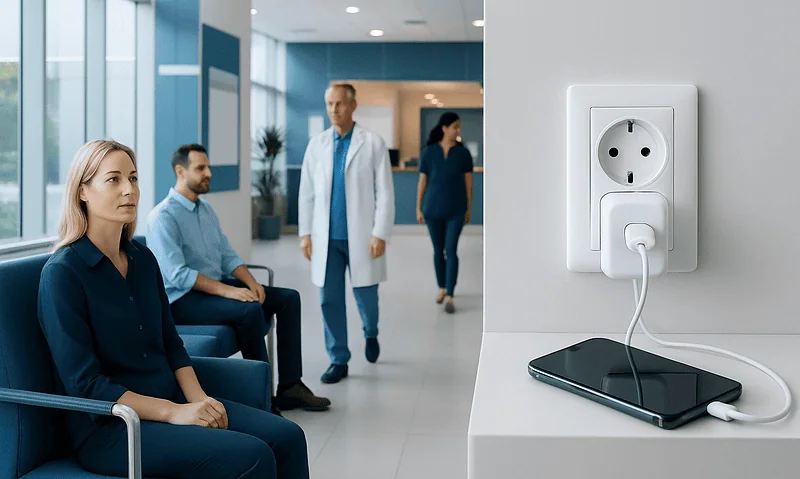
Medical Power Adapters and Device Charging in Turkey: Patient Guide
Medical power adapters and device charging in Turkey usually require Type C or F plugs and 220–240V power. Bring the right adapter…
8 min read