Degenerative Disease vs Neurological Disease: What Is the Difference?

Neurological disease is a broad category that includes many disorders of the brain, spinal cord, and nerves. Degenerative disease usually refers to progressive wear, breakdown, or loss of function in tissues over time.
Key Takeaways
- Neurological disease is a broad category that includes many disorders of the brain, spinal cord, and nerves.
- Degenerative disease usually refers to progressive wear, breakdown, or loss of function in tissues over time.
- Many neurodegenerative diseases are neurological diseases, but not all neurological diseases are degenerative.
- Examples of neurodegenerative conditions include Parkinson’s disease, Alzheimer’s disease, and ALS.
- Diagnosis often involves a medical history, neurological examination, imaging, and sometimes genetic or laboratory tests.
- Treatment focuses on the underlying cause when possible, symptom relief, rehabilitation, and long-term support.
Degenerative disease and neurological disease are related terms, but they are not interchangeable. A neurological disease is any disorder affecting the brain, spinal cord, or nerves, while a degenerative disease usually describes a condition that gradually worsens because nerve cells or other tissues deteriorate over time.
Overview: How the Terms Differ
The phrase degenerative disease vs neurological disease can be confusing because the two terms overlap. A neurological disease is any condition that affects the nervous system, including the brain, spinal cord, and peripheral nerves. This category is very broad and includes conditions caused by injury, infection, autoimmune disease, blood vessel problems, tumors, genetics, or degeneration.
A degenerative disease describes a condition in which cells, tissues, or organs gradually lose structure or function over time. Degeneration can happen in different parts of the body, such as the joints, spine, retina, or nervous system. When degeneration affects the brain or nerves, the condition is called a neurodegenerative disease.
In simple terms, all neurodegenerative diseases are neurological diseases, but not all neurological diseases are degenerative. For example, epilepsy, meningitis, and stroke are neurological conditions, yet they are not usually classified as degenerative diseases. By contrast, disorders such as Parkinson’s disease or Alzheimer’s disease involve progressive nerve cell loss and are considered neurodegenerative.
What Counts as a Neurological Disease?
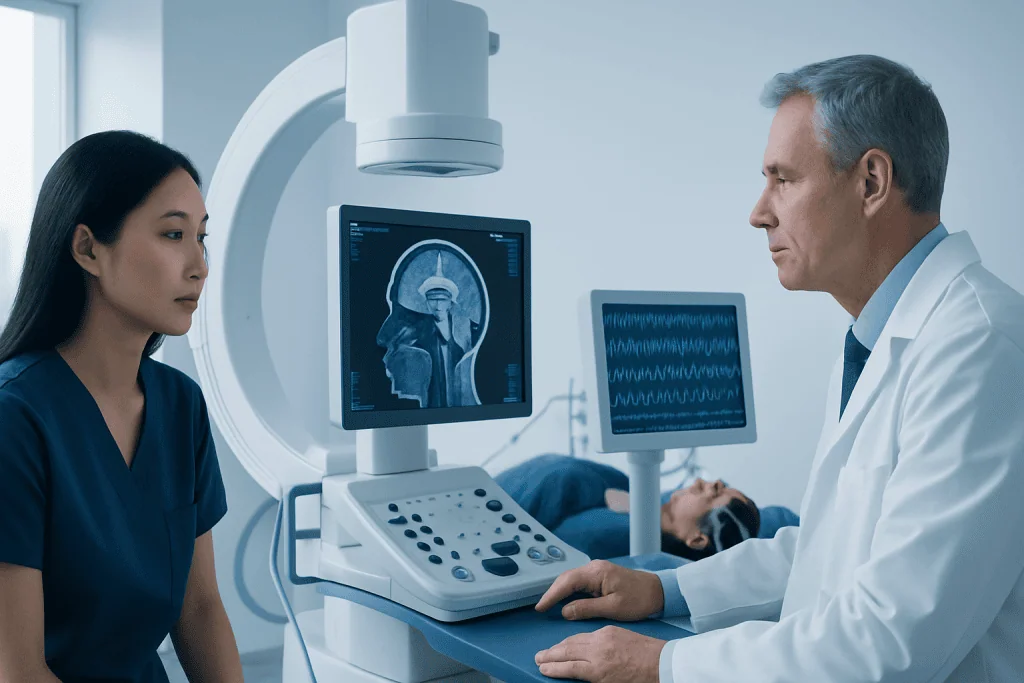
Neurological diseases include a wide range of disorders affecting how the nervous system works. Some mainly affect movement, some affect memory or thinking, and others cause pain, weakness, numbness, seizures, balance problems, or changes in speech and vision. The symptoms depend on which part of the nervous system is involved.
Examples of neurological diseases include:
- Stroke
- Epilepsy
- Multiple sclerosis
- Migraine and other headache disorders
- Peripheral neuropathy
- Brain and spinal cord tumors
- Infections such as encephalitis or meningitis
- Neurodegenerative conditions such as Alzheimer’s disease and Parkinson’s disease
Because this category is so broad, neurological diseases can begin suddenly or develop slowly. Some are temporary and treatable, while others are chronic and require long-term care. The term itself does not tell a person whether the condition is progressive, reversible, inherited, or life-threatening.
What Is a Degenerative Disease?

A degenerative disease is a disorder in which tissues gradually break down or lose normal function. This process may affect the brain, nerves, bones, joints, muscles, or other organs. In medicine, the word “degenerative” usually suggests a gradual, ongoing change rather than a sudden event.
When doctors speak specifically about neurodegenerative diseases, they mean conditions in which nerve cells become damaged and progressively stop working as they should. Over time, this can affect memory, movement, speech, swallowing, mood, or independence. The rate of progression varies greatly from one disease to another and from person to person.
Examples of neurodegenerative disorders include Alzheimer’s disease, ALS, Huntington’s disease, and some forms of dementia. Some conditions are mainly linked to age, while others may have a stronger genetic component. Although many of these disorders cannot yet be cured, treatment can often help manage symptoms and improve quality of life.
Symptoms: When They Overlap and When They Do Not
Symptoms of neurological and degenerative diseases can overlap because both may involve the nervous system. Common neurological symptoms include headache, dizziness, numbness, tingling, weakness, tremor, seizures, balance problems, memory changes, and difficulty speaking or swallowing. However, not every symptom means degeneration is taking place.
Degenerative neurological diseases often share a pattern of gradual progression. A person may notice slowly worsening tremor, stiffness, memory loss, movement difficulty, or changes in behavior over months or years. In contrast, other neurological diseases may appear suddenly, such as stroke, or in episodes, such as multiple sclerosis flare-ups or seizures.
Symptoms that should be medically assessed include:
- Progressive memory decline or confusion
- New tremor, stiffness, or slowed movement
- Persistent weakness or loss of coordination
- Speech or swallowing changes
- Numbness or pain that continues or worsens
- Seizures, fainting, or sudden neurological changes
The timing of symptoms matters. A slow, progressive course may suggest degeneration, but only a qualified doctor can determine the cause. Different neurological disorders can look similar in the early stages, so proper assessment is important.
Causes and Risk Factors
The causes of neurological disease are diverse. They may include infections, immune system disorders, reduced blood flow, trauma, tumors, toxins, vitamin deficiencies, inherited conditions, and developmental disorders. Some causes are treatable if found early, which is one reason accurate diagnosis is so important.
Degenerative diseases of the nervous system are often linked to gradual changes in nerve cells, including abnormal protein buildup, cell dysfunction, inflammation, or genetic mutations. In many cases, there is no single clear cause. Instead, disease may result from a combination of age, genes, environmental exposures, and other biological factors.
Risk factors vary by condition but may include:
- Older age
- Family history of a neurological or degenerative disorder
- Certain genetic changes
- Cardiovascular risk factors such as high blood pressure or diabetes
- Head injury
- Exposure to toxins
- Smoking, poor sleep, or low physical activity
Having a risk factor does not mean someone will definitely develop disease. Likewise, a person can develop a neurological or degenerative condition without any obvious risk factors. A doctor looks at the whole clinical picture rather than one element alone.
How Doctors Diagnose These Conditions
Diagnosis begins with a detailed medical history and neurological examination. The doctor asks about symptoms, when they started, how quickly they are changing, family history, medications, and daily functioning. A physical and neurological exam can assess strength, reflexes, coordination, sensation, gait, memory, and speech.
Tests are chosen based on the suspected condition. These may include blood tests, brain or spine imaging such as MRI, nerve conduction studies, lumbar puncture, cognitive testing, or genetic testing. Imaging can help identify structural changes, inflammation, stroke, tumors, or patterns that support a degenerative diagnosis. In some situations, a person may be referred for neurological rehabilitation assessment to understand how symptoms affect daily life.
Because symptoms can overlap, diagnosis may take time. Some diseases are diagnosed mainly by excluding other causes, while others are identified through characteristic findings on exam or imaging. Follow-up visits can be important, especially when symptoms are evolving gradually and the pattern becomes clearer over time.
Treatment Options and Long-Term Management
Treatment depends on the exact diagnosis. Some neurological diseases can be treated by addressing the cause directly, such as infection, autoimmune inflammation, compression of nerves, or vitamin deficiency. Others require long-term symptom control, rehabilitation, and supportive care. A treatment plan may involve neurologists, physiatrists, physical therapists, speech therapists, psychologists, and other specialists.
For neurodegenerative diseases, treatment usually aims to slow symptom progression where possible, reduce complications, and support independence. This may include medicines for movement symptoms, memory problems, mood changes, sleep issues, pain, or muscle stiffness. Some patients benefit from therapies such as physical therapy and rehabilitation or speech and swallowing support.
In selected cases, advanced therapies may be considered. For example, some people with movement disorders may be evaluated for deep brain stimulation if symptoms are not adequately controlled with medication alone. Surgical and device-based approaches are only appropriate for certain diagnoses and should be discussed with a specialist.
Near the end of the care journey, or whenever symptoms affect daily activities, coordinated support becomes especially valuable. Acibadem International’s multidisciplinary specialists and JCI-accredited hospitals diagnose and treat neurological and neurodegenerative conditions for international patients, with care plans tailored to individual needs.
Prevention, Self-Care, and When to See a Doctor
Not all neurological or degenerative diseases can be prevented, especially those strongly influenced by genetics or aging. Still, healthy habits may support brain and nerve health and lower the risk of some related conditions. These include regular physical activity, good sleep, not smoking, managing blood pressure and blood sugar, eating a balanced diet, staying mentally and socially active, and protecting the head from injury.
Self-care is also important after diagnosis. Keeping follow-up appointments, taking medications as prescribed, using assistive devices when needed, and reporting new symptoms early can help maintain function and safety. Family and caregiver support often plays a major role, particularly for progressive conditions that affect mobility or cognition.
A person should seek medical advice if they notice persistent tremor, memory decline, repeated falls, numbness, weakness, balance problems, or changes in speech or swallowing. Urgent medical attention is needed for sudden weakness, facial drooping, severe sudden headache, new seizure, loss of consciousness, or sudden confusion, because these may point to emergency neurological conditions rather than degeneration.
Frequently asked questions
Is every degenerative disease a neurological disease?
No. Degenerative disease is a broad term that can affect many body systems, such as the joints, spine, or eyes. Only degenerative diseases that involve the brain, spinal cord, or nerves are considered neurological.
Are all neurological diseases progressive?
No. Some neurological diseases are sudden, temporary, treatable, or occur in episodes rather than steadily worsening. Progressive decline is more typical of neurodegenerative disorders, but each condition behaves differently.
What is the main difference between neurological and neurodegenerative disease?
Neurological disease is the broader category and includes any disorder of the nervous system. Neurodegenerative disease is a subtype in which nerve cells gradually deteriorate over time, often causing slowly worsening symptoms.
Can a neurological disease be cured?
Some neurological conditions can be cured or fully treated, depending on the cause. Others can be controlled or managed but not completely reversed, especially many neurodegenerative disorders.
What doctor evaluates degenerative or neurological symptoms?
A neurologist is usually the main specialist for symptoms such as tremor, weakness, memory problems, numbness, seizures, or balance issues. Depending on the findings, care may also involve rehabilitation specialists, neurosurgeons, psychiatrists, or other experts.
Does memory loss always mean a degenerative brain disease?
No. Memory problems can happen for many reasons, including stress, depression, sleep disorders, medication effects, vitamin deficiencies, or other medical conditions. Persistent or worsening memory change should still be assessed by a doctor.
References
- World Health Organization
- National Institute of Neurological Disorders and Stroke
- National Institute on Aging
- Alzheimer's Association
- Parkinson's Foundation
This article is for general information only and is not a substitute for professional medical advice. Please consult a qualified doctor about your individual situation.
Joint and spine care in Turkey — expert assessment & treatment
JCI-accredited · board-certified surgeons · reply within 24h
Add us as a Preferred Source to see more of our trusted health content across Google Search, AI Overviews and Discover.