Neuroimmune Disorders: Symptoms, Causes, and When to See a Specialist

Neuroimmune disorders happen when immune activity affects the brain, spinal cord, nerves, or muscles. Symptoms vary widely and may include numbness, weakness, vision problems, balance issues, pain, or fatigue.
Key Takeaways
- Neuroimmune disorders happen when immune activity affects the brain, spinal cord, nerves, or muscles.
- Symptoms vary widely and may include numbness, weakness, vision problems, balance issues, pain, or fatigue.
- Diagnosis often combines medical history, neurological examination, MRI, blood tests, and sometimes spinal fluid testing.
- Treatment may include corticosteroids, immunotherapy, rehabilitation, and long-term monitoring.
- A specialist should assess new or progressive neurological symptoms, especially if they affect walking, vision, swallowing, or bladder control.
Neuroimmune disorders are conditions in which the immune system mistakenly targets parts of the nervous system. They can affect the brain, spinal cord, peripheral nerves, or muscles, and early evaluation can help guide treatment and protect function.
Overview of neuroimmune disorders
Neuroimmune disorders are a group of conditions in which the immune system reacts abnormally and affects the nervous system. Instead of only protecting the body from infections, the immune system may mistakenly attack healthy tissue in the brain, spinal cord, peripheral nerves, or the connection between nerves and muscles. This can lead to inflammation, damage to the protective covering of nerves, or disruption of normal nerve signaling.
The term covers several different illnesses rather than one single disease. Examples include multiple sclerosis, neuromyelitis optica spectrum disorder, myasthenia gravis, autoimmune encephalitis, and some inflammatory neuropathies. Each condition has its own pattern, but they share an immune-related mechanism and often need assessment by specialists trained in neuroimmunology.
Symptoms may appear suddenly or develop gradually over time. Some people have episodes that come and go, while others experience ongoing progression. Because the nervous system controls movement, sensation, vision, thinking, and many automatic body functions, symptoms can affect daily life in very different ways from one person to another.
Although neuroimmune disorders can be complex, many are treatable. Early diagnosis can help reduce inflammation, prevent relapses in some conditions, support recovery, and improve quality of life. A careful neurological evaluation is important because some symptoms can overlap with infections, stroke, vitamin deficiencies, or brain tumor-related problems.
Common symptoms and warning signs
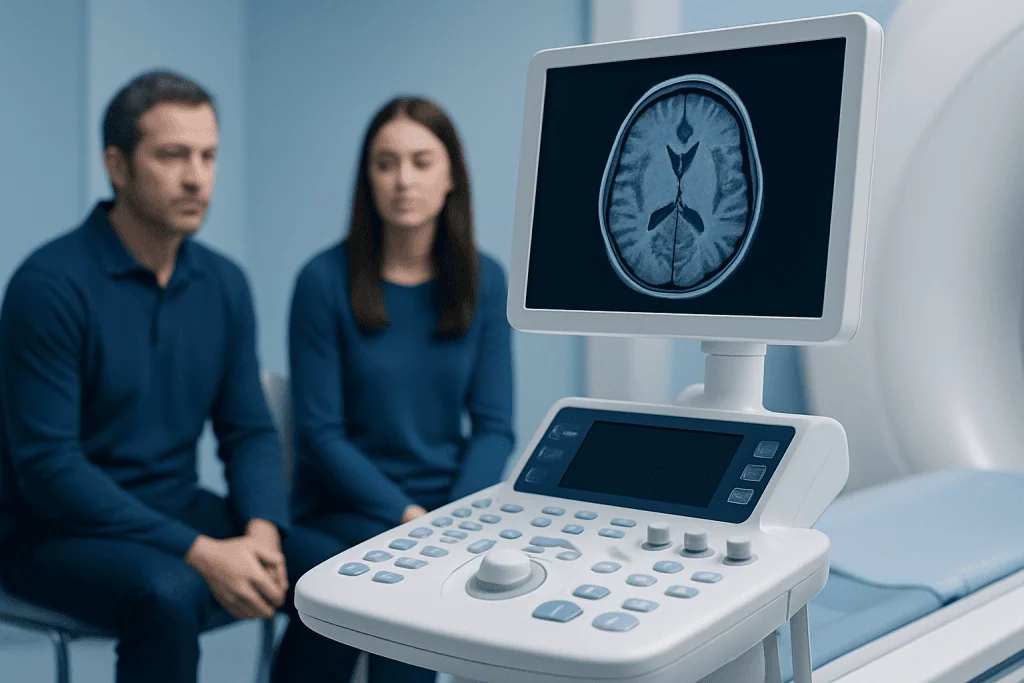
The symptoms of neuroimmune disorders depend on which part of the nervous system is involved. Problems affecting the brain or spinal cord may cause weakness, numbness, tingling, poor coordination, bladder changes, or trouble with balance and walking. If the optic nerve is involved, there may be blurred vision, eye pain, or loss of color vision. When peripheral nerves are affected, symptoms may include burning pain, altered sensation, or weakness in the arms and legs.
Some people also experience severe fatigue, muscle stiffness, tremor, double vision, speech difficulty, or problems with memory and concentration. In disorders that affect the nerve-muscle junction, symptoms may include drooping eyelids, swallowing difficulty, or weakness that worsens with activity. Autoimmune inflammation in the brain may lead to confusion, behavior changes, seizures, or disturbed sleep.
Symptoms can be mild at first, which sometimes delays diagnosis. A person may notice clumsiness, unusual sensory changes, or brief visual symptoms before more obvious problems develop. It is helpful to keep a record of when symptoms began, how long they last, and whether they are getting worse or returning after improvement.
- New numbness or weakness on one side or in both legs
- Blurred vision, eye pain, or sudden vision loss
- Persistent balance problems or frequent falls
- Trouble speaking, swallowing, or breathing
- Confusion, seizures, or major personality changes
- Severe fatigue that occurs with other neurological symptoms
Causes and risk factors

The exact cause of many neuroimmune disorders is not fully understood. In general, they are thought to result from an interaction between genetic susceptibility and environmental triggers. The immune system may become misdirected after a viral infection, during another autoimmune illness, or for reasons that remain unclear. In some conditions, specific antibodies can be detected and help explain the immune attack on nerve tissue.
Having one autoimmune disease can sometimes increase the chance of developing another. Family history may play a role, although most people with neuroimmune disorders do not have a close relative with the same condition. Age and sex also influence risk for certain disorders. For example, some autoimmune neurological diseases are more common in younger or middle-aged adults, while others can occur at any age, including childhood.
Not every neurological symptom is caused by autoimmunity. Infections, metabolic disorders, medication effects, vascular disease, and structural problems of the brain or spine can cause similar signs. This is why a diagnosis should not be based on symptoms alone. Specialists look carefully for patterns that fit an immune-mediated process and exclude other possible explanations.
Examples of related conditions include multiple sclerosis and myasthenia gravis, but the full range of neuroimmune disorders is broader. Understanding the likely mechanism helps the care team choose the most appropriate tests and treatment plan.
How diagnosis is made
Diagnosing neuroimmune disorders usually begins with a detailed medical history and neurological examination. The doctor asks about the timing of symptoms, whether they come and go, any recent infections, family history of autoimmune disease, and how symptoms affect daily activities. The physical examination checks strength, reflexes, sensation, coordination, vision, speech, and gait.
Imaging and laboratory tests are often needed to confirm the diagnosis and rule out other conditions. Magnetic resonance imaging is commonly used to look for inflammation or damage in the brain, spinal cord, or optic nerves. Blood tests may look for markers of inflammation, vitamin deficiencies, infections, or disease-specific antibodies. In some situations, a lumbar puncture is recommended to analyze cerebrospinal fluid for signs of immune activity.
Additional tests may include nerve conduction studies, electromyography, visual evoked potentials, or electroencephalography depending on the symptoms. These tests can help show whether the problem involves the central nervous system, peripheral nerves, muscles, or the connection between nerves and muscles. A diagnosis is often made by combining several findings rather than relying on a single result.
Because many disorders overlap, patients may benefit from evaluation in a center with expertise in neurology, immunology, imaging, and rehabilitation. If imaging is needed, MRI scanning may help detect lesions or inflammation that are not visible on routine examination.
Treatment options and long-term care
Treatment depends on the specific neuroimmune disorder, the severity of symptoms, and whether the problem is a first episode, a relapse, or a chronic condition. In many cases, the first goal is to reduce active inflammation quickly. Doctors may use corticosteroids, plasma exchange, intravenous immunoglobulin, or other immunotherapies when appropriate. The choice depends on the diagnosis and the patient’s overall health.
Long-term treatment may be recommended to prevent relapses or control ongoing immune activity. This can include disease-modifying therapies, steroid-sparing medications, biologic treatments, or other targeted immune therapies. Close monitoring is important because treatment plans often need adjustment over time based on response, side effects, and changes in symptoms.
Medication is only one part of care. Physical therapy, occupational therapy, speech and swallowing support, pain management, and psychological support can all play valuable roles. Some people may need help with fatigue management, bladder symptoms, vision rehabilitation, or mobility aids. A personalized plan can make everyday function easier and safer.
For selected patients, supportive services such as physical therapy and rehabilitation and advanced neurological assessment can be important parts of recovery. In some settings, neurology care is coordinated with immunology, radiology, and rehabilitation teams to provide comprehensive follow-up.
Prevention, self-care, and living with the condition
There is no guaranteed way to prevent most neuroimmune disorders, but healthy habits can support overall well-being and recovery. Adequate sleep, balanced nutrition, regular gentle activity, stress management, and avoiding smoking are sensible steps for many people with chronic neurological illness. Following the treatment plan and attending regular follow-up visits are also important, even when symptoms are stable.
Self-care begins with learning the pattern of the condition. Patients may be encouraged to notice triggers, early signs of relapse, and factors that worsen fatigue or weakness. Using a symptom diary can make it easier to describe changes during appointments. Vaccination planning, travel advice, and infection prevention should be discussed with the treating team, especially for people taking immune-suppressing medicines.
Daily adjustments can improve safety and independence. These may include pacing activities, fall prevention at home, protecting the eyes if vision is affected, and seeking support for mood changes or cognitive symptoms. Family education can also help loved ones understand fluctuating symptoms and provide practical assistance when needed.
When ongoing specialist support is required, centers such as Acibadem International offer multidisciplinary evaluation and treatment for international patients through JCI-accredited hospitals. This can be helpful for complex or unclear cases that need coordinated neuroimmunology expertise.
When to see a specialist
A specialist should be consulted when neurological symptoms are new, unexplained, worsening, or recurring. Symptoms such as persistent numbness, limb weakness, balance problems, vision loss, or unusual fatigue deserve medical attention, particularly if they interfere with daily life. A neurologist or neuroimmunology specialist can help determine whether the cause is immune-related or due to another condition.
Urgent medical care is needed for severe weakness, sudden inability to walk, new loss of bladder or bowel control, significant swallowing difficulty, breathing problems, seizures, or marked confusion. These symptoms may point to a serious neurological event and should not be monitored at home without professional advice.
It is also reasonable to seek a second opinion if a diagnosis remains uncertain or symptoms continue despite treatment. Neuroimmune disorders can be complex, and expert review of imaging, laboratory tests, and clinical history may clarify the next steps. Early specialist care often supports faster diagnosis, more appropriate treatment, and better long-term planning.
If symptoms overlap with other neurological problems, additional testing may be recommended to exclude structural or inflammatory causes. In selected cases, brain MRI or related investigations can help the team make a more confident diagnosis.
Frequently asked questions
What are neuroimmune disorders?
Neuroimmune disorders are conditions in which the immune system affects the brain, spinal cord, nerves, or muscles. This immune activity can cause inflammation, interfere with nerve signaling, and lead to a wide range of neurological symptoms.
Are neuroimmune disorders the same as multiple sclerosis?
No. Multiple sclerosis is one type of neuroimmune disorder, but it is not the only one. The group also includes conditions such as neuromyelitis optica spectrum disorder, myasthenia gravis, autoimmune encephalitis, and inflammatory neuropathies.
What symptoms should prompt a medical evaluation?
Symptoms such as new weakness, numbness, vision changes, persistent balance problems, severe fatigue with neurological signs, or swallowing difficulty should be assessed by a doctor. Urgent care is important if symptoms are sudden, severe, or affect breathing, walking, bladder control, or awareness.
How are neuroimmune disorders diagnosed?
Diagnosis usually involves a neurological examination, review of symptom history, and tests such as MRI, blood tests, and sometimes cerebrospinal fluid analysis. Depending on the case, nerve and muscle tests or other specialized studies may also be used.
Can neuroimmune disorders be treated?
Many neuroimmune disorders can be treated, although the best approach depends on the exact diagnosis. Treatment may reduce inflammation, control immune activity, ease symptoms, and support recovery through rehabilitation and ongoing follow-up.
Do symptoms always come and go?
Not always. Some neuroimmune disorders cause relapses with periods of improvement, while others progress more steadily or produce long-lasting symptoms after an attack. The pattern can help doctors narrow the diagnosis and choose treatment.
References
- National Institute of Neurological Disorders and Stroke
- National Multiple Sclerosis Society
- Mayo Clinic
- Cleveland Clinic
- World Health Organization
This article is for general information only and is not a substitute for professional medical advice. Please consult a qualified doctor about your individual situation.
Joint and spine care in Turkey — expert assessment & treatment
JCI-accredited · board-certified surgeons · reply within 24h
Add us as a Preferred Source to see more of our trusted health content across Google Search, AI Overviews and Discover.

More from the Health Library



Related Specialists

Dr. Özer Öztürk
Orthopedic Surgery & Traumatology
Dr. Burcu Kesmez Evirgen
Pediatrics
Dr. Mahmut Hakan Ertürk
Physical Medicine & Rehabilitation
Dr. Melda Koyuncu
Dermatology