

Recovery in a Hotel After Treatment in Turkey: What to Check Before You Book

Recovery in a hotel after treatment in Turkey can work well if you check distance, room setup, support, hygiene, and follow-up before you book.
If you plan to recover in a hotel after treatment in Turkey, the right room and the right support can make your stay much safer and more comfortable. This guide helps you check the practical details before you book, so you know what to ask and what to avoid.
At a glance
- Best for: Patients who need a short, supervised-feeling hotel recovery period before flying home
- Most important check: How quickly you can reach your hospital if you need review or urgent advice
- Ask about: Room access, bed comfort, bathroom safety, meals, housekeeping, and transport
- Good to arrange early: Interpreter help, companion support, medication plan, and follow-up appointments
- Avoid: Hotels with stairs, long transfer times, noisy surroundings, or limited food options
Why your hotel choice matters during recovery
Recovering in a hotel after treatment in Turkey can be a practical option, especially if you are not yet ready to travel home immediately. But a hotel is not just a place to sleep. For a few days, it may be the space where you manage pain, rest, take medicines on time, attend follow-up visits, and watch for signs that you need medical advice.
The best hotel for recovery is not always the most luxurious or the most central. What usually matters more is how easy the room is to move around in, how close you are to your hospital, whether food is simple to arrange, and whether staff can help with basic practical needs. Small details, such as a walk-in shower or a quiet room away from traffic, can affect how comfortable you feel each day.
If you are traveling as an international patient, it also helps to choose accommodation that fits your care plan. At Acibadem International, patient services teams often help people think through transport, interpreters, and timing around follow-up visits, because recovery is not separate from treatment. A sensible hotel setup can reduce stress and make it easier to focus on healing.
Location: stay close enough for easy follow-up
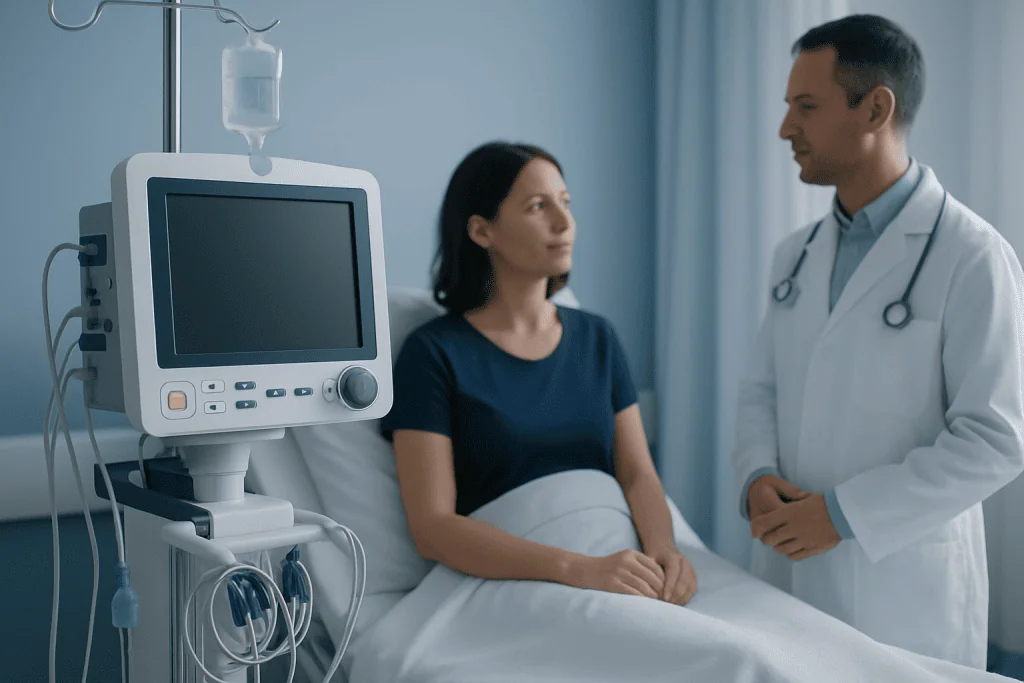
Before you book, check the real travel time between the hotel and your hospital, not just the distance on a map. In Istanbul especially, traffic can turn a short route into a tiring journey. If you may need dressing changes, review appointments, lab checks, or quick reassessment, staying nearby can make the days after treatment much smoother.
Ask yourself how you will get back to the hospital if you feel unwell or simply too tired to manage public transport. Many patients prefer pre-arranged private transfers, particularly in the first days after treatment. If your hospital offers international patient support, ask whether transfer coordination is available and whether the driver will know the exact entrance to use.
It is also worth checking the immediate area around the hotel. A property on a steep hill, a busy pedestrian street, or a location with many steps may be inconvenient when you are moving slowly. Ideally, you want a calm, accessible route in and out, plus nearby essentials such as a pharmacy, supermarket, or café with simple food options.
- Check normal and rush-hour transfer times
- Confirm how close the hotel is to your follow-up clinic or hospital building
- Ask whether the entrance is step-free
- Look for nearby pharmacy and grocery access
Room setup: what makes recovery easier

A recovery-friendly room should let you rest, move safely, and manage daily routines with as little strain as possible. Ask for clear photos or specific measurements if you have mobility concerns. You may need extra space to stand up slowly, keep medications within reach, or accommodate a companion who is helping you.
Pay close attention to the bed and bathroom. A bed that is very low, very soft, or difficult to get in and out of may be uncomfortable after treatment. In the bathroom, a walk-in shower, non-slip surface, grab bars, handheld shower head, and enough space to turn safely are all helpful features. Even if you do not usually think of yourself as needing accessible design, post-treatment fatigue can make ordinary tasks feel harder.
Noise, temperature control, and lighting also matter more than many patients expect. You may need to nap during the day, keep the room cooler or warmer than usual, and get up at night for medication or the bathroom. A quiet room, blackout curtains, reliable air conditioning or heating, and a bedside lamp can all support better rest.
- Ask for a lift-access room, not one reached by stairs
- Request a room close to the lift if walking is difficult, but not beside a noisy service area
- Check whether a mini-fridge, kettle, and room service are available
- If needed, ask about twin beds for you and your companion rather than a sofa bed
Food, hydration, medication, and day-to-day practicalities
After treatment, your biggest daily needs are often simple: drinking enough, eating regular light meals, and taking medicines correctly. That is why it helps to choose a hotel that can support routine, not just comfort. If you may need soft food, low-spice meals, high-protein options, or frequent snacks, ask what can realistically be provided throughout the day.
Do not assume a breakfast buffet will be enough. You may need food outside standard service hours, especially if your sleep pattern is disrupted or you need to eat with medication. Ask whether room service is available, whether outside food delivery is allowed, and whether there is a fridge for water, yogurt, or prescribed items that need cool storage.
Medication planning is equally important. Keep all medicines in their original packaging and make sure you understand the dosing schedule before discharge. If you are staying through Acibadem International, ask the care team to explain any instructions in clear English or your preferred language, and confirm whom to contact if you miss a dose, feel nauseated, or have a question overnight.
Support services that can make recovery less stressful
Many international patients feel well supported inside the hospital, then realize the practical challenge begins once they return to the hotel. Before booking, think about who will help if you feel weak, need supplies, or do not understand local arrangements. A companion can be very valuable, but if you are traveling alone, coordinated support matters even more.
Ask what the hotel staff can and cannot do. Hotel staff are not medical caregivers, but they may be able to help with luggage, extra pillows, simple meal requests, or arranging a taxi. It is useful if the front desk speaks English confidently, especially if you need help calling your hospital or explaining a transport issue.
Hospitals that regularly care for international patients often make this stage easier. Acibadem International supports patients with interpreter services, follow-up coordination, and practical travel assistance, which can reduce confusion after discharge. Knowing in advance who your contact person is, how to reach them, and what to do outside office hours can be deeply reassuring.
- Save your hospital contact numbers in your phone
- Ask whether interpreter support continues after discharge if needed
- Confirm how follow-up appointments will be scheduled
- Check whether transfer assistance is available for return visits
Safety, hygiene, and when a hotel may not be the right choice
Hotels vary widely in cleanliness, staffing, and layout, so it is worth reading recent reviews with a recovery mindset. Look beyond style or tourism comments and focus on housekeeping standards, lift reliability, room quietness, and responsiveness when guests need help. Daily cleaning, fresh linens on request, and a clean bathroom are basic but important when you are recovering.
It is equally important to be realistic about whether a hotel stay suits your condition. If you expect very limited mobility, frequent wound care, significant dizziness, heavy assistance with walking, or close monitoring for complications, a standard hotel may not be the best option. In some cases, a longer hospital stay or different recovery arrangement may be safer.
Before discharge, ask your clinical team whether hotel recovery is appropriate for you and what warning signs should prompt urgent review. JCI-accredited hospitals such as those within Acibadem support structured discharge planning, but you still need a clear plan once you leave the ward. If anything about the hotel arrangement feels uncertain, ask again before you commit.
Questions to ask before you confirm your booking
A few direct questions can tell you very quickly whether a hotel understands recovery needs. Ask by email so you have the answers in writing. This is especially helpful if you need a specific room type, early check-in after discharge, or flexibility in case your medical schedule changes.
Useful questions include whether the room has lift access, whether the bathroom has a walk-in shower, whether room service is available all day, and whether the hotel can help arrange reliable transport to your hospital. You can also ask if they can provide extra pillows, additional bottled water, late checkout, or a quiet room away from nightlife or construction.
If the responses are vague, delayed, or dismissive, that may be a sign to keep looking. Good recovery accommodation does not need to be complicated, but it should be predictable. Your goal is a calm, manageable base for the days after treatment, with as few surprises as possible.
Step by step
- Ask your medical team what kind of recovery setup you need. Before comparing hotels, ask whether you are expected to walk independently, need a companion, or require easy access for follow-up visits. The safest booking starts with understanding your likely energy level, mobility, and discharge instructions.
- Shortlist hotels based on hospital access, not sightseeing plans. Choose properties by practical travel time to the hospital and clinic, especially in Istanbul traffic. A shorter, simpler route usually matters more than being near tourist areas while you are recovering.
- Check the exact room features before paying. Do not rely on general website photos. Confirm lift access, bed type, shower setup, room size, air conditioning, noise level, and whether a companion can stay comfortably.
- Plan meals, water, and medication storage in advance. Make sure you can eat regularly and keep essential items close at hand. Ask about room service hours, delivery options, a mini-fridge, and any restrictions on bringing in outside food.
- Arrange your transfer and follow-up logistics early. Know how you will travel from hospital to hotel and back for reviews. If your provider offers international patient support, ask whether transport coordination, interpreters, or appointment reminders are available.
- Keep a clear contact plan for any concerns after discharge. Save the hospital number, your patient coordinator details, and emergency guidance before leaving the hospital. You should know whom to call during the day, overnight, and if language support is needed.
- Review the cancellation and extension policy. Recovery does not always follow an exact timetable. Flexible dates, late checkout options, or an easy extension can help if your doctor advises a longer stay before flying home.
Your checklist
- Hotel is close to the hospital with realistic traffic-aware transfer times
- Step-free entrance and lift access are confirmed
- Room has a comfortable bed and enough space to move safely
- Bathroom has a walk-in shower or other low-risk setup
- Food, water, and room service options suit your recovery needs
- Mini-fridge or safe medication storage is available if needed
- Quiet room can be requested away from noise and smoking areas
- Private transport plan for follow-up visits is arranged
- Hospital contact numbers and interpreter support details are saved
Key takeaways
- The best recovery hotel is usually the one that is closest, quietest, and easiest to navigate.
- Check room access, bathroom safety, food availability, and transport before you book.
- Hospital follow-up should shape your accommodation choice more than tourism plans.
- International patient support, interpreters, and transfer coordination can make recovery smoother.
- If you may need close monitoring or significant assistance, ask whether a hotel is appropriate at all.
Frequently asked questions
Is it safe to recover in a hotel after treatment in Turkey?
For many patients, yes, as long as the medical team says hotel recovery is appropriate and the setup is practical. The key factors are your mobility, how close you are to the hospital, and whether you have a clear plan for medications, meals, follow-up, and urgent questions.
How close should my hotel be to the hospital?
As a general rule, closer is better, especially in the first days after treatment. In Istanbul, travel time can matter more than map distance, so check typical traffic conditions and make sure the route is simple and reliable.
What room features are most important after treatment?
Prioritize lift access, a comfortable bed, a safe bathroom, quiet surroundings, and easy climate control. A mini-fridge, kettle, room service, and enough space for a companion can also make daily recovery much easier.
Should I stay alone or with a companion?
If you expect fatigue, reduced mobility, or anxiety about managing alone, a companion can be very helpful. If you travel alone, try to arrange stronger practical support through your hospital's international patient services and choose a hotel with responsive staff.
Can the hotel help if I feel unwell?
Hotel staff can usually help with practical issues such as calling a taxi, providing extra water, or contacting reception support, but they are not a substitute for medical care. You should always leave the hospital with clear instructions on whom to call for symptoms or concerns.
What should I ask my hospital before discharge?
Ask whether hotel recovery is suitable for you, what warning signs to watch for, when your follow-up is scheduled, and how to contact the team after hours. If you are being treated through Acibadem International, also ask about interpreter support, transfer arrangements, and any written instructions you can keep with you.
Do I need a flexible hotel booking?
It is a good idea, because recovery and follow-up timing can change. A booking that allows date changes, stay extensions, or late checkout can reduce stress if your doctor advises you to remain in Turkey a little longer.
Add us as a Preferred Source to see more of our trusted health content across Google Search, AI Overviews and Discover.
More Patient Guides

When Can You Wear a Hat After a Hair Transplant?
You can usually wear a loose, clean hat after a hair transplant once your surgeon confirms grafts are protected—often around days 7–14.
8 min read
Flying After Knee or Hip Replacement Surgery
Flying after knee or hip replacement surgery is usually delayed until your surgeon confirms you can travel safely; plan mobility, clot prevention…
8 min read
Open vs Closed Rhinoplasty Recovery: Differences Explained
Open vs closed rhinoplasty recovery is usually similar overall, but open surgery may cause longer tip swelling. Learn timelines, travel and aftercare…
9 min read