

Do You Need a Second Opinion for a Sleep Disorder Diagnosis?

A second opinion can clarify an uncertain or complex sleep disorder diagnosis. It may be useful if symptoms persist despite treatment or if test results do not match how the person feels.
Key Takeaways
- A second opinion can clarify an uncertain or complex sleep disorder diagnosis.
- It may be useful if symptoms persist despite treatment or if test results do not match how the person feels.
- Sleep disorders can overlap, so careful review by a sleep specialist may identify more than one cause.
- A second opinion usually involves reviewing symptoms, medical history, sleep studies, and current treatments.
- Seeking another expert view is common and can help patients make informed, confident decisions.
A second opinion for a sleep disorder diagnosis can be helpful when symptoms continue, test results are unclear, or treatment is not working as expected. It may confirm the original diagnosis, reveal a different sleep condition, or support a more personalized treatment plan.
Overview
A sleep disorder diagnosis is not always simple. Many sleep-related symptoms overlap, and problems such as insomnia, sleep apnea, restless legs syndrome, circadian rhythm disorders, narcolepsy, and parasomnias can sometimes look similar at first. In some cases, more than one sleep disorder may be present at the same time, which can make diagnosis and treatment planning more complex.
A second opinion for sleep disorder diagnosis means asking another qualified specialist to review the person’s symptoms, medical history, sleep test results, and current treatment plan. This does not necessarily mean the first diagnosis was wrong. Often, it is a practical step to confirm the diagnosis, better understand test findings, or explore other possible explanations for ongoing symptoms.
For many patients, a second opinion brings reassurance. It may confirm that the current approach is appropriate, or it may suggest a different test, a related condition, or a more suitable treatment strategy. This can be especially helpful when sleep problems are affecting daytime function, mood, concentration, work, driving safety, or overall quality of life.
When a Second Opinion May Be Helpful
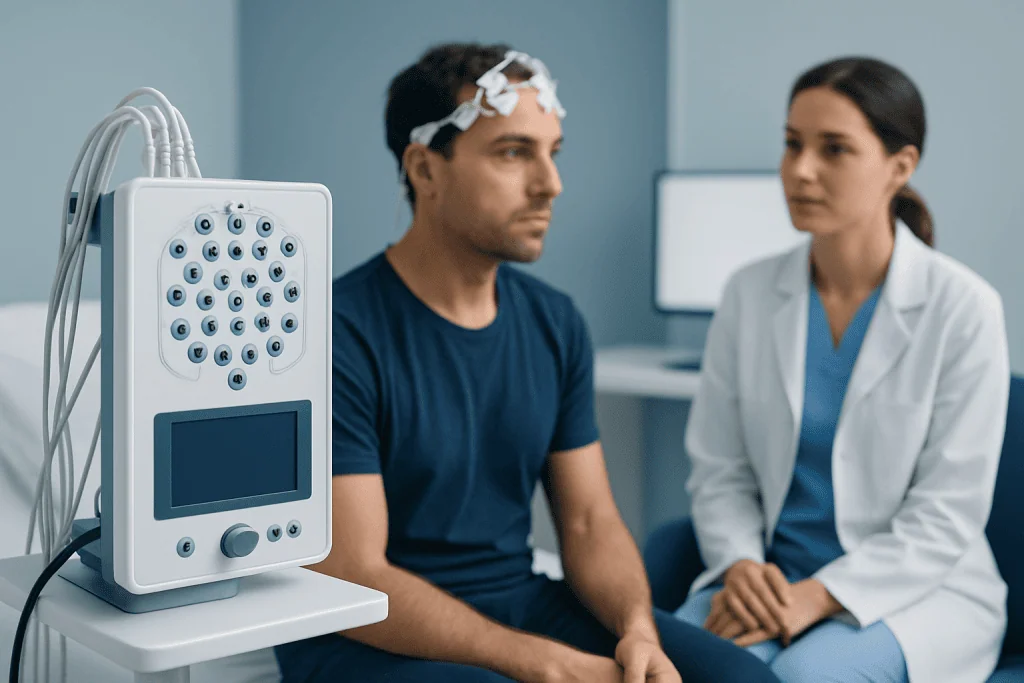
There are several situations in which a second opinion may be worth considering. One common reason is persistent symptoms despite treatment. For example, a person may still feel very tired during the day even after starting treatment for sleep apnea, or may continue to have difficulty falling asleep despite following a treatment plan for insomnia.
Another reason is uncertainty around the diagnosis itself. A person may have had a sleep study with borderline or confusing results, or they may have been told they have one disorder when their symptoms seem to suggest another. This can happen because sleep problems may involve the brain, breathing, movement, mental health, medications, or daily habits. A fresh review can sometimes connect details that were not clear before.
A second opinion may also be useful if a treatment feels difficult to tolerate, too complicated, or not fully explained. Patients often benefit from another expert explaining what the diagnosis means, whether further testing is needed, and what realistic treatment options exist. Common situations include:
- Symptoms do not improve after starting treatment
- Sleep study results are unclear or seem inconsistent with symptoms
- More than one sleep disorder may be present
- The recommended treatment feels invasive or difficult to manage
- There is concern about medications, side effects, or long-term management
- The person wants confidence before making an important treatment decision
Why Sleep Disorders Can Be Misread or Overlap

Sleep medicine is a specialized field because sleep symptoms often have many possible causes. Daytime tiredness, poor concentration, morning headaches, snoring, nighttime awakenings, vivid dreams, unusual movements in sleep, and difficulty staying asleep can each point to different conditions. A single symptom rarely tells the whole story.
In some cases, sleep disorders overlap with other health conditions. Anxiety, depression, chronic pain, neurological conditions, thyroid disorders, obesity, reflux, and some heart or lung conditions can all affect sleep. Certain medicines, alcohol, caffeine, shift work, and irregular schedules can also change sleep patterns and make diagnosis less straightforward.
Sleep testing itself can add complexity. A home sleep apnea test may be useful for some people, but it does not answer every question. An overnight laboratory sleep study may provide more information, especially if unusual movements, breathing pauses, narcolepsy, or parasomnias are suspected. A second opinion can help determine whether the original testing was sufficient or whether repeat or more detailed evaluation is needed, such as sleep study polysomnography.
What Happens During a Second Opinion Evaluation
A second opinion usually begins with a detailed discussion of symptoms and sleep habits. The specialist may ask about bedtime routines, snoring, witnessed pauses in breathing, leg discomfort, dream-enactment behaviors, shift work, daytime sleepiness, headaches, mood changes, and how long the symptoms have been present. Family history and the patient’s medical conditions are also important, since some sleep disorders run in families or are linked with other illnesses.
The doctor will usually review prior records carefully. These may include clinic notes, questionnaires, sleep diaries, wearable sleep data, medication lists, and previous test reports. If a sleep study has already been done, interpretation of that test is often central to the second opinion. Sometimes the original diagnosis is confirmed; other times, the findings suggest a different severity level, a second condition, or the need for an additional test.
Depending on the concern, the specialist may recommend further evaluation. This can include repeat overnight testing, daytime testing for excessive sleepiness, breathing assessments, or review by related specialists such as neurology, ENT, pulmonology, psychiatry, or cardiology. In more complex cases, a multidisciplinary approach can be helpful, including assessment through a neurology consultation if a neurological sleep disorder is suspected.
Possible Outcomes of a Second Opinion
One possible outcome is confirmation of the original diagnosis and treatment plan. This can be very valuable, especially when a patient has concerns or doubts. Knowing that two specialists agree may make it easier to move forward with treatment and stay consistent with follow-up care.
Another possible outcome is a revised diagnosis. For example, symptoms thought to be caused only by insomnia may also involve circadian rhythm disruption or untreated breathing-related sleep problems. A person diagnosed with simple snoring may turn out to have narcolepsy symptoms or another issue that requires a different approach. In other cases, a treatment may be correct in principle but need adjustment to fit the patient better.
A second opinion may also lead to a more individualized plan. This might include behavioral strategies, equipment changes, medication review, management of related conditions, or referral for a procedure when appropriate. For some patients with breathing-related sleep disorders, options may include optimization of device-based therapy or further evaluation by airway specialists, including selected ENT surgery approaches when medically appropriate.
How to Prepare for a Second Opinion
Preparation can make a second opinion more useful. Patients should try to gather any previous sleep study reports, clinic visit notes, imaging or lab results if relevant, and a list of current medicines and supplements. If possible, it also helps to bring a summary of symptoms, including when they started, what makes them better or worse, and how they affect daily life.
Keeping a sleep diary for one to two weeks can be especially helpful. This may include bedtime, wake time, naps, nighttime awakenings, caffeine use, alcohol use, exercise timing, and how rested the person feels. If a bed partner has noticed snoring, breathing pauses, kicking, sleepwalking, or acting out dreams, that information can provide useful clues.
Patients may also want to prepare questions in advance. Examples include whether the diagnosis fully explains the symptoms, whether more testing is needed, what treatment alternatives exist, and what the expected timeline for improvement might be. The goal is not to challenge one doctor against another, but to understand the diagnosis and next steps more clearly.
When to Seek Prompt Medical Advice
Although many sleep problems can be evaluated in a planned way, some situations deserve more urgent medical attention. Severe daytime sleepiness that affects driving or operating machinery, repeated breathing pauses during sleep, sudden muscle weakness triggered by emotions, injuries during sleep behaviors, or major changes in alertness should be discussed with a doctor without delay.
It is also important to seek medical advice if sleep symptoms occur along with chest pain, fainting, significant shortness of breath, new neurological symptoms, or serious mood changes. These symptoms may point to conditions that need prompt evaluation beyond sleep medicine alone.
For patients who are considering care abroad or a specialist review in a multidisciplinary center, Acibadem International’s sleep medicine and related specialists in JCI-accredited hospitals evaluate and treat a wide range of sleep disorders for international patients. Even so, timely local medical attention remains important if symptoms are severe, rapidly changing, or affecting safety.
Frequently asked questions
Is it normal to ask for a second opinion for a sleep disorder diagnosis?
Yes. Asking for a second opinion is a common and reasonable part of medical care, especially when symptoms are ongoing or the diagnosis is unclear. It can help confirm the original assessment or provide a different perspective on testing and treatment.
Does getting a second opinion mean the first doctor was wrong?
Not at all. Sleep disorders can be complex, and another specialist may simply offer added reassurance or a more detailed review. In many cases, the second opinion supports the first diagnosis and helps the patient feel more confident about treatment.
What kinds of sleep problems most often lead people to seek a second opinion?
People often seek a second opinion for persistent daytime sleepiness, ongoing insomnia, snoring with unclear test results, unusual behaviors during sleep, or treatment that is not helping enough. It is also common when more than one sleep disorder may be present.
Will I need another sleep study?
Not always. Sometimes the specialist can make recommendations after reviewing the existing sleep study and medical history. A repeat or more detailed study may be suggested if the original test was incomplete, outdated, or did not fully explain the symptoms.
What should a patient bring to a second opinion appointment?
It helps to bring previous sleep study reports, clinic notes, a medication list, and any sleep diary or symptom record. Information from a bed partner can also be useful, especially if they have noticed snoring, breathing pauses, movements, or unusual behaviors during sleep.
Can a second opinion change treatment even if the diagnosis stays the same?
Yes. Sometimes the diagnosis is correct, but the treatment approach can be improved or tailored more carefully to the patient’s needs. This may include adjusting devices, refining sleep habits, reviewing medications, or addressing related medical conditions.
References
- American Academy of Sleep Medicine
- National Heart, Lung, and Blood Institute
- National Institute of Neurological Disorders and Stroke
- Centers for Disease Control and Prevention
- Mayo Clinic
This article is for general information only and is not a substitute for professional medical advice. Please consult a qualified doctor about your individual situation.
Explore treatments in Turkey — costs, top hospitals & a free quote
JCI-accredited · board-certified surgeons · reply within 24h
Add us as a Preferred Source to see more of our trusted health content across Google Search, AI Overviews and Discover.

More from the Health Library



Related Specialists

Assoc. Prof. Dr. Ebru Sevinç Ok
Nephrology
Dt. Ebru İspirgil
Oral & Dental Health
Prof. Dr. Murat Bozkurt
Orthopedic Surgery & Traumatology
Dr. Okay Mehmet Ergenoğlu
General Surgery