

Unexpected Extra Tests Before Treatment in Turkey: Why They Happen

Unexpected extra tests before treatment in Turkey are often needed to confirm safety, update results, or tailor your plan in Istanbul or beyond.
If you are asked to do extra tests after arriving for treatment in Turkey, it usually means your team wants the safest and most accurate plan for you. These requests can feel stressful, but they are often a normal part of preparing for treatment, especially when doctors need up-to-date, locally verified information.
At a glance
- Why it happens: To confirm diagnosis, assess safety, or update older results before treatment
- Common examples: Blood tests, imaging, ECG, anesthesia checks, infection screening, specialist reviews
- Does it mean bad news?: Not necessarily; extra testing is often routine and precautionary
- Will it affect timing?: Sometimes; some tests are same-day, while others may shift treatment by a day or more
- How to prepare: Bring records, ask what is required, and keep some flexibility in your schedule
- Support available: International patient teams can help with scheduling, interpreters, and practical planning
Why extra tests can be requested after you arrive
It can be frustrating to travel for planned treatment and then hear that more tests are needed. In most cases, this does not mean something has gone wrong. It usually means your care team wants to confirm key details before moving ahead, especially if your previous results are incomplete, older than the hospital accepts, or do not fully answer the questions needed for a safe treatment plan.
Hospitals in Turkey that care for international patients often review records from many countries, labs, and imaging centers. Test formats, measurement units, reporting standards, and image quality can vary. A doctor may therefore ask for repeat or additional testing so they can rely on results produced under their own protocols and compare them directly with the treatment pathway you are about to follow.
At Acibadem International, multidisciplinary teams and JCI-accredited hospital processes are designed around patient safety and coordination. That can mean your surgeon, physician, radiologist, anesthesiologist, or another specialist all need a clear, current picture of your health before treatment starts. While this can feel inconvenient, it is usually a sign that the team is being careful rather than rushing.
The most common reasons for unexpected pre-treatment testing
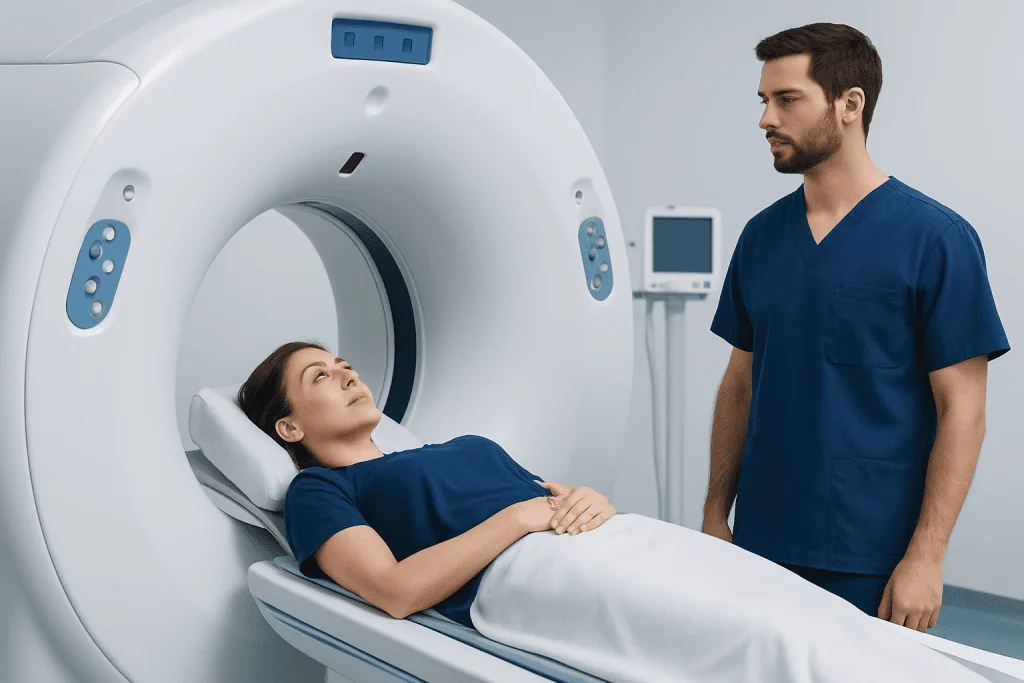
One common reason is that your existing results are no longer current enough. Some treatments require very recent blood work, imaging, heart checks, or infection screening. Even if you had tests done in your home country, the hospital may need updated results if your condition, medication use, or travel timeline has changed since they were performed.
Another reason is that the first consultation in Turkey may raise new questions. A physical examination, symptom review, or specialist discussion can reveal details not visible in your original records. For example, a doctor may want more imaging to define the treatment area, additional blood tests to check organ function, or a separate anesthesia evaluation to make sure sedation or surgery is appropriate.
Extra tests can also be requested when records are difficult to interpret. This may happen if reports are missing pages, images are not provided in a usable format, translations are incomplete, or the original test does not match the method your team normally uses. Common additional checks include:
- Blood and urine tests
- Ultrasound, X-ray, CT, MRI, or repeat imaging review
- ECG or other heart-related checks
- Pulmonary or respiratory assessment
- Infection screening
- Anesthesia clearance
- Consultation with another specialist such as cardiology, endocrinology, or internal medicine
What extra tests usually mean for your treatment schedule

Sometimes additional testing has little impact on timing. Many routine blood tests, ECGs, and some imaging studies can be arranged quickly, sometimes on the same day or the next day. If the results are straightforward, your planned treatment may go ahead with minimal change.
In other cases, timing can shift. More detailed imaging, specialist consultations, or findings that need closer review may delay treatment briefly. This is especially true if a test suggests that medication should be adjusted first, a different specialist should be involved, or the original treatment approach should be revised. While delays are disappointing, they are generally intended to reduce risk and improve decision-making.
If you are traveling internationally, it helps to build a little flexibility into your itinerary. Do not assume every part of the journey will run exactly to the hour. International patient departments, including those at Acibadem International, can often help reorganize appointments, interpret schedules, and coordinate logistics if an extra test changes your original plan.
How to respond calmly and ask the right questions
If you are told that more tests are needed, the best first step is to ask for a simple explanation in plain language. You are entitled to understand what the test is for, whether it is routine, whether it is urgent, and how it may affect your treatment date. Many patients feel more settled once they know whether the request is precautionary, confirmatory, or related to a specific concern.
It is also reasonable to ask practical questions. Find out how long the test takes, whether you need to fast, whether contrast material or sedation is involved, when results are expected, and whether a companion should come with you. If language is a concern, ask for interpreter support. International patient services can often help you navigate these details so you do not have to manage everything alone.
Try not to interpret an extra test request as a sign that your treatment will definitely be cancelled. In many situations, it is simply part of careful preparation. A helpful way to approach it is: the team is gathering the clearest possible information now, so your treatment plan is based on current facts rather than assumptions.
How to reduce the chance of last-minute testing surprises
You may not be able to avoid all extra tests, but you can reduce surprises by sending complete records well before you travel. Include written reports, image files when available, a medication list, allergy information, details of previous procedures, and any relevant medical history. If records are not in English, ask in advance whether translation is needed and what formats are accepted.
Before you book flights, ask the hospital or international patient coordinator which tests are commonly repeated on arrival and which results must be recent. It is useful to ask specific questions such as: how old can my blood tests be, do you need original image files or only reports, and will I need an anesthesia assessment before treatment? This gives you a more realistic expectation of the first days of your stay.
When planning your trip, leave some buffer time rather than scheduling treatment and return travel too tightly. At Acibadem International, international patient teams can help you understand the likely pre-treatment pathway and support arrangements such as appointment flow, interpreters, and accommodation planning. That kind of practical preparation can make an unexpected extra test feel manageable rather than overwhelming.
When extra tests are especially likely
Additional testing is more likely if your case is complex, if you have several medical conditions, or if you take medicines that affect treatment safety, such as blood thinners, diabetes medications, or drugs that influence immunity. It is also common when treatment involves anesthesia, surgery, advanced imaging, or multiple specialties working together.
You may also be more likely to need repeat tests if your original results are near the edge of the accepted timeframe, if you have had new symptoms since your first consultation, or if there has been a significant gap between your remote evaluation and your arrival in Turkey. Even a small change in symptoms or general health can justify rechecking key information.
For older adults, patients with heart or lung conditions, and people with a history of reactions to contrast agents or anesthesia, extra checks may be particularly important. These requests are usually about tailoring your care to you as an individual. A more personalized plan can sometimes take a bit longer, but it is generally a safer way to proceed.
Step by step
- Pause and ask why the test is needed. Start by asking for the reason in straightforward language. Knowing whether the test is routine, time-sensitive, or prompted by a specific finding will help you understand the situation and plan your next steps calmly.
- Clarify how it affects your schedule. Ask whether the test can be done the same day and when results are expected. Also check whether your treatment date is still likely to go ahead as planned or whether some flexibility may be needed.
- Confirm preparation instructions. Some tests require fasting, hydration, medication adjustments, or arriving with previous images and reports. Make sure you understand exactly what to do before the appointment so the test does not need to be repeated.
- Share your full medical information again. Bring or resend your medication list, allergies, prior procedures, and any recent changes in symptoms. Small details can matter and may help the team decide which tests are truly necessary.
- Use interpreter and coordinator support. If you are unsure about any instruction, ask for help rather than guessing. International patient services can help with translation, appointment timing, and practical coordination between departments.
- Keep travel plans flexible if possible. If your return flight or accommodation can be adjusted, you will feel less pressure if an extra day is needed. This is especially helpful when treatment depends on specialist review or detailed imaging results.
- Ask for the next decision point. Before you leave the testing area, ask what happens after the result comes back. Knowing who will review it, when you will be updated, and what the possible outcomes are can reduce uncertainty.
Your checklist
- Passport and hospital registration details
- Printed and digital copies of recent reports and imaging
- A current medication list with doses
- Allergy information and past reactions to drugs, contrast, or anesthesia
- A short summary of your medical history and previous operations
- Comfortable clothing for appointments and imaging visits
- Contact details for your international patient coordinator
- A little extra time in your itinerary before treatment and before flying home
Key takeaways
- Extra tests before treatment in Turkey are commonly requested for safety, accuracy, and up-to-date planning.
- Repeat testing does not automatically mean bad news or cancellation of treatment.
- Older, incomplete, untranslated, or non-standard records are common reasons for additional checks.
- Schedule changes are possible, so a small travel buffer can make your stay much less stressful.
- International patient teams can help with interpreters, logistics, and understanding what happens next.
Frequently asked questions
Why do I need more tests if I already sent my results?
Your doctors may need more current results, a different type of test, or locally verified measurements before treatment. Records from another country can also vary in format, detail, image quality, or timing, so repeating or adding tests is sometimes the safest option.
Do unexpected extra tests mean my condition is worse than expected?
Not necessarily. In many cases, extra testing is routine and meant to confirm that treatment is still appropriate and safe on the day you are seen. It is best not to assume the worst until your doctor explains the reason clearly.
Can extra tests delay my procedure in Turkey?
Yes, they can, but not always. Some tests are completed quickly and do not change the schedule, while others may require specialist review or lead to a brief postponement so your team can adjust the plan safely.
Will I be told what the test is for?
You should be. Ask your doctor or coordinator to explain what the test checks, whether you need to prepare, and how the result may affect treatment. If English is not comfortable for you, request interpreter support.
What kinds of extra tests are most common before treatment?
Common examples include blood tests, urine tests, ECGs, chest imaging, ultrasound, CT or MRI scans, infection screening, and anesthesia assessments. Some patients are also asked to see another specialist, such as a cardiologist or internal medicine doctor, before proceeding.
How can I lower the chance of needing repeat tests?
Send complete, recent records in the requested format before you travel and ask which results must be updated on arrival. Even with good preparation, some repeat testing may still be needed because hospitals often require very current information for safe treatment.
Can Acibadem International help if my schedule changes because of extra testing?
International patient support teams can often help you understand the revised appointment flow and coordinate between departments. They may also assist with interpreters and practical logistics, which can make an unexpected schedule change much easier to manage.
Add us as a Preferred Source to see more of our trusted health content across Google Search, AI Overviews and Discover.
More Patient Guides

At Acibadem, How to Prepare for Blood Tests, Scans, and Pre-Op Checks
Blood tests, scans, and pre-op checks at Acibadem in Turkey help confirm you are ready for treatment and avoid delays on the…
8 min read
Medical Test Results in Turkey: How to Understand the Next Step in Your Plan
Medical test results in Turkey usually lead to a clear next-step plan: review findings, confirm urgency, ask for copies, and arrange follow-up…
8 min read
Blood Tests and Scans Before Treatment in Turkey: Why They May Be Repeated
Blood tests and scans before treatment in Turkey may be repeated to confirm safety, compare methods, and meet hospital standards before your…
9 min read