Parasomnias vs Nocturnal Seizures: How Doctors Tell the Difference
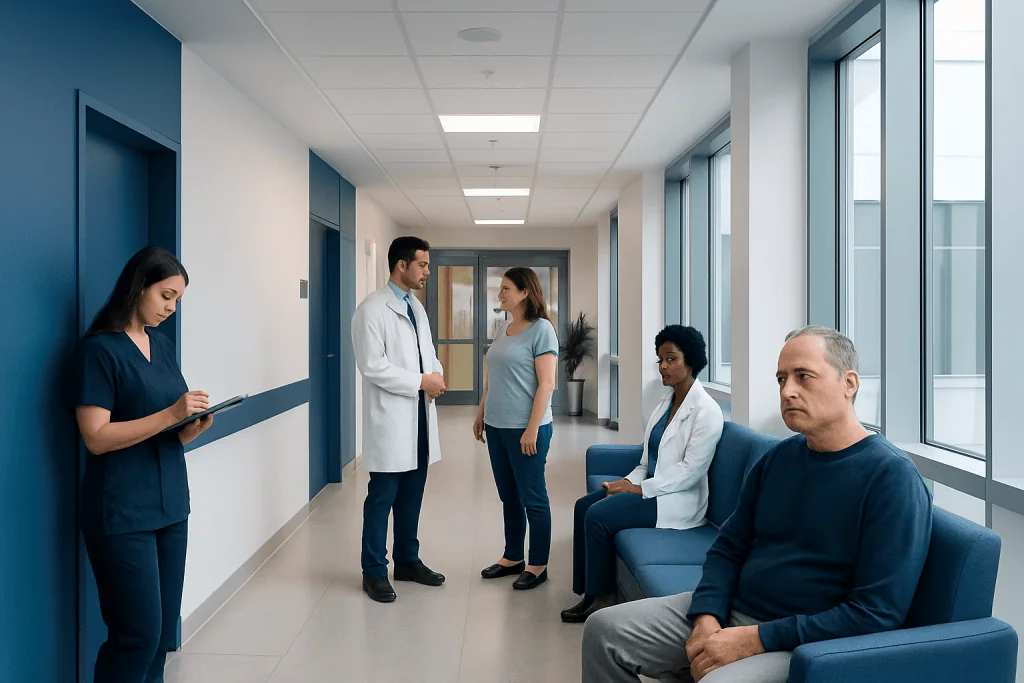
Parasomnias are sleep-related behaviors, while nocturnal seizures are caused by abnormal electrical activity in the brain. Events that look dramatic during sleep are not always epilepsy, but they should be assessed if they are repetitive, injurious, or unclear.
Key Takeaways
- Parasomnias are sleep-related behaviors, while nocturnal seizures are caused by abnormal electrical activity in the brain.
- Events that look dramatic during sleep are not always epilepsy, but they should be assessed if they are repetitive, injurious, or unclear.
- The timing of episodes, level of awareness, duration, and memory afterward can help doctors distinguish the two.
- Video EEG monitoring and polysomnography are often the most useful tests when the diagnosis is uncertain.
- Accurate diagnosis matters because treatment for parasomnias differs from treatment for nocturnal seizures.
Parasomnias and nocturnal seizures can both cause unusual movements, sounds, or behaviors during sleep, which is why they are sometimes confused. Doctors tell the difference by carefully reviewing the person’s symptoms, sleep timing, triggers, and test results, especially video EEG and sleep studies when needed.
Overview: why these sleep events can be confusing
Parasomnias and nocturnal seizures can appear similar because both may happen during sleep and both can involve sudden movements, unusual behaviors, vocal sounds, staring, or confusion. A family member may witness an episode and describe thrashing, sitting up, talking, walking, stiffening, or jerking, but those observations alone do not always show the cause.
Parasomnias are unwanted behaviors or experiences that arise from sleep. Common examples include sleepwalking, sleep terrors, confusional arousals, nightmares, and REM sleep behavior disorder. Nocturnal seizures, in contrast, are seizures that occur during sleep and result from bursts of abnormal electrical activity in the brain. Some seizure types are brief and repetitive, making them easy to mistake for sleep disorders.
Because the treatments are different, doctors aim to identify the exact cause rather than relying on a guess. A careful evaluation can often clarify whether events fit a parasomnia pattern, a seizure pattern, or occasionally another condition such as sleep apnea or a movement disorder during sleep.
What parasomnias and nocturnal seizures may look like
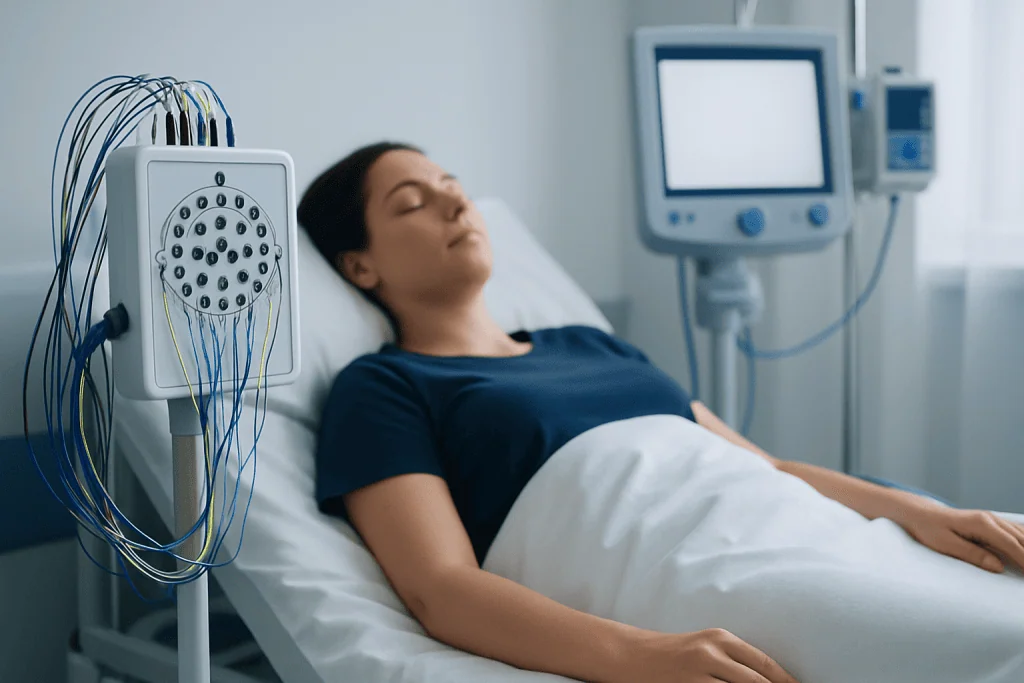
Parasomnias usually arise from specific sleep stages. Non-REM parasomnias, such as sleepwalking and sleep terrors, often happen in the first third of the night, when deep sleep is more common. A person may sit up suddenly, look frightened, speak unclearly, walk, or resist comfort. They are often confused during the event and may not remember it afterward.
REM sleep behavior disorder usually happens later in the night, when REM sleep becomes more frequent. People may act out dreams with talking, punching, kicking, or reaching. Unlike many non-REM parasomnias, REM sleep behavior disorder may be associated with dream recall after waking.
Nocturnal seizures can also involve stiffening, rhythmic jerking, repetitive movements, unusual postures, facial twitching, abrupt awakenings, or brief vocalization. Some episodes are very short, stereotyped, and happen many times over days or weeks in almost exactly the same way. That repeated, nearly identical pattern is often an important clue for epilepsy.
Not every event is obvious. Some nocturnal seizures are subtle, and some parasomnias can be dramatic. For that reason, doctors look beyond the appearance of a single event and focus on the full pattern over time.
Clues doctors use to tell the difference

Doctors begin by asking detailed questions about the episodes. Useful clues include when the event happens in the night, how long it lasts, whether the movements are repetitive or complex, how responsive the person is, and whether there is confusion, fear, or memory loss afterward. Witness videos recorded safely on a phone can be very helpful if they capture the beginning, middle, and end of an episode.
Parasomnias often involve more complex, semi-purposeful behaviors such as sitting up, pushing someone away, walking, or talking. They may be triggered by sleep deprivation, stress, fever, alcohol, irregular sleep schedules, or some medications. Nocturnal seizures are often shorter, more abrupt, and more stereotyped, meaning each event looks very similar to the last.
Recovery can also differ. After a parasomnia, a person may settle back to sleep and have little or no memory of what happened. After a seizure, some people wake confused, tired, sore, or with a bitten tongue or urinary incontinence, although these signs are not present in every case. Injuries can happen in both conditions, so safety is always important.
Doctors also consider age and medical history. Some parasomnias are more common in childhood, while certain seizure disorders may begin in childhood or adulthood. A history of developmental differences, head injury, stroke, neurological disease, or daytime seizures may increase suspicion for epilepsy, but no single factor makes the diagnosis on its own.
Causes and risk factors
Parasomnias can be related to incomplete transitions between sleep and wake states, especially from deep non-REM sleep. They may run in families and are often more likely when sleep is disrupted. Common triggers include sleep deprivation, emotional stress, fever, shift work, jet lag, alcohol, and untreated sleep disorders that fragment sleep.
Obstructive sleep apnea can increase arousals from sleep and may worsen parasomnias in some people. Treating an underlying sleep problem may reduce nighttime events. If symptoms such as loud snoring, gasping, or excessive daytime sleepiness are present, doctors may also assess for sleep apnea treatment as part of the overall plan.
Nocturnal seizures are caused by abnormal electrical discharges in the brain. They may occur in focal epilepsy, including frontal lobe epilepsy, or as part of generalized seizure disorders. Causes can include a genetic tendency, prior brain injury, stroke, infection, structural brain changes, or an unknown cause despite full evaluation.
Risk factors that make seizures more likely in susceptible people can include missed antiseizure medication, sleep deprivation, alcohol withdrawal, illness, and sometimes flashing lights or other individual triggers. Because both parasomnias and seizures can be worsened by poor sleep, the history of sleep habits is an important part of the assessment.
How diagnosis is made
Diagnosis usually starts with a medical history and neurological examination. Doctors ask what happens before, during, and after each event; how often episodes occur; whether they cluster; whether there is daytime sleepiness; and whether there are other neurological symptoms. They also review medicines, alcohol use, sleep schedule, and family history of epilepsy or parasomnias.
If the diagnosis remains uncertain, testing may be recommended. A routine EEG can sometimes detect abnormal electrical activity, but a normal EEG does not exclude nocturnal seizures. Brain imaging such as MRI may be needed if epilepsy is suspected, especially when seizures are new or focal.
The most informative test is often overnight video EEG monitoring, sometimes combined with polysomnography, also called a sleep study. This allows doctors to compare the person’s behavior on video with brain-wave recordings, heart rhythm, breathing, oxygen levels, and muscle activity during sleep. In difficult cases, referral for specialized EEG testing or polysomnography can be especially helpful.
When symptoms suggest a broader neurological concern, the evaluation may overlap with assessment for epilepsy. The goal is not simply to label an event, but to understand its cause so treatment is appropriate and unnecessary medicines are avoided.
Treatment options and next steps
Treatment depends entirely on the diagnosis. Parasomnias are often managed by improving sleep habits, reducing triggers, and making the sleeping environment safer. This may include keeping a regular sleep schedule, limiting alcohol, managing stress, treating fever or underlying sleep problems, and removing sharp or breakable objects from the bedroom. In some cases, doctors may recommend targeted behavioral strategies or medication.
Nocturnal seizures are typically treated with antiseizure medication chosen according to the seizure type, age, overall health, and test findings. If seizures continue despite medication, doctors may consider a more advanced epilepsy evaluation. Depending on the cause, options can include epilepsy surgery or other specialist therapies, but these decisions require careful expert review.
It is important not to self-diagnose based on internet videos or a single description from a witness. Medicines used for epilepsy are not treatments for most parasomnias, and sedating medicines can sometimes worsen certain sleep-related conditions. A clear diagnosis helps avoid the wrong treatment and supports better long-term control.
For international patients who need advanced assessment, Acibadem International’s multidisciplinary specialists and JCI-accredited hospitals evaluate complex sleep-related events with neurology and sleep medicine expertise.
Prevention, self-care, and safety during episodes
Good sleep habits can reduce nighttime events in many people, whether the events are parasomnias or seizures worsened by poor sleep. Consistent bedtimes, enough sleep, limiting alcohol, avoiding recreational drugs, and discussing medication side effects with a doctor are practical first steps. Stress reduction and treatment of anxiety or other mental health concerns may also help if these are contributing to sleep disruption.
Bedroom safety is especially important if a person leaves the bed, thrashes, or has a risk of falling. Families may consider moving sharp furniture, padding corners, locking windows, using low bed frames, and avoiding top bunks. During an episode, it is usually best not to restrain the person forcefully. Instead, guide them gently away from danger if this can be done safely.
If epilepsy is suspected or confirmed, extra precautions may be needed. These may include discussing driving, swimming, bathing, or operating machinery with a doctor based on local regulations and individual seizure control. Families should also learn basic seizure first aid, including when emergency help is needed.
Keeping a sleep and event diary can support diagnosis and treatment. Recording the time of night, duration, possible triggers, and recovery afterward often reveals patterns that are not obvious at first. Safe video recordings, when available, can add valuable information for the care team.
When to see a doctor
A doctor should assess recurrent nighttime events that are unexplained, increasing, or causing injury, daytime fatigue, or distress. Medical review is especially important if the episodes are brief and highly repetitive, involve stiffening or rhythmic jerking, lead to falls from bed, or are associated with tongue biting, loss of bladder control, or prolonged confusion after waking.
Urgent medical attention is needed if a person has a first-ever seizure-like event, trouble breathing, a serious injury, repeated episodes without recovery between them, or a prolonged convulsive seizure. Children and adults with unusual nighttime behaviors should also be evaluated if school, work, memory, or mood is being affected.
Early evaluation can bring reassurance as well as treatment. Many nighttime events are manageable once the cause is identified, and a structured assessment often provides answers even when the symptoms have been puzzling for a long time.
Frequently asked questions
What is the main difference between parasomnias and nocturnal seizures?
Parasomnias are unusual behaviors or experiences that arise from sleep, while nocturnal seizures are caused by abnormal electrical activity in the brain during sleep. They can look similar from the outside, so the diagnosis usually depends on the full pattern of symptoms and, sometimes, specialized testing.
Can sleepwalking be mistaken for epilepsy?
Yes. Sleepwalking and other non-REM parasomnias can sometimes be mistaken for nocturnal seizures because both may involve sudden movement, confusion, and little memory of the event. Doctors look at timing, duration, triggers, and whether episodes are stereotyped to help tell them apart.
Which test is best if the diagnosis is unclear?
Overnight video EEG monitoring, often combined with a sleep study, is one of the most useful tests when doctors need to distinguish parasomnias from nocturnal seizures. It records both behavior and brain activity at the same time, which can provide much clearer answers than symptoms alone.
Are nocturnal seizures always dangerous?
Not every nocturnal seizure causes immediate harm, but they should be evaluated because seizures can lead to injury, sleep disruption, and other health concerns. Proper diagnosis also matters because treatment may reduce future episodes and improve safety.
Can poor sleep trigger both conditions?
Yes. Sleep deprivation can make parasomnias more likely and can also lower the seizure threshold in people who are prone to seizures. This is one reason why regular sleep habits are an important part of care.
Should a family member record the episodes?
A safe, brief video can be very helpful if it captures the event clearly and does not put anyone at risk. Doctors often learn important details from the way an episode starts, how long it lasts, and how the person behaves afterward.
References
- American Academy of Sleep Medicine
- International League Against Epilepsy
- National Institute of Neurological Disorders and Stroke
- Epilepsy Foundation
- National Health Service
This article is for general information only and is not a substitute for professional medical advice. Please consult a qualified doctor about your individual situation.
Explore treatments in Turkey — costs, top hospitals & a free quote
JCI-accredited · board-certified surgeons · reply within 24h
Add us as a Preferred Source to see more of our trusted health content across Google Search, AI Overviews and Discover.

More from the Health Library


Related Specialists

Dr. Ali Han Pirim
Anesthesiology
Dr. Burak Sercan Erçin
Aesthetic Plastic & Reconstructive Surgery
Assoc. Prof. Dr. Cüneyt Göçmez
Neurosurgery
Prof. Dr. Deniz Tuna Edizer
Ear Nose & Throat