Overnight Sleep Study for Neurological Sleep Disorders: What to Expect
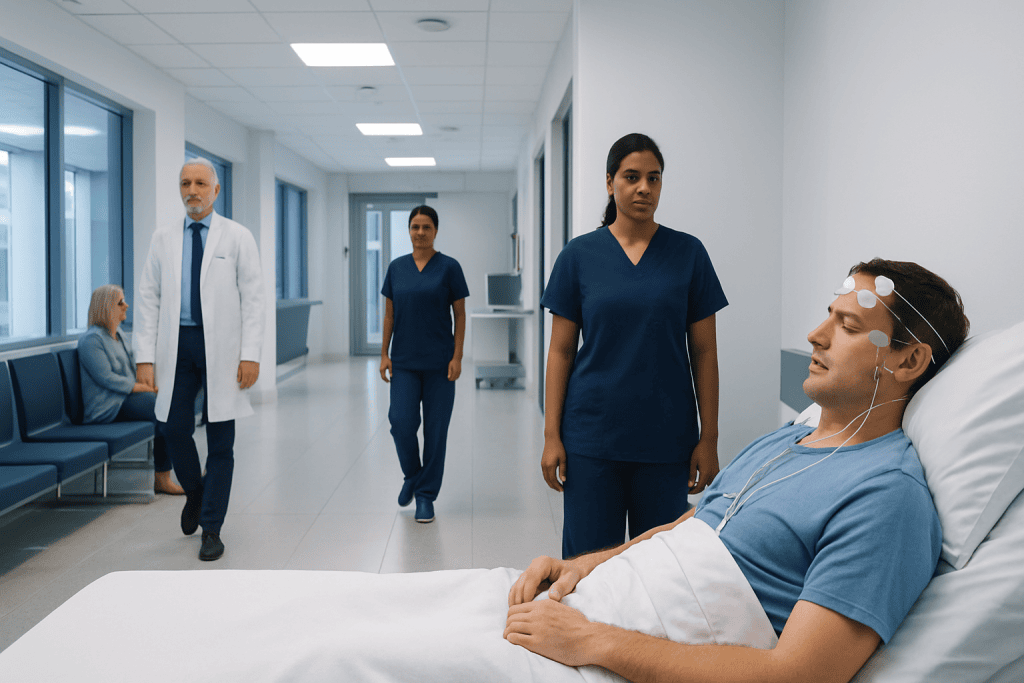
An overnight sleep study, also called polysomnography, records sleep stages, breathing, heart rhythm, and body movements. It helps evaluate neurological sleep disorders such as narcolepsy, REM sleep behavior disorder, periodic limb movement disorder, and sleep-related seizures.
Key Takeaways
- An overnight sleep study, also called polysomnography, records sleep stages, breathing, heart rhythm, and body movements.
- It helps evaluate neurological sleep disorders such as narcolepsy, REM sleep behavior disorder, periodic limb movement disorder, and sleep-related seizures.
- The test is painless, and sensors are placed on the skin to monitor the body during sleep.
- Results are reviewed alongside symptoms, medical history, and sometimes additional tests.
- Preparation is simple and usually includes avoiding caffeine late in the day and following the sleep center’s instructions.
An overnight sleep study is a common, noninvasive test that helps doctors understand how the brain and body function during sleep. It can be especially useful when neurological sleep disorders are suspected, including conditions that affect movement, behavior, breathing, or daytime alertness.
Overview: What an Overnight Sleep Study Is
An overnight sleep study, often called polysomnography, is a detailed test performed while a person sleeps. It records several body functions at the same time, including brain waves, eye movements, muscle activity, breathing, oxygen levels, heart rhythm, and leg movements. By looking at these signals together, doctors can see how sleep is structured and whether anything abnormal is interrupting it.
In neurological sleep medicine, this test is especially helpful because many sleep problems involve the brain and nervous system. Some conditions affect sleep stages, some trigger unusual movements or behaviors during sleep, and others lead to extreme daytime sleepiness. A sleep study can provide objective information that symptoms alone may not fully explain.
Although spending a night in a sleep laboratory may sound unfamiliar, the test is designed to be as comfortable as possible. It is noninvasive, and most of the equipment is attached externally with adhesive sensors. Trained staff monitor the recordings overnight and can assist if anything is needed.
Why It Is Used for Neurological Sleep Disorders
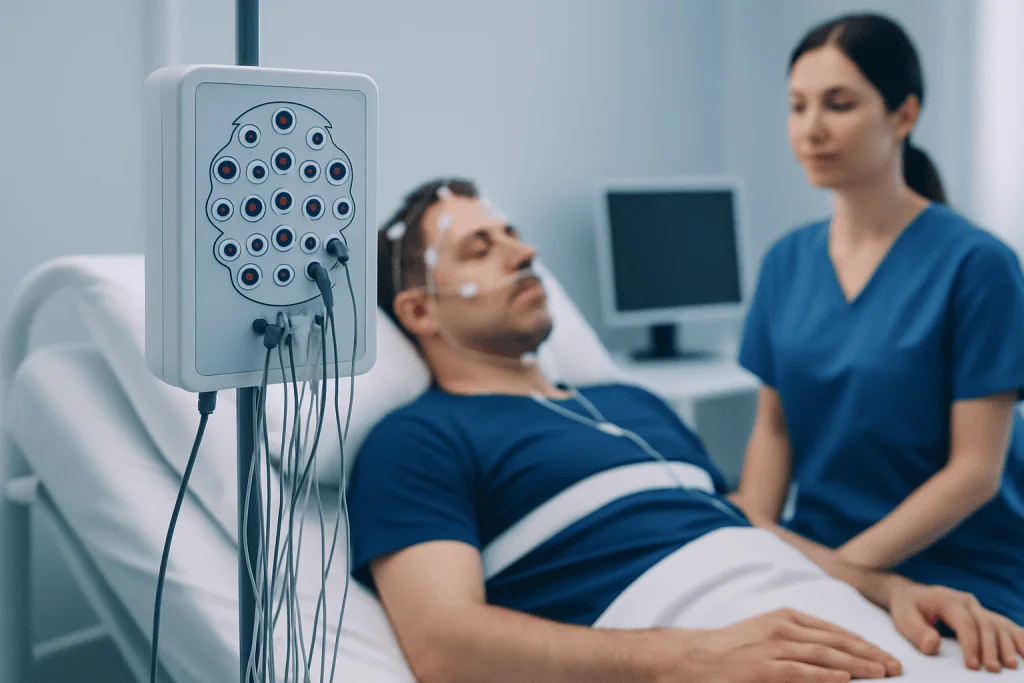
Doctors may recommend an overnight sleep study when symptoms suggest a disorder involving sleep regulation, movement during sleep, unusual behaviors, or possible nighttime seizures. The test can help distinguish between different conditions that may appear similar from the patient’s perspective. For example, vivid dream enactment, repeated limb jerks, and events that resemble seizures can each require a different treatment approach.
Neurological sleep disorders that may be evaluated with sleep testing include narcolepsy, REM sleep behavior disorder, periodic limb movement disorder, central hypersomnia, and some parasomnias. In some cases, an overnight study is also paired with additional daytime testing, such as a multiple sleep latency test, to better assess severe sleepiness. Depending on symptoms, doctors may also consider conditions such as epilepsy or coexisting breathing-related sleep disorders.
A sleep study may also be recommended when a person has unexplained daytime fatigue, episodes of sudden sleep, unusual nighttime movements, confusion after sleep, or symptoms that suggest disrupted sleep architecture. The results can guide whether treatment should focus on sleep habits, medication, neurological care, breathing support, or a combination of these.
What Symptoms May Lead to a Sleep Study
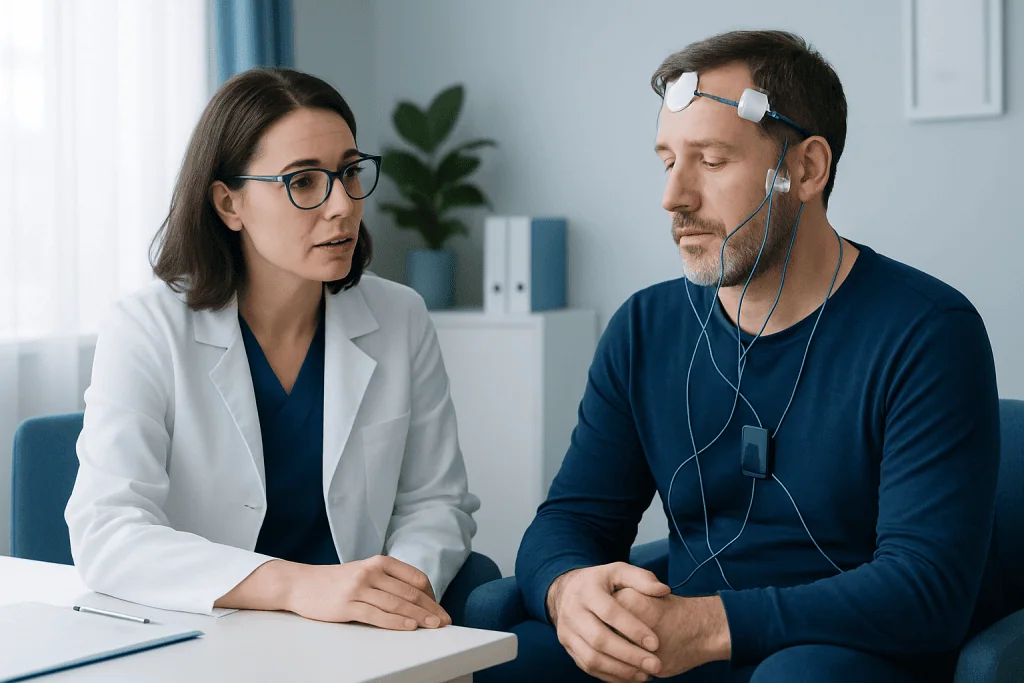
Symptoms that prompt referral for overnight testing often involve more than simple poor sleep. A person may feel excessively sleepy during the day despite spending enough time in bed. They may also report vivid dreams with movement, sleep talking, acting out dreams, repeated kicking, nighttime shaking, or episodes that a bed partner notices but the person does not remember.
Doctors also pay attention to patterns such as difficulty staying awake during quiet activities, sudden muscle weakness triggered by emotion, morning headaches, frequent awakenings, confusion on waking, or injuries that occur during sleep-related behaviors. These details help determine whether the concern is mainly neurological, breathing-related, or both.
Common reasons to investigate with an overnight study include:
- Excessive daytime sleepiness
- Suspected narcolepsy or hypersomnia
- Dream enactment or violent movements during sleep
- Repeated leg jerks or restlessness at night
- Episodes concerning for sleep-related seizures
- Unexplained fragmented sleep
- Loud snoring or witnessed pauses in breathing alongside neurological symptoms
Because these symptoms can overlap with other sleep conditions, a thorough medical evaluation remains important. A sleep study provides one part of the overall picture rather than a diagnosis in isolation.
What to Expect Before and During the Test
Before the study, the sleep team usually provides instructions about eating, drinking, medications, and arrival time. Patients are often advised to avoid caffeine later in the day and not to use alcohol unless the doctor says otherwise. It is usually helpful to bring comfortable sleepwear, any regular evening medications, and items that make the bedtime routine feel familiar.
After arrival, a technologist places small sensors on the scalp, face, chest, and legs using a gentle adhesive or paste. These sensors measure brain activity, eye movements, muscle tone, heart rhythm, breathing effort, airflow, and oxygen levels. A small camera and microphone may also be used so the team can observe body movements and vocalizations during sleep.
Once connected, the patient can usually move in bed and sleep in a fairly normal position. The room is set up to be quiet, private, and comfortable. While sleeping in a lab may feel different at first, sleep specialists can still gather useful information even if the person feels they did not sleep perfectly.
In some cases, the doctor may request expanded monitoring, such as a more detailed brain wave recording when sleep-related seizures are suspected. If breathing abnormalities are also being assessed, the study may identify whether additional evaluation or treatments such as sleep apnea treatment should be considered.
How Doctors Interpret the Results
After the study, a sleep specialist reviews the recordings in detail. The goal is to understand how long the person slept, how often they awakened, which sleep stages were reached, and whether abnormal movements, breathing changes, or unusual behaviors occurred. Brain wave patterns can show whether sleep cycles are normal and whether events happen during REM or non-REM sleep.
The report may include measures such as total sleep time, sleep efficiency, oxygen levels, breathing events, heart rhythm changes, limb movements, and evidence of disrupted REM muscle control. In neurological conditions, these findings can be especially useful. For example, loss of the usual muscle relaxation during REM sleep may support concern for REM sleep behavior disorder, while a pattern of early REM onset may suggest narcolepsy when combined with daytime testing.
Sometimes the overnight study provides a clear answer, but sometimes it points to the need for more testing. Additional tools may include daytime sleep studies, EEG, imaging, blood work, or specialist neurological evaluation. If symptoms involve nighttime episodes concerning for seizures or other brain-related events, the care plan may include neurology evaluation or more advanced monitoring.
Possible Diagnoses and Treatment Options
Treatment depends on the condition identified. For some patients, the main issue is a sleep-wake regulation disorder such as narcolepsy or hypersomnia. Others may have a movement disorder during sleep, a parasomnia, a seizure-related condition, or a breathing problem that is worsening sleep quality. The sleep study helps direct care toward the underlying cause rather than only the symptom of tiredness.
Common treatment approaches may include improving sleep habits, adjusting medications, treating coexisting depression or anxiety, addressing breathing abnormalities, or using safety measures to prevent injury during nighttime behaviors. For periodic limb movement disorder or related symptoms, doctors may look for contributing factors such as iron deficiency or medication effects. If dream enactment is present, making the sleep environment safer is an important part of care.
When neurological conditions are involved, treatment may be coordinated between sleep specialists, neurologists, pulmonologists, and sometimes psychiatrists. Depending on the findings, care may overlap with services such as epilepsy treatment or management of other neurological disorders. The right plan is individualized, and follow-up helps determine whether symptoms are improving over time.
Preparing Well and Taking Care After the Study
Good preparation can make the experience smoother. It often helps to maintain a regular sleep schedule for several days before the test unless the doctor gives different instructions. Patients should ask in advance whether to continue their usual medicines, because some drugs can affect sleep stages or the appearance of symptoms.
On the day of the study, it is often recommended to avoid naps unless directed otherwise. Clean, dry hair without oils or sprays can make sensor placement easier. Most people return home the next morning and resume normal activities unless they were told not to drive because of severe sleepiness.
After the study, results are usually discussed at a follow-up visit rather than immediately. This gives the specialist time to analyze the recording carefully. If the findings suggest a broader neurological condition, a comprehensive plan may include further testing, long-term follow-up, and in some cases referral for clinical neurophysiology services.
When to See a Doctor
A doctor should be consulted if sleep symptoms are persistent, worsening, or affecting daily life. Excessive daytime sleepiness, repeated nighttime behaviors, falls out of bed, possible seizure-like events, and episodes of suddenly falling asleep all deserve medical attention. Early evaluation can help identify treatable causes and reduce the risk of injury or ongoing disruption to work, school, and relationships.
Urgent medical attention is especially important if nighttime events involve injuries, breathing pauses, confusion with loss of awareness, chest symptoms, or safety concerns while driving or operating machinery. A bed partner’s observations can be very useful, since many sleep-related events are not remembered clearly by the patient.
For international patients seeking assessment, Acibadem International’s multidisciplinary specialists and JCI-accredited hospitals evaluate neurological sleep disorders using modern diagnostic methods and coordinated care. The most appropriate next step depends on the person’s symptoms, history, and overall health, so a qualified doctor should guide diagnosis and treatment.
Frequently asked questions
Is an overnight sleep study painful?
No. An overnight sleep study is generally painless because it uses sensors placed on the skin rather than needles or surgery. Some people find the wires unfamiliar, but the test itself is noninvasive and usually well tolerated.
Can someone sleep normally with all the sensors attached?
Many people worry about this, but useful information can still be collected even if sleep feels lighter than usual. Sleep specialists are trained to interpret studies in real-life conditions, and a full night of perfect sleep is not always necessary for helpful results.
What neurological conditions can an overnight sleep study help detect?
It can help evaluate disorders such as narcolepsy, REM sleep behavior disorder, periodic limb movement disorder, parasomnias, and some sleep-related seizure concerns. The study may also reveal coexisting breathing-related sleep problems that affect the brain and overall sleep quality.
How should a patient prepare for the test?
Preparation usually includes following the sleep center’s instructions about caffeine, alcohol, medications, and arrival time. It is often helpful to bring comfortable sleepwear and maintain a regular sleep schedule in the days before the study unless a doctor advises otherwise.
Will results be available the next morning?
Usually not. The recording needs to be reviewed carefully by a sleep specialist, which takes time. Results are often discussed at a later appointment along with any recommended next steps.
Is an overnight sleep study the same as a home sleep test?
No. A home sleep test usually focuses mainly on breathing-related problems such as obstructive sleep apnea. An overnight laboratory sleep study is more comprehensive and is often preferred when neurological sleep disorders are being evaluated.
What happens if the study does not show a clear answer?
If the findings are not definitive, the doctor may recommend additional testing based on the symptoms. This can include daytime sleep testing, EEG, neurological examination, or other studies to better understand the cause of the problem.
References
- American Academy of Sleep Medicine
- National Institute of Neurological Disorders and Stroke
- National Heart, Lung, and Blood Institute
- MedlinePlus
- International Classification of Sleep Disorders
This article is for general information only and is not a substitute for professional medical advice. Please consult a qualified doctor about your individual situation.
Explore treatments in Turkey — costs, top hospitals & a free quote
JCI-accredited · board-certified surgeons · reply within 24h
Add us as a Preferred Source to see more of our trusted health content across Google Search, AI Overviews and Discover.

More from the Health Library



Related Specialists

Prof. Dr. Can Küçük
General Surgery
Dr. Cemile Alçay
Gynecology & Obstetrics
Prof. Dr. Meltem Serin
Radiation Oncology
Dr. Nigar Aliyeva
Pediatric & Adolescent Psychiatry