

How Pain Control Is Managed After Surgery in Turkey

Pain control after surgery in Turkey is usually planned in advance with medicines, monitoring, and discharge advice so you stay comfortable and recover safely.
If you are coming to Turkey for surgery, it helps to know how pain relief is usually planned before, during, and after your procedure. This guide walks you through what you can expect, what to ask, and how to manage your recovery safely once you leave the hospital.
At a glance
- Best for: International patients planning surgery and recovery in Turkey
- Main goal: Keep you comfortable enough to rest, move, breathe deeply, and recover safely
- Pain plan includes: Assessment, medication schedule, monitoring, and discharge instructions
- Who helps: Your surgeon, anesthesiologist, ward nurses, and international patient team
- Before you leave: You should understand your medicines, warning signs, and follow-up plan
What pain control after surgery in Turkey usually looks like
Pain control after surgery in Turkey is usually organized as part of your overall treatment plan, not left until after the operation. Before surgery, your team will review your health history, current medicines, allergies, and any previous problems with pain relief, nausea, or anesthesia. This helps them choose an approach that is safer and more suitable for you.
After surgery, your pain is typically checked regularly by nurses and doctors using a simple pain scale, often by asking you to rate your pain from 0 to 10. The goal is not always to make you feel absolutely nothing, because some soreness is expected after an operation. The aim is to keep pain controlled enough that you can rest, cough if needed, breathe deeply, start gentle movement, and recover without unnecessary distress.
In hospitals that regularly care for international patients, such as Acibadem International facilities, the process is usually supported by structured aftercare, multilingual communication, and clear discharge teaching. That can be especially helpful if you are recovering away from home and want practical guidance about what is normal, what needs attention, and how to take your medicines correctly.
How your pain relief plan may be tailored to you
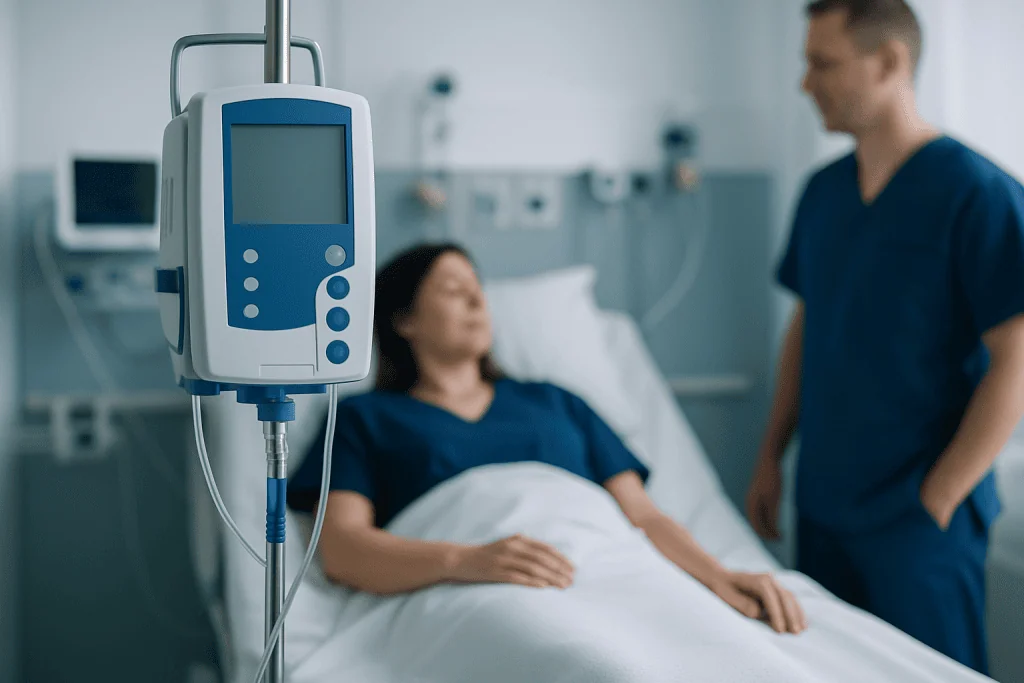
Your pain relief plan depends on several factors, including the type of surgery, how long the procedure takes, whether it is open or minimally invasive, your age, your general health, and how sensitive you are to certain medicines. Someone having a small day procedure will usually need a different approach from someone recovering from major abdominal, orthopedic, or chest surgery.
Your medical team may also adjust the plan if you have asthma, sleep apnea, kidney or liver disease, stomach ulcers, a history of nausea, or previous reactions to strong pain medicine. If you already take regular pain medication, blood thinners, antidepressants, or supplements, this is important to mention early because it may affect what can be prescribed safely.
If you are anxious about pain, say so before surgery. Anxiety can make pain feel more intense, and your team can often help by explaining what to expect hour by hour and day by day. At Acibadem International, international patient services can also help make sure language does not become a barrier when you are trying to describe pain or understand instructions.
- Type and size of surgery matter
- Your existing medical conditions matter
- Your previous experience with pain medicines matters
- Good communication matters just as much as medication
The kinds of pain relief you may receive

Many patients receive a combination of pain control methods rather than relying on one medicine alone. This can include regular tablets, intravenous medicine in the hospital, local anesthetic techniques, and medicines for muscle spasm or inflammation where appropriate. Using more than one method can sometimes improve comfort while reducing the need for higher doses of a single drug.
You may hear about scheduled pain medicine and breakthrough pain medicine. Scheduled medicine is given at planned times to keep pain from building up too much, while breakthrough medicine is used if pain increases despite the regular plan. It is often easier to control pain early than to wait until it becomes severe, so it is usually best to tell your nurse promptly if your pain is getting worse.
Not all pain relief is medication-based. Positioning, ice or heat if advised, splinting the wound when coughing, short walks, relaxation breathing, and good sleep can all play a role. For some surgeries, early movement under supervision is an important part of pain management because stiffness can increase discomfort.
If you feel sleepy, dizzy, itchy, nauseated, constipated, or confused after pain medicine, tell your team. These side effects are often manageable, but they should not be ignored. Safe pain control means balancing comfort with alertness, breathing safety, and your ability to start recovering well.
What to expect in the hospital and before discharge
In the first hours after surgery, your team will usually focus on close monitoring. Nurses may check your pain score, breathing, blood pressure, mobility, wound area, and how well you are drinking or eating. If your pain is not controlled, your plan may be adjusted rather than simply asking you to tolerate it.
Before discharge, you should receive practical instructions that make sense to you. These usually include which medicines to take, what time to take them, whether to take them with food, which medicines are only for stronger pain, and what side effects or interactions to watch for. If anything is unclear, ask for it to be repeated or written down in simple steps.
If you are traveling from abroad, discharge planning matters even more. You may need guidance on moving around your hotel, climbing stairs, showering, sleeping positions, meal timing, and whether you are fit to travel. Acibadem International teams often help international patients coordinate these practical points, including interpreter support and follow-up communication once they leave the hospital.
Managing pain safely at your hotel or recovery apartment
Once you are back at your accommodation, the biggest challenge is often staying ahead of pain without overdoing activity. Try to follow the schedule you were given rather than waiting until pain becomes intense. Keep your medicines in their original packaging, set phone alarms for dose times, and avoid taking extra over-the-counter medicines unless your doctor has said they are safe to combine.
Hydration, light meals if allowed, and short periods of walking can all support recovery. If constipation is a concern, this can become more noticeable after surgery and pain medication, so ask early what is safe to do. Rest is important, but staying in bed all day can sometimes make you feel stiffer and more uncomfortable.
If a family member or companion is with you, it helps if they understand the medicine schedule and warning signs too. If you are alone, keep your phone charged, your care coordinator’s contact details nearby, and a simple written plan by your bedside. This is especially useful if you wake up during the night and are unsure whether your symptoms are expected.
- Take medicines exactly as prescribed
- Do not drive or make major decisions if you feel drowsy
- Ask before mixing pain medicine with alcohol or sleep aids
- Keep follow-up appointments even if pain seems manageable
When pain is normal, and when you should ask for help
Some soreness, pulling, tightness, swelling, bruising, and discomfort with movement can be normal after surgery. Pain often changes from day to day, and sometimes it feels worse when local anesthetic wears off or when you start moving more. Mild improvement may be gradual rather than dramatic, especially in the first few days.
What matters most is the overall pattern. If pain is becoming steadily more severe, is suddenly different in character, or is not controlled by the medicine plan you were given, contact your care team. The same applies if pain comes with fever, heavy bleeding, worsening redness, unusual swelling, chest pain, trouble breathing, calf pain, repeated vomiting, fainting, or confusion.
If you have had surgery through Acibadem International, use the contact route provided by your care team rather than guessing or searching online while you are uncomfortable. International patient coordinators can help direct you quickly to the right department, arrange interpretation if needed, and clarify whether you should be seen urgently, monitored, or simply reassured.
Step by step
- Discuss pain concerns before surgery. Before your procedure, tell your team if you are worried about pain, nausea, constipation, allergies, or past reactions to anesthesia or pain medicine. This gives your surgeon and anesthesiologist more information to build a plan that fits you.
- Learn your pain scale and report early. After surgery, you will usually be asked to rate your pain regularly. Do not wait until the pain feels overwhelming; letting your nurse know early often makes it easier to control.
- Understand each medicine before discharge. Ask what each medicine is for, how often to take it, and which one is for regular use versus stronger breakthrough pain. Also ask what side effects are common and which symptoms mean you should stop the medicine and seek advice.
- Set up a simple recovery routine. Use alarms, keep water nearby, and plan short walks, rest periods, and meals around your medication schedule. A predictable routine can reduce stress and help you notice quickly if something changes.
- Use non-medicine comfort measures too. If your team agrees, combine medication with positioning, gentle movement, breathing exercises, and any approved cold or heat therapy. These small steps can make a meaningful difference, especially between doses.
- Keep emergency and follow-up contacts handy. Save your hospital, surgeon's office, and international patient coordinator numbers in your phone before discharge. If you are staying in a hotel, make sure your companion or reception also knows how to reach help if needed.
Your checklist
- Bring a list of your regular medicines, vitamins, and allergies
- Ask how your pain will be monitored after surgery
- Confirm which pain medicines you should avoid mixing
- Set alarms for medication times after discharge
- Keep written instructions in English and, if needed, your own language
- Arrange help for the first 24 to 48 hours if possible
- Ask when you can walk, shower, travel, and climb stairs
- Know the warning signs that require urgent medical advice
Key takeaways
- Pain control after surgery in Turkey is usually planned before your operation and monitored closely afterward.
- Good pain relief aims to keep you comfortable enough to rest, breathe deeply, and start moving safely.
- Medication schedules, side effects, and warning signs should be clear before you leave the hospital.
- International patients should keep contact details, written instructions, and follow-up plans easily accessible.
- If pain is worsening or comes with red-flag symptoms, contact your surgical team promptly.
Frequently asked questions
Will I be completely pain-free after surgery?
Usually, the goal is not total absence of all discomfort but pain that is controlled well enough for safe recovery. You should be comfortable enough to rest, move carefully, breathe deeply, and follow your aftercare instructions.
What if I am worried about strong pain medicines?
Tell your doctors before surgery if you are concerned about side effects such as nausea, drowsiness, or constipation. Pain relief plans can often be adjusted, and many patients receive a combination of methods rather than relying only on one strong medicine.
Can I buy extra pain medicine myself in Turkey?
You should not add medicines on your own without checking with your treating team. Some pain relievers can interact with your prescription medicines, affect bleeding risk, or be unsuitable after certain operations.
How long will I need pain medicine after surgery?
This depends on the type of surgery, your general health, and how quickly you recover. Some patients need only a short course, while others taper their medicine over a longer period under medical guidance.
Is it normal for pain to increase when I start moving more?
Mild increases in discomfort can happen when you begin walking, coughing, or changing position more often. However, severe or steadily worsening pain should be reported, especially if it comes with swelling, fever, breathing problems, or unusual bleeding.
What if I do not speak Turkish?
Hospitals experienced with international care usually have interpreter or coordination support to help you communicate symptoms and understand instructions. At Acibadem International, international patient services can help with practical communication before discharge and during follow-up.
Can I fly soon after surgery if my pain is controlled?
Pain control is only one part of travel readiness. Your surgeon will also consider your wound, mobility, risk of complications, and the type of surgery before advising when it is safe to travel.
Add us as a Preferred Source to see more of our trusted health content across Google Search, AI Overviews and Discover.
More Patient Guides

When Can You Wear a Hat After a Hair Transplant?
You can usually wear a loose, clean hat after a hair transplant once your surgeon confirms grafts are protected—often around days 7–14.
8 min read
Flying After Knee or Hip Replacement Surgery
Flying after knee or hip replacement surgery is usually delayed until your surgeon confirms you can travel safely; plan mobility, clot prevention…
8 min read
Open vs Closed Rhinoplasty Recovery: Differences Explained
Open vs closed rhinoplasty recovery is usually similar overall, but open surgery may cause longer tip swelling. Learn timelines, travel and aftercare…
9 min read