

Pre-Admission Tests in Turkey: Why They May Change Your Treatment Plan

Pre-admission tests in Turkey help confirm if your planned treatment is still the safest option and may change timing, technique, or next steps.
If your treatment plan changes after hospital testing, it usually means your care team has learned something important about your current health. In Turkey, pre-admission tests are used to confirm safety, timing, and the most suitable approach before you move forward.
At a glance
- Main purpose: To confirm that your planned treatment is safe, appropriate, and timed correctly
- Why plans change: New test results can reveal risks, infections, medication issues, or a need for a different approach
- Common tests: Blood work, urine tests, ECG, chest imaging, specialist reviews, and anesthesia assessment
- What it may affect: Your treatment date, procedure type, hospital stay, or whether extra consultations are needed
- Good to bring: Passport, prior reports, medication list, allergy details, and imaging discs or links
- Support available: International patient coordinators, interpreters, and travel planning assistance
Why pre-admission tests matter before treatment
When you travel for treatment, it is natural to hope everything will go exactly as originally discussed. But your first plan is often based on the medical records, scans, and information available before you arrive. Pre-admission tests in Turkey give your hospital team an up-to-date picture of your health right now, not weeks or months ago.
That matters because your body can change between your initial consultation and admission. A blood result may be different, a new infection may appear, a medication may need to be adjusted, or imaging may show that the safest route is not the one first expected. In many cases, changing the plan is not bad news; it is a sign that your team is checking carefully instead of proceeding on assumptions.
At Acibadem International, pre-admission testing is usually coordinated as part of the admission pathway for international patients. Because care often involves multiple specialists, these checks help the team align on the safest timing, the right hospital unit, and any extra support you may need during your stay.
Which tests you may be asked to complete
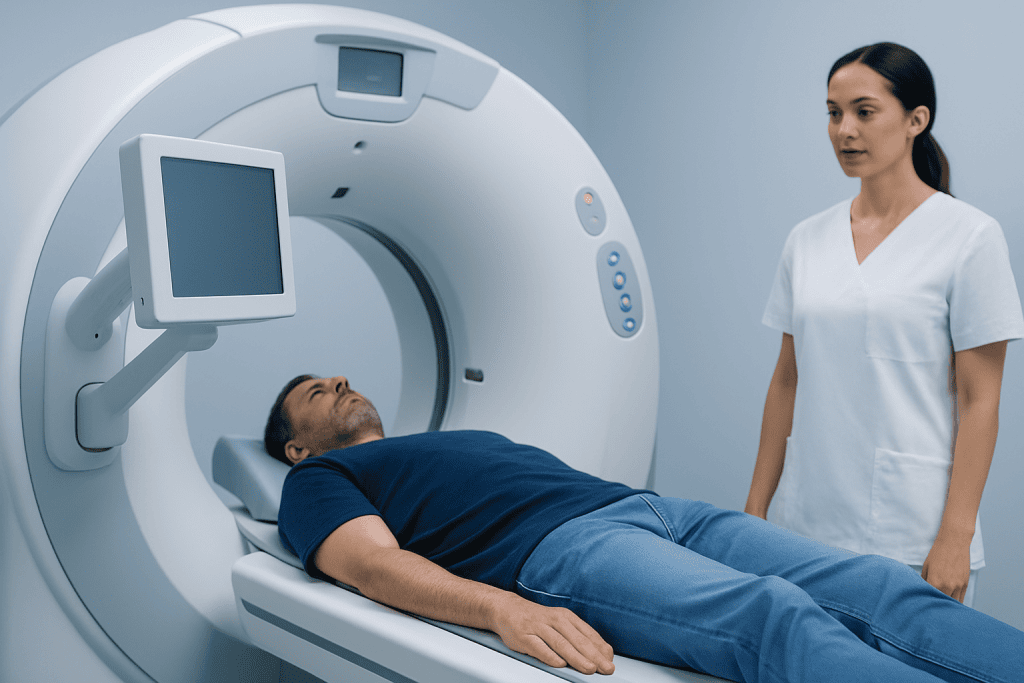
The exact tests depend on your age, symptoms, medical history, and the treatment you are coming for. Some patients only need standard blood work and a brief review, while others may need heart checks, repeat imaging, or opinions from more than one specialist. Your coordinator will usually explain what is routine and what is being requested for a specific reason.
Common pre-admission tests may include complete blood counts, kidney and liver function tests, clotting tests, blood sugar checks, urine analysis, ECG, chest X-ray, and updated ultrasound, CT, or MRI imaging if needed. If you have a chronic condition such as diabetes, high blood pressure, heart disease, or thyroid disease, you may also be asked to see a related specialist before final clearance.
You may also have an anesthesia assessment. This is especially important if you are having surgery, sedation, or a procedure that affects breathing, circulation, or recovery time. The anesthesiology team may ask about previous reactions, dental work, sleep apnea, smoking, or whether you use blood thinners or supplements.
- Standard laboratory tests
- Heart rhythm or cardiac review
- Repeat or updated imaging
- Specialist consultations for existing conditions
- Anesthesia fitness assessment
Why your treatment plan may change after testing

A change in plan usually happens because the test results give a clearer or more current picture than the records sent in advance. For example, a blood test may show anemia, an electrolyte imbalance, inflammation, or a clotting issue. Imaging may show that the area being treated has changed in size, location, or complexity since your previous scan.
Sometimes the treatment itself remains appropriate, but the timing changes. Your doctor may recommend treating an infection first, stabilizing blood pressure, improving blood sugar control, or stopping certain medications for a safer period before admission. In other situations, the original treatment may still happen, but with a modified technique, a different specialist involved, or a longer observation period afterward.
Less commonly, testing may show that a different treatment path is safer or more effective than the one first discussed. That can feel disappointing if you traveled expecting one specific procedure. But in practice, this is exactly why pre-admission tests in Turkey are valuable: they reduce avoidable risk and help your team make decisions based on real-time medical information rather than outdated assumptions.
How changes may affect your schedule, stay, and travel plans
If your treatment plan changes, the first impact is often practical rather than medical. Your admission date may move, you may need an extra night in Istanbul or another Turkish city, or your hospital stay may become shorter or longer than expected. You may also need another clinic visit before the team can confirm the final schedule.
This is why it helps to keep your itinerary slightly flexible if possible. Avoid booking an immediate return flight on the assumption that your treatment and discharge will happen exactly on the earliest estimate. Even when everything goes smoothly, final decisions are often confirmed only after testing, specialist review, and anesthesia clearance.
Acibadem International’s international patient services can help coordinate these logistics, including interpreter support, appointment flow, and practical guidance around accommodation and transport. If a plan changes, ask your coordinator what this means for your room booking, companion arrangements, airport transfer timing, and any paperwork needed for your employer, insurer, or embassy.
What you can do to make testing smoother
You can make the process much easier by arriving prepared. Bring your passport, previous reports, pathology results if relevant, a medication list with doses, and details of any allergies or reactions. If you have imaging from another country, bring both the written report and the image files on disc, USB, or secure digital link if available.
Be as accurate as possible when answering questions about medications, supplements, smoking, alcohol, previous surgeries, implanted devices, and chronic conditions. Many treatment plan changes happen simply because an important detail was not shared early enough. Even vitamins, herbal products, or injections you think are minor can affect anesthesia, bleeding risk, or test interpretation.
It also helps to follow preparation instructions closely. You may be told to fast, pause certain medicines, drink water, or arrive at a specific time for blood sampling or imaging. If anything is unclear, ask before the appointment. At a large international hospital group such as Acibadem International, coordinators and interpreters can help you understand what to do and what to expect on the day.
How to respond if your doctor recommends a different next step
If you are told your plan has changed, ask for a plain-language explanation. You should understand whether the change is due to safety, new findings, a need for more information, or a better treatment option. It is reasonable to ask what the tests showed, whether the change is temporary or permanent, and what must happen before you can proceed.
It can also help to ask practical questions right away: Will this delay admission? Do you need another consultation? Should your companion change hotel or return-flight arrangements? Are there medication changes you need to start today? Getting clear answers early can reduce stress and help you make decisions calmly.
If you are receiving care through Acibadem International, your patient coordinator can help you organize the next steps across departments. In a multidisciplinary setting, this often means bringing together the treating specialist, radiology, laboratory, and anesthesia teams so that you receive one clear pathway instead of separate pieces of information.
Step by step
- Send your records before you travel. Share recent reports, imaging, medication lists, and medical history as early as possible. This helps the hospital team identify which tests you are likely to need and reduces surprises after arrival.
- Keep your travel schedule a little flexible. Try not to plan your return on the earliest possible day unless your team confirms it is realistic. Pre-admission test results can affect timing, observation needs, and whether extra consultations are required.
- Complete all requested tests promptly. Do blood work, imaging, and specialist reviews as soon as they are scheduled. Delays in testing often lead to delays in treatment decisions, admission, and discharge planning.
- Ask what each result means for your plan. If a doctor mentions an abnormal result, ask how it changes the next step. You do not need to interpret the numbers yourself, but you should understand whether the issue affects safety, timing, or the type of treatment recommended.
- Update the team about every medication and supplement. Tell your doctor about prescriptions, injections, over-the-counter painkillers, herbal products, and vitamins. Some products affect bleeding, blood pressure, blood sugar, or anesthesia and may require a pause or adjustment.
- Coordinate the practical details early. If the plan changes, review flights, accommodation, airport transfer, and companion arrangements right away. Your international patient coordinator can often help you understand which bookings may need to move.
- Leave with a written summary of the next step. Before you go back to your hotel or accommodation, make sure you know the revised plan. Ask for timing, instructions, medication changes, fasting rules, and the contact point if you have questions later.
Your checklist
- Passport and hospital registration documents
- Recent medical reports and previous test results
- Imaging reports plus scan files on disc, USB, or digital link
- Full medication and supplement list with doses
- Details of allergies and any prior anesthesia reactions
- Names of your chronic conditions and past surgeries
- Comfortable clothing for clinic visits and imaging appointments
- A notepad or phone to record instructions and schedule changes
Key takeaways
- Pre-admission tests in Turkey are used to confirm that your treatment is still the safest option at the time of admission.
- Your plan may change because of new blood results, imaging findings, infection, medication issues, or anesthesia-related concerns.
- A change may affect timing, length of stay, travel logistics, or the type of specialist input you need.
- Bringing complete records and giving accurate medication information can reduce avoidable delays.
- International patient coordinators and interpreters can help you navigate both medical and practical next steps.
Frequently asked questions
Is it normal for a treatment plan to change after I arrive in Turkey?
Yes. Initial treatment discussions are often based on the records available before travel, while pre-admission tests reflect your current condition. If the plan changes, it usually means your doctors are using more complete information to make a safer decision.
Does a changed plan mean something is wrong?
Not necessarily. Sometimes the change is minor, such as adjusting the date, adding a specialist review, or modifying medication instructions. In other cases, it may mean your team found a risk that is better addressed before treatment continues.
What kinds of results most commonly delay admission or treatment?
Common reasons include infection, anemia, blood sugar problems, blood pressure that is not well controlled, abnormal clotting results, or new imaging findings. Anesthesia concerns, medication interactions, and untreated heart or lung issues can also lead to postponement until it is safer to proceed.
Should I book my return flight only after testing is complete?
If possible, leave some flexibility in your travel plans until your hospital confirms the final schedule. Even when your treatment date is tentatively set, tests and specialist reviews may still affect admission timing or recovery needs.
Can I refuse an additional test if I already had it in my home country?
You can always discuss why a repeat test is being requested. In many cases, the hospital needs a more recent result, a different imaging protocol, or a test performed under its own quality and safety standards before treatment can go ahead.
How can Acibadem International help if my plan changes?
Acibadem International can help coordinate appointments, interpreters, and communication between departments so you are not trying to manage each step alone. If you are traveling from abroad, the team may also guide you on practical matters such as accommodation timing, transport, and what documents to keep for follow-up.
What should I ask my doctor if my tests change the plan?
Ask what the result showed, why it matters now, and whether the change is temporary or permanent. You should also ask what happens next, whether your medications change, how your travel schedule may be affected, and what signs should prompt urgent contact with the hospital.
Add us as a Preferred Source to see more of our trusted health content across Google Search, AI Overviews and Discover.
More Patient Guides

At Acibadem, How to Prepare for Blood Tests, Scans, and Pre-Op Checks
Blood tests, scans, and pre-op checks at Acibadem in Turkey help confirm you are ready for treatment and avoid delays on the…
8 min read
Medical Test Results in Turkey: How to Understand the Next Step in Your Plan
Medical test results in Turkey usually lead to a clear next-step plan: review findings, confirm urgency, ask for copies, and arrange follow-up…
8 min read
Blood Tests and Scans Before Treatment in Turkey: Why They May Be Repeated
Blood tests and scans before treatment in Turkey may be repeated to confirm safety, compare methods, and meet hospital standards before your…
9 min read