

Aftercare Appointments in Turkey: How Many Follow-Up Visits Might You Need?

Aftercare appointments in Turkey vary by treatment, but you may need 1-3 early follow-up visits plus remote check-ins after returning home.
If you are traveling for treatment, it is normal to wonder how many follow-up visits you might need before flying home and after you return. In Turkey, the number of aftercare appointments depends on your procedure, your recovery speed, and whether your surgeon or specialist wants to monitor healing in person or remotely.
At a glance
- Typical pattern: Often 1-3 in-person follow-up visits before travel home, then remote check-ins if appropriate
- What affects the number: Type of treatment, healing progress, test results, mobility, and travel timing
- Hospital support: International patient teams can help coordinate appointments, interpreters, and travel timing
- Before you fly: You usually need medical clearance, medication instructions, and a symptom plan
- After returning home: You may continue with video reviews, local doctor checks, or imaging in your home country
How many follow-up visits might you need?
There is no single number that suits everyone. Some patients need one main review before discharge and one final check before flying home, while others need several appointments over days or weeks. Your schedule depends mostly on the kind of treatment you had, how quickly you recover, and whether your team needs to see wound healing, pain control, mobility, swelling, blood tests, or imaging results in person.
For many international patients, the usual pattern is an early post-treatment review, another check a few days later, and a final travel-readiness appointment if needed. Less invasive treatments may need fewer in-person visits, while major surgery, orthopedic procedures, cancer care, or complex treatments often involve more structured follow-up.
It also helps to think of follow-up in two phases: appointments in Turkey and monitoring after you return home. At Acibadem International, your care team can explain which visits must happen in person and which may be handled later by phone, video consultation, or coordination with a doctor in your home country.
What determines your aftercare schedule
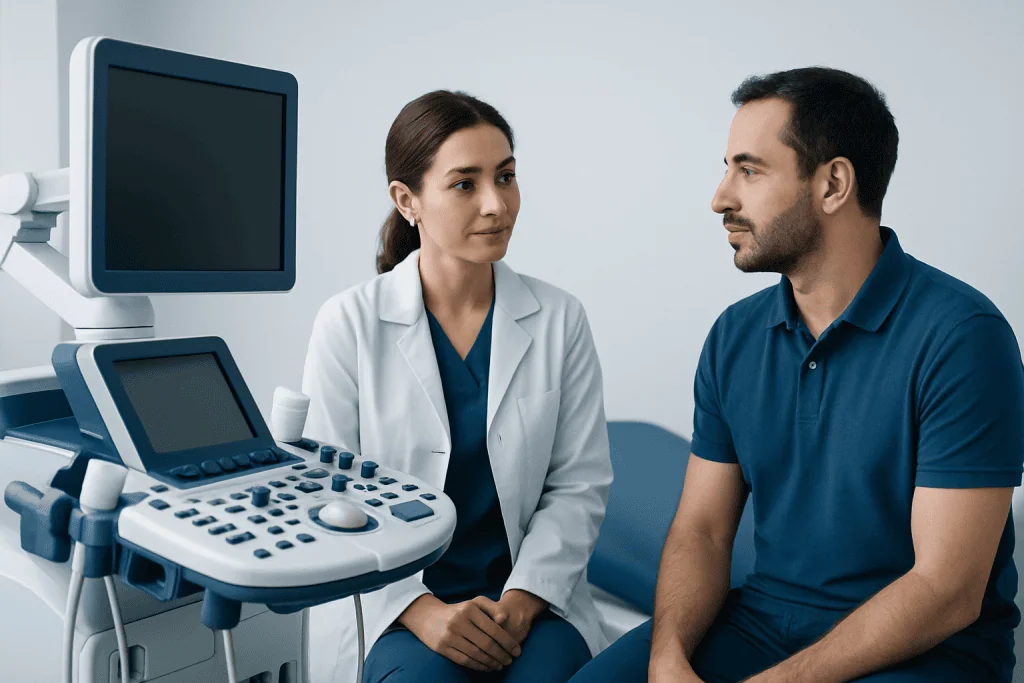
The biggest factor is the treatment itself. A minor day procedure may only require a short review and clear written instructions, while a larger operation may involve wound checks, drain removal, dressing changes, blood work, imaging, or rehabilitation planning. If your treatment affects walking, eating, breathing, or daily activity, your doctor may want extra time to confirm that recovery is progressing safely.
Your personal medical situation matters too. Age, pre-existing conditions, medications, smoking status, diabetes, mobility issues, and whether you have support with you can all influence how closely you are monitored. If you recover smoothly, the schedule may stay simple. If there is more swelling, pain, fatigue, or slower healing than expected, additional visits may be added.
Travel logistics also play a role. If you plan to fly soon after treatment, your team may arrange one more appointment close to departure. If you are staying in Istanbul or another Turkish city for a longer recovery period, your appointments may be spread out more comfortably. This is why it is wise to avoid booking a fixed return flight before your doctor gives realistic guidance.
What usually happens at a follow-up appointment

Most aftercare visits are practical and focused. Your team may review pain levels, check your temperature and vital signs, assess swelling or bruising, inspect the wound or treatment area, and ask how you are managing eating, sleeping, walking, and using medication. If you had surgery, they may discuss dressings, showering, scar care, activity limits, and warning signs.
Some appointments include simple tests such as blood work, imaging, or mobility assessment. Others are shorter reviews designed to make sure you are healing as expected and are ready for the next step, whether that is discharge from hospital, transfer to a hotel, rehabilitation, or clearance to travel home.
If you are an international patient, these visits are also a good time to ask for practical documents. You may need a fit-to-fly letter, copies of reports, medication lists, pathology or imaging records, and instructions for your doctor back home. At Acibadem International, interpreter and patient services teams can help you understand these details clearly so you leave with a plan you can actually follow.
How long should you stay in Turkey for aftercare?
Your stay should match your treatment, not just your flight preference. Some people are safe to travel within a few days, but others should remain in Turkey for one to two weeks or longer so the medical team can monitor early healing. The first days after treatment are often when questions come up about pain control, wound care, movement, bowel function, swelling, or medication side effects.
It is often easier to plan your trip in layers: hospital stay, nearby hotel or apartment stay, then return travel once cleared. This gives you some flexibility if your doctor wants an extra review. It also reduces stress if you are tired, sore, or moving more slowly than expected.
Acibadem International commonly supports patients with these logistics by helping coordinate accommodation, hospital-to-hotel planning, and appointment timing. That can be especially useful if your follow-up visits are close together and you want to stay near the hospital rather than commuting long distances across the city.
What happens after you return home
Follow-up does not always end when you leave Turkey. Many patients continue with remote check-ins, especially if the main purpose is to review symptoms, look at healing progress, adjust routine advice, or discuss test results. You may be asked to send photos of the wound, share blood test results, or arrange local imaging and then forward the reports for review.
For some treatments, your home-country doctor becomes part of the plan. This can be helpful for dressing changes, stitch or staple removal, blood pressure checks, rehabilitation, or management of existing health conditions. Before you leave Turkey, ask who should handle each part of your aftercare and what to do if your local doctor has questions.
At JCI-accredited Acibadem hospitals, international patient teams are used to helping people transition from hospital care in Turkey to follow-up at home. The key is to leave with complete records, a medication plan, emergency advice, and contact details for the right department rather than relying on memory after a long flight.
How to plan your travel around follow-up visits
Try to plan conservatively. Build in enough time for at least one unexpected review, especially after surgery or any treatment that affects mobility. If possible, choose changeable flights or travel options that allow flexibility. This can save you stress if your doctor advises a later departure.
You should also think beyond the appointment itself. Consider how you will get to and from the hospital, whether you will need a companion, how much walking is involved, and whether you can manage stairs, luggage, or airport queues. A follow-up schedule that looks simple on paper can feel much harder if you are fatigued or in pain.
A practical plan often includes a hospital bag for repeat visits, a written medication timetable, your passport and reports kept together, and local contact numbers saved in your phone. If you are staying through Acibadem International arrangements, ask the team to confirm transport timing, interpreter support, and the exact clinic location for each review so your recovery days feel more predictable.
When to ask for help sooner than scheduled
Follow-up appointments are important, but you should not wait for the next scheduled visit if something feels wrong. Seek urgent medical advice if you have severe or worsening pain, heavy bleeding, chest pain, sudden shortness of breath, fainting, confusion, high fever, new weakness, or significant swelling that seems unusual for your procedure. These symptoms may need prompt assessment.
You should also contact your care team if you cannot keep fluids down, cannot pass urine, have increasing redness or discharge from a wound, or feel that your medication is causing a concerning reaction. Even if the issue turns out to be minor, it is better to ask early than struggle alone in a hotel room or after returning home.
Before discharge, make sure you know exactly who to contact during office hours and out of hours. A good aftercare plan is not just a list of appointments; it is also a safety net. Acibadem International patient services can help international patients understand where to call, when to attend the hospital, and what information to have ready if concerns come up.
Step by step
- Ask for a realistic follow-up timeline before treatment. Before you travel, ask how many in-person reviews are usually needed for your type of treatment and how long patients commonly stay in Turkey afterward. This helps you plan flights, accommodation, work leave, and companion support without relying on guesses.
- Keep your return travel flexible. Whenever possible, avoid booking a non-changeable return date too close to your procedure. Recovery can be straightforward, but your doctor may still want one extra review before approving travel.
- Confirm which visits must be in person. Some checks need physical examination, dressing care, blood tests, or imaging, while others can be handled remotely. Knowing the difference helps you understand how long you may need to stay near the hospital.
- Prepare your aftercare documents before discharge. Ask for reports, prescriptions, fit-to-fly advice if relevant, medication instructions, and a summary for your doctor at home. Having everything in English and stored both digitally and on paper makes later follow-up much easier.
- Plan your stay around easy access to the hospital. If you expect multiple reviews, staying close to the hospital can make recovery days much less tiring. Shorter transfers are especially helpful if you have pain, limited mobility, or early-morning appointments.
- Know your remote follow-up process. Before leaving Turkey, ask how you should send updates, photos, or test results after you return home. Save the correct contact details and clarify expected response times so you know what to do if a concern appears.
- Learn the warning signs that should not wait. Make sure you understand which symptoms are expected and which need urgent review. Clear instructions can help you act quickly and confidently if recovery does not feel normal.
Your checklist
- Ask how many follow-up visits are typical for your treatment
- Leave flexibility in your return flight and hotel booking
- Stay close to the hospital if multiple visits are expected
- Keep a daily list of symptoms, temperature, pain, and medications
- Request copies of reports, imaging, prescriptions, and discharge notes
- Save emergency and after-hours contact numbers in your phone
- Confirm who will handle aftercare once you return home
- Pack loose clothing, easy shoes, and supplies for repeat clinic visits
Key takeaways
- Most international patients need at least 1-3 early follow-up contacts, but the exact number depends on treatment and recovery.
- Major surgery and complex care usually require more structured aftercare than minor procedures.
- Do not fix your return travel too tightly until your doctor gives guidance on safe timing.
- Remote follow-up after returning home is common, but some checks must happen in person.
- Leave Turkey with clear documents, medication instructions, and emergency contact details.
Frequently asked questions
Is one follow-up appointment in Turkey usually enough?
Sometimes, but not always. A minor treatment may only need one brief review, while surgery or more complex care may need several appointments before you are ready to travel. Your doctor will base this on your healing and any tests or checks you need.
Can I fly home before all follow-up visits are completed?
You should only do this if your medical team says it is appropriate. Some follow-up can happen remotely after you return home, but certain checks need to be done in person before travel, especially if there are wound, mobility, or complication concerns.
Will my aftercare continue after I leave Turkey?
In many cases, yes. You may have video consultations, share photos or reports, or work with a doctor in your home country for routine checks such as dressing care, stitch removal, blood tests, or rehabilitation.
How do I know how long to stay in Istanbul or Turkey after treatment?
The safest approach is to ask your treating team for a recommended minimum stay based on your procedure and general health. Build in extra days if possible, because recovery speed can vary and travel clearance is sometimes given later than expected.
What if I miss a scheduled follow-up visit?
Contact your hospital or international patient coordinator as soon as possible. They can advise whether the appointment should be rebooked urgently, handled remotely, or replaced with a local medical review depending on your situation.
Can Acibadem International help with the practical side of aftercare appointments?
Yes, international patient services may help coordinate appointment timing, interpreter support, hospital navigation, and practical travel or accommodation planning. This can be especially useful if you are balancing recovery needs with hotel check-out dates or return flights.
What documents should I take home for follow-up care?
Bring your discharge summary, prescriptions, test and imaging reports, operative or treatment notes if provided, and clear written aftercare instructions. It is also helpful to have contact details for the relevant department in case your local doctor needs clarification.
Add us as a Preferred Source to see more of our trusted health content across Google Search, AI Overviews and Discover.
More Patient Guides

When Can You Wear a Hat After a Hair Transplant?
You can usually wear a loose, clean hat after a hair transplant once your surgeon confirms grafts are protected—often around days 7–14.
8 min read
Flying After Knee or Hip Replacement Surgery
Flying after knee or hip replacement surgery is usually delayed until your surgeon confirms you can travel safely; plan mobility, clot prevention…
8 min read
Open vs Closed Rhinoplasty Recovery: Differences Explained
Open vs closed rhinoplasty recovery is usually similar overall, but open surgery may cause longer tip swelling. Learn timelines, travel and aftercare…
9 min read