Cataplexy: Sudden Muscle Weakness Linked to Sleep Disorders

Cataplexy causes sudden temporary muscle weakness without loss of consciousness. It is strongly associated with narcolepsy, especially narcolepsy type 1.
Key Takeaways
- Cataplexy causes sudden temporary muscle weakness without loss of consciousness.
- It is strongly associated with narcolepsy, especially narcolepsy type 1.
- Episodes may affect the face, knees, neck, or the whole body and are often triggered by emotions.
- Diagnosis is based on symptoms, sleep testing, and specialist evaluation.
- Treatment may include medicines, regular sleep habits, and practical safety strategies.
Cataplexy is a sudden, brief loss of muscle control that is often triggered by strong emotions such as laughter, surprise, or excitement. It is most commonly linked to narcolepsy and can usually be managed with the right diagnosis, lifestyle adjustments, and medical care.
Overview of Cataplexy
Cataplexy is a neurological symptom that causes sudden, temporary episodes of muscle weakness. These episodes can be mild, such as drooping eyelids or slackening of the jaw, or more noticeable, such as buckling knees or a brief collapse. A person remains awake and aware during an episode, which helps distinguish cataplexy from fainting or seizures.
Cataplexy is most closely linked to narcolepsy, a chronic sleep-wake disorder that affects the brain’s ability to regulate sleep and alertness. In many people, cataplexy is one of the main signs of narcolepsy type 1. Because the symptom can look unusual or be mistaken for another condition, some people live with it for years before receiving an accurate diagnosis of narcolepsy.
The episodes are often triggered by strong emotions, especially laughter, excitement, surprise, or sometimes anger. Although cataplexy itself is usually brief, it can affect confidence, daily activities, work, school, and safety. With proper treatment and support, many people learn to reduce the impact of cataplexy and live well with the condition.
Symptoms and What an Episode Feels Like
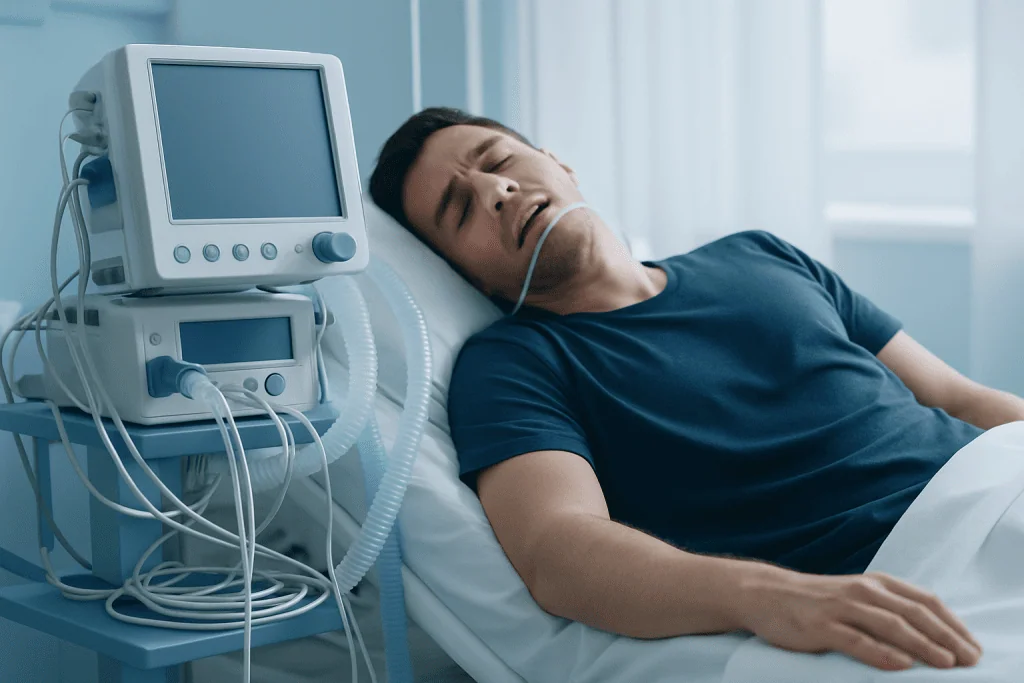
The hallmark symptom of cataplexy is a sudden loss of muscle tone. It can involve only one part of the body or several muscle groups at once. Some people notice facial weakness, slurred speech, head dropping forward, or hands becoming briefly weak. Others experience knee buckling or, less commonly, a complete collapse to the ground.
Episodes usually last from a few seconds to a couple of minutes and then resolve on their own. Consciousness is preserved, so the person can often hear and remember what is happening around them. This preserved awareness can make episodes feel frustrating or embarrassing, especially if others do not understand what is happening.
Symptoms can vary from person to person and from one episode to another. Common features include:
- Sudden facial drooping or jaw weakness
- Difficulty speaking clearly for a short time
- Weakness in the neck, arms, or legs
- Knees giving way
- Brief full-body limpness with awareness intact
Cataplexy often occurs along with other symptoms of narcolepsy, such as excessive daytime sleepiness, vivid dream-like experiences when falling asleep or waking up, and temporary inability to move during sleep transitions. When these symptoms occur together, a specialist may evaluate for sleep disorders affecting the brain’s sleep regulation systems.
Causes and Risk Factors

Cataplexy is usually related to narcolepsy type 1, which is associated with a deficiency of hypocretin, also called orexin. This brain chemical helps stabilize wakefulness and muscle control. When hypocretin levels are low, the boundaries between wakefulness and rapid eye movement (REM) sleep can become unstable. Because normal REM sleep naturally includes muscle relaxation, some of that muscle weakness may appear during wakefulness as cataplexy.
The exact reason hypocretin-producing cells are lost is not fully understood, but researchers believe autoimmune processes may play a role in many cases. Genetic factors can also increase susceptibility, although cataplexy itself is not usually directly inherited in a simple pattern. In rare situations, cataplexy-like symptoms may occur with other neurological conditions that affect the same brain pathways.
Risk factors and associated factors may include:
- Narcolepsy, especially type 1
- A family history of narcolepsy or related immune susceptibility
- Onset in childhood, adolescence, or young adulthood, though it can begin later
- Possible immune-related triggers in susceptible individuals
Cataplexy is not caused by emotional weakness, poor sleep habits alone, or a psychological problem. Emotional triggers can set off episodes, but they do not cause the underlying disorder. Understanding this can help reduce stigma and encourage proper medical evaluation.
How Cataplexy Is Diagnosed
Diagnosis begins with a detailed medical history. A doctor will ask about the pattern of weakness, common triggers, how long episodes last, and whether the person stays conscious. They will also ask about daytime sleepiness, nighttime sleep, hallucinations around sleep, and sleep paralysis. These clues are important because cataplexy is usually part of a broader sleep-wake disorder rather than an isolated symptom.
A physical and neurological examination helps rule out other causes of weakness or collapse. Depending on the symptoms, doctors may consider and exclude seizures, fainting, panic episodes, functional neurological symptoms, medication effects, or other neurological disorders. This careful evaluation is important because treatment depends on making the right diagnosis.
Sleep specialists commonly use formal sleep testing. This may include an overnight sleep study, also called polysomnography, followed by a multiple sleep latency test the next day to assess daytime sleepiness and how quickly REM sleep appears. In selected cases, additional testing may include brain imaging or laboratory studies to rule out other conditions, and sometimes cerebrospinal fluid testing for hypocretin levels. Assessment in a dedicated sleep study program can help confirm the diagnosis and guide care.
Keeping a symptom diary can also be helpful. Recording triggers, time of day, severity of weakness, and other sleep symptoms may make patterns easier to recognize and discuss during appointments.
Treatment Options
There is no single cure that eliminates cataplexy in every person, but treatment can significantly reduce episodes and improve quality of life. Care usually focuses on both cataplexy itself and associated narcolepsy symptoms such as excessive daytime sleepiness. A personalized plan is important because symptom patterns, daily needs, and response to treatment can differ.
Doctors may recommend medicines that reduce cataplexy attacks and, when needed, separate treatments to improve alertness during the day. The choice of medication depends on age, overall health, other medical conditions, and possible side effects. Because treatment plans can be complex, management is often coordinated through a neurologist or sleep medicine specialist, and in some cases through a broader neurology care team.
Non-drug strategies are also valuable. Good sleep hygiene, regular sleep and wake times, scheduled daytime naps for some patients, stress management, and reducing sleep deprivation can help lower symptom burden. Planning ahead for emotional triggers may also help, especially in social settings where laughter or excitement commonly brings on episodes.
When symptoms are significant or difficult to diagnose, specialist assessment is important. In selected situations, doctors may also evaluate for related conditions through sleep medicine services so treatment addresses the full sleep disorder picture rather than one symptom alone.
Prevention, Daily Management, and Safety
Cataplexy cannot always be prevented, but episodes can often be reduced with consistent management. One of the most helpful steps is maintaining regular sleep habits. Going to bed and waking up at the same times each day, aiming for adequate sleep, and avoiding severe sleep deprivation may improve overall symptom control.
It is also useful to identify personal triggers. For some people, laughter is the main trigger; for others, excitement, surprise, frustration, or intense emotion plays a bigger role. Knowing these patterns can help a person prepare, sit down when needed, or pause activities if they sense an episode coming.
Safety strategies may include:
- Sitting or leaning against support when strong emotions arise
- Taking extra care on stairs, around water, or during activities at height
- Discussing driving safety with a doctor if daytime sleepiness is also present
- Explaining the condition to family, teachers, or coworkers to prevent misunderstanding
Emotional well-being matters too. Some people begin to avoid social situations for fear of an episode, which can lead to isolation. Support from family, counseling when needed, and practical education about the condition can make daily life more manageable and less stressful.
When to See a Doctor
A person should see a doctor if they have repeated episodes of sudden muscle weakness, especially when triggered by laughter or other emotions. Medical assessment is also important if there is excessive daytime sleepiness, unplanned naps, vivid dream-like experiences around sleep, or temporary inability to move when waking or falling asleep. These symptoms may point toward narcolepsy and deserve specialist evaluation.
Urgent medical attention may be needed if episodes are new, severe, associated with injury, or not typical for cataplexy. For example, loss of consciousness, chest pain, prolonged confusion, one-sided weakness, or new neurological symptoms should not be assumed to be cataplexy. These features may suggest a different condition that requires prompt care.
Early diagnosis can reduce uncertainty and improve safety, school or work functioning, and treatment planning. Near the end of the care pathway, some patients may seek evaluation at centers experienced in neurological sleep disorders. Acibadem International’s multidisciplinary specialists and JCI-accredited hospitals diagnose and treat cataplexy and related sleep conditions for international patients.
Frequently asked questions
Is cataplexy the same as fainting?
No. During cataplexy, muscle weakness occurs suddenly, but the person usually remains conscious and aware of what is happening. In fainting, there is typically a temporary loss of consciousness caused by reduced blood flow to the brain.
Does everyone with narcolepsy have cataplexy?
No. Cataplexy is strongly associated with narcolepsy type 1, but not every person with narcolepsy experiences it. Some people have narcolepsy without cataplexy and may mainly struggle with daytime sleepiness and disrupted sleep.
What emotions can trigger cataplexy?
Laughter is one of the most common triggers, but excitement, surprise, anger, or strong positive emotion can also lead to an episode. Triggers vary from person to person, and some episodes may be more likely when a person is tired or under stress.
Can cataplexy be dangerous?
The episode itself is usually brief and not harmful to the brain, but it can lead to falls, injury, or unsafe situations depending on where it happens. That is why diagnosis, treatment, and practical safety planning are important.
How is cataplexy treated?
Treatment may include medicines that reduce cataplexy attacks, along with strategies to improve sleep habits and manage narcolepsy symptoms. A sleep specialist or neurologist usually tailors treatment to the person’s symptoms, daily activities, and overall health.
Can children and teenagers have cataplexy?
Yes. Cataplexy can begin in childhood or adolescence, although it may be overlooked or misunderstood at first. Children may show facial weakness, unusual movements during emotions, or sudden buckling that needs specialist evaluation.
References
- American Academy of Sleep Medicine
- National Institute of Neurological Disorders and Stroke
- National Heart, Lung, and Blood Institute
- MedlinePlus
- Mayo Clinic
This article is for general information only and is not a substitute for professional medical advice. Please consult a qualified doctor about your individual situation.
Joint and spine care in Turkey — expert assessment & treatment
JCI-accredited · board-certified surgeons · reply within 24h
Add us as a Preferred Source to see more of our trusted health content across Google Search, AI Overviews and Discover.