

Pre-Op Tests in Turkey: What International Patients Should Expect

Pre-op tests in Turkey help your team confirm safety before treatment. Expect blood work, imaging, reviews, and same-day planning in Istanbul.
If you are traveling for treatment, pre-op tests in Turkey are the final safety checks that help your care team confirm you are ready for your procedure. In most cases, you can expect a structured, same-day or next-day process that includes tests, specialist review, and practical guidance on what happens next.
At a glance
- Best time to schedule: Usually 1-2 days before your procedure, depending on the treatment plan
- What may be included: Blood tests, ECG, chest imaging, anesthesia review, and specialist assessment
- How long it takes: Often a few hours to one day, though some cases need extra review
- What to bring: Passport, previous reports, scan discs, medication list, and insurance or payment documents
- Who helps you: International patient coordinators, interpreters, nurses, and your specialist team
- Why it matters: To confirm safety, reduce surprises, and make sure your procedure plan is appropriate
Why pre-op tests matter before treatment
Pre-op tests are not just paperwork. They are an important safety step that helps your medical team understand your current health status before anesthesia, surgery, or another planned procedure. Even if you already had tests in your home country, your team in Turkey may repeat some of them to make sure the results are current, complete, and performed in a format they can use confidently.
For international patients, this stage is also practical. It brings together your medical history, recent symptoms, medication use, allergies, and any chronic conditions such as diabetes, high blood pressure, asthma, or heart disease. The goal is to reduce last-minute changes and make sure the treatment plan still fits you when you arrive.
At Acibadem International, pre-operative testing is typically coordinated through international patient services so you know where to go, what to bring, and how the day will run. In JCI-accredited hospital settings, these checks are part of a structured process designed to support both quality and patient safety.
What tests you may be asked to do
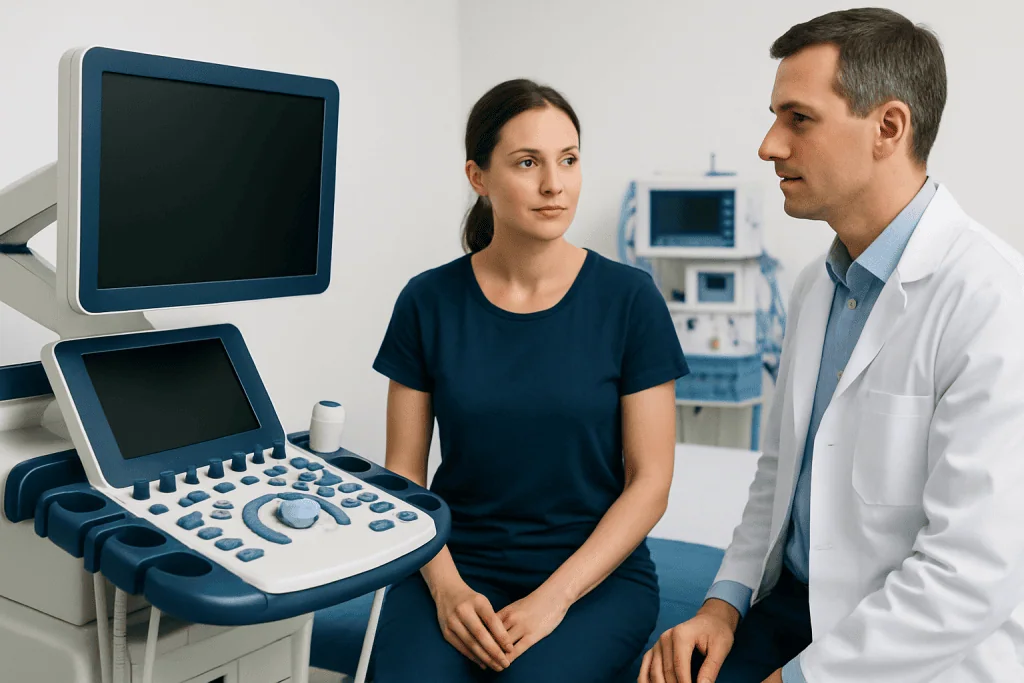
The exact tests depend on your age, medical history, and the procedure you are having. Many patients can expect routine blood tests, such as a complete blood count, kidney and liver function tests, blood sugar, clotting profile, and sometimes blood type checks. Urine testing may also be requested in some situations.
You may also need heart and lung assessments, especially if you are having general anesthesia or a more complex procedure. Common examples include an ECG, chest X-ray, or other imaging. If you already have a heart condition, lung disease, or a history that needs closer review, additional specialist input may be arranged.
Depending on your treatment, you might also have updated imaging, such as ultrasound, CT, MRI, or targeted scans, particularly if your existing reports are older or if your doctor wants a clearer picture before proceeding. Some patients also meet with anesthesia, internal medicine, cardiology, or other specialists on the same day.
- Routine blood work
- ECG or heart tracing
- Chest imaging when needed
- Urine tests in selected cases
- Anesthesia assessment
- Procedure-specific imaging or specialty review
What your testing day usually looks like

Most international patients appreciate knowing the order of the day. In many hospitals in Istanbul and other major Turkish cities, you will check in first, confirm your identity and appointment details, and meet your coordinator or interpreter if one is arranged. From there, you may move between phlebotomy, imaging, nursing assessment, and physician review areas.
Some results come back quickly, while others take longer. That means your day may include short waiting periods between stations. It is sensible to wear comfortable clothing, keep your phone charged, and carry water and a small snack if you are allowed to eat. If fasting is required, your team should tell you this in advance.
If you are being treated through Acibadem International, your coordinator can often help group appointments efficiently and explain next steps in plain language. If something unexpected appears in your tests, the team may arrange an additional consultation rather than rushing ahead. That can feel stressful, but it is usually a sign that safety checks are working exactly as they should.
What documents and information to bring
Bringing complete records can make pre-op testing faster and more accurate. You should carry your passport, hospital confirmation details, and any reports already shared during your remote review. If you have recent scan images, bring both the written report and the image files or disc if available.
Your medication list is especially important. Include prescription medicines, over-the-counter products, vitamins, supplements, injections, and blood thinners. If you have allergies or previous reactions to anesthesia, contrast dye, antibiotics, latex, or adhesive dressings, make sure these are clearly noted and mentioned again on arrival.
It also helps to bring details of prior surgeries, implanted devices, and long-term conditions. For example, if you have a pacemaker, sleep apnea, kidney disease, or use insulin, that information may affect the pre-op plan. The more complete your information is, the easier it is for your team to make timely decisions.
Possible reasons for delay, change, or extra review
Many patients worry that abnormal results automatically mean cancellation. In reality, a result outside the expected range may simply mean your team needs more information. A mild infection, uncontrolled blood pressure, unstable blood sugar, anemia, or a new symptom such as chest pain could lead to a short delay while the team reassesses the safest approach.
Sometimes the issue is not medical but logistical. Results from home-country records may be incomplete, outdated, untranslated, or difficult to compare with current findings. In other cases, you may need to stop or adjust certain medicines before your procedure, and your doctors may want to allow enough time for that change to take effect.
This is why it is wise not to schedule your return flight too tightly around the procedure date. Leaving a little flexibility can reduce stress if you need an extra consultation or one more test. International patient teams, including those at Acibadem International, can often help you adjust appointments, accommodation timing, or transport if your plan changes.
How to prepare yourself before arrival
The easiest way to make pre-op tests go smoothly is to prepare before you travel. Ask in advance whether you need to fast, whether you should take your usual morning medicines, and whether any blood thinners, diabetes medications, or supplements should be stopped beforehand. Never stop a prescribed medication on your own unless a doctor tells you to do so.
If English is not your strongest language, request interpreter support early. You may also want to save key health information on your phone and print a paper copy in case you lose internet access. This is especially useful for medication names, allergy details, emergency contacts, and recent diagnoses.
Try to arrive rested, hydrated if permitted, and with enough time in your schedule. If you have recently developed fever, cough, infection symptoms, or any new health issue before flying to Turkey, tell your coordinator before you travel if possible. Early communication gives the medical team the best chance to plan safely and avoid unnecessary disruption.
Step by step
- Share your records before you travel. Send your recent medical reports, scan results, medication list, and any chronic condition details as early as possible. This helps the team identify which tests are likely to be needed and whether you should arrive earlier than planned.
- Confirm your pre-op schedule. Ask when and where your tests will take place, how long to allow, and whether fasting is required. If you are using an international patient service, confirm whether interpreter support, transfers, or appointment grouping have been arranged.
- Prepare your documents and medicines. Pack your passport, hospital paperwork, previous reports, imaging discs if you have them, and a written medication list. Keep your regular medicines in original packaging and make sure allergy information is easy to show.
- Attend testing and assessments. On the day, you may complete blood work, ECG, imaging, nursing checks, and specialist review. Be ready for some waiting time between departments, especially if multiple tests are scheduled on the same day.
- Review the results with your team. Your doctor or coordinator should explain whether everything is clear to proceed or whether anything needs further attention. If extra review is needed, ask what it means for your procedure timing, hotel stay, and travel plans.
- Follow the final instructions carefully. Once your tests are complete, you may receive instructions about eating, drinking, showering, medication timing, and arrival time for the procedure. Follow these exactly and ask questions if anything is unclear, especially around blood thinners, insulin, or other daily medicines.
Your checklist
- Passport and hospital confirmation details
- Recent medical reports and scan images if available
- Written list of all medicines, vitamins, and supplements
- List of allergies and past anesthesia reactions
- Details of chronic conditions and previous surgeries
- Comfortable clothing and a phone charger
- Interpreter request confirmed if needed
- Flexible travel timing in case extra review is required
Key takeaways
- Pre-op tests in Turkey are safety checks to confirm you are ready for treatment and anesthesia.
- You may need blood tests, ECG, imaging, and an anesthesia or specialist review, depending on your case.
- Bring complete medical records, a medication list, and allergy information to avoid delays.
- Abnormal results do not always mean cancellation, but they may lead to extra review or a short postponement.
- International patient coordinators and interpreters can help you navigate the process more smoothly.
Frequently asked questions
Will I need to repeat tests I already did in my home country?
Possibly, yes. Your team in Turkey may repeat some tests if earlier results are too old, incomplete, not directly comparable, or if they need a current baseline before anesthesia or treatment. This is common and is usually done for safety, not because anything is wrong.
How long do pre-op tests in Turkey usually take?
Many patients complete routine pre-op testing within a few hours or over one day. However, more complex cases may need additional consultations or imaging, so it is wise to keep some flexibility in your schedule.
Do I need to fast before my pre-op tests?
Sometimes. Certain blood tests require fasting, while others do not, so you should follow the specific instructions given by your hospital or coordinator. If you are unsure, ask before the appointment rather than guessing.
What happens if one of my results is abnormal?
An abnormal result does not automatically mean your procedure is cancelled. Your doctors may repeat the test, ask for an additional specialist opinion, treat a temporary issue first, or adjust the timing of the procedure to make it safer.
Should I stop my regular medicines before testing or surgery?
Only if your doctor specifically tells you to. Some medicines, especially blood thinners, diabetes medications, and certain supplements, may need adjustment, but stopping them without guidance can create unnecessary risk.
Can I get language support during pre-op appointments?
Yes, many hospitals that work with international patients provide interpreter support. At Acibadem International, international patient services can help coordinate communication, appointments, and practical logistics so instructions are easier to follow.
Should I plan to arrive in Istanbul or Turkey before my procedure date?
Yes, in most cases arriving at least a little in advance is helpful. It gives you time for testing, result review, and any unexpected additional checks without putting pressure on the day of your procedure.
Add us as a Preferred Source to see more of our trusted health content across Google Search, AI Overviews and Discover.
More Patient Guides

How to Prepare for a Biopsy in Turkey: Questions, Timing, and Recovery Basics
Biopsy in Turkey preparation starts with the right questions, timing, travel plans, and recovery basics before and after your test in Istanbul…
9 min read
Questions to Ask Before Booking Surgery in Turkey
Questions to ask before booking surgery in Turkey: check surgeon, hospital accreditation, costs, aftercare, travel timing, and support in Istanbul.
9 min read
How to Pack for Surgery in Turkey: A Practical Patient Checklist
How to pack for surgery in Turkey: bring documents, medicines, comfort items, and recovery basics for a smoother stay in Istanbul or…
8 min read