

Complications After Returning Home from Turkey: When to Contact Your Care Team

Complications after returning home from Turkey can range from normal recovery to warning signs. Contact your care team promptly for fever, worsening pain…
Once you are back home, it can be hard to tell what is normal recovery and what needs urgent advice. This guide helps you monitor symptoms, know when to contact your care team, and prepare the right information so you can get help quickly and calmly.
At a glance
- Best time to reach out: As soon as symptoms worsen, change suddenly, or do not match your discharge guidance
- Emergency symptoms: Chest pain, trouble breathing, heavy bleeding, confusion, or loss of consciousness
- Useful items to keep nearby: Discharge summary, medication list, procedure details, passport, and local doctor contacts
- Who to contact first: Your treating team or international patient coordinator, unless it is a local emergency
- Do not wait for: High fever, spreading redness, severe swelling, dehydration, or uncontrolled pain
What is normal recovery and what is not
After treatment abroad, it is common to feel uncertain once you are home. Mild discomfort, tiredness, bruising, swelling, a reduced appetite, and gradual ups and downs in energy can all happen during recovery. Many people also notice that symptoms feel more noticeable when travel stress fades and they are no longer seeing nurses or doctors every day.
What matters most is whether your symptoms are improving slowly, staying manageable, and matching the advice you were given at discharge. If pain is steadily getting better, wounds look clean, and you are drinking, eating, moving, and sleeping a little more normally each day, that usually fits expected recovery. If the pattern changes suddenly, symptoms intensify, or something feels clearly different from your written aftercare plan, it is reasonable to ask for guidance.
You do not need to diagnose yourself before contacting your care team. Your job is to notice changes early and describe them clearly. A simple update sent promptly is often more useful than waiting until symptoms become severe.
Symptoms that should prompt a call to your care team
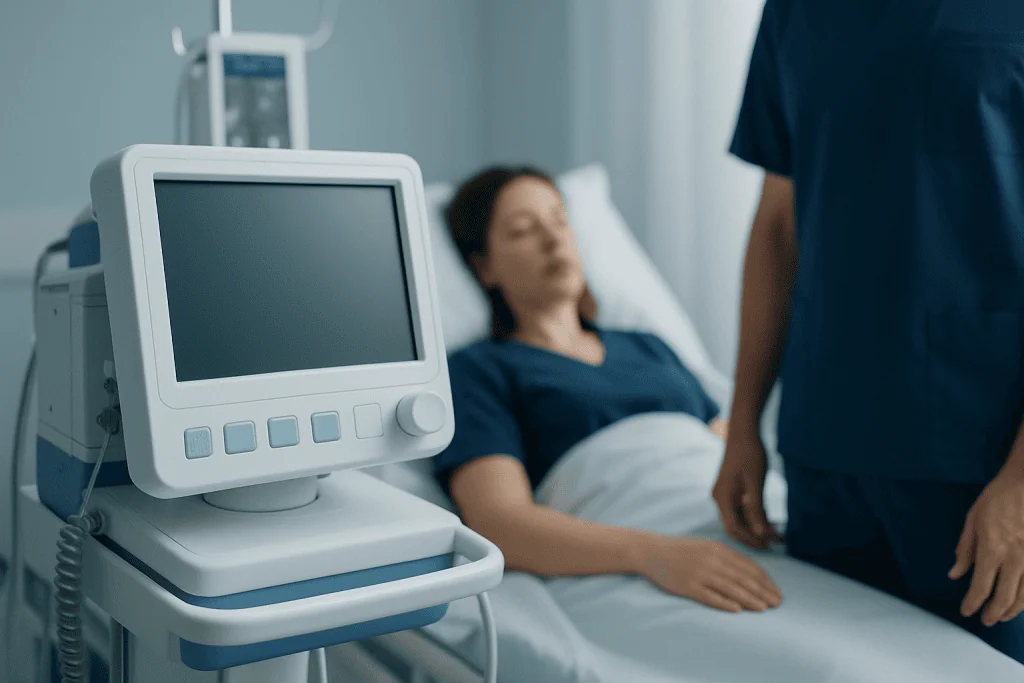
Contact your care team if you develop symptoms that are getting worse rather than better. Common examples include increasing pain that is not helped by your prescribed medicines, redness that spreads around a wound, discharge with an unpleasant smell, new swelling on one side, fever, chills, nausea that stops you keeping fluids down, or constipation and urinary problems that are new or worsening.
You should also reach out if you are unsure whether you are taking medicines correctly, if you miss doses because of side effects, or if dressings, drains, or support garments are causing concern. Recovery after travel can be affected by jet lag, dehydration, lower activity, and changes in routine, so small problems can become harder to manage if they are not addressed early.
Some symptoms need urgent local medical attention rather than a message exchange. Seek emergency help right away if you have chest pain, shortness of breath, fainting, severe bleeding, sudden weakness, seizures, severe confusion, or signs of a serious allergic reaction such as facial swelling or trouble breathing.
- Fever or shaking chills
- Increasing pain, swelling, or redness
- Bleeding that does not stop or seems heavy
- Persistent vomiting or inability to drink fluids
- New calf pain, significant asymmetrical leg swelling, or sudden breathlessness
- Wound opening, leakage, or bad-smelling discharge
How to contact your team effectively from home
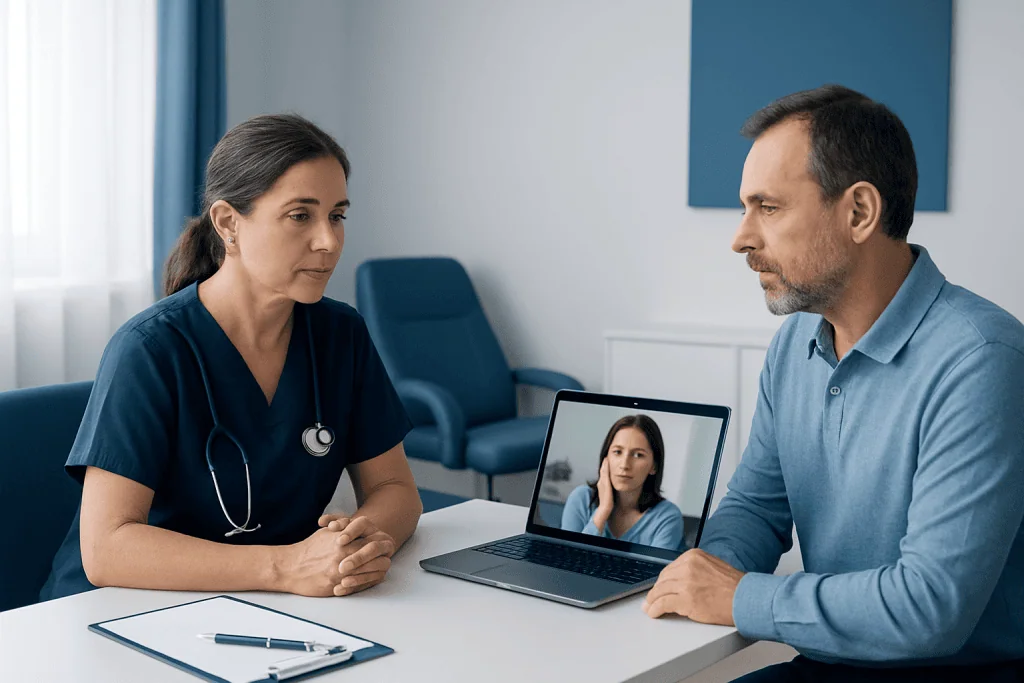
When you contact your care team, clear details help them assess what to do next. Before you call or message, gather your discharge summary, treatment date, current medication list, and any home measurements you have, such as temperature, blood pressure, or glucose readings if relevant. If you have a wound concern, take well-lit photographs from a few angles and note when the change began.
Try to describe symptoms in a timeline: when they started, whether they are getting better or worse, what you have already tried, and whether anything makes them worse. It also helps to say whether you can eat, drink, walk, sleep, and use the bathroom normally. These practical details often guide decisions more than general statements like “I feel bad.”
If you were treated through Acibadem International, your international patient services contact can help route your update to the right team, especially if language or time zone differences are making communication harder. Acibadem International teams commonly support follow-up communication for international patients, and interpreters may help if you are more comfortable discussing symptoms in another language.
When to see a local doctor or emergency department
Being under the care of a hospital in Turkey does not mean you should avoid local medical help. If you are worried about a serious complication, your nearest urgent care service, emergency department, or local doctor may be the safest first step. This is especially important for symptoms that could progress quickly, such as breathing problems, sudden heavy bleeding, severe infection, or dehydration.
Bring your discharge paperwork, medication list, and any imaging or test reports you have. If possible, tell the local doctor what treatment you had in Turkey, on what date, and whether any implants, drains, stitches, or special medications are involved. This helps them understand your recent medical history without delay.
After you are assessed locally, update your original care team as soon as you can. In many cases, both teams can work together: your local doctor can examine you in person, while your treating specialists review your procedure details and advise on recovery expectations. At JCI-accredited Acibadem hospitals, structured documentation can make it easier to share treatment summaries and aftercare information when follow-up is needed from abroad.
Practical issues that can affect recovery after travel
Not every problem after returning home is a major complication. Long flights, disrupted sleep, dehydration, constipation, reduced mobility, changes in diet, and emotional stress can all slow recovery or make symptoms feel worse. Some people also stop moving enough because they are afraid of harming the treatment area, while others resume normal routines too quickly and become more sore or swollen.
Take your discharge instructions seriously, especially around walking, hydration, wound care, compression garments, lifting limits, and medication timing. Recovery usually goes more smoothly when you keep a simple daily routine: drink enough fluids unless you were told otherwise, eat regular light meals, move as advised, and protect time for rest. If you had a long journey home, you may need a few days before your body settles into a steadier pattern.
Mood changes are also common. Feeling anxious after a procedure can make every twinge seem alarming. A written symptom log can help you separate expected day-to-day variation from a genuine decline. If you feel unsure, it is always acceptable to ask your team to review your symptoms rather than trying to manage uncertainty alone.
Preparing for follow-up before and after you travel
The easiest time to prepare for complications is before they happen. Before leaving Turkey, make sure you understand who to contact, which symptoms are expected, which symptoms are urgent, and what follow-up is planned. Ask for written instructions, medicine guidance, wound care advice, and a discharge summary in a format you can easily access on your phone as well as on paper.
It is also wise to identify a local doctor before you need one, especially if you had major surgery or ongoing treatment. Knowing where you would go for urgent review removes stress later. If you are travelling with a companion, make sure they also know the warning signs and have copies of your key documents.
Acibadem International often supports international patients with practical planning around discharge, interpreters, records, and travel-related coordination. Once you are home, keep all communication in one place if possible so that updates, photos, medicine changes, and advice are easy to review. Good organisation can save time when you need help quickly.
Step by step
- Review your discharge instructions. Read your discharge summary and aftercare notes again before assuming something is wrong. Many concerns become clearer when you compare your current symptoms with the expected recovery guidance you received.
- Check for emergency warning signs. If you have chest pain, trouble breathing, heavy bleeding, fainting, severe confusion, or any rapidly worsening condition, seek local emergency care immediately. Do not wait for a call back from your treating team in a medical emergency.
- Record your symptoms clearly. Write down when the problem started, your temperature if you have one, any medicines taken, and whether symptoms are worsening or easing. Photos of wounds or swelling can be very helpful if taken in good light.
- Contact your care team promptly. Send a concise message or call with your procedure date, main concern, and the changes you have noticed. If you were treated through Acibadem International, your coordinator can help direct your update to the appropriate specialist team.
- Follow the advice you are given. You may be advised to monitor symptoms, adjust medications, arrange tests, or see a local doctor. Follow instructions carefully and ask questions if anything is unclear, especially about medicines or wound care.
- Escalate if symptoms change. If you are told to monitor symptoms but they worsen, update both your local doctor and your original care team. A problem that seemed mild in the morning may need in-person review later the same day.
- Keep all records together. Save messages, prescriptions, local test results, and photos in one place. If more than one doctor becomes involved, having a clear timeline can make follow-up faster and safer.
Your checklist
- Keep your discharge summary and treatment details accessible on your phone and in print
- Save the phone number and email for your international patient coordinator or care team
- Monitor your temperature if you feel unwell or suspect infection
- Take wound photos if you notice new redness, swelling, or discharge
- Do not stop prescribed medicines without medical advice unless told to do so urgently
- Know your nearest urgent care clinic or emergency department at home
- Ask a family member or companion to help monitor symptoms if you feel weak or anxious
- Stay hydrated and follow movement, dressing, and lifting instructions
- Seek immediate local emergency help for chest pain, breathing trouble, severe bleeding, or fainting
Key takeaways
- Mild discomfort and tiredness can be normal, but worsening symptoms should be reviewed early.
- Emergency symptoms such as chest pain, heavy bleeding, or breathing difficulty need local urgent care immediately.
- Clear communication helps: share timing, photos, medicines, and practical details about how you are coping at home.
- Your local doctor and your original treatment team can often work together on follow-up.
- Keeping documents, contact numbers, and aftercare instructions organised makes recovery less stressful.
Frequently asked questions
How do I know if my symptoms are normal after returning home?
A normal recovery pattern usually improves gradually, even if you have some good days and bad days. If symptoms are becoming stronger, new symptoms appear suddenly, or your recovery does not match the written instructions you received, contact your care team for advice.
Should I contact my Turkey care team or my local doctor first?
If it is an emergency, go to your local emergency service first. For non-emergency concerns, it is often helpful to contact your treating team as well, because they know the details of your procedure and can advise whether local review is needed.
What information should I send when reporting a possible complication?
Include your full name, procedure date, main symptom, when it started, whether it is worsening, your current medications, and any temperature or other measurements you have. If the issue involves a wound or swelling, add clear photos and mention whether you can eat, drink, sleep, walk, and pass urine or stool normally.
Can I wait a day or two to see if things settle down?
Minor symptoms may settle, but it is better not to delay if the problem is worsening, affecting fluids or medicines, or causing significant pain. Early contact can prevent a manageable issue from becoming more serious.
What if there is a language barrier when I need follow-up?
If you arranged care through Acibadem International, international patient services may help coordinate communication and interpretation where appropriate. You can also ask a family member to help organise your notes, but medical decisions should still be confirmed directly with qualified clinicians.
Do I need to tell a local doctor that I had treatment in Turkey?
Yes. Tell them what treatment you had, when you had it, what medicines you are taking, and whether you have stitches, drains, implants, or special instructions. This helps them assess you safely and avoid delays.
What documents should I keep after I return home?
Keep your discharge summary, medication list, prescriptions, test results, imaging reports, and contact details for your care team. It is also useful to save digital copies on your phone in case you need urgent review outside your home.
Add us as a Preferred Source to see more of our trusted health content across Google Search, AI Overviews and Discover.
More Patient Guides

What to Expect After Day Surgery in Turkey
What to expect after day surgery in Turkey: same-day discharge, recovery tips, travel timing, and follow-up planning in Istanbul.
9 min read
After Discharge in Turkey: How to Manage Wound Care, Medicines, and Rest
After discharge in Turkey, protect your wound, take medicines exactly as prescribed, rest well, and know when to contact your care team…
9 min read
After Surgery in Turkey: When Pain, Swelling, or Fever Means You Should Call the Hospital
After surgery in Turkey, call the hospital urgently for worsening pain, swelling, fever, bleeding, breathing trouble, or wound changes.
9 min read