

Surgery in Turkey After 60: Travel and Recovery Planning for Older International Patients

Surgery in Turkey after 60 is manageable with early travel, mobility, medication and recovery planning in Istanbul or beyond.
If you are planning surgery in Turkey after 60, the key is not rushing: build in extra time for travel, bring clear medical information, and arrange practical support for the first days of recovery. With the right planning, older international patients can make the journey more comfortable, safer, and less stressful for both themselves and their companions.
At a glance
- Best approach: Plan earlier than you think you need to, especially for flights, mobility support, and recovery days.
- Most important document: A current medical summary with diagnoses, medications, allergies, and recent test results.
- Travel tip: Choose direct flights where possible and avoid tight connections.
- Recovery priority: Arrange help with walking, bathing, meals, and transport for the first days after discharge.
- Companion advice: If you may need assistance with mobility or communication, travel with a companion if possible.
- Hospital support: International patient teams can help coordinate interpreters, transfers, and practical logistics.
Why planning matters more after 60
Having surgery abroad later in life can be very manageable, but it usually requires more careful planning than a shorter city break or routine trip. After 60, you may be balancing medication schedules, reduced stamina, slower recovery, arthritis, heart or lung conditions, or mobility limits that make airport transfers and hotel stays more tiring than expected.
The good news is that many of the biggest stresses are practical rather than medical. When you plan for airport assistance, rest time, accessible rooms, ground-floor or lift access, nearby follow-up appointments, and support with daily activities, your trip can feel much more predictable.
If you are traveling to Turkey for surgery, it helps to think in three stages: getting there safely, recovering comfortably, and returning home at the right time. At Acibadem International, international patient services can help organize parts of that journey, including coordination around appointments, interpreters, and travel-related logistics, so you are not trying to manage everything alone.
Before you book: health checks, records, and realistic timing

Before you confirm flights, make sure your medical team has a full picture of your health. If you have chronic conditions such as high blood pressure, diabetes, heart disease, kidney disease, breathing problems, sleep apnea, or limited mobility, gather recent clinic letters, investigation results, and a clear medication list. This can help the treating team in Turkey understand your baseline health and any extra precautions you may need.
Ask your regular doctor whether you are fit for long-haul or medium-haul travel and whether any medication timings need adjusting across time zones. If you use blood thinners, insulin, CPAP, oxygen, hearing aids, a walker, or special dietary support, raise these points early rather than assuming they can be sorted out at the last minute.
Realistic timing is especially important for older travelers. You may need to arrive a little earlier before admission to rest after the journey, and you may need more recovery time before flying home. Avoid booking a return ticket too tightly around your expected discharge date. A few extra days can give your body time to regain energy and can reduce stress if plans change.
JCI-accredited hospitals such as those within Acibadem Healthcare Group are used to caring for international patients with different ages, languages, and support needs. Even so, you will still make the experience easier for yourself by preparing a concise medical file before you travel.
Choosing flights, transfers, and accommodation with comfort in mind

For older international patients, the smoothest journey is usually the one with the fewest moving parts. If possible, choose a direct flight or the simplest connection, even if it is not the cheapest option. Long walks between gates, repeated security lines, and rushed boarding can be more exhausting than the time spent in the air.
Request airport wheelchair or mobility assistance in advance if you think you may need it, even temporarily. This service can help with check-in, security, gate transfers, and boarding. Also think about luggage practically: a smaller case, easy-to-reach essentials, and a companion who can carry heavier items may matter more than packing extra clothes.
When arranging accommodation, prioritize function over style. Look for a room with lift access, a walk-in shower if possible, minimal stairs, reliable air conditioning or heating, and enough space for mobility aids. It also helps if the hotel or serviced apartment is close to the hospital, so you spend less time in traffic for follow-up appointments.
Many international patients appreciate coordinated transfers rather than navigating taxis after surgery. Acibadem International can help with transport planning and practical arrangements around your hospital visit, which can be particularly useful if you are arriving in Istanbul and want a simpler door-to-door experience.
Medication, mobility, and the details that make recovery easier
Bring all your regular medicines in their original packaging and keep them in your hand luggage, not your checked bag. Carry a written medication list with the exact names, doses, and schedule, along with details of allergies and any previous reactions to medicines or anesthesia. If you use reading glasses, hearing aids, dentures, or mobility devices, keep these accessible too.
Think ahead about what your first week after surgery may look like in practical terms. Will you be able to get in and out of bed comfortably? Can you shower safely? Do you need help putting on socks, preparing food, or walking to the bathroom at night? A folding cane, non-slip slippers, loose clothing, and a small cross-body bag for essentials can make a real difference.
Hydration, nutrition, and rest often need more attention in older adults. You may tire faster after travel and after treatment, and appetite may be reduced for a short time. It helps to keep simple foods, water, and any approved snacks nearby so you do not have to go out unnecessarily in the early recovery period.
If you need language support, ask for it in advance. Understanding instructions about medication changes, wound care, movement limits, and follow-up appointments is essential. International patient teams and interpreters can help reduce misunderstandings, especially when several specialists are involved in your care.
- Pack more medication than you expect to need, in case your return is delayed.
- Bring a printed summary as well as digital copies of your records.
- Wear supportive shoes that are easy to put on and remove.
- Keep emergency contact details on paper, not only on your phone.
Should you travel alone or with a companion?
Some people over 60 travel independently with no problem, especially for day procedures or straightforward treatment plans. But if you have reduced mobility, significant hearing or vision impairment, memory concerns, anxiety about travel, or a complex medical history, a companion can be extremely valuable. Their role is not only emotional support; they can also help with bags, medication reminders, transport, meals, and communication.
If a family member or friend is traveling with you, discuss expectations before the trip. They may need to assist you physically in the first days, manage paperwork, speak with the international patient team, or stay nearby during surgery and discharge. Make sure they also know where your documents, insurance details, medication list, and emergency numbers are kept.
If you must travel alone, try to replace informal support with formal planning. Arrange assisted airport services, pre-book transfers, choose accommodation close to the hospital, and ask what practical support is available during your stay. Acibadem International often coordinates care for patients traveling from abroad and can help structure the itinerary in a more manageable way.
Planning your stay in Turkey after surgery
Your stay after surgery should be designed around recovery, not sightseeing. Even if you are feeling well, avoid building a busy itinerary for the days immediately after your treatment. Traffic, crowds, uneven pavements, hot weather, and long periods upright can feel much harder after surgery than they would on a normal holiday.
Ask your team what warning signs should prompt urgent review, what level of walking is encouraged, and whether stairs, showering, lifting, or long car journeys should be limited. Older adults sometimes need clearer pacing advice, because doing too much too soon can increase fatigue and make the recovery period feel longer.
It is also wise to think about the final leg of the trip before you feel ready to go home. How will you reach the airport? How early should you arrive? Will you need wheelchair assistance there too? If your discharge date changes, can your accommodation be extended easily? These practical questions are worth sorting out while you still have help available.
Acibadem’s multidisciplinary teams and international services can be helpful when your care involves more than one appointment or specialty. The aim is not to make the trip elaborate, but to make it orderly, so you can conserve your energy for recovery.
Going home safely and preparing for follow-up
Returning home is not the end of planning. Before you leave Turkey, make sure you understand your discharge papers, medication changes, activity limits, wound-care instructions, and follow-up plan. Ask who to contact if you have questions after you return home and whether remote follow-up may be possible where appropriate.
For the journey home, try to keep the day as simple as possible. Allow extra airport time, request assistance again if needed, and avoid carrying heavy bags. On longer flights, follow the advice your treating team gives you about movement, hydration, stockings, medication, and any restrictions specific to your case.
Once home, do not assume you will immediately return to your normal routine. Arrange some support in advance if you live alone, especially for groceries, meals, laundry, and transport. If your local doctor will be involved in aftercare, share your treatment summary promptly so everyone is working from the same information.
A well-organized return home often makes the whole treatment journey feel safer and calmer. Good planning does not remove every uncertainty, but it can reduce avoidable stress and help you focus on healing.
Step by step
- 1. Gather your medical information early. Create a simple folder with your diagnoses, past operations, medication list, allergies, recent test results, and your regular doctor’s contact details. Do this before booking travel so the treating team can advise on timing, preparation, and any extra assessments you may need.
- 2. Check fitness for travel and recovery needs. Ask your usual doctor whether flying is appropriate for you and whether any conditions need closer monitoring around surgery. Also think honestly about stamina, balance, memory, hearing, and mobility so you can plan help before problems arise.
- 3. Book the least tiring route. Choose direct flights or the easiest connection, and request airport assistance if walking long distances may be difficult. Pre-book hospital or hotel transfers where possible so you are not negotiating transport when tired or uncomfortable.
- 4. Choose recovery-friendly accommodation. Pick a place close to the hospital with lift access, safe bathing facilities, and enough room to move comfortably. A practical room near your appointments is usually better than a larger or more scenic option farther away.
- 5. Pack for function, not just for travel. Keep medicines, records, glasses, hearing aids, phone chargers, and valuables in hand luggage. Pack loose clothes, supportive shoes, and any mobility aids or comfort items you rely on at home.
- 6. Arrange support for the first recovery days. If possible, travel with a companion or line up practical assistance for meals, dressing, transport, and follow-up visits. Even independent travelers often appreciate help during the first days after discharge.
- 7. Confirm your return-home plan before discharge. Before leaving the hospital, make sure you understand medicines, warning signs, movement advice, and follow-up arrangements. Keep your return flexible enough to allow an extra day or two if your team recommends it.
Your checklist
- Passport, visa documents if needed, and travel insurance details
- Printed medical summary, medication list, allergy list, and recent test results
- Enough regular medication for the full trip plus extra in case of delays
- Direct or low-stress flight itinerary with airport assistance requested if needed
- Accommodation close to the hospital with lift access and safe bathroom setup
- Loose clothing, supportive slip-on shoes, glasses, hearing aids, and chargers
- Companion plan or practical support plan for meals, mobility, and transport
- Emergency contacts saved on your phone and written on paper
- Return travel kept flexible in case recovery takes longer than expected
Key takeaways
- Older international patients usually benefit from slower pacing, simpler travel plans, and extra recovery time.
- A clear medical file and up-to-date medication list are essential before surgery in Turkey after 60.
- Mobility support, accessible accommodation, and practical help after discharge matter as much as the hospital stay itself.
- A travel companion can be very helpful if you have mobility, hearing, vision, or communication difficulties.
- Before flying home, make sure you fully understand discharge instructions and follow-up arrangements.
Frequently asked questions
Is 60 or older too old to travel to Turkey for surgery?
Age alone does not decide whether you can travel for surgery. What matters more is your general health, mobility, medical history, and how well the trip and recovery are planned. A pre-travel medical review and realistic itinerary are especially important for older adults.
How long should I plan to stay in Turkey after surgery?
The right length of stay depends on your procedure, your overall health, and how quickly you recover. Many older patients benefit from allowing extra days beyond the minimum estimate so they are not rushing to fly home. Your treating team should advise you on when it is appropriate and safe to travel back.
Should I bring a companion with me?
If you may need help with walking, dressing, transport, hearing instructions, or managing medication, traveling with a companion is often a good idea. Even if your treatment is straightforward, support can be very useful during the first days after discharge. If you cannot bring someone, try to arrange formal assistance in advance.
What documents should I bring for surgery in Turkey after 60?
Bring your passport, booking details, insurance information if relevant, and a current medical summary. You should also carry a full medication list, allergy information, and recent investigation results or clinic letters. Keeping both printed and digital copies is sensible.
Can the hospital help with language and logistics?
International patient departments often help with practical coordination, especially for patients coming from abroad. At Acibadem International, support may include appointment coordination, interpreter assistance, and guidance around transfers and accommodation logistics. It is best to ask early so the arrangements match your needs.
What should I consider before booking my return flight?
Do not book your return so tightly that a small delay in recovery creates major stress. Consider your mobility on the travel day, airport distances, baggage handling, and whether you will need wheelchair support. Make sure you have clear discharge advice about medication, movement, and any precautions for the journey home.
What if I live alone when I get back home?
Try to arrange at least a few days of practical support before you travel, even if you usually manage well independently. Help with meals, shopping, transport, and basic household tasks can make recovery much smoother. It is also wise to let your local doctor know about your treatment and share your discharge documents promptly.
Add us as a Preferred Source to see more of our trusted health content across Google Search, AI Overviews and Discover.
More Patient Guides

Traveling to Turkey with a Stoma: Supplies, Airport Screening, and Recovery Planning
Traveling to Turkey with a stoma is manageable with the right supplies, airport screening plan, and recovery support in Istanbul or Turkey.
8 min read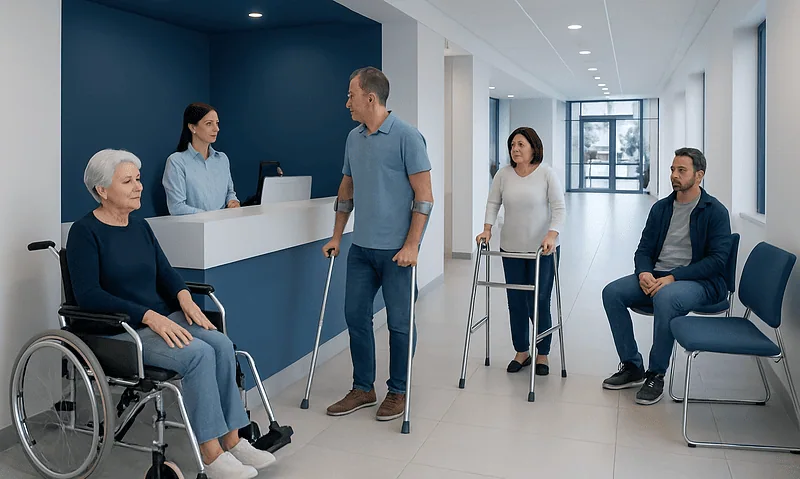
Mobility Aids in Turkey: Renting a Wheelchair, Walker, or Crutches
Mobility aids in Turkey can be rented through medical suppliers, pharmacies, and hospital-linked services in Istanbul and other cities.
9 min read
How to Handle Food Allergies and Special Diets During Treatment in Turkey
Food allergies and special diets during treatment in Turkey can be managed safely by sharing your needs early and coordinating meals with…
9 min read