

Aftercare Abroad: When You May Need Local Help After Returning from Turkey

Aftercare abroad means knowing when to seek local help after returning from Turkey and how to coordinate safely with your Turkish care team.
Returning home after treatment in Turkey can feel reassuring, but recovery is not always linear. This guide helps you understand when local medical help may be needed, what to prepare before you travel, and how to keep your home doctor and your Turkey-based team aligned.
At a glance
- Best for: Patients returning home after treatment in Turkey
- Main concern: Knowing when normal recovery becomes something that needs local review
- What to prepare: Discharge summary, medication list, imaging, contact numbers and travel timeline
- Urgent action: Seek emergency care first for severe symptoms; contact your Turkey care team as soon as practical
- Helpful support: International patient coordinators, interpreters and follow-up communication
Why local help may matter after you get home
It is common to feel better once you are back in familiar surroundings, but recovery after treatment abroad can still bring questions, unexpected symptoms or practical problems. Even when everything went smoothly in Turkey, your body is still healing, your medications may still be changing, and you may need reassurance about what is normal.
Local medical help can be important because timing matters. A problem that is minor when checked early can become more stressful if you wait too long. This does not mean you should expect complications; it means you should have a clear plan for who to contact and where to go if something does not feel right.
If you were treated at Acibadem International, your discharge papers and follow-up instructions are there to help bridge the transition from hospital care in Turkey to care at home. Their international patient services can also help you communicate updates, share reports and clarify what your treating team would like a local doctor to assess.
What is normal recovery, and what is not
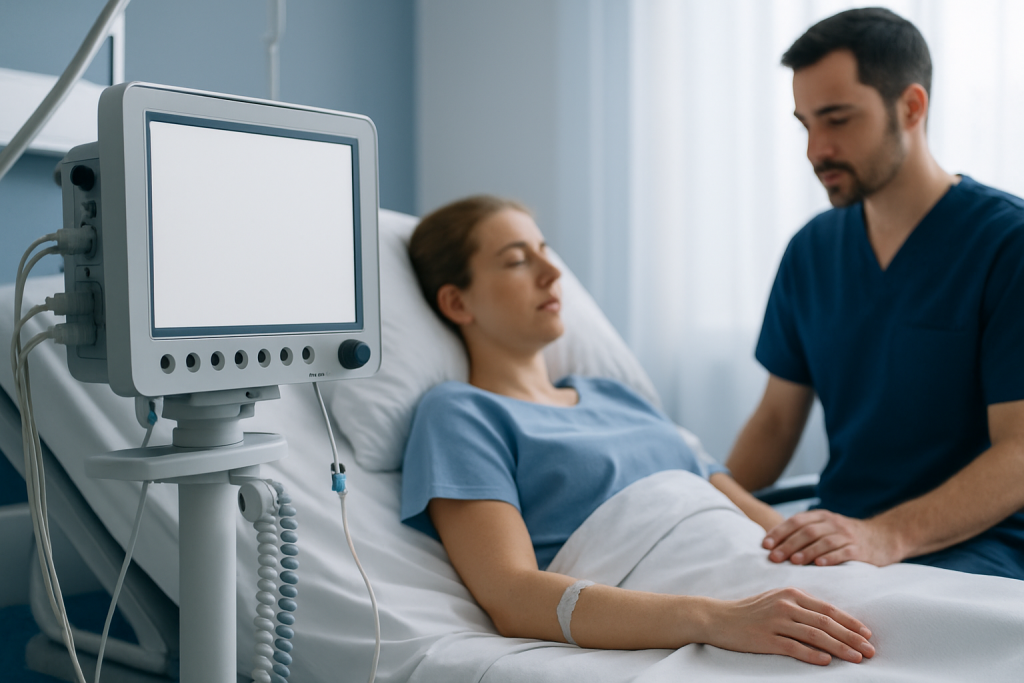
Many symptoms during recovery are expected. Mild pain, fatigue, bruising, temporary swelling, reduced appetite, sleep changes and emotional ups and downs are all common after many procedures. The key question is whether your symptoms are gradually improving within the timeframe your doctor explained, rather than suddenly getting worse.
Signs that deserve closer attention include increasing redness, warmth or discharge from a wound, fever, new or worsening shortness of breath, chest pain, fainting, heavy bleeding, severe vomiting, inability to drink fluids, new confusion, calf swelling, or pain that becomes much stronger instead of easing. You do not need to diagnose the cause yourself; your job is to notice change and seek the right level of help.
If you are unsure whether something is normal, compare it with your discharge guidance. Look at the date of your procedure, your medication schedule and what you were told to expect in the first days and weeks. When in doubt, it is safer to ask than to wait.
When to contact your Turkey care team and when to see a local doctor
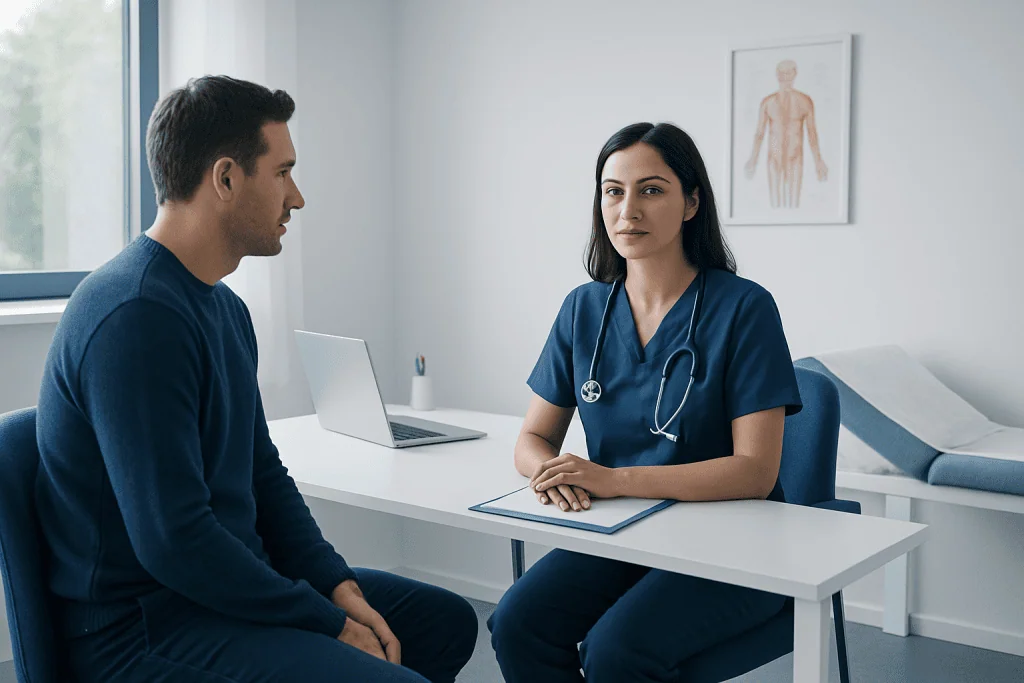
A useful rule is this: contact your Turkey-based care team for guidance on expected recovery, wound checks by photo if advised, medication questions, follow-up scheduling and non-emergency concerns that relate directly to your treatment plan. Seek local medical help for symptoms that need examination, testing, urgent treatment or hands-on assessment.
If you have severe symptoms, go to the nearest emergency department or call your local emergency number first. Do not delay emergency care while waiting for a message reply from abroad. Once you are safe and being assessed, ask a family member or companion to inform your Turkish hospital or international patient coordinator.
For less urgent concerns, both teams may need to be involved. A local doctor can examine you, check blood tests or imaging, and treat immediate problems. Your treating specialists in Turkey can provide procedure details, interpret your postoperative plan and help your local clinician understand what was done. In larger organizations such as Acibadem International, multidisciplinary teams and international coordinators can make this handover more practical.
Documents and information to keep with you
The easiest follow-up conversations happen when you can quickly show clear records. Keep digital and printed copies of your discharge summary, operative or treatment summary if provided, pathology or lab results, imaging reports, medication list, allergy list and emergency contact details. If you were given implants, device information or special aftercare instructions, keep those together as well.
It also helps to write down a simple recovery timeline. Note when your procedure took place, when you flew home, when symptoms started, what makes them better or worse, your temperature if relevant, and any medication doses you have taken. This saves time and reduces confusion if you feel unwell.
If English is not your first language, or if your local doctor may prefer records in your home language, ask early about translated summaries or an interpreter-supported conversation. Acibadem International often supports international patients with documentation and communication pathways that can make follow-up less stressful once you are back home.
- Discharge summary and aftercare instructions
- Medication names, doses and start/stop dates
- Recent blood test and imaging results
- Passport/travel dates and flight details
- Hospital contact numbers and email addresses
Practical situations where local care is often helpful
Some needs are urgent, while others are simply easier to manage locally. Wound reviews, dressing changes, stitch or staple removal, hydration support, blood pressure checks, blood tests, ultrasound, prescription adjustments and pain review are all examples where a local clinic may be more practical than trying to manage everything remotely.
You may also need help if your recovery affects daily life more than expected. For example, if you cannot eat or drink enough, struggle to walk safely, cannot pass urine, become constipated for several days after medication changes, or are too drowsy to function normally, a local assessment can be sensible even if your symptoms do not feel dramatic.
Travel itself can add complications. Long flights, disrupted sleep, dehydration and sitting for extended periods can make swelling, fatigue and discomfort worse. If a symptom appears after travel and you are unsure whether it is just travel-related or a medical issue, a local review can help separate the two.
How to make follow-up smoother before you even leave Turkey
The best time to plan for local help is before you fly home. Ask what symptoms are expected, what warning signs should prompt urgent attention, who to contact out of hours, whether you need blood tests or imaging at home, and whether your home doctor should receive a summary. Confirm which medications you should continue, stop or avoid.
If possible, arrange a first local review in advance, especially if you have ongoing dressings, drains, rehabilitation needs or a complex medication plan. It is much easier to attend a booked appointment than to search for a new doctor while you are tired or worried. Share your discharge documents with that clinician before the visit if you can.
International patient services can be especially useful here. At Acibadem International, coordinators may help explain follow-up timing, documentation, interpreter needs and the practical steps for staying in touch after you return. The goal is not to replace your local doctor, but to make sure everyone has the information they need.
If you feel anxious, embarrassed or unsure whether you are overreacting
Many patients hesitate to ask for help because they do not want to seem dramatic, ungrateful or anxious. This is very common after medical travel. You may worry about bothering your surgeon, confusing your local doctor or being told that your symptoms are just part of healing.
Try to focus on facts rather than fear. What changed, when did it change, how severe is it, and can you still manage basic activities such as drinking, walking, resting and taking medication? Those details are more useful than trying to decide on your own whether the symptom is “serious enough.”
Getting checked does not mean something is wrong. Often, local review provides reassurance, practical treatment and a clearer plan. And if there is a genuine problem, early attention usually gives you more options and less stress.
Step by step
- Review your discharge instructions before you travel home. Read them while you still have access to your Turkey-based team, not for the first time on the plane or days later at home. Make sure you understand expected symptoms, medication timing, activity limits, wound care and red-flag signs.
- Save all key contacts in one place. Keep your hospital number, international patient coordinator details and any emergency guidance easy to find on your phone and in print. If you become unwell, you will not want to search through emails for the right contact.
- Arrange local follow-up if you may need hands-on care. If you will need dressing changes, rehabilitation, blood tests or a wound check, try to book this before leaving Turkey. Early organization reduces anxiety and makes delays less likely.
- Track symptoms clearly once you are home. Write down when symptoms start, whether they are improving or worsening, and any fever, bleeding, swelling or medication changes. Good notes help both your local doctor and your Turkish team understand the situation quickly.
- Use the right level of care. For severe pain, chest pain, breathing problems, collapse, heavy bleeding or other emergency symptoms, go straight to local emergency care. For non-urgent concerns, contact your Turkey care team and ask whether a same-day or next-day local review is advisable.
- Share records with any local clinician. Bring your discharge summary, medication list and recent test results to every review. This helps avoid duplicated tests, confusion about what was done and unsafe medication overlap.
- Update both sides after any local assessment. If you see a local doctor, send the findings back to your treating team in Turkey if appropriate. This keeps follow-up connected and helps everyone work from the same information.
Your checklist
- Discharge summary saved on your phone and printed
- Medication list with doses, timings and stop dates
- Hospital and international coordinator contact details
- List of red-flag symptoms to watch for
- A local GP, clinic or emergency department identified
- Travel dates and symptom timeline written down
- Any imaging, lab reports or pathology results available
- Interpreter or translation support considered if needed
Key takeaways
- Most recovery symptoms are expected, but worsening or new symptoms may need local medical review.
- Emergency symptoms should be assessed locally first; remote advice should not delay urgent care.
- Good records make follow-up safer and easier for both your home doctor and your Turkey-based team.
- Planning local support before leaving Turkey can reduce stress and prevent gaps in aftercare.
- Acibadem International's patient services can help with communication, documentation and follow-up coordination.
Frequently asked questions
Should I contact my surgeon in Turkey first or see a local doctor first?
If your symptoms are severe or urgent, see a local doctor or emergency service first. If the concern is non-urgent, it is reasonable to contact your Turkey-based team for guidance while also arranging local review if you need an examination, blood test, imaging or hands-on care.
What symptoms after returning home should I not ignore?
Do not ignore chest pain, trouble breathing, fainting, heavy bleeding, fever with worsening wound changes, severe vomiting, sudden calf swelling, confusion or pain that rapidly gets worse. These symptoms do not always mean a serious complication, but they do need prompt assessment.
What documents should I show a local doctor after treatment in Turkey?
Bring your discharge summary, medication list, allergy information, any recent blood tests or imaging reports, and your procedure or treatment summary if available. It also helps to bring a simple timeline of when your treatment happened, when you travelled and when symptoms began.
Can a local doctor work together with my hospital in Turkey?
Yes, this is often the best approach. Your local doctor can examine you and arrange tests or treatment near home, while your treating team in Turkey can clarify the original treatment plan and expected recovery course.
What if I feel unsure whether my symptoms are normal recovery or a problem?
Compare what you are feeling with the guidance in your discharge instructions, especially whether symptoms are improving or worsening over time. If you are uncertain, ask for advice early rather than waiting until symptoms become harder to manage.
Is it normal to need local follow-up after medical travel?
Yes. Local follow-up can be part of sensible recovery planning, especially if you need wound checks, blood tests, rehabilitation, medication review or reassurance. Needing local support does not mean your treatment abroad was unsuccessful.
How can Acibadem International help once I am back home?
Acibadem International can help by supporting communication with your treating team, clarifying discharge instructions and helping organize medical information for follow-up. Their international patient services and interpreter support can be useful if you need practical coordination across borders.
Add us as a Preferred Source to see more of our trusted health content across Google Search, AI Overviews and Discover.
More Patient Guides

When Can You Wear a Hat After a Hair Transplant?
You can usually wear a loose, clean hat after a hair transplant once your surgeon confirms grafts are protected—often around days 7–14.
8 min read
Flying After Knee or Hip Replacement Surgery
Flying after knee or hip replacement surgery is usually delayed until your surgeon confirms you can travel safely; plan mobility, clot prevention…
8 min read
Open vs Closed Rhinoplasty Recovery: Differences Explained
Open vs closed rhinoplasty recovery is usually similar overall, but open surgery may cause longer tip swelling. Learn timelines, travel and aftercare…
9 min read