

Flying to Turkey for Tests Only: How to Plan a Short Medical Trip

Flying to Turkey for tests only can be simple with the right plan: bring records, schedule tightly, and arrange follow-up before you travel.
If you are traveling to Turkey only for medical tests, your trip can often be short, organized, and manageable with the right preparation. This guide helps you plan the practical details so you can move through appointments, results, and return travel with less stress.
At a glance
- Best for: Patients needing scans, lab work, second-opinion diagnostics, or specialist assessment without immediate treatment
- Typical trip length: Often 2-5 days, depending on the number of tests and when results are ready
- What to prepare: Passport, prior medical records, medication list, imaging files, and insurance or payment documents
- Key planning point: Ask in advance which tests need fasting, contrast dye, sedation, or a companion
- Follow-up: Confirm how results will be shared after you return home
- Support available: International patient coordinators, interpreters, and travel guidance at Acibadem International
What a tests-only trip usually looks like
Flying to Turkey for tests only is different from traveling for surgery or a long treatment plan. In many cases, your goal is to complete consultations, blood work, imaging, or other diagnostics in a short, carefully scheduled visit and then return home once your results are available or your next steps are clear.
This kind of trip works best when you treat it like a logistics project. You will want your records reviewed before you fly, your appointments grouped as efficiently as possible, and your travel dates built around any preparation requirements such as fasting, medication adjustments, or repeat testing.
If you are coming to Istanbul or another city in Turkey for diagnostics, it also helps to know that some tests can be completed on the same day while others may require a second visit, a specialist review, or time for formal reporting. Asking this in advance can prevent avoidable hotel extensions or rushed return flights.
At Acibadem International, international patient teams can help coordinate specialist appointments, diagnostics, interpreters, and practical travel support. For you, that usually means fewer separate phone calls and a clearer picture of what can realistically fit into a short stay.
Before you book flights: confirm exactly which tests you need
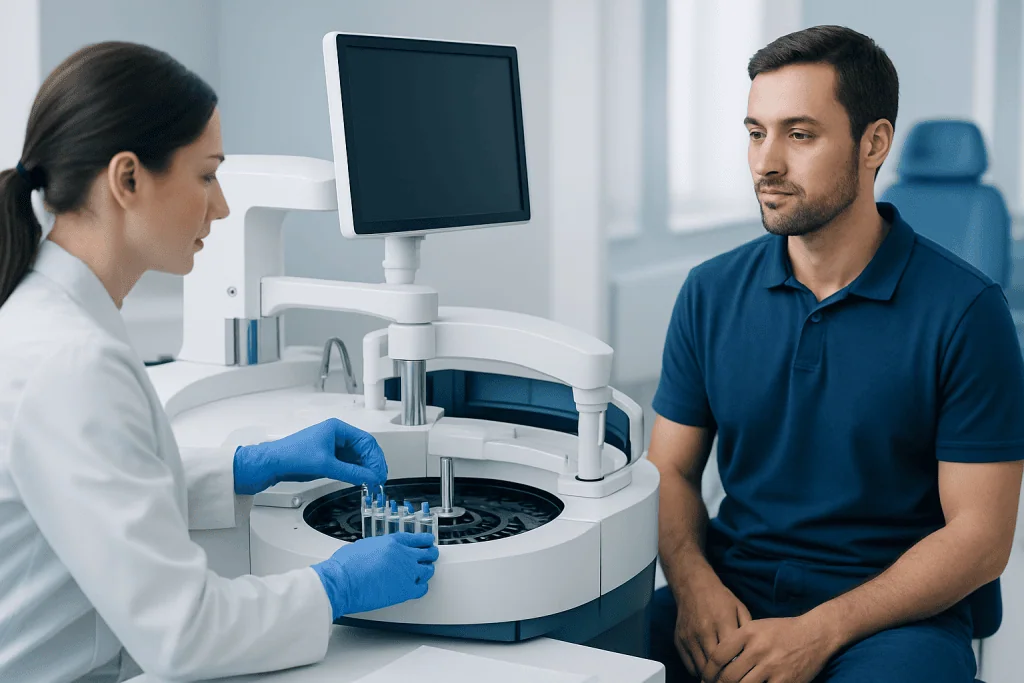
The most important step is to make sure you are not flying for vague plans. Before booking travel, ask for a written outline of the proposed consultations and tests, including whether they are definitely required, whether they depend on an in-person exam first, and how long results usually take. This is especially useful if you are traveling for a second opinion or to clarify findings from previous imaging.
Send as much medical information as you can ahead of time. Helpful documents usually include referral letters, clinic notes, pathology reports if relevant, blood test results, prior scan reports, and the actual image files on CD, USB, or secure digital links. If records are not in English or Turkish, ask whether a translation of the main findings is needed.
You should also ask practical screening questions, such as whether a test involves contrast dye, whether you need kidney function blood tests first, whether you must stop eating for several hours, or whether you will be able to travel immediately afterward. For some tests, these details matter more than the test itself when planning a short trip.
If your care is being coordinated through Acibadem International, you can ask the team to help sequence your appointments so specialist consultation and diagnostics are aligned. That can reduce the chance of arriving and learning that a missing report or preparation issue has delayed everything by a day.
How to schedule a short, efficient visit

For a short medical trip, timing matters more than almost anything else. If possible, aim to arrive the day before your first appointment rather than on the same morning. This gives you a buffer for flight delays, airport queues, traffic, and the fatigue that can make a first consultation feel harder than expected.
Try to build your itinerary around test preparation and report timing. Some blood tests are quick, while certain scans may need pre-authorization, fasting, contrast assessment, or later review by a radiologist and specialist. If multiple departments are involved, ask whether the hospital can cluster them into one or two concentrated days.
It is wise to avoid booking your return flight too tightly. Even when the test itself is fast, small changes can happen: a doctor may request one additional scan, a sample may need repeating, or your specialist may prefer to discuss results in person before you leave. Giving yourself a little flexibility can make the trip calmer and more productive.
If you are traveling alone, keep your day manageable. Leave space for meals, rest, hydration, and transport between the hospital and your hotel. A packed schedule may look efficient on paper, but it can feel exhausting if you are fasting, anxious, or moving between several appointments in an unfamiliar city.
Documents, medications, and practical items to bring
For a tests-only visit, you usually do not need to pack as if you are staying for treatment, but you do need to be organized. Keep your passport, appointment confirmations, hospital contact details, insurance documents if relevant, and a written list of your medicines in one easy-to-reach folder or phone file.
Bring your previous medical records in more than one format if possible. Printed summaries are useful for quick review, but actual scan images may also be needed for comparison. If you have implanted devices, allergies, kidney problems, diabetes, or a history of reactions to contrast dye, make sure this information is clearly documented and easy to show.
Your medication routine deserves special attention on travel days. Carry medicines in original packaging, bring enough for your full trip plus extra in case of delays, and ask ahead whether you should continue them normally before fasting blood work or imaging. Do not stop prescription medication unless a qualified clinician has specifically told you to do so.
Comfort items matter too. Consider bringing a phone charger, refillable water bottle for after fasting periods, a light snack for after tests if permitted, and comfortable clothing that is easy to change in and out of. If a test may leave you tired or groggy, arrange for someone to accompany you back to your hotel.
What to know about language, transport, and hospital support
When you are in Turkey for only a few days, clear communication makes a big difference. Ask in advance who your main point of contact will be and whether interpreter support is available if you are not comfortable discussing medical details in English or Turkish. Misunderstandings about fasting, appointment times, or report collection are much easier to avoid than fix.
Plan your local transport before you land. Depending on your city, airport, hotel, and hospital location, traffic can be a bigger factor than expected. If your tests are early in the morning or if you are fasting, having pre-arranged transport can remove one layer of stress from the day.
Acibadem International supports many overseas patients with appointment coordination, interpreter services, and practical guidance around accommodation and transfers. If you are trying to keep your stay short, using one coordinated pathway can help you spend less time figuring out logistics and more time focusing on why you traveled.
If you are bringing a companion, decide their role ahead of time. They may simply help with navigation and note-taking, or they may be important if a test involves sedation or if you expect to receive a lot of information in one day. Even on a brief diagnostics trip, having another person listen can be reassuring.
Results, next steps, and going home
Before you leave the hospital for the last time, make sure you know exactly what results are already final and what is still pending. Some reports can be explained on the same day, while others need specialist review, multidisciplinary discussion, or additional lab processing time. Ask who will contact you, by what method, and when.
You should also leave with a clear package of information for your doctor at home. Ideally, this includes test reports, image files if applicable, a summary letter, and a practical explanation of any recommended next steps. If more treatment is suggested, ask whether it is urgent, optional, or suitable to continue in your home country.
For international patients, remote follow-up matters just as much as the trip itself. Ask whether your case can be reviewed by video consultation after you return, whether translated reports are available if needed, and how you can ask questions once you are back home. This is often where a coordinated international service becomes especially useful.
Finally, do not rush straight from a demanding hospital day to the airport if you can avoid it. Give yourself enough time to eat, rest, collect paperwork, and check that you have all medications and belongings. A short medical trip is most successful when your return is as well planned as your arrival.
Step by step
- 1. Get your case reviewed before you travel. Share your current symptoms, referral notes, and previous test results before booking flights. This helps confirm whether the trip is appropriate and which appointments should be reserved for you.
- 2. Ask for a draft itinerary. Request a day-by-day plan showing consultations, tests, preparation rules, and when results may be discussed. A written itinerary helps you choose sensible flight dates and avoid an overly tight schedule.
- 3. Check test preparation requirements. Some diagnostics require fasting, kidney function checks, contrast precautions, sedation planning, or a companion. Clarifying these details early can prevent delays or repeat visits once you are in Turkey.
- 4. Book flexible travel if possible. Choose flights and accommodation with some room for schedule changes, especially if multiple specialties are involved. A little flexibility can be very helpful if an extra test or follow-up discussion is added.
- 5. Organize your records and medicines. Pack your documents in a simple folder and keep your medications in your hand luggage. Bring digital and printed copies of important reports so the team can compare old findings with new ones.
- 6. Confirm how results will reach you. Before your final day, ask what will be available immediately and what may follow later. Make sure you know whether your reports will be given in person, by email, through an online portal, or during a remote consultation.
- 7. Leave with a clear next-step plan. Whether your results are reassuring, inconclusive, or lead to treatment recommendations, ask for a written summary. You should go home understanding what to do next and who to contact if questions come up later.
Your checklist
- Passport and visa or travel eligibility documents
- Appointment confirmations and hospital contact details
- Recent medical reports, referral letters, and imaging files
- Current medication list and allergy information
- Insurance documents or payment method, if applicable
- Comfortable clothes and essentials for a long hospital day
- A companion plan if any test may involve sedation or fatigue
- Return-travel flexibility in case an additional test is needed
Key takeaways
- A tests-only trip to Turkey is often short, but it works best when every appointment is planned in advance.
- Confirm exactly which tests are needed, how to prepare, and how long results may take before booking flights.
- Bring complete records, including prior reports and imaging, so unnecessary repeat testing is less likely.
- Allow some flexibility in your schedule in case a specialist adds one more assessment or wants to review results in person.
- Arrange follow-up before you go home so you know how results and next steps will be shared after your return.
Frequently asked questions
How long should I stay in Turkey if I am coming only for tests?
Many patients can complete a diagnostics-focused visit in about 2 to 5 days, but the exact length depends on the type of tests and when reports are ready. If several specialties are involved or a doctor may request additional imaging, allowing a small buffer is sensible.
Can I fly home on the same day as my tests?
Sometimes yes, but it depends on the test, your energy level, and whether results still need discussion. If fasting, contrast dye, sedation, or multiple appointments are involved, staying at least one more night is often more comfortable and practical.
What records should I bring for a tests-only medical trip?
Bring recent clinic letters, referral notes, blood results, prior imaging reports, and the actual image files whenever possible. Also carry your medication list, allergy information, and details of any implants or important past procedures.
Will I get my test results before I leave Turkey?
Some results may be available quickly, while others take longer because they need formal reporting or specialist review. Before traveling, ask which results are usually same-day and which may need to be shared with you remotely after you return home.
Do I need a companion for a short diagnostic trip?
Not always, but a companion can be very helpful if you are anxious, unfamiliar with the city, or having a test that may leave you tired. They can also help you remember instructions and support you with transport and communication.
How can Acibadem International help with a short tests-only visit?
Acibadem International can help coordinate appointments, interpreters, and practical arrangements so your stay is more streamlined. For international patients, this can be especially useful when trying to fit consultations, imaging, and follow-up into a brief trip.
What should I ask before I book my flight?
Ask exactly which tests are planned, whether any preparation is required, how long reports usually take, and whether additional tests might be added after your first consultation. You should also confirm who your contact person will be during the trip and how follow-up will work after you go home.
Add us as a Preferred Source to see more of our trusted health content across Google Search, AI Overviews and Discover.
More Patient Guides

At Acibadem, How to Prepare for Blood Tests, Scans, and Pre-Op Checks
Blood tests, scans, and pre-op checks at Acibadem in Turkey help confirm you are ready for treatment and avoid delays on the…
8 min read
Medical Test Results in Turkey: How to Understand the Next Step in Your Plan
Medical test results in Turkey usually lead to a clear next-step plan: review findings, confirm urgency, ask for copies, and arrange follow-up…
8 min read
Blood Tests and Scans Before Treatment in Turkey: Why They May Be Repeated
Blood tests and scans before treatment in Turkey may be repeated to confirm safety, compare methods, and meet hospital standards before your…
9 min read