

Choosing a Recovery-Friendly Hotel in Turkey After Treatment
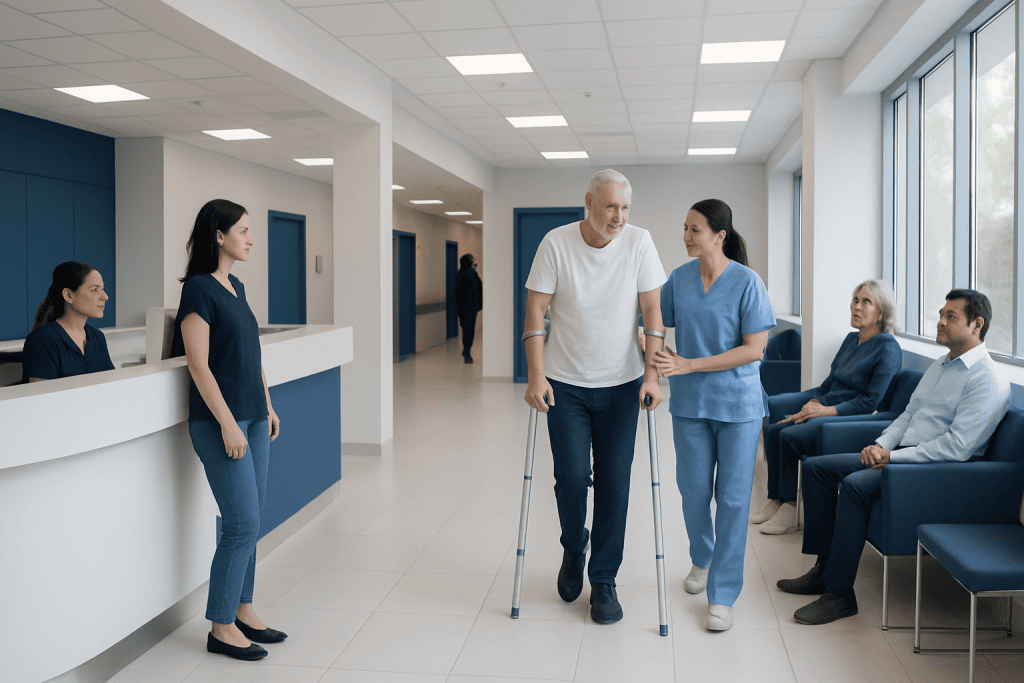
A recovery-friendly hotel in Turkey should be quiet, clean, accessible and close to your hospital, with easy meals, transport and flexible support.
Choosing the right hotel after treatment can make your recovery smoother, calmer and less tiring. This guide helps you decide what matters most, what to ask before booking, and how to plan a comfortable stay in Turkey or Istanbul.
At a glance
- Best for: Patients who need a calm, practical hotel after treatment in Turkey
- Top priority: Short, easy travel time between hospital and hotel
- Ask about: Lift access, walk-in shower, room service, quiet rooms and flexible check-out
- Bring with you: Discharge papers, medicines, emergency contacts and comfort items
- Good to know: Your needs may change depending on mobility, pain control, dressings and follow-up visits
Why your hotel choice matters after treatment
After treatment, your hotel is not just a place to sleep. It becomes part of your recovery routine: resting, eating, taking medicines on time, managing follow-up visits and avoiding unnecessary effort. A hotel that looks good online may still be a poor fit if it involves long walks, noisy surroundings, steep bathroom steps or limited food options.
Your needs are usually simpler than people expect. You often need a quiet room, reliable cleanliness, easy bathroom access, comfortable temperature control, and a stress-free route to the hospital. If you are sore, tired or moving more slowly than usual, small practical details can make a big difference.
If you are receiving care with Acibadem International, the international patient services team can often help you think through accommodation logistics in a practical way. This can be especially useful if you are traveling from abroad, staying in Istanbul for the first time, or coordinating transport, interpreters and follow-up appointments.
The most important features to look for
Start with accessibility and ease. A recovery-friendly hotel in Turkey should have step-free or low-effort access wherever possible, dependable lifts, minimal distance from entrance to room, and a bathroom that feels safe to use when you are tired. Even if you do not normally consider yourself someone who needs accessible features, recovery can temporarily change what is comfortable.
Quiet matters too. Ask for a room away from lifts, busy roads, bars and late-night event spaces. Good blackout curtains, decent sound insulation and a calm floor can help you sleep better, which supports recovery more than many patients realize.
Practical comfort is just as important as appearance. Look for a supportive bed, room service or easy meal access, bottled water availability, in-room kettle if helpful, air conditioning or heating you can control, and enough space to move safely. If you have a companion, make sure the room setup works for both of you without creating clutter or awkward movement paths.
- Lift access and minimal stairs
- Walk-in or low-threshold shower if possible
- 24-hour front desk
- Reliable Wi-Fi for contact with family and your care team
- Simple food options at suitable times
- Taxi access directly at the entrance
Location: closer is usually better

After treatment, long journeys can feel much harder than expected. Traffic in large cities such as Istanbul can add strain, especially if you are attending dressings, check-ups or scans. In most cases, it is worth choosing a hotel that is close to your hospital rather than one in a more scenic or tourist-heavy area.
When comparing options, think in real travel terms, not only map distance. Ask how long the ride takes at the times you are likely to travel and whether the entrance is easy for taxis or hospital transfers. A hotel that is technically nearby but hard to reach on foot or by car may not be ideal.
If your treatment is at an Acibadem hospital, ask whether your patient coordinator can advise on practical travel times and transport arrangements. JCI-accredited hospital systems that regularly support international patients often understand these day-to-day issues well, and that kind of guidance can reduce stress for you and your companion.
Questions to ask before you book
Before confirming any hotel, contact the property directly. Online photos rarely show the things that matter most during recovery, such as shower entry height, mattress firmness, hallway noise or how far the room is from the lift. A short email or phone call can save you from an uncomfortable stay.
Be specific and explain that you are staying after medical treatment. You do not need to share private medical details, but it helps to say that you may be moving slowly, need a quiet room, and may return from appointments tired. Hotels can often note practical preferences if they know in advance.
- Can you provide a quiet room away from noise?
- Is there lift access all the way to the room?
- Does the bathroom have a walk-in shower or grab bars?
- Can room service or simple meals be arranged?
- Is there flexible early check-in or late check-out if needed?
- Can staff help call a taxi quickly for hospital visits?
- Are extra pillows or blankets available?
- Is smoking allowed anywhere near guest rooms?
If you are unsure what to ask, your hospital coordinator or international patient team may help you build a simple list based on your expected recovery needs. This is often easier than trying to think of everything while planning your trip.
How your treatment and mobility affect the right hotel choice
Not every patient needs the same setup. Some people mainly need a restful base for one or two nights before flying home, while others need a longer stay with regular follow-up visits. Your hotel choice should reflect your actual level of comfort, mobility and energy after treatment.
If you expect temporary reduced mobility, prioritize short walking distances, safe bathroom design, easy bed access and help with luggage. If you may have dressings, compression garments or tiredness, a spacious room and simple laundry arrangements may matter more than luxury extras. If you are traveling with a companion, think about whether they will need workspace, meal options and room to assist you comfortably.
Always follow your treating team’s guidance first. If your doctor advises a certain type of environment, transport limitation or follow-up schedule, let that shape your booking decisions. Acibadem International teams can also help international patients align hotel planning with discharge instructions, interpreter support and appointment timing.
Food, hygiene and daily routines during recovery
One overlooked part of recovery is how easy it is to manage ordinary daily tasks. You may need regular hydration, simple meals, medication reminders and a clean, calm space to rest. A hotel that makes these routines easy can feel much more supportive than one that offers impressive facilities you are unlikely to use.
Ask whether breakfast can be delivered or whether room service is available during the hours you may need it. If you have dietary restrictions, check whether the kitchen can offer plain, familiar options. You do not need a complex menu; you need food that is reliable, easy to tolerate and available without effort.
Hygiene standards should feel visibly dependable. Clean bathrooms, fresh linens, responsive housekeeping and smoke-free areas matter when you are recovering. If anything about a room feels unsafe, unclean or impractical after arrival, request a room change early rather than trying to manage in an unsuitable space.
Planning for check-in, follow-up visits and the trip home
Try to make the first 48 hours after discharge as simple as possible. Confirm how you will get from the hospital to the hotel, who will carry bags, where your medicines will be kept and what time your next appointment is. Recovery is easier when you do not have to solve transport or room issues while tired.
It is also wise to think ahead to departure day. If your flight is later than hotel check-out, ask in advance about a late check-out, lounge access or a quiet place to rest before leaving for the airport. This can be especially helpful if you still need to lie down, avoid heavy activity or manage medicine timings.
Keep your hospital papers, passport, insurance documents if relevant, and emergency contact numbers in one easy-to-reach folder. If you are staying in Turkey after treatment with Acibadem International, make sure you know how to contact your coordinator, interpreter or hospital team if questions come up between appointments.
Step by step
- Ask your care team what your recovery will practically look like. Before booking, ask about your expected mobility, likely fatigue level, follow-up visits and any limitations on walking, stairs or sitting for long periods. You do not need a detailed medical plan for this step, just enough practical guidance to choose the right environment.
- Choose location before luxury. Start with hotels that are easiest to reach from your hospital, not the ones with the most amenities. A shorter, smoother ride can matter more than a larger room or better view when you are recovering.
- Contact the hotel directly with specific questions. Do not rely only on booking photos or general descriptions. Ask about lifts, shower access, room noise, meal availability, late check-out and taxi support so you know how the stay will work in real life.
- Book a room that reduces effort. Request a quiet room near the lift but not directly beside it, with enough space to move safely. If possible, avoid complex layouts, bathtubs with high sides and rooms that require extra walking through long corridors.
- Plan your arrival from hospital to hotel. Know who is arranging transport, how long the journey usually takes and whether someone will help with luggage. This is particularly important on discharge day, when you may be tired and less comfortable than usual.
- Set up your room for recovery on the first day. Place medicines, water, chargers, documents and comfort items within easy reach as soon as you arrive. If anything in the room feels unsuitable, ask the hotel to fix it or move you before you settle in.
- Review your departure plan early. A day or two before leaving, confirm check-out time, airport transport and how you will manage meals, medicines and rest on travel day. Last-minute logistics are much more stressful when you are recovering.
Your checklist
- Hotel is close to the hospital with simple taxi access
- Lift access is available and reliable
- Bathroom is safe and easy to use after treatment
- Quiet room requested away from noise and smoking areas
- Room service or easy meal options confirmed
- Late check-out or flexible timing discussed in advance
- Hospital documents, medicines and contacts kept together
- Companion needs considered if someone is staying with you
Key takeaways
- A recovery-friendly hotel in Turkey should minimize effort, noise and travel time.
- Proximity to your hospital is often more important than views or tourist location.
- Ask directly about bathroom access, lifts, meals, quiet rooms and late check-out.
- Your treatment plan and mobility level should guide the hotel you choose.
- Keep transport, documents and follow-up appointments organized before discharge.
Frequently asked questions
How close should my hotel be to the hospital after treatment?
In most cases, closer is better. A short and simple journey reduces fatigue and makes follow-up appointments, dressing changes or unexpected questions easier to manage, especially in busy cities like Istanbul.
Do I need an accessible room even if I do not usually use one?
Possibly, yes. Recovery can temporarily change your comfort and mobility, so features like lift access, a walk-in shower, grab bars or fewer steps may be very helpful even if you do not normally need them.
What hotel features matter most after treatment?
Focus on quiet, cleanliness, easy bathroom access, simple meals, temperature control and straightforward transport to the hospital. These practical details usually matter more during recovery than spa facilities, nightlife or sightseeing access.
Should I tell the hotel that I am staying after medical treatment?
Yes, in a simple and private way. You do not need to share personal medical details, but letting the hotel know you may need a quiet room, easy access and flexible support can help them prepare appropriately.
Can Acibadem International help with hotel planning?
International patient teams can often help you think through practical arrangements around your treatment schedule, transport and follow-up visits. If you are being treated within Acibadem's JCI-accredited hospital network, that coordination can make your stay more manageable.
Is it better to stay in a tourist area or near the hospital?
For recovery, staying near the hospital is usually the better choice. Tourist areas may be attractive, but they can involve more noise, longer travel times and more walking than feels comfortable after treatment.
What should I do if the room is not suitable once I arrive?
Raise the issue immediately with the hotel and ask for a room change if needed. It is much easier to fix problems such as noise, bathroom access or bed setup early than to try to cope with them while recovering.
Add us as a Preferred Source to see more of our trusted health content across Google Search, AI Overviews and Discover.
More Patient Guides

How to Sleep Better in Turkey Before and After Treatment
Sleep better in Turkey before and after treatment with simple tips on timing, room comfort, routines and recovery planning in Istanbul.
9 min read
How to Plan Meals Around Surgery and Recovery in Turkey
Plan meals around surgery and recovery in Turkey with simple timing, hydration, shopping, and hotel tips for a smoother treatment trip.
9 min read
Medical Power Adapters and Device Charging in Turkey: Patient Guide
Medical power adapters and device charging in Turkey usually require Type C or F plugs and 220–240V power. Bring the right adapter…
8 min read