

How to Plan Meals Around Treatment Appointments in Turkey
Plan meals around treatment appointments in Turkey by timing light, practical food and hydration around scans, procedures and travel days in Istanbul.
When you are balancing hospital visits, travel time, and recovery, meal planning can make your day feel much easier. A simple food routine helps you stay comfortable, avoid long fasting gaps, and arrive at appointments with the right documents, medications, and snacks ready.
At a glance
- Best for: Patients coordinating meals, hydration, and hospital schedules during a treatment trip
- Main goal: Help you eat safely and comfortably around tests, consultations, and procedures
- Most important tip: Always confirm fasting instructions with your care team before eating or drinking
- Useful to prepare: Water bottle, simple snacks, medication list, and a daily appointment timetable
- Good meal style: Light, familiar, easy-to-digest foods rather than heavy or rich meals
- Support available: International patient teams can help clarify scheduling, interpreters, and practical logistics
Start with your appointment schedule, not the menu
The easiest way to plan meals around treatment appointments in Turkey is to begin with your hospital timetable. Before you think about breakfast, lunch, or snacks, note the exact time of each consultation, scan, blood test, procedure, and transfer between your hotel and the hospital. Meal timing is much simpler when you can see where the long gaps are and where you may need to fast.
Some appointments do not affect eating at all, while others may come with strict instructions about food, water, or medication. Blood tests, imaging, sedation, anesthesia, endoscopy, and certain day procedures may require you to stop eating for a number of hours beforehand. Because instructions vary, the safest approach is to follow the guidance given by your treating team rather than making assumptions based on past experience.
If you are receiving care through Acibadem International, ask the international patient services team to help you confirm the plan in writing, especially if you have several appointments across one or two days. This is particularly useful if you are traveling with a companion, using an interpreter, or moving between Istanbul traffic, your hotel, and the hospital campus. A clear written schedule helps you decide when you can eat normally, when to keep meals light, and when to avoid food completely.
Know when to eat, when to keep it light, and when to fast
On days with routine consultations, many patients do best with a normal but balanced meal pattern: a light breakfast, a manageable lunch, and a simple dinner. If you have an early morning appointment, eating too heavily beforehand can leave you feeling uncomfortable during transfers, waiting times, or examinations. A lighter option such as toast, yogurt, soup, fruit, or eggs may be easier than a large hotel buffet.
On days with tests or procedures, your instructions matter more than your appetite. If your care team tells you not to eat or drink after a certain time, follow that exactly, even if your appointment is later than expected. If you are unsure whether black coffee, chewing gum, water, or medications are allowed, ask before the day of the appointment rather than guessing that they are fine.
When you are allowed to eat before attending, aim for food that is gentle and familiar. Rich pastries, very spicy meals, large portions, and greasy fast food can be uncomfortable if you are already feeling anxious or if you will be spending time in a car. A practical rule is simple: if a meal usually feels heavy at home, it will probably feel heavier on a medical travel day.
- Routine consultation day: eat normally, but avoid overeating
- Imaging or blood test day: confirm whether fasting is required
- Sedation or anesthesia day: follow your hospital instructions exactly
- Long travel day: prioritize hydration and simple snacks
Choose foods that travel well and are easy on your stomach
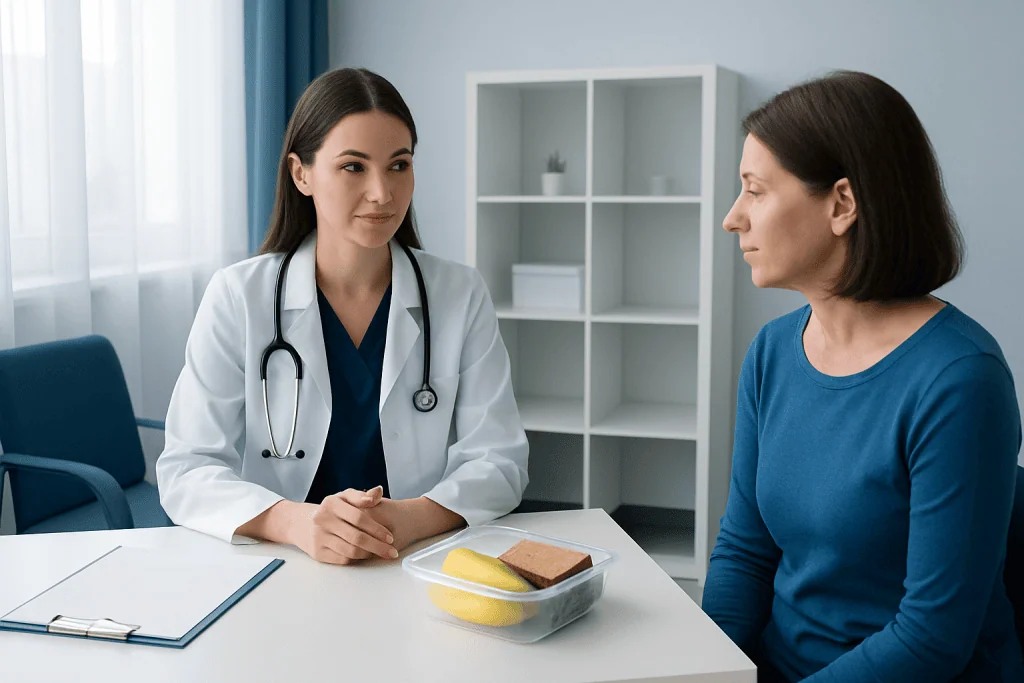
Treatment days often involve waiting rooms, transfers, paperwork, and unpredictable timing, so practical food is better than ambitious food. Pack or buy items that are easy to carry, do not spoil quickly, and are unlikely to upset your stomach. Crackers, bananas, plain sandwiches, yogurt, oatmeal, rice dishes, soup, and simple protein options are often easier to manage than large restaurant meals.
If treatment or stress affects your appetite, smaller and more frequent eating may feel better than three full meals. Even when you do not feel very hungry, having a few bites at the right time can help you avoid dizziness, headaches, or low energy later in the day. This matters even more if you are taking regular medicines that usually sit better with food.
If you have allergies, diabetes, coeliac disease, kidney disease, or another condition that affects what you can safely eat, build your daily plan around that first. Bring a translated note listing your dietary restrictions and any emergency information, especially if you may eat at the hospital, hotel, or airport. International patient teams and interpreters at Acibadem International can help you communicate dietary needs more clearly when needed.
Plan for hydration, medication timing, and recovery periods
Hydration is often overlooked when people focus on appointments, but it has a big effect on how you feel. Travel, warm weather, stress, and long waiting periods can all leave you feeling drained. Unless your doctor has told you to restrict fluids, keeping water with you through the day is one of the simplest ways to stay more comfortable.
Medication timing should be planned alongside meals, not separately. Some medicines need to be taken with food, some on an empty stomach, and some may need to be paused or adjusted around tests or procedures. Keep a written list of what you take, when you usually take it, and whether it normally needs food or water so you can double-check instructions with your care team.
After a procedure or treatment session, you may not want a full meal immediately. Many patients feel better starting with something light, then returning to more regular meals later if advised by the team. Depending on what you have had done, your doctor may recommend soft foods, extra fluids, or avoidance of alcohol and very heavy meals for the rest of the day.
Make hotel, transport, and local dining work for you
Your food plan should fit your route, not just your appetite. If your hospital journey in Istanbul may take time because of traffic, do not rely on finding exactly the right meal at the last minute. Decide the night before whether you will eat in your hotel, order room service, visit a nearby café, or carry food with you. This is especially helpful for early starts or back-to-back appointments.
If your treatment schedule is busy, consider choosing accommodation with easy access to simple meals, a minibar, kettle, or fridge. Being able to store yogurt, fruit, bottled water, or leftovers can make a big difference on days when you return tired. If you are staying for several days, identify one or two reliable food options near your hotel and one near the hospital rather than searching each time.
Acibadem International often supports patients with practical logistics such as transport coordination, hospital directions, and interpreter assistance. Use that support to clarify when you are likely to leave the hospital and whether you should plan a meal before returning to your accommodation. Your companion can also help by carrying snacks, checking labels, or ordering food while you focus on the appointment itself.
What to do if your day changes unexpectedly
Medical schedules can shift. A consultation may run late, a scan may be moved, or your care team may ask for another test on the same day. For that reason, it helps to think in layers: your planned meal, your backup snack, and your emergency option if you are delayed longer than expected.
If fasting is not required, keep one or two small snacks with you at all times. This is especially useful if you are sensitive to low blood sugar, prone to nausea, or traveling with an older adult. If fasting is required, keep the snacks for later and ask staff when you will be able to eat again so you can plan your recovery meal without guessing.
It is also fine to ask practical questions. You can ask whether there is a café in the hospital, whether you can drink water after a test, when it will be safe to eat after the procedure, or whether a delay changes the fasting time. These are normal concerns, and clear answers can prevent avoidable discomfort.
Step by step
- Map out the next 24 to 48 hours. Write down all appointment times, travel times, and expected return times to your hotel. Once you can see the full day, add likely meal windows and mark any periods when food or drink may not be allowed.
- Confirm fasting and medication instructions early. Do not wait until the evening before to ask whether you can eat, drink water, or take your usual medicines. Contact your care coordinator or hospital team as soon as the schedule is set so you can plan safely.
- Choose simple meals for appointment days. Prioritize familiar, easy-to-digest foods rather than large or rich meals. Light meals are often easier before transfers, waiting times, and tests, especially if you are anxious or prone to nausea.
- Pack a small food and hydration kit. Bring water if permitted, plus simple snacks for after appointments or for long gaps in the day. Include any items that are hard for you to find locally or that suit a specific dietary restriction.
- Coordinate food with your medicines. Check whether your medicines need food, extra water, or a specific time gap before treatment. If the schedule changes, ask the team whether your medication plan also needs to change.
- Plan your first meal after the appointment. Before you leave your hotel, know what and where your next safe meal will be. This reduces stress after the hospital visit, when you may be tired and less able to make decisions.
- Keep a backup plan for delays. Carry a snack if eating is allowed, and know where the nearest suitable food option is if your day runs longer than expected. If you must stay fasting, ask staff when you can eat again rather than assuming.
Your checklist
- Written appointment schedule with travel times
- Confirmed fasting instructions for each test or procedure
- List of medications and when they are usually taken
- Reusable water bottle if fluids are allowed
- Two simple snacks for after appointments or delays
- Translated note for allergies or dietary restrictions
- Hotel plan for breakfast and late return meals
- Companion informed about your eating and medication plan
Key takeaways
- Build your meal plan around appointment times, travel time, and any fasting requirements.
- Choose light, familiar foods on treatment days and avoid heavy meals unless your team advises otherwise.
- Hydration and medication timing are just as important as the meal itself.
- Carry simple backup snacks for delays when eating is allowed.
- Use international patient support services to confirm schedules, interpreters, and practical logistics.
Frequently asked questions
Can I eat before a hospital appointment in Turkey?
It depends on the type of appointment. Routine consultations often allow normal eating, but scans, blood tests, sedation, anesthesia, or certain procedures may require fasting. Always follow the exact instructions given by your hospital team.
What are the best foods to eat before a routine consultation?
A light, familiar meal is usually easiest, such as eggs, toast, yogurt, fruit, soup, or a simple sandwich. Try to avoid very heavy, greasy, or spicy foods if you have a long transfer, feel anxious, or may be waiting for some time.
What should I do if my appointment is delayed and I am hungry?
If you are not fasting, have a small snack and water if allowed. If you are fasting, do not eat without checking first; ask the staff whether the delay changes the instructions and when you will be able to eat safely afterward.
Should I bring my own snacks to the hospital?
Yes, that is often a good idea if your appointment allows eating and drinking. Simple items such as crackers, bananas, plain biscuits, or a sandwich can be helpful after tests, during long waits, or on the journey back to your hotel.
How can I manage meals if I have diabetes or food allergies?
Tell your care team about diabetes, allergies, or any medically necessary diet as early as possible, because these conditions can affect fasting, medication timing, and meal planning. Bring a written list of your needs, and if needed, ask the international patient team or an interpreter to help communicate them clearly.
Is it easy to find suitable food during treatment in Istanbul?
In many areas, yes, but it is still better not to rely on last-minute options on a busy treatment day. Planning meals near your hotel or hospital, and carrying one or two safe snacks, can make your day much smoother.
Can Acibadem International help with practical planning around appointments?
Yes, international patient services can often help you understand your schedule, transport timing, interpreter support, and other practical details around your visit. That can make it easier to plan meals, medication timing, and rest periods with fewer surprises.
Add us as a Preferred Source to see more of our trusted health content across Google Search, AI Overviews and Discover.
More Patient Guides

How to Sleep Better in Turkey Before and After Treatment
Sleep better in Turkey before and after treatment with simple tips on timing, room comfort, routines and recovery planning in Istanbul.
9 min read
How to Plan Meals Around Surgery and Recovery in Turkey
Plan meals around surgery and recovery in Turkey with simple timing, hydration, shopping, and hotel tips for a smoother treatment trip.
9 min read
Medical Power Adapters and Device Charging in Turkey: Patient Guide
Medical power adapters and device charging in Turkey usually require Type C or F plugs and 220–240V power. Bring the right adapter…
8 min read