Psychiatric Symptoms Caused by Brain Disorders: When Neuropsychiatry Is Needed

Brain disorders can sometimes cause depression, anxiety, psychosis, personality change, memory problems, or confusion. Neuropsychiatry focuses on symptoms that overlap between brain health and mental health.
Key Takeaways
- Brain disorders can sometimes cause depression, anxiety, psychosis, personality change, memory problems, or confusion.
- Neuropsychiatry focuses on symptoms that overlap between brain health and mental health.
- Warning signs such as sudden onset, seizures, headaches, cognitive decline, or neurological symptoms may suggest a brain-based cause.
- Assessment may include a detailed history, neurological examination, cognitive testing, blood tests, and brain imaging.
- Treatment depends on the underlying cause and may combine neurological care, psychiatric treatment, and rehabilitation.
Psychiatric symptoms do not always begin in the mind alone. In some people, changes in mood, behavior, thinking, or perception are linked to an underlying brain disorder, and neuropsychiatry helps identify and treat both the neurological and psychiatric aspects together.
Overview
Psychiatric symptoms caused by brain disorders refer to mental or behavioral changes that arise from a problem affecting the brain. These symptoms may include depression, anxiety, hallucinations, delusions, irritability, personality change, memory loss, poor concentration, or sudden confusion. While many psychiatric symptoms are related to primary mental health conditions, some are a sign of an underlying neurological illness that needs a different type of evaluation.
Neuropsychiatry is the medical field that looks at the connection between the brain, behavior, emotions, and thinking. It is especially useful when symptoms do not fit a typical psychiatric pattern, begin suddenly, appear later in life, or occur along with headaches, seizures, movement problems, weakness, language changes, or cognitive decline. In these situations, understanding the brain basis of symptoms can guide safer and more effective treatment.
Many conditions can affect brain function in ways that look psychiatric at first. These include epilepsy, stroke, dementia, autoimmune brain inflammation, infections, brain tumors, traumatic brain injury, hormonal disturbances, and medication effects. Sometimes the first noticeable sign is not a neurological complaint but a change in mood or behavior.
A careful, balanced approach is important. Having psychiatric symptoms does not automatically mean a person has a brain disease, and having a neurological condition does not mean symptoms are “all in the head.” Neuropsychiatry helps bring these pieces together so the person can receive appropriate, whole-person care.
Symptoms That May Suggest a Brain-Related Cause
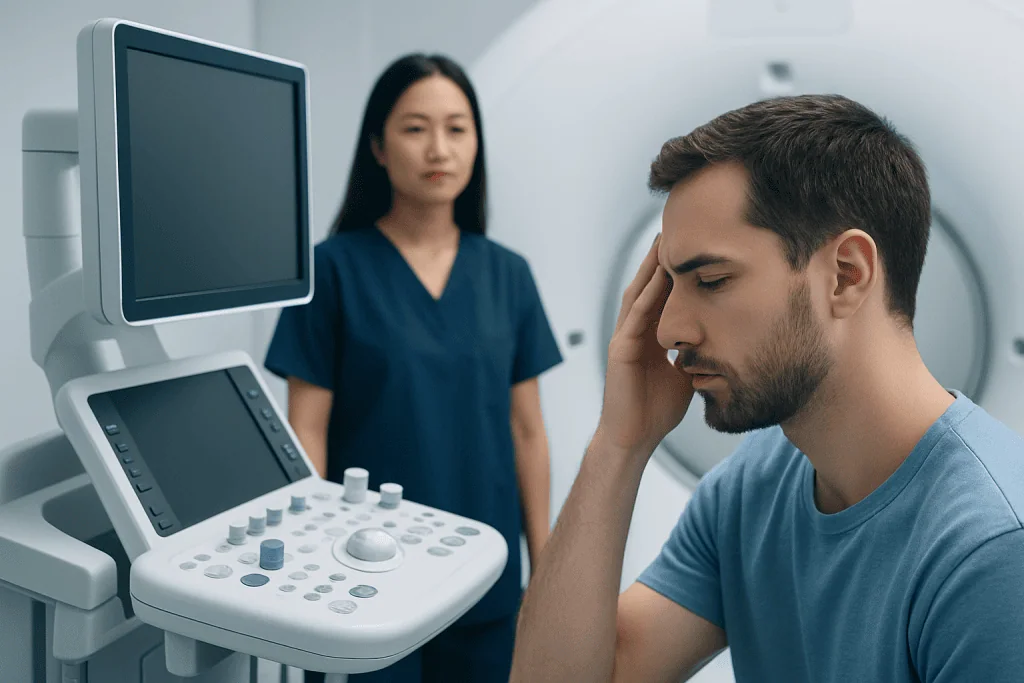
The symptoms vary depending on which part of the brain is affected and what type of disorder is present. Some people develop depression, apathy, anxiety, panic, obsessive behaviors, sleep disturbance, or emotional instability. Others may experience hallucinations, suspiciousness, agitation, disinhibition, impulsivity, or a marked change in personality that family members notice before the person does.
Thinking and memory changes are also common. A person may have trouble planning tasks, finding words, following conversations, judging situations, or remembering recent events. Confusion that fluctuates during the day can point to delirium, which often has a medical or neurological cause and requires prompt attention.
Features that may raise concern for an underlying brain disorder include symptoms that begin suddenly, symptoms that first appear in middle or older age, or symptoms that are accompanied by neurological signs. Examples include seizures, fainting, tremor, stiffness, unsteady walking, weakness, numbness, vision changes, severe headaches, or episodes of lost awareness. Cognitive decline alongside psychiatric symptoms can also suggest conditions such as Alzheimer’s disease or other neurodegenerative disorders.
Family members often notice subtle changes early. A previously organized person may become careless, socially inappropriate, suspicious, emotionally flat, or unable to manage daily routines. These changes do not always mean a progressive illness, but they should be assessed, especially if they are new, worsening, or out of character.
Causes and Risk Factors

Many brain disorders can lead to psychiatric symptoms. Structural problems such as stroke, tumors, bleeding, hydrocephalus, or traumatic brain injury may affect the networks that regulate mood, judgment, and behavior. Functional disturbances such as epilepsy can also cause brief or ongoing changes in emotion, perception, or awareness. In some people, neurodegenerative conditions may begin with depression, apathy, irritability, or social withdrawal before memory problems become obvious.
Inflammation, infection, and autoimmune disease are important causes because they can affect the brain relatively quickly. Encephalitis, autoimmune encephalitis, multiple sclerosis, lupus-related brain involvement, and some infections may produce psychosis, confusion, mood symptoms, or cognitive changes. Metabolic and endocrine problems such as thyroid disease, vitamin deficiencies, liver or kidney failure, and electrolyte disturbances can have similar effects.
Medications and substances may also play a role. Steroids, some anti-seizure medicines, sedatives, stimulants, alcohol, and recreational drugs can trigger or worsen psychiatric symptoms. Polypharmacy, especially in older adults, increases the risk of confusion, falls, and behavioral change. Sleep deprivation and severe medical illness can further disrupt brain function.
Risk factors that make neuropsychiatric evaluation more important include older age, a history of neurological disease, recent head injury, immune disorders, cancer, substance use, or a sudden shift from a person’s usual behavior. A family history can be relevant, but it is only one part of the picture. The key issue is whether symptoms might reflect a treatable brain-based cause that should not be missed.
How Neuropsychiatry Evaluation Works
A neuropsychiatric assessment begins with a detailed history. The doctor asks when symptoms started, whether they came on suddenly or gradually, what triggers or worsens them, and whether there are related problems such as seizures, headaches, falls, weakness, sleep changes, fever, or medication changes. Information from family members or caregivers is often very helpful because the affected person may not fully recognize the change.
The examination usually includes both psychiatric and neurological assessment. This means looking at mood, thought content, perception, attention, language, memory, judgment, and insight, while also checking movement, coordination, reflexes, sensation, balance, and cranial nerve function. Brief cognitive tests can show patterns that suggest problems in memory, attention, or executive functioning.
Depending on the findings, additional tests may be recommended. These can include blood tests, urine tests, toxicology screening, electroencephalography for possible seizure activity, and neuropsychological testing for a more detailed cognitive profile. Brain imaging may be important if there is concern about stroke, tumor, inflammation, injury, or degenerative disease; this may involve MRI or other imaging studies.
The aim is not simply to label symptoms, but to understand why they are happening. In many cases, the answer requires collaboration among specialists in neurology, psychiatry, neuroradiology, neuropsychology, internal medicine, and rehabilitation. This team approach helps separate primary psychiatric illness from a neurological condition, while also recognizing that both may coexist.
Treatment Options
Treatment depends on the underlying cause. If psychiatric symptoms are linked to a brain disorder, managing that disorder is a central part of care. For example, seizures may need anti-seizure treatment, autoimmune inflammation may require immunotherapy, hormonal or metabolic problems need correction, and structural causes may require specialist neurological or neurosurgical treatment. Some people may need EEG evaluation as part of diagnosis or follow-up when episodes of altered awareness or unusual behavior could reflect seizure activity.
Psychiatric symptoms themselves also deserve treatment. This may include carefully selected medications for depression, anxiety, psychosis, sleep disturbance, or agitation, but prescribing often needs extra caution because neurological conditions can change how medicines are tolerated. Doctors consider side effects such as sedation, movement problems, confusion, or interactions with other treatments.
Psychological and supportive therapies can be very helpful. Counseling, cognitive rehabilitation, behavioral strategies, family education, occupational therapy, and social support may improve daily functioning and reduce stress for both the patient and caregivers. In conditions with memory or executive problems, structured routines and environmental adjustments are often as important as medication.
When there is a structural brain problem, further evaluation may involve specialties such as neurosurgery or advanced neurological care. If a stroke is suspected as part of the cause of new emotional or behavioral symptoms, targeted assessment for stroke may also be needed. Near the end of the care pathway, centers such as Acibadem International can provide multidisciplinary evaluation and treatment for international patients through JCI-accredited hospitals when neuropsychiatric expertise is required.
Prevention and Self-care
Not all brain-related psychiatric symptoms can be prevented, but some general health measures may reduce risk or support earlier recognition. Managing blood pressure, diabetes, cholesterol, and sleep problems helps protect brain health. Avoiding excessive alcohol and recreational drugs, using medicines only as prescribed, wearing seat belts, and taking steps to prevent falls and head injury are also important.
Good self-care supports both brain function and emotional well-being. Regular sleep, physical activity, balanced nutrition, hydration, social connection, and mental stimulation can all help. For people with an existing neurological condition, keeping follow-up appointments and taking treatment consistently may lower the chance of symptom worsening.
Families and caregivers have an important role. Keeping a record of symptoms, timing, behavior changes, sleep pattern, medications, and possible triggers can help the medical team identify patterns. It is especially useful to note whether episodes are brief and repetitive, associated with staring, confusion, or automatisms, as this may suggest seizure-related symptoms.
Self-care should not replace medical assessment when symptoms are new, severe, or progressive. Sudden psychosis, confusion, marked personality change, or rapid memory decline should not be dismissed as stress alone. Early evaluation can sometimes identify a treatable condition and prevent complications.
When to See a Doctor Urgently
A person should seek medical attention if psychiatric symptoms are sudden, severe, or very different from their usual behavior. New hallucinations, paranoia, major confusion, loss of memory, or dramatic personality change deserve prompt assessment, especially when there is no prior psychiatric history. This is particularly important in children, older adults, and anyone with cancer, immune problems, or recent infection.
Urgent evaluation is also needed if symptoms occur with neurological warning signs. These include seizures, fainting, weakness on one side, slurred speech, severe headache, fever, stiff neck, trouble walking, or reduced consciousness. Such combinations may point to stroke, infection, inflammation, or another acute brain condition that needs immediate care.
Even when symptoms are less dramatic, specialist review is worthwhile if treatment for a presumed mental health condition is not helping, if side effects are unusual, or if cognition is steadily declining. A neuropsychiatry consultation can help clarify whether the main issue is psychiatric, neurological, or a combination of both.
If there is any concern about safety, self-harm, aggression, inability to manage daily needs, or sudden worsening of confusion, emergency help should be sought right away. Early recognition and coordinated care often lead to better outcomes and less distress for patients and families.
Frequently asked questions
What is neuropsychiatry?
Neuropsychiatry is a medical specialty that focuses on the relationship between brain function, behavior, mood, and thinking. It is often helpful when symptoms overlap between neurology and psychiatry or when a brain-based cause is suspected.
Can a brain disorder look like a mental health condition?
Yes. Some brain disorders can first appear as depression, anxiety, psychosis, personality change, memory loss, or confusion. That is why sudden, unusual, or late-onset psychiatric symptoms sometimes need neurological assessment as well as psychiatric evaluation.
What are red flags that psychiatric symptoms may be brain-related?
Important red flags include sudden onset, first symptoms later in life, rapid cognitive decline, seizures, severe headaches, weakness, speech changes, gait problems, fever, or fluctuating confusion. Symptoms that do not respond as expected to standard psychiatric treatment may also need further investigation.
What tests might be used in a neuropsychiatric evaluation?
Testing depends on the person’s symptoms, but may include a neurological examination, mental state assessment, cognitive testing, blood tests, brain imaging, and EEG. In some cases, more detailed neuropsychological testing is used to understand memory, attention, and executive functioning.
Are psychiatric symptoms from brain disorders treatable?
Often, yes. Treatment may improve significantly when the underlying neurological or medical cause is identified and addressed. Many people also benefit from psychiatric treatment, therapy, rehabilitation, and family support as part of a combined care plan.
Should older adults with new psychiatric symptoms see a doctor quickly?
Yes. New confusion, paranoia, hallucinations, or major behavior change in an older adult should be assessed promptly because these symptoms can be linked to delirium, medication effects, dementia, stroke, or other medical problems. Early assessment can help identify conditions that are reversible or need urgent care.
References
- World Health Organization
- National Institute of Mental Health
- National Institute of Neurological Disorders and Stroke
- American Psychiatric Association
- Alzheimer's Association
This article is for general information only and is not a substitute for professional medical advice. Please consult a qualified doctor about your individual situation.
Neuropsychiatry in Turkey — costs, top hospitals & a free quote
JCI-accredited · board-certified surgeons · reply within 24h
Add us as a Preferred Source to see more of our trusted health content across Google Search, AI Overviews and Discover.

More from the Health Library



Related Specialists

Dt. Pelin Dülgeroğlu Karamık
Oral & Dental Health
Alperen Mustafa Oğuz
Physical Medicine & Rehabilitation
Assoc. Prof. Dr. Özge Vural Topuz
Nuclear Medicine
Dr. Elif Gülek
Anesthesiology