

Celebrity Health Health News
ALS and Energy Therapies: What the Condition Is and How It’s Treated
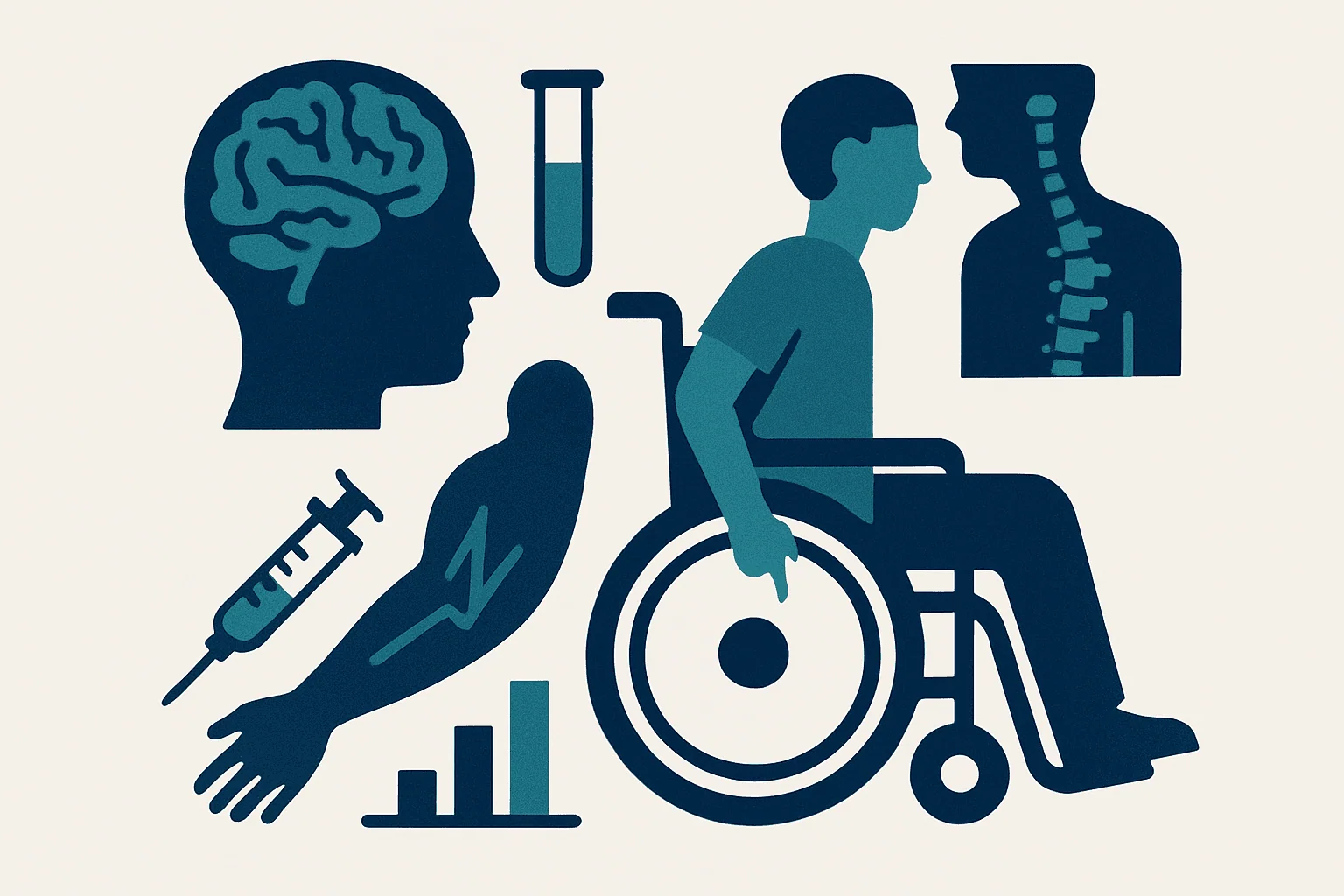
- ALS is a progressive disease that damages motor neurons controlling voluntary muscles.
- Early symptoms may include weakness, muscle twitching, speech changes, or swallowing problems.
- Diagnosis relies on neurological evaluation, EMG, imaging, and ruling out similar conditions.
- Treatment focuses on slowing progression, easing symptoms, and preserving quality of life.
- Multidisciplinary care is central to communication, nutrition, mobility, and breathing support.
Recent headlines about anti-fatigue therapies and high-profile wellness trends have sparked fresh interest in energy, exhaustion, and chronic illness. But fatigue can have many causes, and one serious neurological condition people may search for is ALS, also called amyotrophic lateral sclerosis. ALS is not simply about feeling tired. It is a progressive disease that affects the nerve cells controlling voluntary muscles, changing how a person moves, speaks, swallows, and breathes over time.
Because ALS can begin subtly, early signs are sometimes mistaken for other problems. Understanding what the condition is, how it is identified, and what treatment can and cannot do may help patients and families navigate a difficult diagnosis with more clarity.
What ALS is and how it affects the body
ALS is a disease of the nervous system that damages motor neurons, the specialized nerve cells that carry signals from the brain and spinal cord to muscles. When these neurons degenerate, muscles no longer receive normal instructions. Over time, the muscles become weak, shrink, and lose function.
The word “amyotrophic” refers to muscle wasting, while “lateral sclerosis” describes scarring in parts of the spinal cord. In practical terms, ALS gradually interferes with activities many people take for granted, such as walking, using the hands, talking clearly, swallowing safely, and eventually breathing effectively.
ALS usually affects voluntary muscles, meaning the muscles used for intentional movement. It does not typically begin by causing numbness or loss of sensation, which helps distinguish it from some other neurological conditions. However, the disease experience varies from person to person. Some people first notice weakness in an arm or leg, while others develop speech or swallowing problems first.
There are different patterns of ALS presentation:
- Limb-onset ALS: symptoms begin in the arms or legs, often with clumsiness, tripping, or weakness.
- Bulbar-onset ALS: symptoms begin with speech, chewing, or swallowing difficulties.
- Familial ALS: inherited forms linked to specific genetic changes.
- Sporadic ALS: the most common form, occurring without a clear family history.
Although ALS is progressive, the speed of progression differs widely. Some people experience more gradual change, while others decline more quickly.
Common symptoms and early warning signs
ALS often starts quietly. A person may first notice that one hand feels weaker, that they are stumbling more often, or that their speech sounds slurred when tired. These symptoms do not automatically mean ALS, but persistent changes deserve medical evaluation.
Possible symptoms include:
- Muscle weakness in an arm, hand, leg, or foot
- Frequent tripping or difficulty climbing stairs
- Loss of grip strength or trouble with buttons, jars, or writing
- Muscle twitching, especially in the arms, shoulders, or tongue
- Muscle cramps or stiffness
- Slurred or nasal speech
- Difficulty chewing or swallowing
- Shortness of breath, especially during exertion or when lying down
Fatigue can also occur in ALS, but usually as part of the broader burden of muscle weakness, sleep disruption, breathing difficulty, or increased effort needed for daily tasks. That is why it is important not to view tiredness in isolation.
As the disease progresses, symptoms may extend to more muscle groups. A person may need help with mobility, communication, nutrition, and respiratory support. Some individuals with ALS also experience changes in thinking, behavior, or emotional expression, though this does not happen in every case.
How ALS is diagnosed
There is no single blood test or scan that definitively diagnoses ALS on its own. Instead, diagnosis usually involves a careful neurological assessment combined with tests that help rule out other disorders that can mimic it.
A specialist, often a neurologist, looks for evidence of both upper motor neuron and lower motor neuron involvement. In simple terms, this means signs that the disease is affecting nerve pathways in the brain and spinal cord as well as the nerve cells connecting to muscles.
Clinical evaluation
The diagnostic process usually starts with a detailed history and neurological exam. The doctor may ask about:
- When weakness began and how it has changed
- Speech or swallowing difficulties
- Muscle twitching or cramps
- Breathing symptoms
- Family history of neurological disease
On examination, clinicians assess strength, reflexes, muscle tone, coordination, speech, and signs of muscle wasting.
Key tests used in evaluation
- Electromyography (EMG): measures electrical activity in muscles and can show patterns of nerve damage.
- Nerve conduction studies: help evaluate how well electrical signals travel through nerves.
- MRI scans: may be used to exclude structural problems in the brain or spine that could explain symptoms.
- Blood and urine tests: can help rule out metabolic, inflammatory, infectious, or endocrine causes of weakness.
- Genetic testing: may be considered, especially when there is a family history or a suspected inherited form.
- Pulmonary function testing: evaluates breathing muscle strength and respiratory status.
Because ALS can resemble other conditions in its early stages, reaching a diagnosis may take time. This uncertainty can be emotionally exhausting for patients and families, but careful evaluation is important to avoid misdiagnosis.
Treatment options: disease-directed care and symptom management
At present, there is no cure for ALS, but treatment can help slow progression in some cases, ease symptoms, maintain function, and improve quality of life. Care is often most effective when delivered by a multidisciplinary team, which may include neurologists, rehabilitation specialists, respiratory therapists, dietitians, speech-language pathologists, nurses, and mental health professionals.
Medications that target the disease
Several therapies may be used to modify the course of ALS or support nerve function in selected patients. These treatments are not a cure, but they may offer benefits such as slowing decline or helping preserve function for longer in some individuals. Suitability depends on the person’s clinical picture, health status, and local availability.
Symptom-focused treatment
Symptom management is a major part of ALS care. The goal is to support comfort, independence, communication, nutrition, and breathing for as long as possible.
- Physical therapy: may help maintain mobility, reduce stiffness, and support safer movement.
- Occupational therapy: can introduce adaptive tools for dressing, eating, writing, and other daily tasks.
- Speech therapy: helps with speaking strategies, voice preservation, and communication devices when needed.
- Nutrition support: is important because swallowing difficulty and increased effort of movement can lead to weight loss.
- Respiratory support: may include monitoring, noninvasive ventilation, and other strategies as breathing muscles weaken.
- Muscle symptom management: cramps, stiffness, excess saliva, and discomfort can often be addressed with supportive therapies.
Some people eventually require feeding support because swallowing becomes unsafe or inefficient. Others may benefit from communication technologies that allow them to continue expressing themselves clearly even if speech changes.
Palliative care also has an important role in ALS. This does not mean giving up treatment. Rather, it focuses on symptom relief, emotional support, and planning around the patient’s goals and priorities throughout the illness.
Living with ALS: recovery, progression, and daily life
ALS does not have a traditional “recovery” phase in the way a surgery or infection might. Instead, care centers on adaptation, preserving function, and anticipating needs early. People often do best when support is introduced before a crisis develops.
Daily life with ALS may gradually involve changes in:
- Mobility: canes, braces, walkers, or wheelchairs may be introduced as needed.
- Home setup: ramps, bathroom modifications, and seating adjustments can improve safety and independence.
- Nutrition: texture changes or other feeding strategies may reduce choking risk and help maintain energy intake.
- Communication: from speech techniques to text-based or eye-tracking systems, tools can preserve connection and autonomy.
- Breathing support: sleep-related breathing issues may appear before daytime symptoms become obvious.
Emotional adjustment is also a significant part of living with ALS. Patients may face grief, uncertainty, and practical concerns, while loved ones often experience caregiver strain. Access to counseling, support groups, and coordinated care can make a meaningful difference.
While the condition is serious, prognosis varies. Some people live only a few years after diagnosis, while others live much longer. Factors such as age at onset, breathing involvement, nutritional status, and the pattern of symptom onset may influence the course.
When to seek specialist care and what outlook means
Any persistent, unexplained muscle weakness should be assessed by a clinician, especially if it is progressing. Urgent medical review is particularly important when weakness is accompanied by speech changes, swallowing difficulty, or shortness of breath.
Reasons a specialist neurological evaluation may be needed include:
- Weakness that is steadily worsening
- Muscle wasting or visible twitching
- Repeated falls or loss of hand function
- Slurred speech or frequent choking
- Breathing difficulty, morning headaches, or unrefreshing sleep
The outlook in ALS depends on many factors, and no two experiences are identical. What can be said with confidence is that early recognition, careful monitoring, and coordinated multidisciplinary treatment can improve symptom control and help people maintain quality of life for longer.
Recent headlines about energy-boosting therapies may draw attention to fatigue, but ALS is a far more complex neurological condition than low energy alone. Understanding the broader picture matters. From the first signs of weakness to long-term support for breathing, nutrition, and communication, ALS care is about combining medical science with practical compassion every step of the way.
Explore Diagnostics & Imaging at Acibadem →
Frequently asked questions
What does ALS stand for?
ALS stands for amyotrophic lateral sclerosis, a neurological disease that affects motor neurons and gradually weakens voluntary muscles.
Is fatigue the same thing as ALS?
No. Fatigue is a nonspecific symptom with many possible causes. ALS is a progressive motor neuron disease that usually causes weakness and loss of muscle function.
What are usually the first signs of ALS?
Early signs often include weakness in a hand, arm, foot, or leg, muscle twitching, cramps, slurred speech, or swallowing difficulty.
How do doctors confirm ALS?
Doctors use a neurological exam, electromyography, nerve studies, imaging, lab tests, and sometimes genetic testing to support the diagnosis and exclude other conditions.
Can ALS be cured?
There is currently no cure for ALS, but treatment can help slow progression in some patients and improve comfort, function, and quality of life.
Why is multidisciplinary care important in ALS?
ALS affects movement, speech, swallowing, nutrition, and breathing, so coordinated care from multiple specialists helps address changing needs over time.
✔ Reviewed by the Acibadem medical team
This article is general health information inspired by publicly reported news. It is not a statement about any individual’s private medical care, nor medical advice. Always consult a qualified clinician.