

Celebrity Health Health News
Brad Pitt and Hair Transplant: Why Searches Are Surging
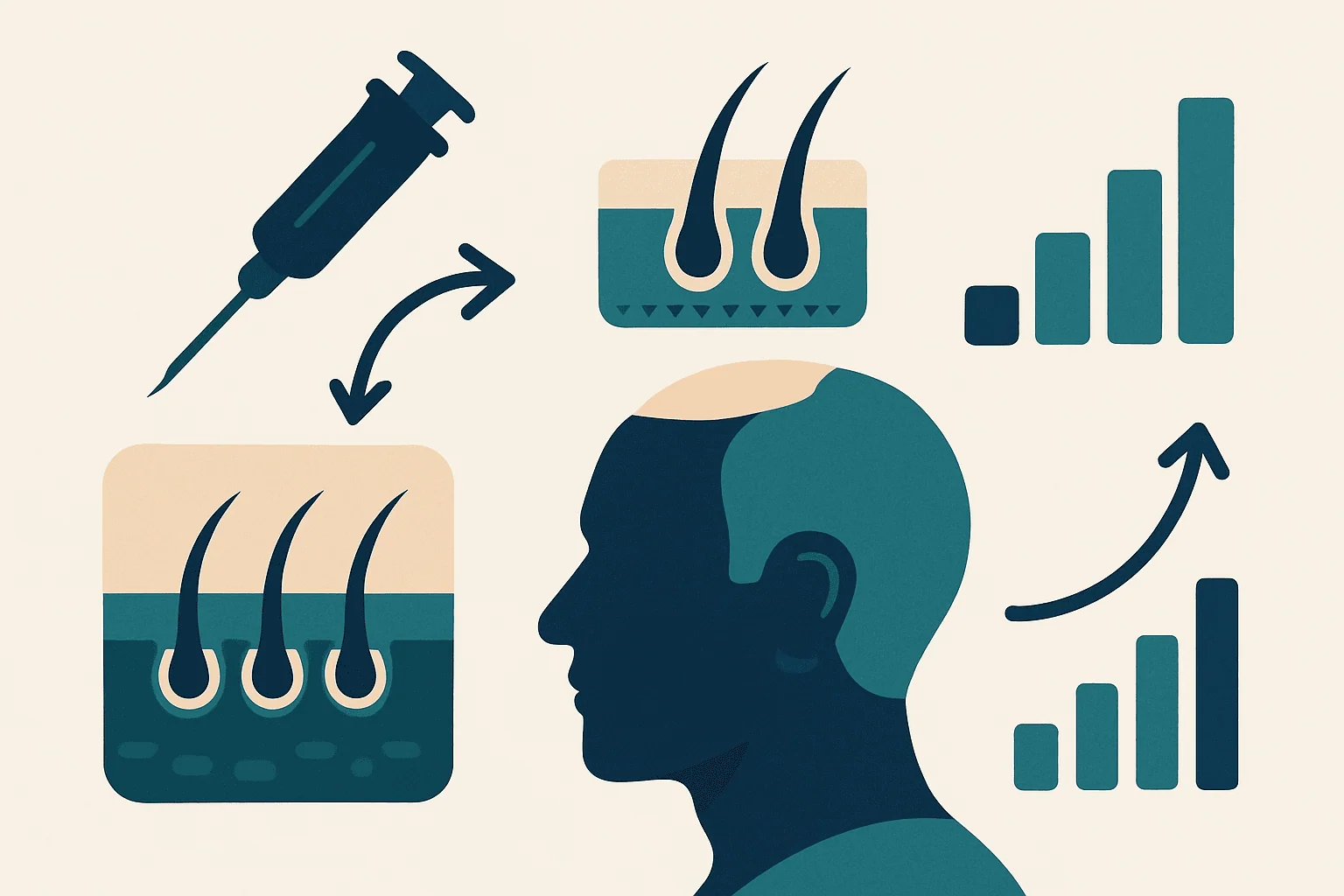
- A hair transplant moves existing follicles; it does not create new hair.
- FUE and FUT are the main surgical methods for scalp restoration.
- Correct diagnosis matters because not all hair loss types suit transplant.
- Results take months, and early shedding after surgery can be normal.
- Long-term planning is important because native hair may keep thinning.
Why are so many people suddenly searching for hair transplants? Recent headlines and online chatter tied to Brad Pitt appear to have sparked fresh curiosity, but the bigger story is the procedure itself. Hair restoration has become more visible, more refined, and more openly discussed than it was a generation ago.
A hair transplant is a medical procedure that moves healthy hair follicles from one area of the scalp to another area where hair is thinning or absent. For the right candidate, it can create a natural-looking improvement in hair density and hairline design. But it is not a simple cosmetic shortcut, and it is not the best answer for every type of hair loss.
Understanding how hair transplantation works starts with understanding the kind of hair loss a person has, how stable it is, and what can realistically be achieved over time.
What a hair transplant is — and what it is not
Hair transplantation is a surgical technique used to redistribute a person’s own hair. Most commonly, follicles are taken from the back or sides of the scalp, where hair tends to be more resistant to pattern hair loss, and implanted into areas with thinning.
The goal is not to create “new” hair from nothing. Instead, the procedure relocates existing follicles from a donor area to a recipient area. That means the quality and quantity of donor hair matter a great deal.
Hair transplants are most often considered for androgenetic alopecia, also called pattern hair loss. In men, this may show up as a receding hairline, thinning at the crown, or both. Women can also undergo hair transplantation, though their hair-loss patterns and treatment planning may differ.
What a transplant cannot do is stop the underlying tendency toward ongoing hair loss in non-transplanted areas. That is why long-term planning is a key part of good care. A strong result depends not just on the surgery, but on selecting appropriate candidates and designing a hairline that will still look natural as a person ages.
Who may be a candidate for hair transplant surgery
Not every person with shedding or thinning is automatically a good transplant candidate. Surgeons usually look at the cause of hair loss, how advanced it is, whether it seems stable, and whether the donor area has enough healthy follicles.
People who may be considered include those with:
- Pattern hair loss with enough donor hair on the back or sides of the scalp
- Hairline recession that has become stable enough for surgical planning
- Crown thinning where density can reasonably be improved
- Scars from injury or prior surgery that no longer grow hair
- Some forms of eyebrow or beard loss when the cause and expectations are carefully assessed
There are also important reasons a transplant may be delayed or not recommended. Active inflammatory scalp disease, certain types of scarring alopecia, rapidly progressing hair loss, or unrealistic expectations can all affect the decision. Diffuse shedding from stress, illness, nutritional deficiencies, or hormonal shifts may call for diagnosis and treatment first rather than surgery.
Age alone does not decide candidacy, but younger patients often need especially careful planning. If hair loss is still evolving quickly, a hairline that looks ideal today may not match future thinning patterns. In those cases, conservative design and long-term strategy matter more than chasing immediate density.
How hair loss is evaluated before a transplant
A proper hair-transplant workup is more than a quick look in the mirror. Evaluation usually begins with a detailed history of how the hair loss started, how fast it has progressed, whether there is a family pattern, and whether there are symptoms such as itching, redness, pain, or sudden shedding.
The scalp exam helps determine whether the problem is likely to be pattern hair loss or something else. Clinicians may assess the miniaturization of follicles, the density and quality of donor hair, scalp laxity, and the shape of the face and hairline. In some cases, magnified scalp examination can help distinguish conditions.
Before recommending surgery, the specialist may consider:
- The diagnosis and whether it is stable enough for transplantation
- Donor supply and how many grafts may be available
- Recipient area needs including hairline, temples, mid-scalp, and crown
- Hair characteristics such as curl, thickness, color contrast, and texture
- Past treatments and whether medical therapy has been tried
Sometimes additional testing is needed if the pattern is unusual. Blood tests may be considered when diffuse shedding, nutritional issues, thyroid concerns, or other medical explanations are suspected. The key point is that successful restoration begins with the right diagnosis. A transplant placed on top of an untreated hair-loss disorder may disappoint both doctor and patient.
Main hair transplant techniques and how they differ
The two best-known harvesting approaches are FUE and FUT. Both can produce natural results in experienced hands, but they differ in how grafts are obtained.
FUE: Follicular Unit Extraction
In FUE, individual follicular units are removed directly from the donor area using small instruments. These grafts are then prepared and implanted into tiny recipient sites.
FUE is popular because it avoids a long linear scar. It may allow shorter hairstyles after healing, though tiny dot scars still exist. Recovery in the donor area is often faster, and the technique can be useful for people who prefer less visible scarring.
Potential trade-offs include a need for careful donor management and, in some cases, a longer operating time depending on the number of grafts.
FUT: Follicular Unit Transplantation
In FUT, a narrow strip of scalp is removed from the donor area, and the follicles are dissected into grafts under magnification. The donor site is then closed, leaving a linear scar that may be visible with very short haircuts.
FUT can be efficient when a large number of grafts is needed and may preserve the donor area differently than FUE. Some patients and surgeons prefer it for specific cases, especially when maximizing graft yield is important.
Implantation methods and design
Once grafts are harvested, the artistry of transplantation becomes central. The surgeon creates recipient sites that determine angle, direction, spacing, and overall naturalness. Hairline design is especially important. A natural hairline usually includes subtle irregularity rather than a perfectly straight border.
Density also needs balance. Placing too many grafts too close together can affect blood supply, while overly sparse placement may underwhelm. Good results rely on both medical judgment and aesthetic planning.
What the procedure and recovery are usually like
Hair transplant surgery is typically performed with local anesthesia, often in an outpatient setting. Depending on the number of grafts and the technique used, the procedure may take several hours.
After surgery, small crusts form around implanted follicles. Mild swelling, redness, tenderness, and temporary numbness can occur. These effects usually improve over days to weeks, though exact recovery varies.
People are often surprised by the timeline for visible results. Newly transplanted hairs commonly shed in the early weeks, which can be unsettling but is generally part of the normal cycle. The follicles remain in place beneath the skin and later begin producing new growth.
Typical milestones may include:
- First days: crusting, redness, and careful scalp care
- First few weeks: shedding of transplanted hairs may occur
- Several months: early regrowth begins, often fine at first
- 6 to 12 months: more noticeable thickening and maturation
- Up to 12 to 18 months: continued refinement, especially in some areas
The crown can take longer than the hairline to look fuller. Texture may also evolve as transplanted hairs mature. Patience is part of the process; immediate final results are not realistic.
As with any procedure, there are risks. These can include infection, prolonged redness, swelling, scarring, poor graft growth, unnatural direction, donor-area thinning, or dissatisfaction with density or design. While serious complications are uncommon, the quality of planning and technique strongly affects outcome.
Other treatment options, long-term outlook, and when to seek specialist care
A transplant is only one part of hair restoration. Some people are better served by non-surgical management, while others benefit most from a combined approach. Treatment depends on the diagnosis.
Options that may be discussed in hair-loss care include:
- Observation when shedding is temporary or the pattern is still changing
- Medical therapies aimed at slowing ongoing pattern hair loss
- Scalp treatment for inflammatory or dermatologic causes of shedding
- Camouflage strategies such as styling changes, fibers, or hair systems
- Surgery when hair loss is appropriate for transplantation and expectations are realistic
The long-term outlook after hair transplantation can be very good when the diagnosis is correct and the plan is conservative. Transplanted follicles often retain the characteristics of the donor site, which is why results can be durable. However, native non-transplanted hair may continue to thin over time, so future changes should be expected and planned for.
It is wise to seek specialist evaluation when hair loss is sudden, patchy, painful, associated with scalp redness or scaling, or accompanied by rapid overall shedding. These features can point to causes that need medical attention before any cosmetic solution is considered.
It also helps to seek expert care when someone is considering surgery because online images can create unrealistic expectations. Lighting, styling, camera angles, and timing all influence how results appear. A skilled assessment focuses on donor capacity, scalp health, face shape, and long-term appearance rather than on a single dramatic before-and-after image.
Hair transplantation has advanced significantly and can offer meaningful, natural-looking improvement. But the best outcomes come from treating it as personalized medical care, not just a trend. Public curiosity may rise and fall with celebrity headlines, yet the fundamentals remain the same: proper diagnosis, careful technique, realistic goals, and a plan for the years ahead.
Explore FUE Hair Transplant at Acibadem →
Who is Brad Pitt?
Brad Pitt is an American actor and film producer known for leading roles in internationally successful films and for producing acclaimed cinema through his production work. He has received major industry awards and is widely recognized as one of Hollywood’s most prominent performers.
Frequently asked questions
What is a hair transplant?
A hair transplant is a procedure that relocates healthy hair follicles, usually from the back or sides of the scalp, to areas where hair is thinning or absent.
Who is a good candidate for hair transplant surgery?
People with stable pattern hair loss and enough donor hair are often the best candidates. Suitability depends on diagnosis, donor density, scalp health, and long-term expectations.
What is the difference between FUE and FUT?
FUE removes follicular units one by one, while FUT removes a strip of donor scalp that is divided into grafts. Both can work well, but scarring patterns and graft strategies differ.
How long does it take to see hair transplant results?
Visible regrowth usually starts after several months. More noticeable thickening often appears between 6 and 12 months, with continued maturation beyond that in some cases.
Are hair transplant results permanent?
Transplanted follicles can be long-lasting, but surrounding non-transplanted hair may continue to thin over time. That is why long-term planning is important.
Can every type of hair loss be treated with a transplant?
No. Some causes of hair loss, including active inflammatory scalp disorders or sudden diffuse shedding, may need medical evaluation and treatment before surgery is considered.
✔ Reviewed by the Acibadem medical team
This article is general health information inspired by publicly reported news. It is not a statement about any individual’s private medical care, nor medical advice. Always consult a qualified clinician.