

Celebrity Health Health News
Public Figures Who Have Spoken Openly About Breast Cancer
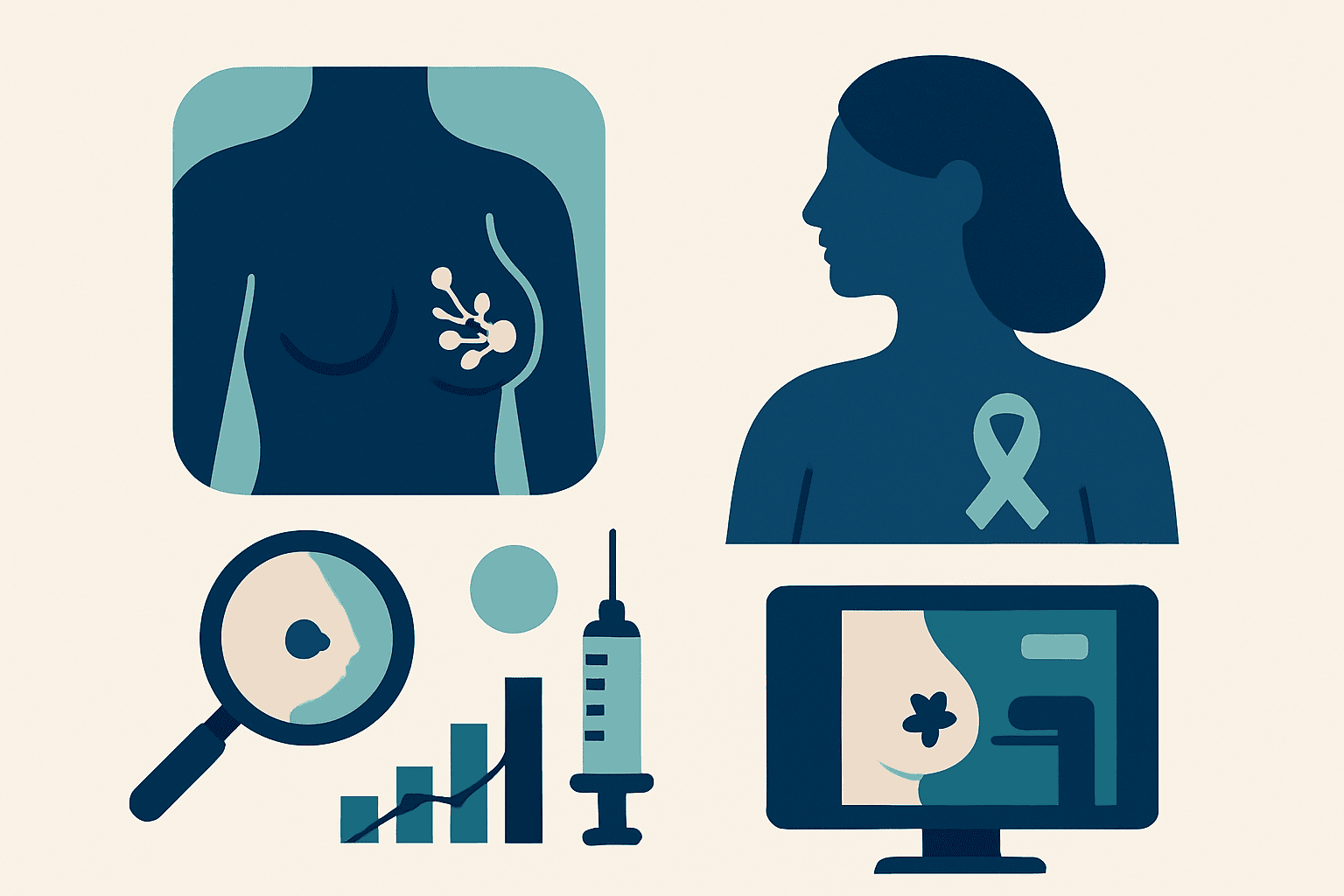
- Breast cancer includes multiple subtypes, and treatment is tailored to the biology and stage of the disease.
- Some breast cancers cause noticeable symptoms, but others are found only through screening.
- Diagnosis often involves imaging followed by biopsy to confirm the nature of a suspicious finding.
- Treatment may include surgery, radiation, chemotherapy, hormone therapy, targeted therapy, or immunotherapy.
- Family history and inherited mutations can affect risk, but breast cancer can also occur without a known genetic cause.
When well-known people speak openly about breast cancer, their stories often reach audiences who might not otherwise engage with the subject. Public disclosures can help reduce stigma, encourage informed conversations, and remind patients and families that breast cancer affects people across many walks of life.
This roundup focuses only on public figures who have personally and publicly shared their own breast cancer experiences. Their accounts differ in age, stage, treatment, and outcome, but together they have helped make discussion of diagnosis, surgery, treatment, and recovery more visible and more compassionate.
1. Shannen Doherty
Shannen Doherty spoke publicly for years about living with breast cancer, including treatment, recurrence, and the emotional realities of metastatic disease. Her openness helped many readers better understand that breast cancer can become a long-term, life-altering illness.
2. Julia Louis-Dreyfus
Julia Louis-Dreyfus publicly shared her breast cancer diagnosis and later spoke about surgery and chemotherapy. She also used her platform to highlight the importance of access to care and support during treatment.
3. Christina Applegate
Christina Applegate has spoken openly about being diagnosed with breast cancer at a young age and about choosing a double mastectomy. She has also discussed learning that she carried a BRCA gene mutation, which shaped her treatment decisions.
4. Kylie Minogue
Kylie Minogue publicly disclosed her breast cancer diagnosis in 2005 and later reflected on surgery and treatment. Her experience was widely discussed internationally and contributed to renewed public attention on breast health awareness.
5. Olivia Munn
Olivia Munn shared publicly that she had been diagnosed with breast cancer and underwent a bilateral mastectomy after additional testing identified risk despite a normal mammogram. Her account drew attention to the role of individualized risk assessment and follow-up evaluation.
6. Hoda Kotb
Hoda Kotb has spoken publicly about her breast cancer diagnosis and treatment, including mastectomy and reconstructive surgery. She has described how the experience changed her perspective on health, family, and survivorship.
7. Robin Roberts
Robin Roberts publicly shared her breast cancer diagnosis and treatment before later facing a separate blood disorder. Her reporting and personal reflections helped many viewers connect breast cancer awareness with early evaluation and ongoing follow-up.
8. Wanda Sykes
Wanda Sykes revealed publicly that she had early-stage breast cancer and chose bilateral mastectomy after abnormal findings and genetic risk concerns. She has spoken candidly about making preventive and treatment decisions in consultation with her doctors.
9. Rita Wilson
Rita Wilson publicly disclosed that she had breast cancer after initially being told she did not have it, and she later underwent bilateral mastectomy with reconstruction. Her story underscored the value of careful follow-up when questions remain after testing.
10. Cynthia Nixon
Cynthia Nixon has spoken openly about having breast cancer, including her choice to keep the diagnosis private during treatment before discussing it later. She has since used her experience to support public awareness efforts.
Understanding breast cancer
Breast cancer begins when cells in the breast grow in an uncontrolled way. It can start in different parts of the breast, most commonly the ducts or lobules, and it may stay localized or spread to nearby lymph nodes and other parts of the body. Breast cancer is not a single disease: it includes several subtypes that differ by features such as hormone receptor status and HER2 expression, which can influence treatment planning.
Symptoms can vary. Some people notice a new lump, breast or underarm swelling, skin dimpling, nipple inversion, nipple discharge, or persistent breast pain, while others have no symptoms and are diagnosed through screening. That is one reason screening matters. Depending on age, family history, and personal risk factors, evaluation may include mammography, ultrasound, MRI, and, when needed, biopsy to confirm whether a suspicious finding is cancer.
Treatment depends on the type and stage of the cancer as well as the patient’s overall health and preferences. Common approaches include surgery, radiation therapy, chemotherapy, hormone therapy, targeted therapy, and in some cases immunotherapy. Some patients have breast-conserving surgery, while others may need or choose mastectomy. Reconstructive procedures may be considered as part of recovery, but they are not required for treatment to be complete.
Risk is influenced by many factors, including age, sex, inherited gene mutations such as BRCA1 or BRCA2, certain family histories, prior chest radiation, and some hormonal and lifestyle factors. Having a risk factor does not mean someone will develop breast cancer, and people without obvious risk factors can still be diagnosed. Public awareness is helpful when it encourages people to learn their family history, understand screening options, and seek medical evaluation for new breast changes.
Explore Breast Cancer at Acibadem →
Frequently asked questions
What is breast cancer?
Breast cancer is a disease in which abnormal cells in the breast grow uncontrollably. It can begin in different breast tissues and may remain localized or spread beyond the breast.
Can someone have breast cancer without symptoms?
Yes. Some people have no obvious symptoms, and the cancer is first detected on screening tests such as a mammogram.
Is a mastectomy always required for breast cancer?
No. Treatment varies by tumor size, location, subtype, stage, and patient preference. Some patients are candidates for breast-conserving surgery, while others may need or choose mastectomy.
Do genetics play a role in breast cancer?
They can. Inherited mutations such as BRCA1 and BRCA2 can increase risk, but many people diagnosed with breast cancer do not have a known inherited mutation.
✔ Reviewed by the Acibadem medical team
This article is general health information inspired by publicly reported news. It is not a statement about any individual’s private medical care, nor medical advice. Always consult a qualified clinician.