Encephalitis: Early Symptoms, Causes, and Urgent Testing

Encephalitis is a medical emergency because brain inflammation can progress rapidly. Common early symptoms include fever, headache, confusion, sleepiness, and personality or behavior changes.
Key Takeaways
- Encephalitis is a medical emergency because brain inflammation can progress rapidly.
- Common early symptoms include fever, headache, confusion, sleepiness, and personality or behavior changes.
- Viruses are a frequent cause, but autoimmune encephalitis can also occur.
- Diagnosis often includes brain imaging, blood tests, lumbar puncture, and sometimes EEG.
- Treatment depends on the cause and may include antiviral medicines, immune therapies, and supportive hospital care.
Encephalitis is inflammation of the brain, most often caused by infections and sometimes by immune system problems. Early recognition and urgent testing are important because symptoms can worsen quickly and treatment may need to begin before a final cause is confirmed.
Overview
Encephalitis means inflammation of the brain tissue. This inflammation can interfere with how the brain works, affecting thinking, behavior, movement, speech, and awareness. In many cases, encephalitis is linked to a viral infection, but it can also happen when the immune system mistakenly attacks the brain.
Symptoms may begin like a common infection, with fever, tiredness, or headache, then develop into confusion, unusual behavior, weakness, or seizures. Because the brain is involved, even seemingly mild early changes can become serious. Prompt medical evaluation is important when encephalitis is suspected.
Doctors sometimes distinguish between infectious encephalitis and autoimmune encephalitis. Infectious encephalitis happens when a virus or another germ directly causes inflammation. Autoimmune encephalitis happens when the immune system becomes overactive or misdirected. Both forms can require urgent hospital-based assessment and treatment.
Early Symptoms and Warning Signs
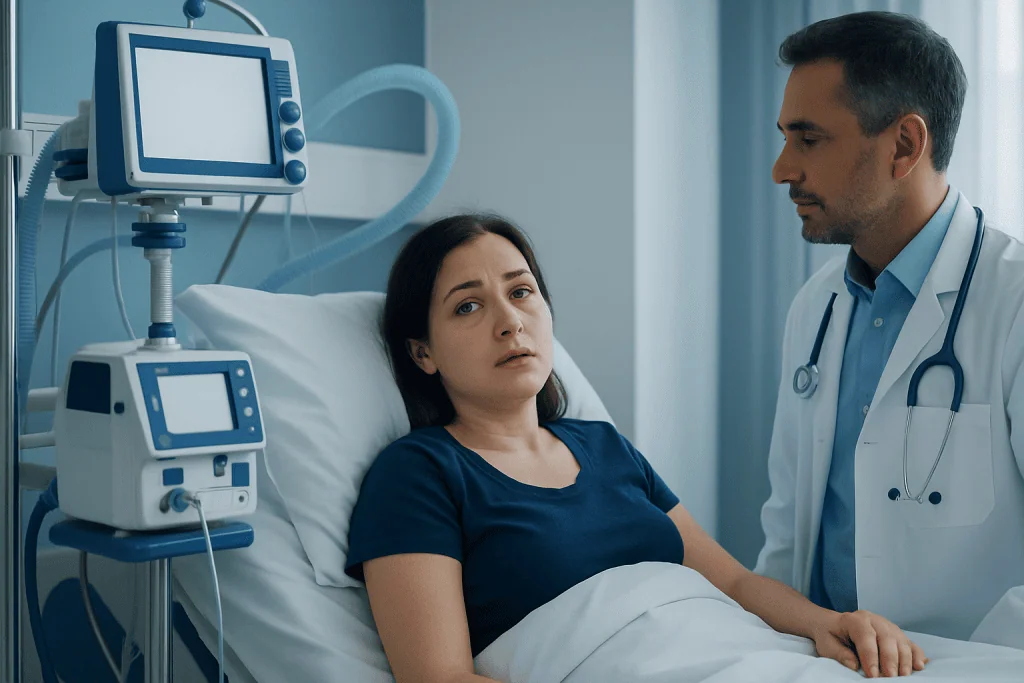
Early symptoms of encephalitis can be nonspecific, which means they may resemble the flu or another common illness. A person may first notice fever, headache, body aches, fatigue, nausea, or sensitivity to light. These symptoms can be followed by changes in concentration, unusual sleepiness, or feeling mentally “foggy.”
As brain inflammation increases, symptoms may become more noticeable. Family members often observe confusion, irritability, personality changes, slurred speech, poor balance, or trouble remembering recent events. In children, signs may include reduced feeding, unusual fussiness, lethargy, or seizures.
Warning signs that need urgent assessment include:
- Confusion, disorientation, or difficulty staying awake
- New seizures
- Severe or worsening headache
- Weakness, numbness, or trouble walking
- Difficulty speaking or understanding language
- High fever with unusual behavior changes
These symptoms do not always mean encephalitis, but they can signal a condition affecting the brain. Quick evaluation helps doctors rule out other urgent problems too, such as stroke, meningitis, or severe metabolic disturbances.
Causes and Risk Factors

Viruses are among the most common causes of encephalitis. Herpes simplex virus is especially important because it can cause severe disease and often needs immediate antiviral treatment while tests are pending. Other possible viral causes include varicella-zoster virus, enteroviruses, influenza, measles, mumps, and mosquito-borne viruses in some regions.
Not all encephalitis is caused by infection. In autoimmune encephalitis, the body’s immune system attacks proteins in the brain, leading to symptoms such as memory problems, psychiatric changes, seizures, and abnormal movements. This group includes conditions such as autoimmune encephalitis, which may develop with or without an obvious trigger.
Some people have a higher risk of severe encephalitis or complications. This includes very young children, older adults, people with weakened immune systems, and those with certain chronic illnesses. Travel history, insect exposure, recent infections, and vaccination history can also give doctors useful clues about the cause.
Although it is less common, bacteria, fungi, and parasites can also lead to inflammation involving the brain. In practice, doctors usually consider several possibilities at once, because symptoms can overlap and early treatment decisions often must be made before the exact cause is known.
How Encephalitis Is Diagnosed
Diagnosing encephalitis starts with a careful history and neurological examination. Doctors ask when symptoms began, how quickly they progressed, whether there was a recent infection, travel, insect bites, or immune system disease, and whether there have been seizures or behavior changes. The examination helps identify problems with alertness, language, memory, strength, coordination, or reflexes.
Urgent tests are often needed because several serious conditions can look similar. Brain imaging, especially MRI, can show signs of inflammation and help rule out other causes of symptoms. A CT scan may also be used quickly in emergency settings before other tests are performed.
A lumbar puncture, sometimes called a spinal tap, is a key test in many cases. It allows doctors to examine cerebrospinal fluid for signs of infection, inflammation, and specific viruses or immune markers. Blood tests can look for infection, inflammation, immune activity, and other medical problems that may mimic encephalitis.
An EEG may be used to detect seizures or abnormal electrical activity in the brain, especially when a person is confused or less responsive. Some patients also need additional testing for autoimmune causes, cancer-related immune syndromes, or related infections such as meningitis when symptoms overlap.
Treatment Options
Treatment depends on the likely cause, the person’s symptoms, and how ill they are. Because herpes simplex encephalitis can become severe quickly, doctors often start antiviral treatment right away when it is suspected, even before final test results return. This early treatment approach can be very important.
Hospital care is often necessary, especially if there is confusion, reduced alertness, seizures, or breathing problems. Supportive care may include intravenous fluids, monitoring, treatment for fever and pain, seizure control, and help with breathing if needed. Some people are cared for in intensive care units when symptoms are severe.
If autoimmune encephalitis is suspected, treatment may focus on calming the immune system. This can include corticosteroids, intravenous immune therapies, or other medicines chosen by specialists. In selected cases, doctors may recommend advanced supportive evaluation and treatment planning through neurology care and related hospital services.
Recovery can continue after the acute illness improves. Some patients benefit from rehabilitation to help with memory, speech, balance, strength, or daily activities. Depending on symptoms, this may involve physical, occupational, or speech therapy, sometimes within a broader rehabilitation program.
Recovery, Complications, and Self-Care
Recovery from encephalitis varies widely. Some people recover fully, especially when treatment starts early and the inflammation is limited. Others may need weeks or months to improve, and some may continue to have symptoms such as fatigue, headaches, memory difficulties, mood changes, or problems with concentration.
Possible complications include ongoing seizures, weakness, speech or movement problems, and changes in behavior or personality. These effects do not happen in every case, but follow-up is important because the brain may heal slowly. Repeat neurological assessment helps guide medicines, therapy, and support at home.
Self-care during recovery usually focuses on rest, hydration, nutrition, regular follow-up appointments, and taking medicines exactly as prescribed. Family support can be very helpful, particularly if a person has memory or attention problems. It is also wise to avoid driving, swimming alone, or operating machinery until a doctor confirms it is safe.
Keeping a symptom diary can help track headaches, confusion, sleep changes, mood, or seizure-like events. This information can be useful during medical visits. Near the end of recovery planning, some international patients may seek coordinated care; Acibadem International’s multidisciplinary specialists and JCI-accredited hospitals diagnose and treat encephalitis and related neurological conditions for international patients.
Prevention and When to Seek Medical Help
Not every case of encephalitis can be prevented, but some steps can lower risk. Staying up to date with recommended vaccinations helps protect against infections that may affect the brain. Preventing mosquito and tick bites is also important in areas where insect-borne viruses are present. Good hand hygiene and avoiding close contact with people who have contagious viral illnesses may further reduce risk.
People with weakened immune systems should discuss infection prevention with their doctors. If a person has a known autoimmune condition or a history of immune-related neurological disease, ongoing specialist follow-up may help detect warning signs early. Prompt treatment of significant infections can also reduce complications.
Immediate medical care is needed if someone develops fever with confusion, sudden behavior changes, a seizure, severe headache, weakness, or difficulty speaking. Parents should seek urgent help if a child is difficult to wake, has a seizure, is feeding poorly, or is behaving in an unusual way during a febrile illness.
Early testing does not only confirm encephalitis; it also helps doctors quickly identify other urgent problems that can look similar. When brain-related symptoms appear, it is safer to be assessed promptly rather than wait to see if they pass on their own.
Frequently asked questions
What is the difference between encephalitis and meningitis?
Encephalitis is inflammation of the brain tissue itself, while meningitis is inflammation of the membranes that cover the brain and spinal cord. The two conditions can happen separately or together, and their symptoms may overlap. Because both can be serious, urgent medical evaluation is important.
Can encephalitis start with mild symptoms?
Yes. Early symptoms may look like a common viral illness, with fever, headache, tiredness, or nausea. What makes encephalitis concerning is that confusion, unusual behavior, sleepiness, or seizures can appear as the illness progresses.
Is encephalitis always caused by an infection?
No. Many cases are linked to viruses, but some are autoimmune, meaning the immune system attacks the brain. Doctors often test for both infectious and autoimmune causes because treatment can differ.
Why is urgent testing important in encephalitis?
Brain inflammation can worsen quickly and may affect breathing, awareness, memory, or cause seizures. Early tests help doctors begin the right treatment as soon as possible, sometimes even before all results are back. This is especially important when herpes simplex encephalitis is suspected.
What tests are usually done for suspected encephalitis?
Doctors commonly use blood tests, brain imaging such as MRI or CT, and a lumbar puncture to examine cerebrospinal fluid. An EEG may also be used if seizures are suspected or if a person has unexplained confusion. The exact testing plan depends on age, symptoms, and the likely cause.
Can people recover fully from encephalitis?
Many people do recover well, especially when the cause is identified quickly and treatment starts early. Recovery time varies, and some people need rehabilitation for memory, speech, balance, or fatigue. Regular follow-up helps monitor healing and manage any lasting symptoms.
References
- World Health Organization
- Centers for Disease Control and Prevention
- National Institute of Neurological Disorders and Stroke
- National Health Service
- Encephalitis Society
This article is for general information only and is not a substitute for professional medical advice. Please consult a qualified doctor about your individual situation.
Explore treatments in Turkey — costs, top hospitals & a free quote
JCI-accredited · board-certified surgeons · reply within 24h
Add us as a Preferred Source to see more of our trusted health content across Google Search, AI Overviews and Discover.

More from the Health Library



Related Specialists
Prof. Dr. Mehmet Cihat Ünlü
Gynecology & Obstetrics
Dr. F. Rabia Ay
Psychiatry
Dr. Emre Sahillioğlu
Anesthesiology
Assoc. Prof. Dr. Ahmet Küçükçelebi
Aesthetic Plastic & Reconstructive Surgery