GI Motility Specialist vs General Gastroenterologist: What Is the Difference?

A general gastroenterologist manages a wide range of digestive symptoms and diseases. A GI motility specialist has additional expertise in disorders of swallowing, stomach emptying, intestinal transit, and pelvic floor function.
Key Takeaways
- A general gastroenterologist manages a wide range of digestive symptoms and diseases.
- A GI motility specialist has additional expertise in disorders of swallowing, stomach emptying, intestinal transit, and pelvic floor function.
- Motility specialists often use advanced tests when routine endoscopy or imaging does not explain symptoms.
- People with chronic constipation, unexplained nausea, swallowing problems, or suspected gastroparesis may benefit from referral.
- Both specialists often work together, especially when symptoms overlap with common digestive conditions.
A general gastroenterologist diagnoses and treats many common digestive conditions, while a GI motility specialist focuses on disorders that affect how the digestive tract moves. Knowing the difference can help patients reach the right testing, treatment, and long-term care more efficiently.
Overview: How These Specialists Differ
When comparing a GI motility specialist vs general gastroenterologist, the main difference is the scope of practice. A general gastroenterologist evaluates and treats many digestive concerns, such as reflux, abdominal pain, ulcers, inflammatory conditions, liver disease, diarrhea, constipation, and colon cancer screening. This doctor is often the first specialist a patient sees for ongoing digestive symptoms.
A GI motility specialist is a gastroenterologist with focused expertise in how the digestive tract muscles and nerves work together to move food, liquid, and stool through the body. This area is often called neurogastroenterology or motility medicine. It includes problems involving the esophagus, stomach, small intestine, colon, rectum, and pelvic floor.
These roles are not competing specialties. Instead, they are complementary. Many people are appropriately diagnosed and treated by a general gastroenterologist alone, while others need referral to a motility specialist when symptoms are persistent, unexplained, or suggest a movement disorder of the digestive system.
What a General Gastroenterologist Usually Treats
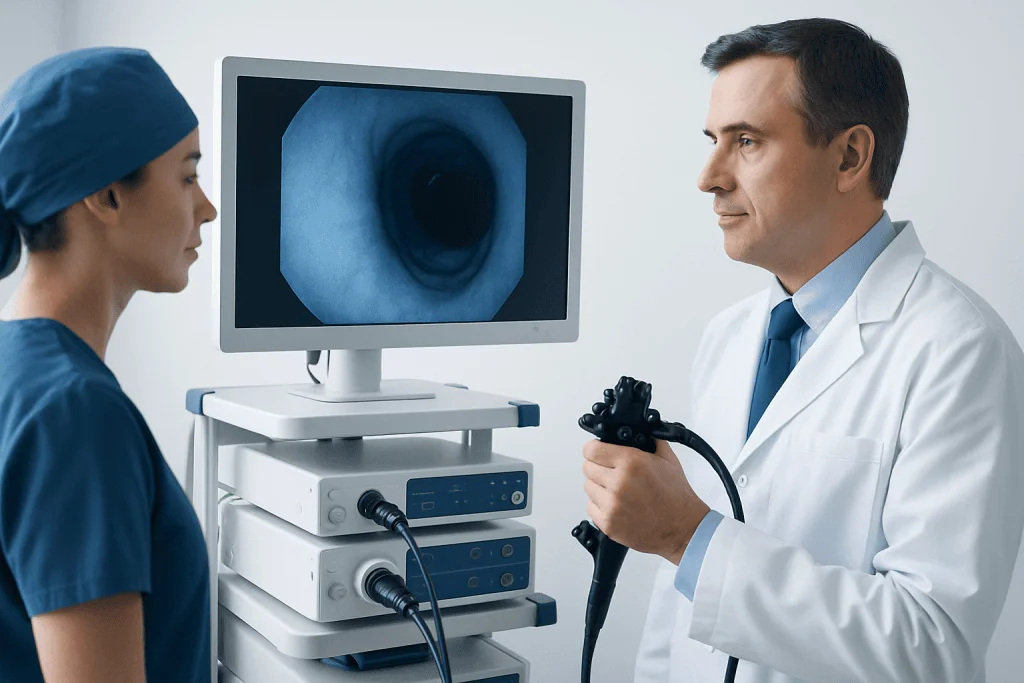
A general gastroenterologist is trained to manage a broad range of digestive disorders. This includes common concerns such as acid reflux, peptic ulcer disease, irritable bowel syndrome, gastrointestinal bleeding, gallstones, pancreatitis, hepatitis, inflammatory bowel disease, and routine screening for colorectal cancer. Endoscopy and colonoscopy are a central part of this practice.
General gastroenterologists usually begin the workup for symptoms like bloating, abdominal pain, nausea, constipation, diarrhea, swallowing discomfort, or changes in bowel habits. They may order blood tests, stool tests, imaging, and endoscopic procedures to look for inflammation, infection, structural problems, ulcers, polyps, or cancer.
Many symptoms improve with standard treatment plans, including dietary changes, acid suppression, constipation therapy, treatment for infection, or management of conditions such as Crohn’s disease or ulcerative colitis. If routine evaluation does not explain symptoms, or if there is concern that the digestive tract is not moving normally, referral to a motility-focused specialist may be the next step.
What a GI Motility Specialist Focuses On

A GI motility specialist concentrates on disorders related to abnormal movement or coordination in the digestive tract. These conditions can involve delayed, rapid, weak, or poorly coordinated contractions, as well as problems in the communication between the gut and the nervous system. Symptoms are often long-lasting and may not be visible on standard endoscopy or routine scans.
Examples include swallowing disorders, achalasia, esophageal spasm, rumination syndrome, chronic unexplained nausea and vomiting, gastroparesis, intestinal pseudo-obstruction, slow-transit constipation, dyssynergic defecation, and fecal incontinence related to pelvic floor dysfunction. Some patients also have overlapping disorders of gut-brain interaction, such as functional dyspepsia or irritable bowel syndrome with significant motility features.
Because these conditions can be complex, motility specialists often work in multidisciplinary teams. Care may involve gastroenterologists, dietitians, pelvic floor therapists, radiologists, surgeons, and sometimes neurologists or psychologists. The goal is not only to identify the diagnosis, but also to understand how symptoms affect nutrition, quality of life, and day-to-day function.
Symptoms That May Suggest a Motility Disorder
Many digestive symptoms are common and do not automatically mean a person has a motility disorder. However, certain patterns may raise suspicion, especially when symptoms persist despite standard care. These can include trouble swallowing, food feeling stuck, chest discomfort related to swallowing, early fullness, vomiting undigested food, severe bloating, chronic nausea, and constipation that does not improve with usual measures.
People may also notice a sense of incomplete bowel emptying, the need to strain excessively, or dependence on enemas or frequent laxatives. Some have alternating bowel symptoms, while others feel unwell after meals because the stomach empties too slowly. In children and adults alike, unexplained weight loss, dehydration, or difficulty maintaining adequate nutrition deserves prompt medical attention.
It is important to remember that the same symptom can have different causes. For example, nausea may come from medication side effects, ulcers, gallbladder disease, migraine, endocrine conditions, or delayed stomach emptying. That is why a careful stepwise evaluation matters before labeling symptoms as a motility disorder.
How Diagnosis Is Different
A general gastroenterologist usually starts with tests that rule out common and structural causes of symptoms. Depending on the problem, this may include upper endoscopy, colonoscopy, abdominal ultrasound, CT scanning, blood work, stool studies, and testing for infection or inflammation. These tools are essential, but they may appear normal in patients whose main issue is disordered movement rather than visible tissue damage.
A GI motility specialist may recommend more specialized testing. This can include esophageal manometry to measure swallowing muscle function, pH or impedance testing for reflux patterns, gastric emptying studies for suspected delayed stomach emptying, wireless motility capsule testing, antroduodenal or colonic transit studies, anorectal manometry, balloon expulsion testing, and defecography. The exact tests depend on the symptom pattern and previous results.
Specialized interpretation is one reason referral matters. These tests can be technically detailed, and treatment decisions often depend on subtle findings. In some centers, diagnostic evaluation may also include advanced endoscopy or imaging when symptoms overlap with structural disease, including gastroenterology evaluation and endoscopic assessment where appropriate.
Treatment Approaches and When Each Specialist Helps Most
General gastroenterologists commonly guide first-line treatment. This may include dietary advice, medicines for reflux or constipation, management of diarrhea, treatment for ulcers or infection, and reassurance when serious disease has been excluded. For many people, this care is effective and no further referral is needed.
Motility specialists are especially helpful when treatment needs to be tailored to a confirmed movement disorder. Management may involve meal pattern changes, symptom-directed medications, biofeedback therapy for pelvic floor dysfunction, nutrition support, and careful review of medicines that can slow the gut. In selected cases, procedural or surgical options may be considered for severe or refractory disease.
Examples include specialized care pathways for swallowing disorders, pelvic floor therapy for defecation problems, or multidisciplinary planning for advanced conditions. Some patients may benefit from targeted procedures such as peroral endoscopic myotomy for achalasia, while others may need coordinated care for chronic nausea, severe constipation, or suspected gastric outlet and emptying disorders. The most effective plan often combines symptom relief with long-term functional improvement.
When to Ask for a Referral to a GI Motility Specialist
A referral may be appropriate if symptoms continue despite evaluation and treatment by a general gastroenterologist, especially if standard tests are normal but daily life is still significantly affected. Referral is also reasonable when symptoms strongly suggest a motility problem, such as persistent dysphagia, recurrent regurgitation of undigested food, severe early satiety, or chronic constipation with outlet dysfunction symptoms.
Patients may want to ask whether a motility consultation would be useful if they have repeated emergency visits for nausea or vomiting, unexplained weight loss, frequent dehydration, or major difficulty eating. It can also help when there is concern about disorders like achalasia, gastroparesis, or complex pelvic floor dysfunction that require specific testing not offered everywhere.
In practical terms, seeing a motility specialist does not replace regular digestive care. Many patients continue to see both doctors, with the general gastroenterologist managing broad gastrointestinal health and the motility specialist addressing the more complex movement disorder. Near the end of the care journey, some international patients may choose centers such as Acibadem International, where multidisciplinary specialists in JCI-accredited hospitals evaluate and treat complex neurogastroenterology conditions.
How Patients Can Prepare for the Right Appointment
Preparation can make either specialist visit more productive. Patients should bring a clear symptom timeline, including when problems began, whether they are related to meals or bowel movements, and what makes them better or worse. A list of current medicines is especially important because some drugs, including certain pain medicines and anticholinergic medications, can affect digestive motility.
It is also helpful to gather past test results, procedure reports, and imaging records. This helps avoid repeated testing and allows the specialist to see what has already been ruled out. A short food and symptom diary may be useful for people with bloating, nausea, or constipation.
Questions to ask may include:
- Do my symptoms suggest a common digestive condition, a motility disorder, or both?
- What tests have already ruled out structural disease?
- Would specialized motility testing change treatment?
- What self-care steps are safe to try while evaluation continues?
Open discussion can help patients understand why one doctor may be enough for some cases, while others benefit from a more specialized motility-focused approach.
Frequently asked questions
Is a GI motility specialist different from a regular gastroenterologist?
Yes. A GI motility specialist is usually a gastroenterologist with additional focus on disorders that affect how the digestive tract muscles and nerves move food and stool. A general gastroenterologist treats many digestive conditions, while the motility specialist focuses on complex movement and coordination problems.
When should someone see a GI motility specialist?
A referral may help when symptoms persist despite standard treatment or when routine tests do not explain ongoing problems. It is especially useful for chronic swallowing difficulty, suspected gastroparesis, severe constipation, pelvic floor dysfunction, or unexplained nausea and vomiting.
Can a general gastroenterologist diagnose a motility disorder?
Often, yes, at least initially. A general gastroenterologist can recognize concerning patterns, start evaluation, and rule out common structural or inflammatory causes. If advanced motility testing is needed, the patient may then be referred to a specialist with that expertise.
What tests does a GI motility specialist use?
The exact tests depend on symptoms, but they may include esophageal manometry, reflux testing, gastric emptying studies, anorectal manometry, and transit studies. These tests measure how the digestive tract works rather than only how it looks.
Does having normal endoscopy results mean symptoms are not real?
No. Many motility disorders do not cause visible changes on routine endoscopy or scans. Symptoms can be very real even when standard structural tests are normal, which is why functional and motility testing may sometimes be needed.
Do patients with irritable bowel syndrome need a motility specialist?
Not always. Many people with irritable bowel syndrome are effectively managed by a general gastroenterologist. A motility specialist may be considered if symptoms are severe, unusual, treatment-resistant, or suggest an additional disorder such as pelvic floor dysfunction or delayed transit.
References
- American Gastroenterological Association
- American College of Gastroenterology
- National Institute of Diabetes and Digestive and Kidney Diseases
- International Foundation for Gastrointestinal Disorders
- European Society of Neurogastroenterology and Motility
This article is for general information only and is not a substitute for professional medical advice. Please consult a qualified doctor about your individual situation.
Persistent digestive symptoms? Get evaluated in Turkey
JCI-accredited · board-certified surgeons · reply within 24h
Add us as a Preferred Source to see more of our trusted health content across Google Search, AI Overviews and Discover.