What Happens at a GI Motility Clinic?

A GI motility clinic focuses on disorders that affect how the digestive tract moves food, liquid, and stool. The visit usually includes a detailed symptom review, medical history, physical exam, and specialized testing when needed.
Key Takeaways
- A GI motility clinic focuses on disorders that affect how the digestive tract moves food, liquid, and stool.
- The visit usually includes a detailed symptom review, medical history, physical exam, and specialized testing when needed.
- Common tests may include esophageal manometry, pH monitoring, gastric emptying studies, and anorectal function tests.
- Treatment often combines diet changes, medicines, pelvic floor therapy, and sometimes procedures depending on the diagnosis.
- Preparation for testing may involve fasting or temporarily stopping certain medicines, based on a doctor's instructions.
A GI motility clinic assesses how food and waste move through the digestive tract when symptoms suggest a problem with gut movement rather than structure alone. These clinics combine specialist evaluation with targeted testing to identify the cause of swallowing difficulties, reflux, nausea, bloating, constipation, or fecal incontinence and guide treatment.
Overview: What a GI Motility Clinic Does
A GI motility clinic is a specialized service for people whose digestive symptoms may be caused by problems with movement in the gastrointestinal tract. Motility refers to the coordinated muscle contractions and nerve signals that move food from the esophagus to the stomach, through the intestines, and out of the body. When this process is disrupted, symptoms can occur even if routine scans or endoscopy do not show a clear structural problem.
These clinics are often led by gastroenterologists with additional expertise in neurogastroenterology and motility disorders. They evaluate symptoms such as trouble swallowing, persistent heartburn, chest discomfort related to swallowing, unexplained nausea or vomiting, early fullness, bloating, chronic constipation, and difficulty with bowel control. The aim is to find out whether the digestive tract is moving too slowly, too quickly, or in an uncoordinated way.
A GI motility clinic visit is usually more detailed than a routine digestive consultation. Instead of looking only for ulcers, inflammation, or visible blockage, the team studies how the digestive system functions. This may involve carefully selected tests that measure pressure, timing, sensation, and muscle coordination.
For many people, being seen in a motility clinic can help explain long-standing symptoms that have been difficult to diagnose. It can also help distinguish between different conditions, such as reflux disease, gastroparesis, pelvic floor dysfunction, or irritable bowel syndrome with constipation, so treatment can be better matched to the underlying issue.
Symptoms That May Lead to a Referral
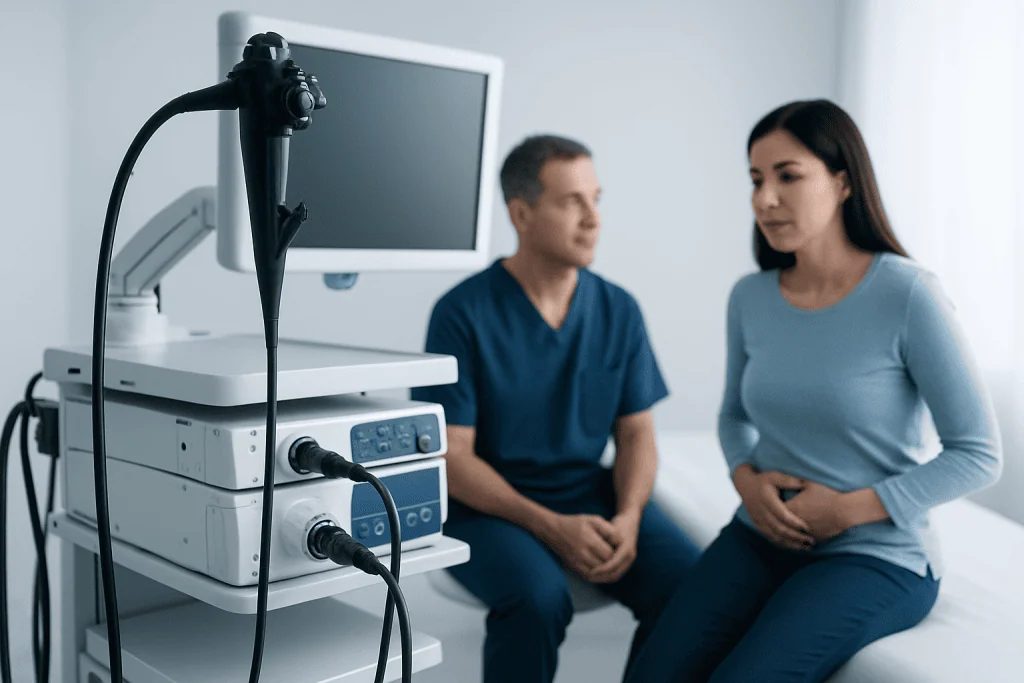
A person may be referred to a GI motility clinic when symptoms are persistent, affect quality of life, or do not improve with standard treatment. Some people arrive after normal endoscopy or imaging results, while others are referred because their doctor suspects a specific motility disorder based on their symptom pattern.
Symptoms that commonly prompt referral include difficulty swallowing, food feeling stuck, regurgitation, ongoing reflux symptoms despite treatment, nausea after meals, vomiting undigested food, feeling full very quickly, abdominal bloating, chronic constipation, straining, a sense of incomplete emptying, or fecal incontinence. Some people also have unexplained chest pain that may be related to esophageal muscle spasms rather than the heart.
Motility symptoms can overlap with other digestive conditions. For example, chronic constipation may be related to slow transit through the colon, poor coordination of the pelvic floor muscles, or a combination of both. Reflux symptoms may reflect acid exposure, non-acid reflux, or a swallowing disorder such as achalasia. This is why specialist assessment is helpful when symptoms are complex or ongoing.
- Swallowing difficulty or repeated choking sensations
- Persistent heartburn or regurgitation
- Early satiety, nausea, vomiting, or bloating after meals
- Long-term constipation or trouble passing stool
- Loss of bowel control or pelvic floor symptoms
What Happens at the First Appointment

The first appointment usually begins with a detailed conversation about symptoms. The specialist may ask when symptoms started, how often they occur, what seems to trigger them, and whether they are linked to meals, stress, body position, or bowel habits. It is also common to discuss previous tests, surgeries, current medicines, and any conditions such as diabetes, thyroid disease, neurological disorders, or connective tissue disease that can affect motility.
A symptom timeline can be especially useful. Many clinics encourage patients to bring a list of symptoms, prior procedure reports, imaging results, medicine names, and information about diet or bowel patterns. In some cases, a food diary or stool diary helps identify patterns that are not obvious during a short consultation.
The doctor will usually perform a focused physical examination and decide whether more testing is needed. Not every patient needs every test. The choice depends on where the symptoms are occurring, whether the suspected problem involves swallowing, stomach emptying, the small bowel, the colon, or the anorectal area.
The clinic team also explains what the tests involve and how to prepare. This may include fasting for several hours, avoiding specific medications for a short period, or adjusting the timing of meals before the study. Clear preparation is important because some medicines, including laxatives, antacids, opioids, and drugs that affect gut movement, can change test results.
Common Tests Used in a GI Motility Clinic
GI motility clinics use functional tests to measure how the digestive tract works. For swallowing or reflux symptoms, common studies include esophageal manometry and ambulatory pH or pH-impedance monitoring. Manometry measures pressure and muscle coordination in the esophagus, while reflux testing helps identify whether stomach contents are moving back into the esophagus and whether symptoms match those episodes. In some patients, testing helps determine whether symptoms are related to gastroesophageal reflux disease.
For nausea, vomiting, early fullness, or suspected delayed stomach emptying, a gastric emptying study may be recommended. This test tracks how quickly food leaves the stomach. Some clinics may also use wireless motility capsule testing or breath testing in selected cases, depending on local practice and the clinical question.
For constipation and pelvic floor symptoms, anorectal manometry, balloon expulsion testing, and colon transit studies are often used. These tests assess anal and rectal muscle function, sensation, and the body’s ability to coordinate stool passage. They can help identify pelvic floor dyssynergia, slow transit constipation, or other functional problems that may benefit from targeted therapy rather than more general laxative treatment.
Other diagnostic tools may include endoscopy, imaging, blood tests, stool studies, or breath tests when needed to rule out structural disease, inflammation, infection, or overlapping conditions. In some people, symptoms are caused by more than one issue, so the evaluation may include both routine gastroenterology tests and specialized motility studies.
How Doctors Make a Diagnosis
A diagnosis in a GI motility clinic is based on a combination of symptoms, medical history, examination findings, and test results. The specialist looks for patterns that suggest a disorder of muscle activity, nerve signaling, or pelvic floor coordination. The goal is not just to name a condition, but to explain why symptoms are happening and how severe the problem appears to be.
Possible diagnoses include esophageal motility disorders, refractory reflux, rumination syndrome, functional dyspepsia, gastroparesis, chronic intestinal pseudo-obstruction, slow transit constipation, pelvic floor dysfunction, and disorders involving bowel control. Some people are found to have a disorder of gut-brain interaction, in which symptoms are real and significant but relate to changes in sensitivity, nerve signaling, or coordination rather than a blockage or visible disease.
The clinic may also identify factors that make symptoms worse, such as opioid pain medicines, prior abdominal surgery, diabetes, autonomic dysfunction, connective tissue disorders, or psychological stress. This broad approach is one reason motility clinics can be valuable for complex cases. Treatment is often most successful when all contributing factors are recognized.
Sometimes the diagnosis is not made in one visit. Additional testing, symptom monitoring, or a trial of therapy may be needed. Patients are usually advised that careful step-by-step evaluation is normal in motility medicine because digestive function can be influenced by multiple systems working together.
Treatment Options After Evaluation
Treatment depends on the specific diagnosis, symptom severity, and the part of the digestive tract involved. Many people are treated with a combination of dietary adjustment, medicines, bowel habit training, and physical or behavioral therapies. The aim is to improve daily function and symptom control rather than offer a one-size-fits-all solution.
Medicines may be used to reduce acid reflux, improve stomach emptying, support bowel movement, reduce nausea, or help manage pain related to gut sensitivity. Dietary advice may include meal timing, fluid intake, fiber adjustments, or changes in meal size and texture. For patients with constipation caused by pelvic floor dysfunction, biofeedback-based pelvic floor rehabilitation can be particularly helpful because it teaches more effective muscle coordination during defecation.
Some conditions require procedures or more advanced treatment. Esophageal disorders may lead to referral for endoscopic or surgical care, and certain severe motility problems may need nutritional support or coordinated multidisciplinary management. If reflux or a hiatal hernia is part of the picture, treatment planning may include reassessment by specialists in gastroenterology and, when appropriate, general surgery.
Near the end of the care pathway, some patients may benefit from multidisciplinary review involving dietitians, pelvic floor therapists, surgeons, and psychologists with expertise in digestive disorders. Acibadem International’s multidisciplinary specialists and JCI-accredited hospitals also diagnose and treat GI motility conditions for international patients when advanced evaluation is needed.
Preparing for Tests and Self-Care Tips
Preparation instructions vary by test, so patients should follow the clinic’s specific guidance. In general, some tests require fasting, while others require eating a standardized meal. The clinic may advise temporarily stopping medicines that affect acid levels, muscle contractions, or bowel movements. This should only be done under medical guidance, since some medicines should not be stopped suddenly.
It can help to arrive with a list of all current medicines and supplements, prior test reports, and a summary of symptoms. Wearing comfortable clothing and allowing enough time for the appointment can make the visit easier, especially if more than one test is scheduled on the same day. Asking about sedation, transportation, and expected test duration ahead of time may also reduce stress.
While waiting for evaluation, simple self-care may ease symptoms. Small frequent meals may help some people with nausea or fullness. Good hydration, regular physical activity, and bowel routine habits can support people with constipation. Patients with swallowing symptoms should eat carefully and seek prompt advice if choking or food impaction occurs.
It is also useful to remember that chronic digestive symptoms can affect mood, sleep, and daily confidence. Supportive care, stress management, and clear communication with the care team are important parts of treatment. A motility diagnosis does not mean symptoms are imagined; rather, it helps clarify how the digestive system is functioning and what steps may improve comfort and health.
When to See a Doctor
A doctor should be consulted if digestive symptoms persist, keep returning, or interfere with eating, hydration, sleep, work, or social life. Specialist review is particularly important when standard treatment has not helped or when symptoms suggest an underlying motility disorder rather than a simple short-term upset.
Urgent medical attention is needed for warning signs such as trouble swallowing that is getting worse, repeated vomiting, inability to keep fluids down, dehydration, severe or persistent chest pain, blood in vomit or stool, black stools, unexplained weight loss, or significant weakness. These symptoms do not always mean a serious disease, but they should be assessed promptly.
For children, older adults, and people with neurological disease, diabetes, or previous abdominal surgery, early assessment may be especially important because motility problems can present differently or become complicated more quickly. A primary care doctor or general gastroenterologist can often make the initial referral when specialized testing is needed.
Seeking care at a GI motility clinic can provide a clearer explanation for symptoms and a more tailored treatment plan. With the right evaluation, many patients gain practical strategies to manage symptoms, improve nutrition, and reduce the uncertainty that often comes with unexplained digestive complaints.
Frequently asked questions
What is the difference between a regular GI clinic and a GI motility clinic?
A regular GI clinic evaluates a wide range of digestive problems, including ulcers, inflammation, liver disease, and routine reflux. A GI motility clinic focuses specifically on how the digestive tract moves and coordinates swallowing, stomach emptying, intestinal transit, and bowel function. It uses specialized testing when symptoms suggest a functional movement problem.
Do all patients at a GI motility clinic need specialized tests?
No. Testing is based on the person’s symptoms, history, and previous results. Some patients only need a careful consultation and review of earlier investigations, while others benefit from manometry, reflux monitoring, gastric emptying studies, or anorectal testing.
Are GI motility tests painful?
Most motility tests are not painful, though some can feel unusual or mildly uncomfortable. For example, a thin catheter may be passed through the nose for esophageal manometry, or a small probe may be used for anorectal testing. The clinic team usually explains each step clearly to help patients feel more prepared.
How should someone prepare for a motility clinic appointment?
It is helpful to bring a symptom list, medicine list, previous test results, and any food or bowel diaries if available. Some tests require fasting or temporary medicine changes, but instructions vary by procedure. Patients should follow the clinic’s preparation guidance closely for the most accurate results.
Can a GI motility clinic help with chronic constipation?
Yes. A motility clinic can help determine whether constipation is related to slow colon transit, pelvic floor muscle coordination, medication effects, or overlapping functional disorders. This is important because treatment differs depending on the cause.
What conditions are commonly diagnosed in a GI motility clinic?
Common diagnoses include esophageal motility disorders, reflux-related problems, gastroparesis, functional dyspepsia, chronic constipation, pelvic floor dysfunction, and fecal incontinence. Some clinics also evaluate more complex conditions involving gut-brain interaction or widespread digestive dysmotility.
References
- National Institute of Diabetes and Digestive and Kidney Diseases
- American College of Gastroenterology
- American Gastroenterological Association
- National Institute for Health and Care Excellence
- International Foundation for Gastrointestinal Disorders
This article is for general information only and is not a substitute for professional medical advice. Please consult a qualified doctor about your individual situation.
Persistent digestive symptoms? Get evaluated in Turkey
JCI-accredited · board-certified surgeons · reply within 24h
Add us as a Preferred Source to see more of our trusted health content across Google Search, AI Overviews and Discover.