Slow Intestinal Motility: Causes, Symptoms, and Treatment Options

Slow intestinal motility affects how quickly food and waste move through the digestive tract. Common symptoms include constipation, bloating, abdominal discomfort, nausea, and early fullness.
Key Takeaways
- Slow intestinal motility affects how quickly food and waste move through the digestive tract.
- Common symptoms include constipation, bloating, abdominal discomfort, nausea, and early fullness.
- Causes range from diet and medications to nerve, muscle, hormonal, or systemic health conditions.
- Diagnosis may involve a medical history, physical exam, blood tests, imaging, and specialized motility studies.
- Treatment focuses on the underlying cause and may include dietary changes, medicines, pelvic floor therapy, or procedures in selected cases.
Slow intestinal motility means the intestines move food and waste more slowly than normal. It can lead to bloating, constipation, nausea, and discomfort, but the right evaluation can help identify the cause and guide treatment.
Overview
Slow intestinal motility describes a reduced speed of movement in the digestive tract, especially the small intestine or colon. Normally, coordinated muscle contractions push food, fluid, and waste forward. When this process slows down, digestion may feel sluggish and bowel movements may become infrequent or difficult.
This is not a diagnosis by itself, but a sign that the gut’s normal movement may be disrupted. Some people have mild symptoms that come and go, while others experience more persistent problems that affect appetite, comfort, and daily routine. The term may overlap with motility disorders such as chronic constipation, intestinal pseudo-obstruction, or delayed transit.
The digestive tract is controlled by muscles, hormones, and a complex network of nerves called the enteric nervous system. Because of this, slow motility can have many different causes. A careful assessment helps distinguish occasional constipation from a true motility disorder that needs specialist care.
Symptoms

Symptoms of slow intestinal motility can vary depending on which part of the gut is affected and how severe the slowing is. Many people first notice changes in bowel habits, such as fewer bowel movements, hard stools, straining, or a sense of incomplete emptying.
Other symptoms are related to delayed movement of food and gas through the intestines. These may include bloating, abdominal distension, cramping, nausea, excessive fullness after eating, and reduced appetite. Some people also feel tired or uncomfortable because symptoms interfere with sleep, meals, or daily activities.
Common symptoms may include:
- Constipation or infrequent bowel movements
- Hard, dry, or difficult-to-pass stools
- Bloating and visible abdominal swelling
- Abdominal discomfort or cramping
- Nausea or poor appetite
- Feeling full quickly after meals
- Excess gas
Symptoms that are severe, progressive, or associated with vomiting, weight loss, blood in the stool, or inability to pass stool or gas need prompt medical attention. These can suggest a more serious problem, including a blockage or a significant motility disorder.
Causes and Risk Factors
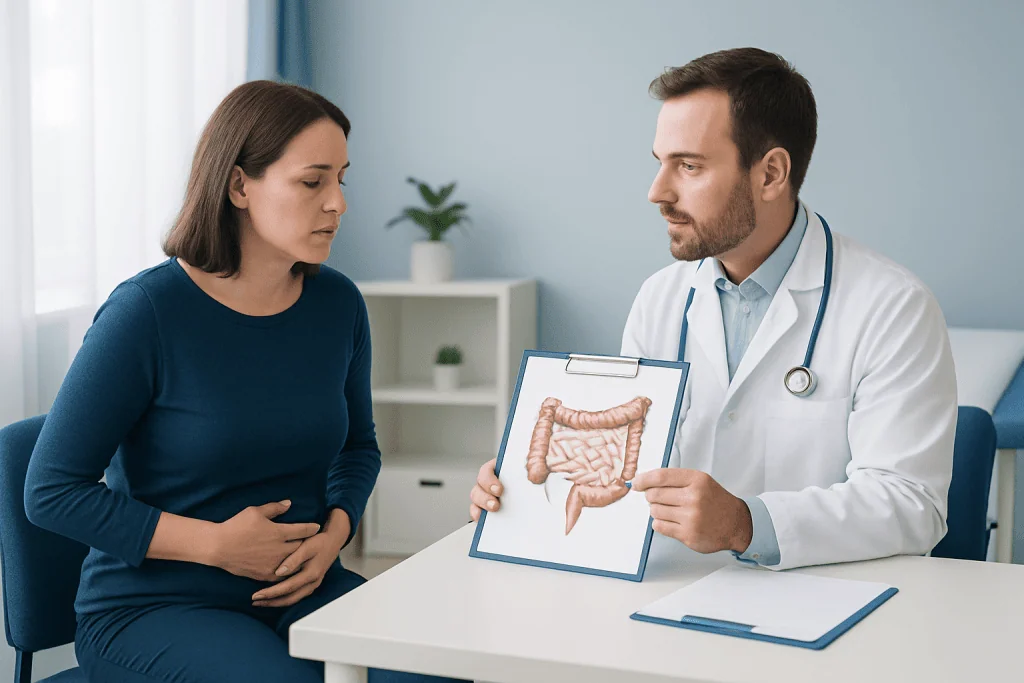
Slow intestinal motility may result from everyday factors or from medical conditions that affect the gut’s nerves and muscles. Common contributors include low fiber intake, inadequate fluid intake, inactivity, and changes in routine such as travel or illness. Certain medicines are also well known to slow the bowel, especially opioid pain medicines, some antidepressants, anticholinergic drugs, iron supplements, and some medications used for nausea or blood pressure.
Medical causes can involve the digestive tract itself or the body more broadly. Diabetes, thyroid disorders, connective tissue diseases, neurological conditions, and electrolyte imbalances can interfere with normal intestinal movement. In some people, symptoms may occur alongside functional gastrointestinal conditions such as irritable bowel syndrome, especially the constipation-predominant type.
In more complex cases, doctors may consider disorders such as colonic inertia, chronic intestinal pseudo-obstruction, or pelvic floor dysfunction. Prior abdominal surgery, severe infections, and inflammatory conditions may also play a role. Some people develop symptoms after a viral illness, while others have long-standing symptoms without a single clear trigger.
Risk factors include older age, a sedentary lifestyle, chronic illness, dehydration, and long-term use of constipating medications. However, slow intestinal motility can also affect younger adults and children, so persistent symptoms should not be dismissed.
How Doctors Diagnose Slow Intestinal Motility
Diagnosis begins with a detailed history and physical examination. A doctor will usually ask about bowel habits, stool form, diet, fluid intake, medications, past surgeries, and whether symptoms began suddenly or gradually. They may also ask about weight changes, nausea, vomiting, rectal bleeding, and symptoms outside the gut such as fatigue, weakness, or nerve-related complaints.
Basic testing often includes blood work to look for anemia, thyroid problems, diabetes, inflammation, or electrolyte disturbances. Depending on the situation, stool tests or abdominal imaging may be used to rule out structural problems. If there is concern about a physical blockage, a doctor may recommend endoscopic evaluation such as colonoscopy or other imaging studies.
When symptoms suggest a motility disorder, specialized tests may be helpful. These can include colon transit studies, anorectal manometry, defecography, gastric emptying studies, or other motility assessments. These tests help show whether stool moves slowly through the colon, whether pelvic floor muscles are coordinating normally, or whether a broader digestive motility problem is present.
The goal of diagnosis is not only to confirm slow movement in the intestines, but also to find the reason. This is important because treatment for medication-related constipation, pelvic floor dysfunction, and generalized gut dysmotility can be quite different.
Treatment Options
Treatment depends on the underlying cause, severity of symptoms, and which part of the digestive tract is affected. For many people, the first steps involve correcting contributing factors such as dehydration, low fiber intake, inactivity, or constipating medications when it is safe to adjust them. Some people improve with routine measures alone, while others need more targeted care.
Medicines may be used to soften stool, increase water in the bowel, stimulate intestinal movement, or treat a related condition. The choice depends on the person’s symptoms and medical history. If pelvic floor dysfunction is contributing to constipation, biofeedback-based pelvic floor therapy may be more effective than simply adding laxatives.
Doctors may also evaluate for overlapping conditions that can worsen symptoms, such as gastroesophageal reflux disease or problems with stomach emptying. In selected patients, treatment may include nutritional support, bowel clean-out strategies supervised by a clinician, or procedures for specific structural issues. Surgery is generally reserved for carefully chosen cases after thorough evaluation.
If a more advanced workup is needed, a gastroenterologist with motility expertise may recommend tests and treatment pathways that can include endoscopic or surgical approaches. Depending on the cause, care may involve endoscopy for evaluation, dietary counseling, medication adjustment, or in rare situations consultation with colorectal or general surgeons.
Prevention and Self-care
Not every case can be prevented, but daily habits often make a meaningful difference. Regular meals, adequate hydration, movement, and responding to the urge to have a bowel movement can support healthy intestinal function. A doctor or dietitian may recommend gradually increasing fiber, although this should be individualized because too much fiber can worsen bloating in some people with marked motility problems.
Self-care strategies often include keeping a symptom diary, reviewing medications with a clinician, and creating a consistent toilet routine. Some people benefit from sitting on the toilet after meals, when the body’s natural gastrocolic reflex is more active. Stress management may also help, since the brain-gut connection can influence bowel habits.
Helpful habits may include:
- Drinking enough fluids throughout the day
- Staying physically active as tolerated
- Eating balanced meals with appropriate fiber
- Limiting unnecessary use of constipating medicines
- Following a regular sleep and meal schedule
- Seeking help early if constipation becomes persistent
Self-treatment should be cautious if symptoms are new, severe, or unexplained. Frequent use of over-the-counter laxatives without medical advice may mask an underlying condition or may not address the actual cause.
When to See a Doctor
Medical advice is important if constipation, bloating, or abdominal discomfort lasts more than a few weeks, keeps coming back, or affects daily life. A doctor should also be consulted if symptoms begin after starting a new medication, if there is a known neurological or endocrine condition, or if home measures are not helping.
Urgent evaluation is needed for severe abdominal pain, persistent vomiting, inability to pass stool or gas, blood in the stool, black stools, fever, or unintentional weight loss. These symptoms may point to a blockage, significant inflammation, bleeding, or another condition that needs prompt care.
People with complicated or long-standing symptoms may benefit from assessment by specialists in gastroenterology and motility disorders. Near the end of the diagnostic pathway, coordinated care can be useful when symptoms involve multiple parts of the digestive tract or overlap with pelvic floor, neurological, or metabolic conditions. Acibadem International’s multidisciplinary specialists and JCI-accredited hospitals evaluate and treat intestinal motility disorders for international patients when advanced care is needed.
Frequently asked questions
What does slow intestinal motility mean?
Slow intestinal motility means that food, fluid, and waste move through the intestines more slowly than normal. This can lead to constipation, bloating, nausea, and a feeling of fullness or discomfort.
Is slow intestinal motility the same as constipation?
Not exactly. Constipation is a symptom, while slow intestinal motility is one possible reason constipation happens. Some people with constipation have slow transit through the colon, while others have pelvic floor problems or other causes.
Can medications cause slow intestinal motility?
Yes. Opioid pain medicines, some antidepressants, anticholinergic drugs, iron supplements, and certain other medications can slow bowel movement. A doctor can review current medicines and decide whether safer adjustments are possible.
How is slow intestinal motility tested?
Testing usually starts with a history, exam, and basic blood tests. If needed, doctors may use imaging, endoscopy, transit studies, anorectal manometry, or other motility tests to understand how the bowel is working.
Can diet and lifestyle help improve slow gut motility?
For many people, yes. Good hydration, regular physical activity, consistent meal times, and the right amount of fiber can support bowel function. However, if symptoms are severe or persistent, lifestyle changes alone may not be enough and medical evaluation is important.
When is slow intestinal motility serious?
It can be serious if it causes severe pain, repeated vomiting, inability to pass stool or gas, weight loss, blood in the stool, or signs of dehydration. These symptoms should be assessed promptly because they may indicate a blockage or another urgent condition.
References
- National Institute of Diabetes and Digestive and Kidney Diseases
- American College of Gastroenterology
- National Institute for Health and Care Excellence
- American Gastroenterological Association
- Cleveland Clinic
This article is for general information only and is not a substitute for professional medical advice. Please consult a qualified doctor about your individual situation.
Persistent digestive symptoms? Get evaluated in Turkey
JCI-accredited · board-certified surgeons · reply within 24h
Add us as a Preferred Source to see more of our trusted health content across Google Search, AI Overviews and Discover.
Check your numbers in seconds
BMI, calories, due date, blood pressure and 30+ more clinical calculators — free, instant, doctor-reviewed ranges.