When to Get a Second Opinion in Stroke or Vascular Neurology Care

A second opinion can confirm or refine a stroke-related diagnosis and treatment plan. It may be especially useful for rare conditions, uncertain imaging results, or recurrent symptoms.
Key Takeaways
- A second opinion can confirm or refine a stroke-related diagnosis and treatment plan.
- It may be especially useful for rare conditions, uncertain imaging results, or recurrent symptoms.
- Seeking another expert view does not usually delay care when urgent treatment has already begun.
- Bringing scans, reports, medication lists, and a symptom timeline makes the review more useful.
- A second opinion can support decisions about prevention, rehabilitation, and possible procedures.
A second opinion in stroke or vascular neurology care can clarify a diagnosis, confirm a treatment plan, or present additional options for recovery and prevention. It is often helpful when symptoms are complex, progress is unexpected, or major decisions about procedures, medicines, or long-term care need greater confidence.
Overview: why a second opinion can matter
Stroke and vascular neurology care often involves time-sensitive decisions, complex imaging, and long-term planning. After urgent treatment has been addressed, some people want another specialist to review the diagnosis, confirm that the recommended plan is appropriate, or explain whether there are other reasonable options. This can be especially valuable when symptoms do not match expectations, recovery is slower than hoped, or the underlying cause of stroke is still unclear.
A second opinion does not mean a person distrusts the first doctor. In many cases, it is simply a practical way to better understand a condition and make informed choices. Stroke can involve different problems, such as an ischemic stroke caused by a blocked blood vessel, a hemorrhagic stroke caused by bleeding, a transient ischemic attack, or less common vessel disorders. Each situation may call for a slightly different approach to diagnosis, treatment, and prevention.
Vascular neurology specialists focus on disorders of the brain’s blood vessels and the neurological effects they cause. A second opinion from this kind of expert may help when someone has recurrent symptoms, unusual scan findings, questions about blood thinners, or concern about whether a procedure is truly needed. In some cases, another review can also identify whether a person may benefit from input from neuroradiology, neurosurgery, cardiology, rehabilitation, or genetics specialists.
Situations when a second opinion is often helpful
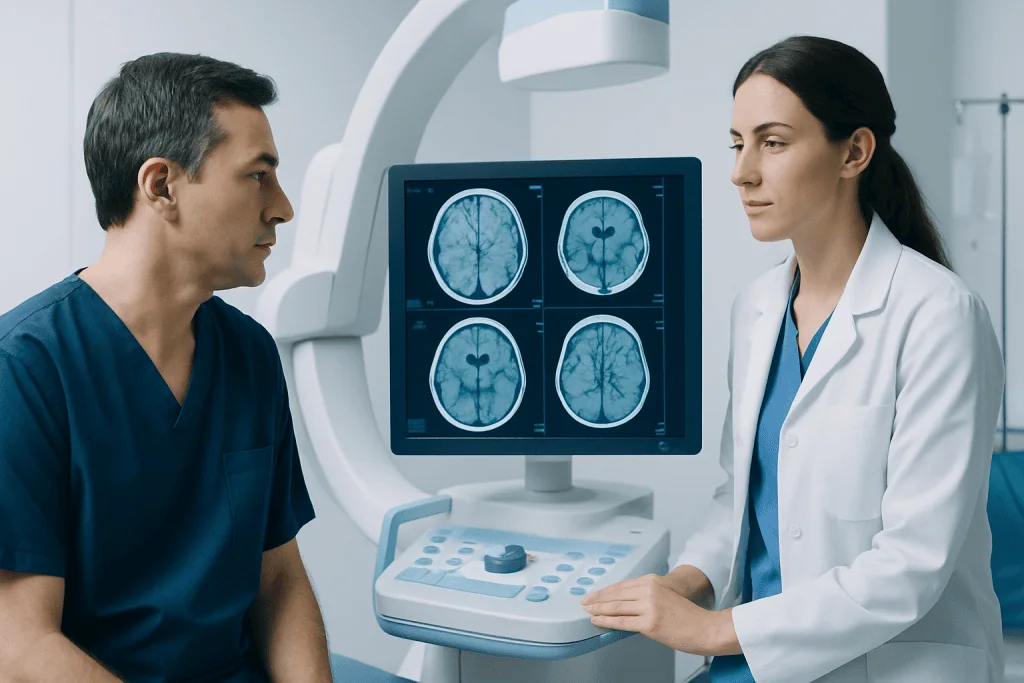
There are several common reasons to ask for a second opinion in stroke care. One is diagnostic uncertainty. For example, symptoms may suggest stroke, but scans may be unclear, or the event may resemble migraine, seizure, multiple sclerosis, or another neurological condition. Another reason is when the cause of a confirmed stroke remains unexplained after initial testing. This may be called cryptogenic stroke, and a more detailed review may help guide further investigation.
A second opinion can also be useful before major treatment decisions. Examples include whether to continue, change, or stop blood-thinning medicine; whether a narrowed artery should be treated with a procedure; or whether surgery or another intervention is being considered after bleeding in the brain. If recommendations feel complicated or difficult to compare, another specialist can explain the expected benefits, limits, and possible risks in clearer terms.
People may also seek another opinion when symptoms return after treatment, when recovery is unexpectedly limited, or when there is concern about missed risk factors. This includes repeated transient episodes, new weakness, speech problems, dizziness, severe headache, or memory and thinking changes after a vascular event. In these situations, the aim is not only to review what has already happened, but also to reduce the chance of future stroke.
- Diagnosis is uncertain or symptoms do not fit the explanation given
- Imaging results are difficult to interpret or appear conflicting
- The cause of stroke remains unexplained
- There are questions about procedures, surgery, or endovascular treatment
- Symptoms recur or recovery is not progressing as expected
- A rare vascular disorder is suspected
Conditions and questions that commonly prompt another review

Many second opinions focus on specific stroke-related diagnoses. These include stroke, transient ischemic attack, cerebral venous thrombosis, carotid artery disease, arterial dissection, vasculitis affecting the nervous system, brain aneurysm, vascular malformations, and hemorrhage-related conditions. Some people are also referred for review of white matter changes, silent infarcts, or small vessel disease seen on brain imaging.
Another frequent reason is uncertainty about the source of a clot or bleed. Doctors may need to consider heart rhythm problems such as atrial fibrillation, structural heart disease, blood vessel narrowing, inherited or acquired clotting disorders, autoimmune disease, infection, or uncontrolled risk factors like high blood pressure and diabetes. A second opinion may help prioritize which tests are still needed and which findings are most important.
Questions often involve treatment choices as well. A person may want to know whether they need additional vascular imaging, prolonged heart rhythm monitoring, rehabilitation reassessment, or a procedure such as angiography to better define a blood vessel problem. Others may ask whether a recommendation for brain surgery is standard in their situation, or whether close follow-up is a reasonable alternative. In more complex cases, interventional radiology or endovascular expertise may also be part of the discussion.
What specialists review during a second opinion
A thorough second opinion usually begins with the full timeline: when symptoms started, how they changed, what emergency treatment was given, and what recovery has looked like since then. The reviewing specialist will often look closely at brain scans, vessel imaging, heart studies, blood test results, and previous clinic notes. They may also ask about family history, prior neurological symptoms, smoking, pregnancy-related history, autoimmune conditions, infections, and any medicines or supplements the person takes.
Imaging review is often central. In stroke and vascular neurology, subtle details on CT, MRI, CT angiography, MR angiography, ultrasound, or catheter-based studies can influence the diagnosis. A second specialist may confirm the original interpretation or suggest a different explanation, such as an older stroke rather than a new one, a mimic rather than a true vascular event, or a blood vessel abnormality that needs further clarification.
The second opinion may also re-examine prevention strategy. This includes whether blood pressure, cholesterol, blood sugar, sleep apnea, smoking exposure, and physical activity have been addressed. If the person has already had a stroke, the specialist may discuss the best plan for antiplatelet therapy, anticoagulation when appropriate, rehabilitation, and follow-up imaging. The goal is to make sure treatment matches the likely cause and the person’s broader health needs.
How to prepare for a second opinion appointment
Preparation can make the visit more efficient and more valuable. It helps to bring or send copies of hospital discharge summaries, clinic letters, brain and blood vessel scan reports, and the actual imaging files if possible. A current medication list should include prescription medicines, over-the-counter products, vitamins, and any blood thinners. A brief written symptom timeline can also help the specialist understand what happened and whether there have been changes over time.
People often benefit from writing down their questions in advance. These may include: Was this definitely a stroke? What caused it? Are more tests needed? Do the expected benefits of the proposed treatment outweigh the risks? Is there another reasonable option? What is the best plan to reduce the chance of another event? This approach can make a complex consultation easier to follow and less stressful.
It may also help to bring a family member or trusted companion, especially if communication, memory, or concentration has been affected. They can help take notes and remember recommendations. For international patients or those with complex cases, multidisciplinary centers can sometimes coordinate reviews across neurology, neuroradiology, cardiology, and rehabilitation. Near the end of the care journey, some patients choose centers such as Acibadem International, where multidisciplinary specialists in JCI-accredited hospitals evaluate stroke and vascular neurology conditions for international patients.
Possible outcomes of a second opinion
In many cases, the second opinion confirms the original diagnosis and plan. This can be very reassuring. Confidence in the treatment approach may help patients focus more fully on recovery, rehabilitation, and prevention instead of worrying that something important has been missed. Confirmation also supports a stronger understanding of why particular medicines, tests, or follow-up visits are recommended.
Sometimes the second opinion adds nuance rather than changing everything. A specialist may agree with the main diagnosis but suggest extra testing to clarify the cause, a different schedule for follow-up imaging, or more attention to rehabilitation needs such as speech, mobility, swallowing, mood, or cognition. Even small adjustments can improve the overall care plan and help the patient understand next steps more clearly.
Less often, the review leads to a different diagnosis or a substantial change in management. For example, what first seemed like a stroke may turn out to be a stroke mimic, or a vascular abnormality may need a different procedure than originally proposed. If treatment options include radiation oncology for a related vascular lesion or another specialized intervention, the second opinion can help place that recommendation in context. When recommendations differ, patients can ask both teams to explain the reasons, expected outcomes, and uncertainties involved.
Urgent warning signs and when not to wait
A second opinion is valuable, but it should not delay emergency care. If someone has sudden facial drooping, arm weakness, speech difficulty, confusion, loss of vision, severe imbalance, or a sudden severe headache unlike usual headaches, emergency medical services should be contacted right away. These symptoms may be signs of stroke, and urgent treatment can be time-sensitive.
People should also seek prompt medical attention if stroke symptoms return, if there is worsening weakness or numbness, repeated fainting, new seizures, or a significant change in alertness. A person recovering from stroke should not wait for a routine second opinion appointment if something acutely changes. Immediate evaluation is more important.
Once the emergency phase has passed and the person is medically stable, that is often the right time to consider another expert review if there are ongoing questions. A second opinion is most helpful when it adds understanding without postponing urgent treatment that is already needed. In general, patients should feel comfortable asking their current doctor whether a second opinion would be useful and how best to arrange it.
Frequently asked questions
Is it normal to ask for a second opinion after a stroke?
Yes. Many patients and families ask for a second opinion to better understand the diagnosis, cause, and treatment plan. It is a common and reasonable part of making informed healthcare decisions.
Will getting a second opinion delay treatment?
It should not delay emergency stroke treatment. The best time for a second opinion is usually after urgent care has begun or when the person is medically stable, unless a treating doctor specifically recommends immediate specialist review.
What records should be taken to a second opinion visit?
Helpful records include discharge summaries, clinic notes, scan reports, actual imaging files if available, blood test results, and a current medication list. A written timeline of symptoms and treatments can also make the review more accurate and efficient.
Can a second opinion change the diagnosis?
Sometimes. Another specialist may confirm the original diagnosis, refine it, or suggest a different explanation such as a stroke mimic or a different type of vascular disorder. Even when the diagnosis does not change, the review may improve the treatment or prevention plan.
Who should give a second opinion in stroke or vascular neurology care?
A vascular neurologist is often the most relevant specialist for stroke-related questions. Depending on the situation, input from neuroradiology, neurosurgery, cardiology, rehabilitation, or hematology may also be helpful.
Should someone get a second opinion if recovery is slower than expected?
It can be helpful, especially if symptoms are worsening, returning, or not matching the original explanation. A second review may assess whether the diagnosis is complete, whether more rehabilitation is needed, or whether another medical issue is affecting recovery.
References
- World Stroke Organization
- American Heart Association
- National Institute of Neurological Disorders and Stroke
- Centers for Disease Control and Prevention
- European Stroke Organisation
This article is for general information only and is not a substitute for professional medical advice. Please consult a qualified doctor about your individual situation.
Vascular Neurology in Turkey — costs, top hospitals & a free quote
JCI-accredited · board-certified surgeons · reply within 24h
Add us as a Preferred Source to see more of our trusted health content across Google Search, AI Overviews and Discover.
Check your numbers in seconds
BMI, calories, due date, blood pressure and 30+ more clinical calculators — free, instant, doctor-reviewed ranges.