Viral Meningitis: Symptoms, Diagnosis, and When Hospital Care Is Needed

Viral meningitis is often less severe than bacterial meningitis, but symptoms should never be ignored. Common symptoms include headache, fever, neck stiffness, nausea, light sensitivity, and tiredness.
Key Takeaways
- Viral meningitis is often less severe than bacterial meningitis, but symptoms should never be ignored.
- Common symptoms include headache, fever, neck stiffness, nausea, light sensitivity, and tiredness.
- Doctors usually confirm the diagnosis with examination, blood tests, and a lumbar puncture.
- Treatment is mainly supportive, though antiviral medicines may be used in selected cases.
- Babies, older adults, pregnant people, and those with weakened immunity may need closer monitoring or hospital care.
Viral meningitis is an infection-related inflammation of the meninges, the protective layers around the brain and spinal cord. It often improves with supportive care, but because its symptoms can overlap with more serious forms of meningitis, prompt medical assessment is important.
Overview of viral meningitis
Viral meningitis is inflammation of the meninges, the thin membranes that cover the brain and spinal cord, caused by a viral infection. In many cases it is less dangerous than bacterial meningitis, and many people recover fully with rest, fluids, and careful medical follow-up. Even so, the symptoms can feel intense and may closely resemble those of more serious infections.
A wide range of viruses can cause this condition. Enteroviruses are among the most common, especially in children and during warmer months. Other possible causes include herpes viruses, influenza, mumps, measles, varicella-zoster virus, and some mosquito-borne viruses, depending on travel history and local outbreaks.
Because inflammation affects tissues around the brain and spinal cord, viral meningitis can cause headache, fever, neck stiffness, and sensitivity to light. These symptoms are not specific to one cause, so doctors focus first on ruling out emergencies such as bacterial meningitis, encephalitis, bleeding, or severe dehydration.
The overall outlook is usually good, but recovery time varies. Some people feel much better within a week or two, while others may have fatigue, headaches, or difficulty concentrating for longer. Early evaluation helps guide treatment and identify who may need observation in hospital.
Symptoms and warning signs
The symptoms of viral meningitis may begin suddenly or develop over a day or two. Many people first notice a fever, headache, and a general feeling of being unwell. Neck stiffness, nausea, vomiting, sensitivity to bright light, body aches, and unusual tiredness are also common.
Symptoms can be different in babies, young children, and older adults. Infants may not show classic neck stiffness. Instead, they may be irritable, feed poorly, seem unusually sleepy, cry inconsolably, or have a bulging soft spot on the head. In older adults, symptoms may be less typical and may include confusion or reduced alertness.
Some people also have symptoms linked to the virus causing the infection, such as a rash, sore throat, cough, diarrhea, or cold-like illness. In certain cases, viral meningitis occurs alongside brain inflammation, called encephalitis, which can lead to confusion, behavior changes, seizures, weakness, or difficulty speaking.
Warning signs that need urgent medical attention include severe or worsening headache, persistent vomiting, confusion, drowsiness, seizures, difficulty waking, breathing problems, a new widespread rash, or symptoms in a newborn. These signs do not always mean a dangerous cause, but they do require prompt evaluation.
Causes and risk factors
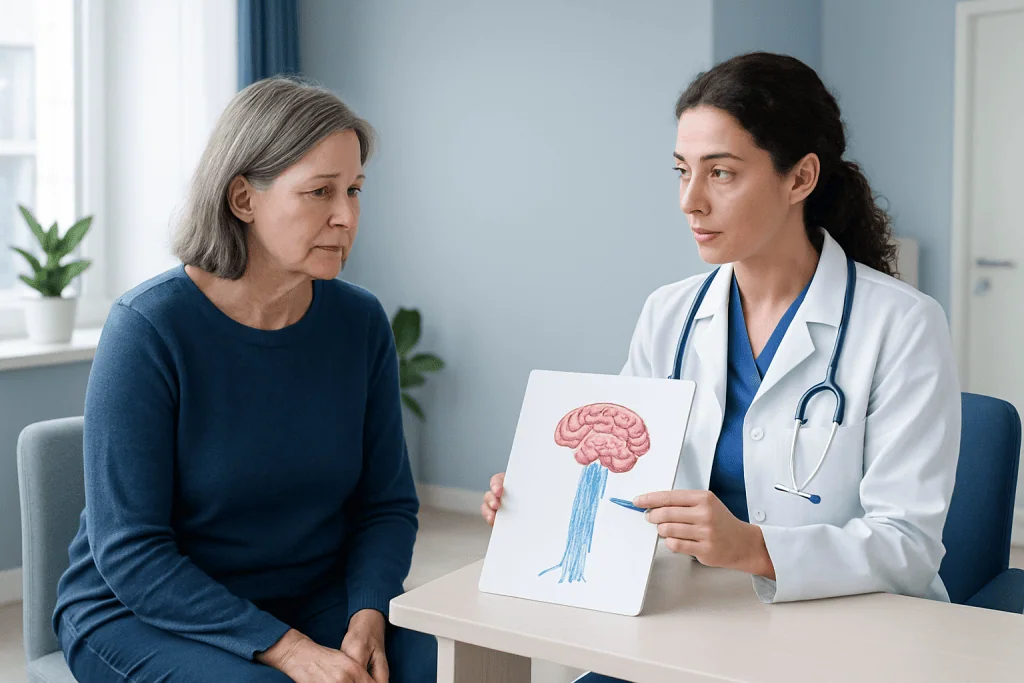
Viral meningitis happens when a virus reaches the meninges and triggers inflammation. The most common causes vary by age, season, vaccination status, travel history, and immune health. Enteroviruses are a frequent cause, but herpes simplex virus, varicella-zoster virus, and other respiratory or gastrointestinal viruses may also be responsible.
Viruses spread in different ways. Some pass from person to person through respiratory droplets, saliva, or close contact. Others spread through stool-to-mouth transmission, contaminated surfaces, mosquito bites, or rarely through reactivation of a virus already in the body. Good hygiene, vaccination, and avoiding contact with people who are acutely unwell can reduce risk.
Anyone can develop viral meningitis, but certain people may be more vulnerable to severe illness or complications. These include newborns, infants, older adults, pregnant people, and those with weakened immune systems due to illness, medicines, or treatments such as chemotherapy or organ transplantation.
Doctors also consider related conditions when assessing symptoms. In practice, the first priority is distinguishing viral meningitis from more urgent problems such as bacterial meningitis or encephalitis, because these may need rapid targeted treatment.
How viral meningitis is diagnosed
Diagnosis begins with a medical history and physical examination. The doctor asks about the timing of symptoms, recent infections, travel, insect bites, vaccination status, sick contacts, and any immune system problems. A neurological examination helps check alertness, neck stiffness, coordination, reflexes, and signs that might suggest brain involvement rather than meningeal irritation alone.
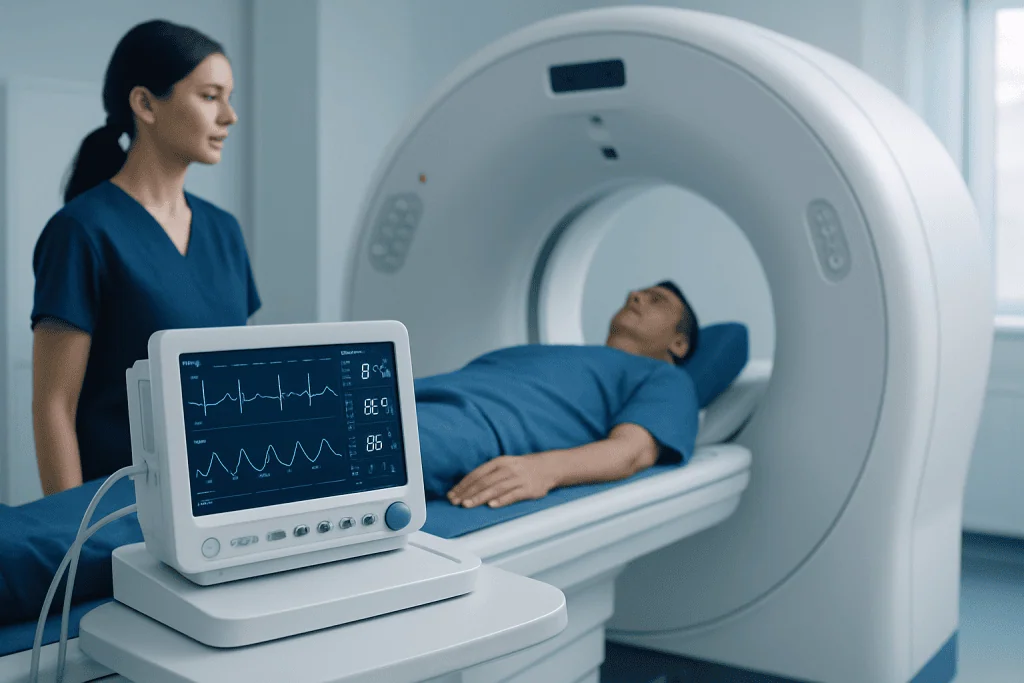
Blood tests can help look for signs of infection or inflammation, but they cannot confirm viral meningitis by themselves. If meningitis is suspected, the most important test is often a lumbar puncture, also called a spinal tap. This procedure collects cerebrospinal fluid, the liquid surrounding the brain and spinal cord, so it can be examined for white blood cells, protein, glucose, and viral genetic material.
Doctors sometimes arrange brain imaging before lumbar puncture if there are concerns about increased pressure in the skull, a weakened immune system, recent seizures, focal neurological symptoms, or reduced consciousness. Depending on symptoms, testing may also include viral PCR panels, blood cultures, throat or stool samples, and imaging when complications need to be excluded.
Rapid diagnosis matters because early symptoms can overlap with serious conditions. Until bacterial meningitis is reasonably excluded, hospital teams may begin urgent treatment while waiting for test results. In some settings, people may also be evaluated by specialists in neurology care or infectious diseases to guide next steps.
Treatment options and recovery
Most cases of viral meningitis are treated with supportive care. This means helping the body recover while easing symptoms. Common measures include rest, fluids, pain relief for headache and body aches, medicines for fever or nausea, and monitoring for any changes in alertness or breathing.
Antiviral treatment is not needed for every viral cause. However, if doctors suspect herpes simplex virus or varicella-zoster virus, antiviral medicine may be started promptly because these infections can sometimes be more serious. If bacterial meningitis has not yet been ruled out, antibiotics may also be given at first until test results are clearer.
Recovery can take days to weeks. Many people improve steadily, but tiredness, sleep changes, poor concentration, or lingering headaches may last longer. A gradual return to school, work, and exercise is often helpful. Follow-up may be advised if symptoms persist, hearing changes develop, or a person had a more complicated course.
If confusion, seizures, severe dehydration, or complications are present, treatment may be provided in hospital, sometimes with support from infectious diseases specialists and intensive care teams when close monitoring is needed.
When hospital care is needed
Not everyone with viral meningitis needs to stay in hospital, but medical teams consider several factors before deciding that home care is safe. Hospital care is more likely if the person is a newborn, very young infant, pregnant, elderly, has a weakened immune system, cannot keep fluids down, has uncontrolled pain, or does not have reliable support at home.
Doctors also recommend hospital assessment when symptoms are severe or uncertain. This includes high fever with neck stiffness, intense headache, repeated vomiting, reduced consciousness, confusion, seizures, weakness, or concern for encephalitis. In these situations, observation allows faster testing, intravenous fluids or medicines, and close neurological monitoring.
Babies deserve special attention because meningitis may be harder to recognize. A baby who is unusually sleepy, feeding poorly, hard to wake, breathing abnormally, or crying in a weak or piercing way should be seen urgently. Parents and caregivers should trust their instincts if a child seems significantly more unwell than with a typical viral illness.
After evaluation, some people can safely recover at home with clear instructions, symptom relief, and return precautions. Others benefit from admission for one or more nights while test results return and the medical team confirms that no more dangerous cause is present.
Prevention, self-care, and when to see a doctor
Prevention focuses on reducing exposure to viruses and supporting general health. Frequent handwashing, covering coughs and sneezes, cleaning shared surfaces, avoiding close contact when ill, and staying up to date with recommended vaccines all help lower the risk of infections that may lead to meningitis. In some regions or seasons, protecting against mosquito bites is also important.
At home, self-care after diagnosis usually includes rest, good hydration, regular light meals if tolerated, and using medicines exactly as advised by a clinician. It can help to limit bright lights and loud environments if headaches or light sensitivity are troublesome. Alcohol and strenuous activity are best avoided until recovery is well underway.
A doctor should be contacted promptly for fever with severe headache, neck stiffness, new confusion, vomiting that prevents drinking, or symptoms in a baby or frail adult. People already diagnosed with viral meningitis should seek urgent review if symptoms worsen, seizures occur, they become difficult to wake, or new weakness, rash, or breathing problems appear.
For international patients who need specialist evaluation, Acibadem International’s multidisciplinary teams in JCI-accredited hospitals diagnose and treat neuroinfectious conditions, including meningitis, with coordinated input across neurology, infectious diseases, and critical care when required.
Frequently asked questions
Is viral meningitis serious?
Viral meningitis is often milder than bacterial meningitis, and many people recover fully. However, it can still cause significant symptoms and sometimes requires hospital care, especially in babies, older adults, or people with weakened immunity.
How is viral meningitis different from bacterial meningitis?
Both can cause fever, headache, and neck stiffness, so they may look similar at first. Bacterial meningitis is generally more dangerous and needs urgent antibiotic treatment, which is why doctors evaluate suspected meningitis quickly.
Can viral meningitis go away on its own?
Many cases improve with supportive care such as rest, fluids, and symptom relief. Still, a medical assessment is important because only testing can help distinguish viral meningitis from bacterial meningitis or other serious conditions.
How long does recovery from viral meningitis take?
Some people feel much better within one to two weeks, while others need longer. Fatigue, headaches, and reduced concentration can continue for a period even after the infection itself is improving.
Is viral meningitis contagious?
The viruses that cause meningitis can be contagious, but not everyone exposed will develop meningitis. Spread depends on the specific virus and may happen through respiratory droplets, saliva, stool-to-mouth transmission, or other routes.
When should someone go to the hospital for possible meningitis?
Urgent care is needed for severe headache, neck stiffness, fever with confusion, repeated vomiting, seizures, difficulty waking, breathing problems, or symptoms in a newborn. It is safer to be assessed early because the symptoms can overlap with more serious illnesses.
References
- World Health Organization
- Centers for Disease Control and Prevention
- National Institute of Neurological Disorders and Stroke
- NHS
- American Academy of Pediatrics
This article is for general information only and is not a substitute for professional medical advice. Please consult a qualified doctor about your individual situation.
Meningitis in Turkey — costs, top hospitals & a free quote
JCI-accredited · board-certified surgeons · reply within 24h
Add us as a Preferred Source to see more of our trusted health content across Google Search, AI Overviews and Discover.