Brain Doctor Called What? Choosing the Right Specialist for Stroke Symptoms

A “brain doctor” for stroke is usually a neurologist, and often a vascular neurologist. Stroke symptoms need emergency evaluation right away, not a routine clinic appointment.
Key Takeaways
- A “brain doctor” for stroke is usually a neurologist, and often a vascular neurologist.
- Stroke symptoms need emergency evaluation right away, not a routine clinic appointment.
- Stroke care commonly involves a team that may include emergency physicians, neurologists, neuroradiologists, neurosurgeons, and rehabilitation specialists.
- Sudden weakness, trouble speaking, facial drooping, vision changes, severe dizziness, or a sudden severe headache can all be warning signs.
- Early diagnosis and treatment can reduce brain injury and improve recovery.
- After emergency treatment, follow-up focuses on preventing another stroke and supporting rehabilitation.
When stroke symptoms appear, the right specialist is usually a neurologist, often a vascular neurologist, working as part of an emergency stroke team. Fast treatment matters most, so getting urgent medical help is more important than trying to choose a doctor alone.
Overview: What kind of doctor treats stroke?
When people ask, “brain doctor called what?”, the most common answer is neurologist. A neurologist is a doctor who diagnoses and treats disorders of the brain, spinal cord, and nerves. If stroke is the concern, the most relevant specialist is often a vascular neurologist, a neurologist with focused expertise in stroke and blood vessel conditions affecting the brain.
In real-life emergencies, however, stroke care is rarely handled by just one doctor. It is usually provided by a coordinated stroke team. This may include emergency medicine doctors, vascular neurologists, neuroradiologists who interpret brain imaging, interventional specialists who open blocked blood vessels, neurosurgeons when surgery is needed, and rehabilitation experts for recovery.
The most important message is that possible stroke symptoms should be treated as a medical emergency. Rather than trying to decide which specialist to book, the safest step is to seek emergency care immediately. The right specialists are then brought in quickly based on symptoms, brain scans, and the suspected type of stroke.
What is a vascular neurologist, and how is this different from other brain specialists?
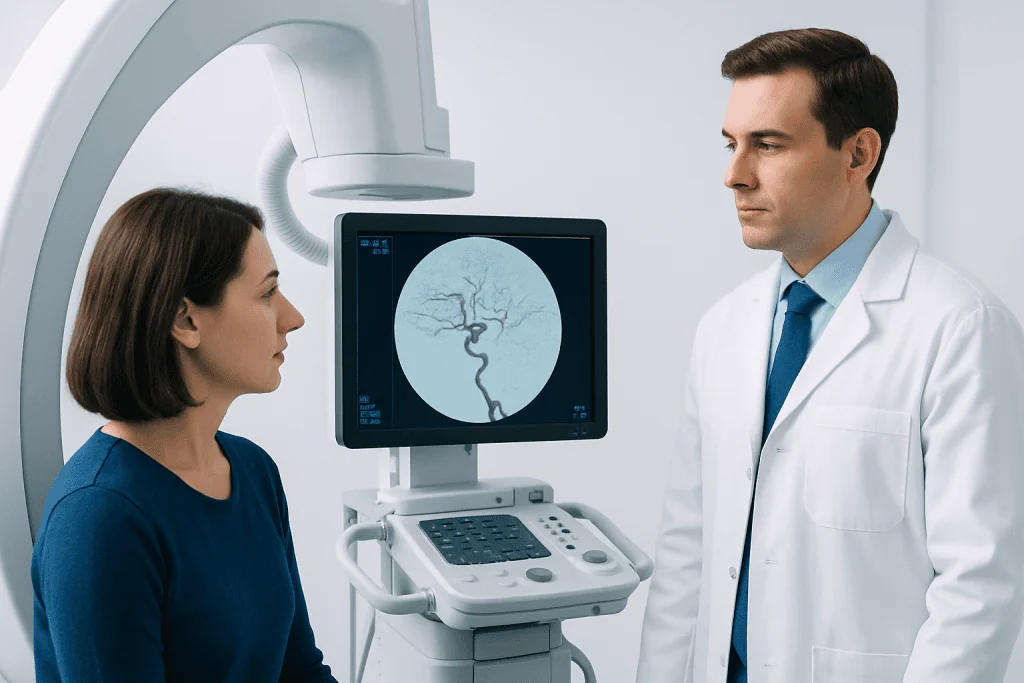
A vascular neurologist is a neurologist who focuses on strokes, transient ischemic attacks (TIAs), and other conditions involving blood flow to the brain. This specialist helps determine whether symptoms are due to a blocked artery, bleeding in the brain, or another neurological condition that can look similar to stroke.
Other specialists also play important roles. A neurosurgeon may be involved if there is bleeding, swelling, or pressure in the brain that could require an operation. An interventional neuroradiologist or endovascular specialist may perform catheter-based procedures to remove a clot in selected patients. This is why stroke care often overlaps with fields such as interventional neuroradiology and neurosurgery.
After the emergency phase, patients may continue care with a neurologist or vascular neurologist for stroke prevention, medication review, risk-factor management, and monitoring for complications. Some people also need support from cardiologists, physiatrists, speech therapists, physical therapists, and occupational therapists during recovery.
Stroke symptoms that need urgent medical attention
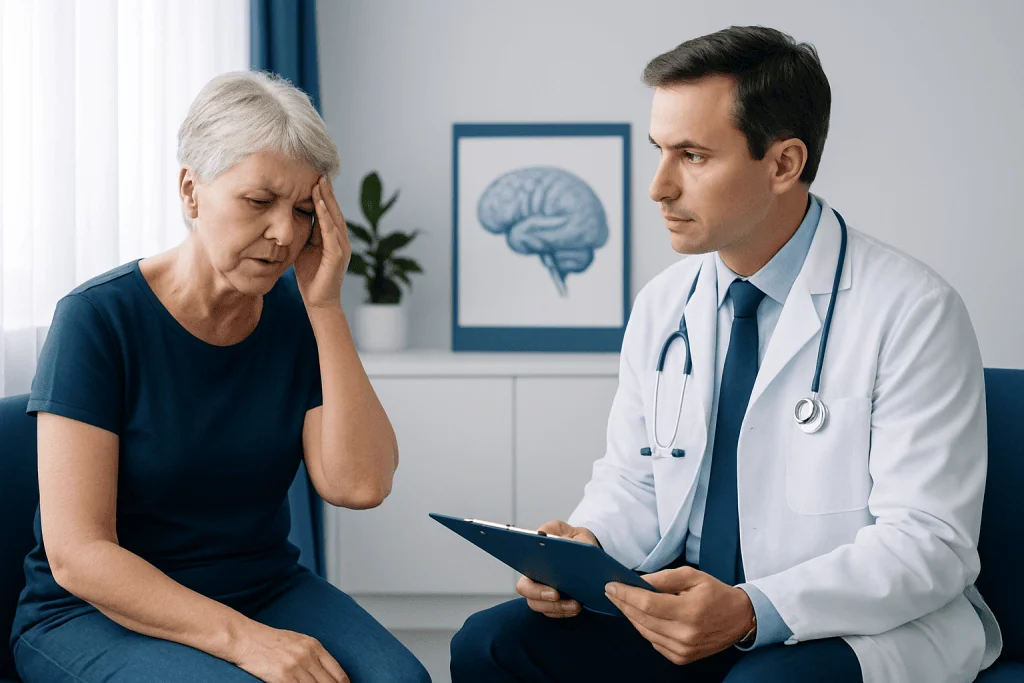
Stroke symptoms usually begin suddenly. They may include facial drooping, weakness or numbness on one side of the body, trouble speaking, difficulty understanding speech, sudden confusion, loss of balance, severe dizziness, double vision, or sudden loss of vision. A sudden, very severe headache may also be a warning sign, especially if it is unlike past headaches.
A helpful way to remember common signs is FAST: Face drooping, Arm weakness, Speech difficulty, and Time to call emergency services. Even if symptoms seem to improve, urgent evaluation is still needed because a temporary episode may be a transient ischemic attack, sometimes called a “mini-stroke,” which can be a warning of a larger stroke.
Not every sudden neurological symptom is a stroke. Migraine, seizures, low blood sugar, inner-ear problems, infections, and some brain tumors can sometimes cause similar symptoms. Even so, new or sudden symptoms should not be self-diagnosed at home, because only a medical assessment and brain imaging can reliably tell the difference.
- Sudden facial droop or uneven smile
- New weakness or numbness, especially on one side
- Trouble speaking or understanding words
- Sudden vision loss or double vision
- Severe dizziness or loss of coordination
- A sudden, severe headache unlike usual headaches
What causes stroke, and who is at higher risk?
A stroke happens when part of the brain is injured because its blood supply is interrupted or because a blood vessel bleeds. The two main types are ischemic stroke, caused by a blockage in a blood vessel, and hemorrhagic stroke, caused by bleeding in or around the brain. A transient ischemic attack causes temporary symptoms but does not mean the event was harmless.
Several health conditions increase stroke risk. Common examples include high blood pressure, atrial fibrillation, diabetes, high cholesterol, smoking, obesity, sleep apnea, and heart disease. Risk also rises with age, although stroke can happen in younger adults and, less commonly, in children.
Family history, previous stroke or TIA, and some blood-clotting disorders may also play a role. In some people, the cause is a narrowing of an artery in the neck or brain; in others, a clot forms in the heart and travels to the brain. Doctors may also investigate less common causes depending on age and medical history, especially when stroke occurs unexpectedly or without obvious risk factors.
How doctors diagnose stroke
When someone arrives at the hospital with possible stroke symptoms, doctors first assess breathing, circulation, blood pressure, blood sugar, and the timing of symptoms. A focused neurological examination helps identify which parts of the brain may be affected. Time matters because some treatments are only helpful within certain windows after symptoms begin.
Brain imaging is essential. A CT scan is often the fastest first test and helps detect bleeding. MRI may provide more detail in selected cases. Doctors may also use vascular imaging, such as CT angiography or MR angiography, to look for blocked or narrowed blood vessels. These tests help guide urgent treatment decisions and can distinguish stroke from conditions that mimic it.
Additional tests may include heart rhythm monitoring, echocardiography, and blood tests. These help identify why the stroke happened and how to reduce the chance of another one. Depending on the findings, the care team may also evaluate related conditions such as stroke or warning events like transient ischemic attack.
Treatment options and the specialists involved
Stroke treatment depends on the type of stroke and how quickly the person reaches medical care. For some ischemic strokes, clot-busting medicine may be used if the person arrives within an appropriate treatment window and meets safety criteria. In selected cases with a larger blocked artery, a minimally invasive catheter procedure called mechanical thrombectomy may be recommended to remove the clot.
Hemorrhagic stroke is treated differently. The priority may be controlling blood pressure, reversing blood thinners when appropriate, managing swelling, and sometimes performing surgery or other procedures to reduce pressure or treat the source of bleeding. This is why a stroke team may include neurologists, intensive care specialists, neuroradiologists, and neurosurgeons.
Ongoing care aims to prevent another stroke. This may involve medicines to control blood pressure, cholesterol, diabetes, or irregular heart rhythms, as well as antiplatelet or anticoagulant therapy when appropriate. Rehabilitation is also a key part of treatment, and some patients benefit from neurology care alongside physical therapy and rehabilitation to improve movement, communication, and daily function.
Near the end of the care journey, patients and families may need help coordinating follow-up across several specialties. Acibadem International’s multidisciplinary specialists and JCI-accredited hospitals diagnose and treat stroke-related conditions for international patients, with evaluation tailored to the individual clinical picture.
Recovery, prevention, and self-care after stroke
Recovery after stroke can be gradual and highly individual. Some people improve quickly, while others need longer-term rehabilitation. Speech therapy, physiotherapy, occupational therapy, and cognitive support may all help. Emotional changes, fatigue, and concentration problems are also common, so recovery plans often address mental well-being as well as physical function.
Preventing another stroke is a major goal after the first event. This usually means controlling blood pressure, stopping smoking, managing diabetes, treating high cholesterol, maintaining a healthy weight, and being physically active as advised by a doctor. People with atrial fibrillation or certain heart conditions may need specific treatment to lower clot risk.
Families can support recovery by encouraging medication adherence, follow-up appointments, and a safe home environment. It is also helpful to learn the warning signs of another stroke and to seek urgent care if symptoms return. Even subtle or short-lived neurological symptoms deserve prompt evaluation.
When to seek emergency care or specialist follow-up
Emergency help is needed immediately for any sudden symptoms that could suggest stroke. This includes new one-sided weakness, facial drooping, slurred speech, trouble understanding language, sudden severe dizziness, sudden vision change, or a severe unexplained headache. It is safer to call emergency services than to drive a person who may be having a stroke.
After emergency treatment, follow-up with a neurologist or vascular neurologist is important. This is especially true if the cause of the stroke is not yet clear, if symptoms continue, or if there are concerns about memory, speech, movement, swallowing, or recurrent episodes. A specialist can review scans, clarify the diagnosis, and help tailor a prevention plan.
People should also seek medical advice if they have had a brief episode of neurological symptoms that resolved on its own. A TIA can be a warning sign that needs urgent attention, not a problem to ignore. Early evaluation can reduce the risk of a future disabling stroke.
Frequently asked questions
What is the name of a brain doctor for stroke?
The doctor most commonly associated with stroke care is a neurologist. A vascular neurologist is a neurologist with additional focus on stroke and disorders of blood flow to the brain.
Should someone see a neurologist or go to the emergency room for stroke symptoms?
Possible stroke symptoms should be treated as an emergency. The first step is urgent emergency care, where a stroke team can evaluate the person quickly and involve a neurologist as needed.
What is the difference between a neurologist and a neurosurgeon?
A neurologist diagnoses and medically manages conditions affecting the brain and nervous system, including most strokes. A neurosurgeon performs operations when surgery is needed, such as for certain types of brain bleeding, swelling, or pressure.
Can stroke symptoms go away on their own?
Yes, symptoms can sometimes improve or disappear, especially in a transient ischemic attack. Even if symptoms resolve, urgent medical assessment is still important because the risk of a future stroke may be higher.
Who else may be involved in stroke treatment besides a neurologist?
Stroke care often includes emergency physicians, neuroradiologists, intensive care doctors, neurosurgeons, rehabilitation physicians, and therapists. The exact team depends on the type of stroke, its cause, and the person’s recovery needs.
When is a vascular neurologist especially helpful?
A vascular neurologist is especially helpful when a person has a confirmed or suspected stroke, repeated transient symptoms, or a need for detailed stroke prevention planning. This specialist can also help interpret complex imaging and guide long-term follow-up.
References
- World Health Organization
- American Stroke Association
- National Institute of Neurological Disorders and Stroke
- Centers for Disease Control and Prevention
- European Stroke Organisation
This article is for general information only and is not a substitute for professional medical advice. Please consult a qualified doctor about your individual situation.
Joint and spine care in Turkey — expert assessment & treatment
JCI-accredited · board-certified surgeons · reply within 24h
Add us as a Preferred Source to see more of our trusted health content across Google Search, AI Overviews and Discover.
Check your numbers in seconds
BMI, calories, due date, blood pressure and 30+ more clinical calculators — free, instant, doctor-reviewed ranges.

More from the Health Library



Related Specialists
Dr. Ioseb Gabunia
Inpatient Clinic Physicians Clinical Service
Erkan Akpınar
Physical Medicine & Rehabilitation
Dr. Berna Türkay
Anesthesiology
Gizem Gürzoğlu
Physical Medicine & Rehabilitation