Stroke Specialist Evaluation: What to Expect at Your First Vascular Neurology Visit

The first visit usually focuses on understanding symptoms, reviewing prior tests, and checking stroke risk factors. A vascular neurologist may recommend blood tests, heart monitoring, or brain and blood vessel imaging if more information is needed.
Key Takeaways
- The first visit usually focuses on understanding symptoms, reviewing prior tests, and checking stroke risk factors.
- A vascular neurologist may recommend blood tests, heart monitoring, or brain and blood vessel imaging if more information is needed.
- Treatment plans often include risk-factor control, medicines, lifestyle changes, and rehabilitation when appropriate.
- Bringing records, a medication list, and a symptom timeline can make the visit more useful.
- Urgent stroke warning signs still require emergency care rather than a routine clinic appointment.
A stroke specialist evaluation helps clarify why stroke-like symptoms happened, what the future risk may be, and which tests or treatments are most appropriate. At a first vascular neurology visit, patients can usually expect a careful review of symptoms, medical history, imaging, medicines, and a personalized prevention plan.
Overview: what a stroke specialist evaluation is
A stroke specialist evaluation is an appointment with a doctor trained in vascular neurology, the field that focuses on stroke, transient ischemic attack (TIA), bleeding in the brain, and conditions that affect blood flow to the brain. The goal of the visit is to understand what happened, identify possible causes, estimate the risk of another event, and create a plan for treatment or prevention.
Some people are referred after a confirmed stroke or TIA. Others are seen because of symptoms that could be related to reduced blood flow in the brain, such as sudden weakness, trouble speaking, vision changes, or unexplained numbness. In some cases, the visit is arranged after an emergency department stay or hospital admission. In others, it follows an abnormal scan or concern raised by a primary care doctor, cardiologist, or neurologist.
The first visit is usually more detailed than a routine checkup. The specialist may review hospital records, brain scans, heart tests, and blood work, then perform a focused neurological examination. This process helps distinguish stroke from other conditions that can look similar, such as migraine, seizure, low blood sugar, or an inner ear problem.
For patients and families, the appointment can feel more manageable when they know its purpose: to answer questions, reduce uncertainty, and build a practical next-step plan. Even when a final answer is not possible in one visit, the evaluation often provides a clear direction for further testing and care.
Who may need this visit and what symptoms are discussed
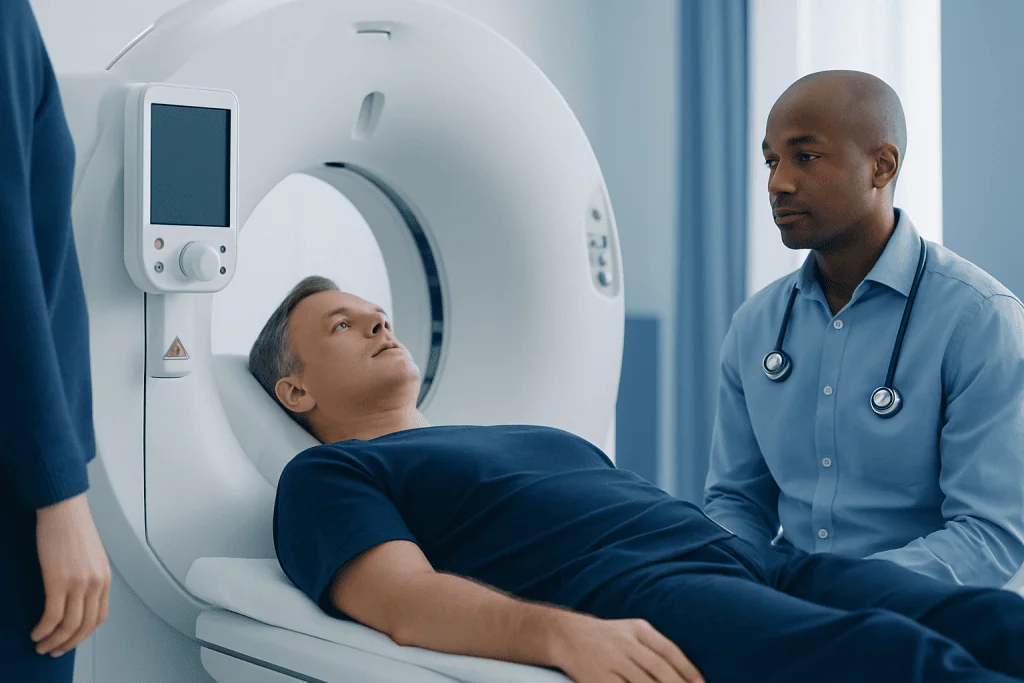
A vascular neurology visit may be recommended for people who have had a stroke, a suspected TIA, or repeated brief neurological symptoms. It may also be helpful for those with unusual findings on brain imaging, narrowed neck or brain arteries, or a history that suggests a higher risk of cerebrovascular disease.
The doctor will usually ask detailed questions about symptoms: what they felt like, when they started, how long they lasted, whether they came on suddenly or gradually, and whether they fully resolved. Sudden symptoms are especially important in stroke medicine. These may include facial drooping, arm or leg weakness, slurred speech, language difficulty, sudden vision loss or double vision, severe imbalance, or a sudden severe headache.
Not every episode turns out to be a stroke. Conditions such as migraine aura, seizures, fainting, medication effects, or nerve disorders can sometimes mimic stroke symptoms. The visit is designed to sort through these possibilities carefully and respectfully, without assuming the cause too quickly.
Patients who have already been diagnosed with stroke may also discuss current concerns such as fatigue, mood changes, memory problems, dizziness, difficulty walking, or lingering weakness. If needed, the specialist may coordinate care related to stroke recovery and longer-term prevention.
How to prepare for the first vascular neurology appointment

Preparation can help the specialist make the best use of the visit. If possible, patients should bring a list of all current medicines, including blood thinners, aspirin, vitamins, and herbal supplements. Copies of recent imaging reports, hospital discharge summaries, test results, and clinic notes are also useful, especially if care was received at different hospitals.
It often helps to write down a short timeline of symptoms. This can include when symptoms started, how long they lasted, whether emergency treatment was given, and whether there were triggers such as dehydration, infection, exercise, or missed medications. Family members or caregivers may provide details that are hard to remember, particularly if speech or memory were affected during the event.
Patients should also be ready to discuss personal health history. Important topics include high blood pressure, diabetes, high cholesterol, smoking, sleep apnea, heart rhythm problems such as atrial fibrillation, pregnancy-related complications, autoimmune disease, blood clotting disorders, and a family history of stroke or early cardiovascular disease.
Questions are welcome at this appointment. Many people want to ask what caused the event, whether it could happen again, which activities are safe, and whether driving, work, or travel should be limited. Writing these questions down ahead of time can make the conversation easier.
What happens during the evaluation
The appointment usually begins with a careful conversation about the event or symptoms. The specialist may ask about the exact time symptoms began, whether they resolved, and how quickly treatment was started. Timing matters in stroke care because it can help determine whether a symptom pattern fits a blocked blood vessel, bleeding, or another condition.
A focused neurological examination is then performed. This may include checks of speech, eye movements, facial strength, arm and leg power, sensation, balance, coordination, walking, and reflexes. The doctor may also measure blood pressure and review pulse rhythm, as cardiovascular health and brain blood flow are closely connected.
The specialist will review any previous tests. These may include CT or MRI scans of the brain, ultrasound of the neck arteries, CT angiography or MR angiography of the head and neck, echocardiography, electrocardiogram findings, and blood test results. If the picture remains incomplete, the doctor may recommend more advanced evaluation, such as neuroradiology imaging or extended heart rhythm monitoring.
At the end of the visit, the doctor typically explains the likely diagnosis, what remains uncertain, and which next steps are recommended. Some patients learn that the event was most consistent with a TIA. Others may be told that symptoms likely had another cause. When stroke or TIA is confirmed, the conversation usually shifts toward preventing another event and supporting recovery.
Common causes and risk factors the specialist looks for
One of the main goals of a stroke specialist evaluation is to identify the most likely cause of the event. Ischemic strokes happen when blood flow to part of the brain is blocked, often by a clot. Hemorrhagic strokes happen when a blood vessel bleeds into or around the brain. TIAs cause temporary symptoms from reduced blood flow but do not leave lasting injury on the brain in the same way a completed stroke can.
Common risk factors include high blood pressure, diabetes, high cholesterol, smoking, obesity, inactivity, and sleep apnea. Atrial fibrillation and other heart conditions are especially important because they can allow clots to form and travel to the brain. The specialist may also consider carotid artery disease, abnormalities in smaller brain vessels, inflammatory disorders, and uncommon causes such as arterial dissection or inherited clotting problems.
Age is an important factor, but stroke can occur in younger adults as well. In younger patients, the evaluation may look more closely at migraine with aura, autoimmune disease, heart defects, certain medications, pregnancy-related factors, or a history of neck injury. The exact workup depends on the symptom pattern, exam findings, imaging, and personal history.
When blood vessel narrowing is found, the doctor may explain whether it affects the carotid arteries in the neck or vessels inside the brain. In selected cases, further treatment planning may involve specialists in interventional neuroradiology or other vascular teams if a procedure is being considered.
Tests, diagnosis, and treatment planning
Diagnosis is based on the combination of history, examination, and testing. Brain imaging helps show whether there was an infarct, bleeding, or another explanation for symptoms. Blood vessel imaging can reveal narrowing, blockage, or vessel abnormalities. Heart testing looks for rhythm problems or structural issues that may raise stroke risk.
Additional tests may include blood work to assess cholesterol, blood sugar, clotting, inflammation, or other medical contributors. Some patients need prolonged heart monitoring because irregular rhythms do not always appear during a brief clinic electrocardiogram. Sleep apnea screening may also be discussed, as untreated sleep apnea can increase vascular risk.
Treatment planning depends on the cause. Some people benefit from antiplatelet medicine, while others need anticoagulation if the main issue is a heart rhythm disorder such as atrial fibrillation. Blood pressure control, cholesterol lowering, diabetes management, smoking cessation, nutrition changes, and regular physical activity are often central parts of prevention. If symptoms relate to vessel narrowing or another structural problem, the specialist may coordinate with teams offering stroke treatment or procedural care when appropriate.
For those recovering from a stroke, the plan may also include rehabilitation. Depending on symptoms, this can involve physical therapy, occupational therapy, speech-language therapy, cognitive support, or psychological care. The aim is not only to prevent another stroke, but also to improve day-to-day function and quality of life.
Prevention, self-care, and follow-up
Prevention after a stroke or TIA usually focuses on reducing modifiable risk factors. Patients are often encouraged to take prescribed medicines consistently, monitor blood pressure, attend follow-up visits, and keep other health conditions well managed. If smoking is present, stopping is one of the most effective steps for reducing future vascular risk.
Healthy daily habits matter. A balanced eating pattern, regular movement, maintaining a healthy weight, limiting excess alcohol, and good sleep can all support vascular health. Patients should ask the specialist what level of exercise is safe for them, especially if they are recovering from recent symptoms or have heart disease.
It is also important to learn the warning signs of stroke and to act quickly if they return. Even if symptoms last only a few minutes and improve, urgent medical evaluation is needed because a TIA can be a warning sign of a more serious event. Routine clinic follow-up is valuable, but it does not replace emergency care for sudden neurological symptoms.
Near the end of the care pathway, some patients may need coordinated support from neurology, cardiology, rehabilitation, and imaging specialists. Acibadem International’s multidisciplinary teams in JCI-accredited hospitals diagnose and treat stroke-related conditions for international patients when advanced evaluation and follow-up are needed.
When to seek urgent care instead of waiting for an appointment
A routine outpatient visit is not the right setting for new or sudden stroke symptoms. Emergency care is needed right away if someone develops sudden facial drooping, weakness or numbness on one side, trouble speaking or understanding language, sudden vision loss, severe dizziness with inability to walk, or a sudden severe headache unlike usual headaches.
Time matters because some stroke treatments are most effective when given very early. Even if symptoms improve before arrival at the hospital, the event still needs urgent assessment. Temporary symptoms can represent a TIA, and rapid treatment may reduce the chance of a more serious stroke.
Families and caregivers can help by noting the time the person was last known to be well and bringing a medication list if possible. They should not delay emergency evaluation by waiting to see if symptoms pass. If there is any doubt, it is safer to seek immediate medical attention.
After emergency treatment, a follow-up vascular neurology visit helps connect the hospital episode to a longer-term prevention plan. This outpatient care can answer lingering questions, review test results in detail, and guide the next phase of recovery and risk reduction.
Frequently asked questions
What is the difference between a neurologist and a vascular neurologist?
A neurologist treats many conditions that affect the brain, spinal cord, and nerves. A vascular neurologist is a neurologist with additional expertise in stroke, TIA, bleeding in the brain, and disorders of blood vessels that affect the nervous system. This specialist focuses especially on diagnosis, prevention, and long-term stroke care.
How long does a first stroke specialist evaluation usually take?
The first visit is often longer than a standard follow-up because it includes a detailed history, neurological examination, and review of prior tests. The exact length varies by clinic and by how complex the medical history is. Bringing records and a medication list can help the visit run more smoothly.
Will the doctor order more tests at the first appointment?
Possibly. If previous scans and records already provide clear answers, the specialist may focus mainly on treatment planning. If the cause is still uncertain, additional imaging, blood tests, heart studies, or rhythm monitoring may be recommended.
Should someone still see a stroke specialist if symptoms went away quickly?
Yes. Symptoms that fully resolve can still represent a transient ischemic attack, which may signal a higher risk of future stroke. A prompt specialist evaluation can help identify the cause and guide prevention.
What should a patient bring to the appointment?
Helpful items include a medication list, prior scan reports, hospital discharge papers, recent lab results, and a written timeline of symptoms. If possible, bringing a family member or caregiver can also be useful, especially if memory or communication has been affected.
Can a stroke specialist help even if the event happened months ago?
Yes. A vascular neurologist can still review the likely cause, assess current risk factors, and improve a long-term prevention plan. The specialist may also address recovery issues such as weakness, balance problems, speech difficulties, or cognitive changes.
References
- World Stroke Organization
- American Stroke Association
- National Institute of Neurological Disorders and Stroke
- Centers for Disease Control and Prevention
- National Health Service
This article is for general information only and is not a substitute for professional medical advice. Please consult a qualified doctor about your individual situation.
Vascular Neurology in Turkey — costs, top hospitals & a free quote
JCI-accredited · board-certified surgeons · reply within 24h
Add us as a Preferred Source to see more of our trusted health content across Google Search, AI Overviews and Discover.
Check your numbers in seconds
BMI, calories, due date, blood pressure and 30+ more clinical calculators — free, instant, doctor-reviewed ranges.