Travel-Related Brain Infections: Symptoms to Watch After Returning Home

New fever, severe headache, confusion, neck stiffness, seizures, or weakness after travel should be assessed urgently. Travel-related brain infections may be caused by viruses, bacteria, parasites, fungi, or mosquito-borne illnesses.
Key Takeaways
- New fever, severe headache, confusion, neck stiffness, seizures, or weakness after travel should be assessed urgently.
- Travel-related brain infections may be caused by viruses, bacteria, parasites, fungi, or mosquito-borne illnesses.
- Diagnosis often depends on travel history, timing of symptoms, blood tests, brain imaging, and sometimes spinal fluid testing.
- Prevention includes vaccines when recommended, mosquito bite protection, food and water safety, and prompt care after high-risk exposures.
- Not every post-travel headache is a brain infection, but neurological symptoms should never be ignored.
Travel-related brain infections are uncommon but important causes of fever, headache, confusion, seizures, or unusual sleepiness after returning home. Early recognition and prompt medical care can improve outcomes, especially when symptoms involve the brain, spinal cord, or protective tissues around them.
Overview
Travel-related brain infections are infections that affect the brain, the tissues covering the brain and spinal cord, or nearby nervous system structures after domestic or international travel. Doctors may use terms such as encephalitis, meningitis, meningoencephalitis, brain abscess, or neuroinvasive infection depending on which part of the nervous system is involved.
These illnesses are not common in most travelers, but they can become serious if diagnosis is delayed. Infections may develop during a trip, soon after returning home, or sometimes weeks later. Symptoms can range from mild headache and fever to confusion, seizures, difficulty speaking, weakness, or changes in behavior.
The cause often depends on where a person traveled, what activities they did, whether they had mosquito or tick bites, what food or water they consumed, and whether they had contact with animals or sick people. Because the possible causes are wide-ranging, the travel history is an important part of medical evaluation.
Many post-travel illnesses are not brain infections. Jet lag, dehydration, migraine, viral illnesses, medication effects, and other common conditions can also cause headache or fatigue. Still, any neurological warning sign after travel deserves prompt medical attention so the right tests and treatment can begin.
Symptoms to Watch After Returning Home
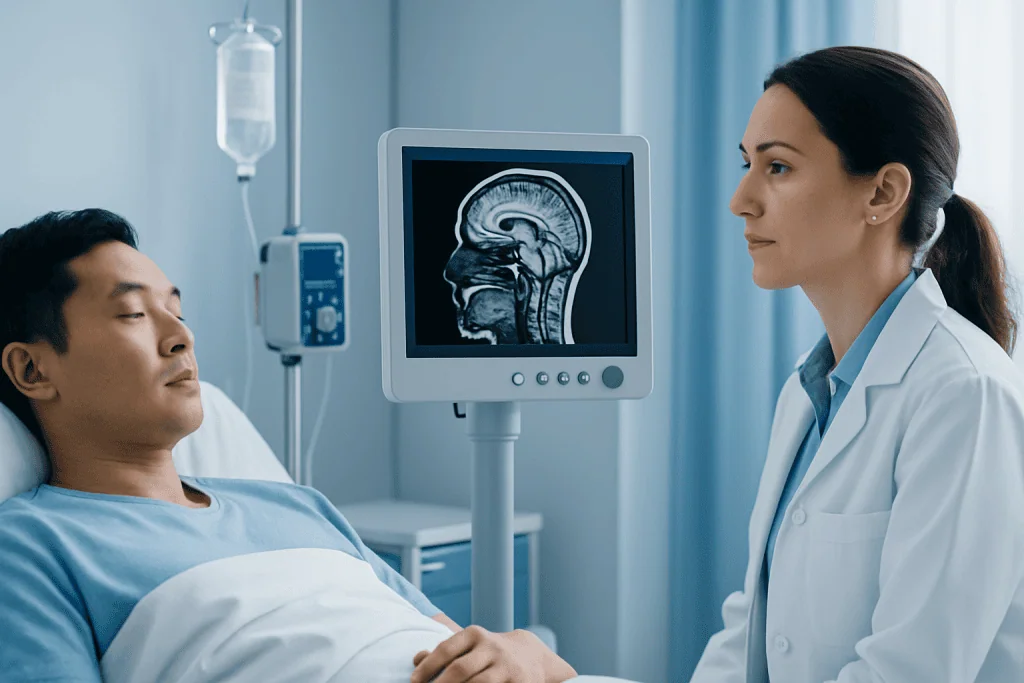
The most important symptoms are those suggesting the brain or its coverings may be inflamed or infected. These include fever with a severe or unusual headache, neck stiffness, confusion, increasing drowsiness, personality changes, seizures, fainting, trouble speaking, balance problems, weakness, numbness, or sensitivity to light. Some people also develop nausea, vomiting, or a rash.
Symptoms do not always appear all at once. A person may first notice fatigue, low-grade fever, body aches, or headache, and then develop worsening neurological symptoms over hours or days. In children, signs may include unusual irritability, poor feeding, repeated vomiting, lethargy, or a seizure. Older adults may present mainly with confusion or reduced alertness.
Timing matters. Illness that begins during travel or within a few days of return may suggest one group of infections, while symptoms starting weeks later may point to another. For example, mosquito-borne viral infections, certain bacterial meningitis cases, malaria-related brain involvement, and parasitic infections can each have different incubation periods.
- Fever with severe headache
- Confusion, disorientation, or unusual behavior
- Neck stiffness or pain with bright light
- Seizures or fainting
- Weakness, numbness, trouble walking, or speech changes
- Persistent vomiting or reduced alertness
Common Causes and Risk Factors

Travel-related brain infections can be caused by viruses, bacteria, parasites, and less commonly fungi. Viral causes may include mosquito-borne illnesses such as Japanese encephalitis, West Nile virus, dengue-related neurological complications, tick-borne encephalitis in some regions, rabies after animal exposure, and herpes viruses that can reactivate or present during travel. Bacterial causes may include meningococcal disease, pneumococcal meningitis, tuberculosis affecting the nervous system, or listeria in certain high-risk groups.
Parasitic infections are especially important in travel medicine. Malaria can sometimes involve the brain and cause confusion or seizures, particularly in severe falciparum infection. Depending on destination and exposure, doctors may also consider infections such as neurocysticercosis, amoebic infections, toxoplasmosis in immunocompromised travelers, or rare parasitic and fungal diseases.
Risk depends not only on destination but also on activities. Rural travel, camping, freshwater exposure, poor food or water hygiene, insect bites, animal contact, unvaccinated travel, and close contact in crowded settings can all increase risk. Long trips, humanitarian work, adventure travel, and visiting friends and relatives in endemic regions can sometimes carry higher exposure than standard tourism.
Personal health factors also matter. Infants, older adults, pregnant travelers, and people with weakened immune systems may be more vulnerable or may have less typical symptoms. Someone already living with a neurological condition may also need more careful assessment if new symptoms develop after travel.
How Doctors Diagnose Travel-Related Brain Infections
Diagnosis begins with a careful history. A doctor will ask where the person traveled, when symptoms started, whether vaccines or preventive medications were used, and whether there were mosquito bites, tick exposure, animal bites, freshwater swimming, raw food intake, or contact with ill people. Even details that seem minor can help narrow the list of possible infections.
A physical and neurological examination helps assess how urgently treatment is needed. Doctors may check temperature, blood pressure, level of alertness, neck stiffness, speech, strength, coordination, and reflexes. Blood tests can look for infection, inflammation, organ involvement, or parasites such as malaria. Depending on symptoms and destination, specific tests for viruses, bacteria, or parasites may be ordered.
Brain imaging may be needed to look for swelling, bleeding, abscess, or other causes of neurological symptoms. Depending on the situation, doctors may recommend MRI or CT imaging as part of urgent assessment. A lumbar puncture, also called a spinal tap, is often important for examining cerebrospinal fluid when meningitis or encephalitis is suspected.
Because some infections can worsen quickly, treatment may begin before every test result is back. In complex cases, infectious disease specialists, neurologists, emergency physicians, and intensive care teams may work together. This kind of coordinated evaluation is similar to how specialists investigate encephalitis and meningitis from many different causes.
Treatment Options
Treatment depends on the most likely cause, severity of symptoms, and the person’s overall health. Many patients with suspected brain infection need hospital care, especially if they are confused, dehydrated, unable to take medicines by mouth, or having seizures. Early treatment may include fluids, fever control, monitoring, and medicines started before the final diagnosis is confirmed.
If doctors suspect bacterial meningitis, antibiotics are usually given urgently because delay can increase the risk of complications. Antiviral treatment may be used when viral encephalitis such as herpes encephalitis is possible. If malaria is suspected after travel to an endemic region, urgent testing and treatment are essential because cerebral malaria is a medical emergency. Other causes may require antiparasitic, antifungal, anti-inflammatory, or supportive treatments.
Supportive care is a major part of treatment. Some people need seizure management, oxygen support, or treatment for brain swelling. Rehabilitation may be recommended after recovery if there are ongoing effects on memory, speech, balance, or strength. In selected situations, EEG may help evaluate seizures or altered awareness during treatment.
Near the end of evaluation and recovery, clear follow-up is important. Some infections resolve fully, while others may need repeat imaging, blood tests, or neurological review. For international patients, Acibadem International’s multidisciplinary specialists and JCI-accredited hospitals can evaluate and treat complex neuroinfectious conditions when travel-related neurological symptoms require coordinated care.
Prevention and Self-Care for Travelers
Prevention starts before the trip. Travelers should ideally speak with a qualified clinician or travel medicine specialist several weeks before departure, especially if going to rural areas, staying for a long period, or visiting places with mosquito-borne or vaccine-preventable diseases. Recommended vaccines vary by destination and itinerary and may include routine vaccines as well as specific travel vaccines.
Protection from mosquito and tick bites is one of the most effective ways to reduce risk. Measures include using insect repellent, wearing long sleeves and trousers when appropriate, sleeping in screened or air-conditioned rooms, and using bed nets where needed. Food and water precautions, hand hygiene, and avoiding unpasteurized or undercooked foods also lower the risk of some infections that can affect the nervous system.
Animal bites or scratches should never be ignored, even if they seem small. Immediate washing of the wound and urgent medical assessment are important because rabies prevention may be needed. Travelers should also avoid swimming or wading in unsafe freshwater in areas where parasitic infections are known to occur.
After returning home, self-care is limited to rest, hydration, and arranging medical review if symptoms are concerning. A person should not try to treat confusion, seizure-like activity, severe headache with fever, or progressive weakness at home. If symptoms are mild but persistent, it is still useful to mention recent travel during any medical appointment.
When to Seek Medical Care Urgently
Emergency care is needed if a returned traveler has confusion, a seizure, fainting, severe headache with fever, neck stiffness, weakness on one side, trouble speaking, or increasing drowsiness. These symptoms do not always mean a brain infection, but they can signal conditions that require fast treatment. It is safest not to wait for symptoms to pass on their own.
Urgent same-day medical review is also appropriate for fever with a new severe headache, a spreading rash, repeated vomiting, unusual sleepiness, or persistent neurological symptoms after travel. People who are pregnant, very young, older, or immunocompromised should have a lower threshold for evaluation.
When seeking care, it helps to bring a clear timeline of travel dates, destinations, vaccinations, preventive medications, insect bites, freshwater exposure, animal contact, and any foods or drinks that may have been risky. This information can speed diagnosis and guide testing.
Even if the final cause turns out to be something less serious, prompt assessment is worthwhile. Early recognition can help protect the brain and reduce the chance of complications from infections that are treatable when addressed in time.
Frequently asked questions
How soon can travel-related brain infections start after a trip?
Symptoms may begin during travel, within days of return, or sometimes weeks later depending on the infection. The timing can help doctors narrow possible causes, which is why exact travel dates are useful during evaluation.
Is every headache after travel a sign of a brain infection?
No. Many headaches after travel are related to dehydration, lack of sleep, stress, migraine, or common viral illnesses. However, a headache with fever, confusion, neck stiffness, vomiting, seizure, or weakness needs urgent medical attention.
Which travel exposures make brain infections more likely?
Higher-risk exposures can include mosquito or tick bites, animal bites, unsafe food or water, freshwater exposure, and travel to areas where certain infections are more common. Risk also depends on trip length, vaccination status, and a person’s general health.
What tests are usually needed?
Doctors may use blood tests, malaria testing when relevant, brain imaging, and sometimes a lumbar puncture to examine spinal fluid. The exact tests depend on symptoms, travel history, and how urgently dangerous causes need to be ruled out.
Can travel-related brain infections be treated?
Many can be treated, especially when recognized early. Treatment may include antibiotics, antiviral medicines, antiparasitic medicines, and supportive hospital care depending on the cause.
Can these infections be prevented before travel?
Often, yes. Prevention may include destination-specific vaccines, insect bite protection, safe food and water habits, and prompt care after animal bites or other concerning exposures. A pre-travel medical visit is especially helpful for long trips or travel to rural or endemic areas.
References
- World Health Organization
- Centers for Disease Control and Prevention
- National Institute of Neurological Disorders and Stroke
- European Centre for Disease Prevention and Control
- Infectious Diseases Society of America
This article is for general information only and is not a substitute for professional medical advice. Please consult a qualified doctor about your individual situation.
Joint and spine care in Turkey — expert assessment & treatment
JCI-accredited · board-certified surgeons · reply within 24h
Add us as a Preferred Source to see more of our trusted health content across Google Search, AI Overviews and Discover.