Aseptic Meningitis: Causes, Symptoms, and How It Differs From Bacterial Meningitis

Aseptic meningitis is most commonly caused by viruses, but medicines, autoimmune conditions, and other infections can also trigger it. Symptoms often include headache, fever, neck stiffness, light sensitivity, nausea, and tiredness.
Key Takeaways
- Aseptic meningitis is most commonly caused by viruses, but medicines, autoimmune conditions, and other infections can also trigger it.
- Symptoms often include headache, fever, neck stiffness, light sensitivity, nausea, and tiredness.
- It can look similar to bacterial meningitis at first, so urgent medical assessment is needed.
- Diagnosis usually involves a physical exam, blood tests, and a lumbar puncture to examine cerebrospinal fluid.
- Treatment depends on the cause and may include rest, fluids, pain relief, and sometimes antiviral or other targeted therapy.
- Most people recover well, but follow-up is important if symptoms are severe, persistent, or unusual.
Aseptic meningitis is inflammation of the meninges, the protective layers around the brain and spinal cord, that is not caused by typical bacterial infection. It is often related to viruses and may improve with supportive care, but prompt medical evaluation is important because its symptoms can resemble bacterial meningitis.
Overview
Aseptic meningitis is inflammation of the meninges, the thin membranes that cover the brain and spinal cord, when standard bacterial cultures do not show the usual bacteria that cause meningitis. In many cases, the cause is viral, which is why aseptic meningitis is often discussed alongside viral meningitis. However, the term can also include meningitis related to certain medications, autoimmune diseases, fungi, parasites, or other less common causes.
This condition can affect children and adults. Symptoms may begin suddenly or develop over a short period of time, and they often overlap with other illnesses that cause fever and headache. Because bacterial meningitis can become serious quickly, doctors usually treat suspected meningitis as urgent until testing helps clarify the cause.
Many people with aseptic meningitis recover fully, especially when the cause is a self-limited viral infection. Even so, the illness should not be dismissed as minor. Careful evaluation helps confirm the diagnosis, relieve symptoms, and identify the less common cases that need more specific treatment.
Symptoms
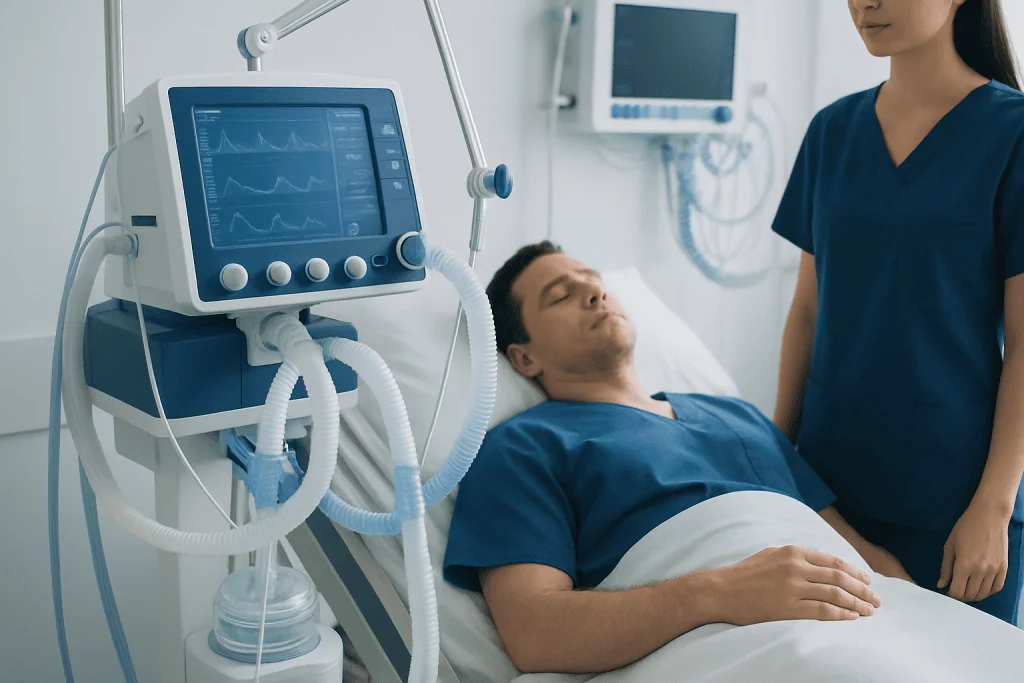
The symptoms of aseptic meningitis can vary by age, cause, and overall health, but the most common features are headache, fever, and neck stiffness. Some people also feel unusually tired, irritable, or generally unwell. Light sensitivity, nausea, vomiting, and muscle aches are also common.
Adults and older children may describe a severe headache that feels different from an ordinary headache. They may have difficulty bending the neck forward, feel dizzy, or prefer a dark, quiet room because of sensitivity to light or sound. Concentration may be reduced, and some people feel confused or slowed down, especially if the illness is more intense.
Infants and very young children may not show the classic signs. Instead, they may be sleepy, feed poorly, cry more than usual, seem difficult to comfort, or develop a fever. Because symptoms can be less specific in babies and young children, medical evaluation is especially important.
- Headache
- Fever
- Neck stiffness
- Sensitivity to light
- Nausea or vomiting
- Fatigue or sleepiness
- Body aches
- Irritability, especially in children
Causes and Risk Factors

Viruses are the most common cause of aseptic meningitis. Enteroviruses are frequent triggers, especially in children and during seasons when viral infections circulate more widely. Other viruses, such as herpes viruses, mumps, influenza, and some mosquito-borne viruses, may also cause inflammation of the meninges.
Not all aseptic meningitis is viral. In some cases, it can be linked to medications that irritate the meninges or trigger an inflammatory reaction. It may also occur in people with autoimmune conditions such as lupus, or less commonly with fungal, parasitic, or partially treated bacterial infections. In these situations, the spinal fluid may not initially show the pattern expected in typical bacterial meningitis.
Risk factors depend on the underlying cause. Exposure to someone with a viral illness, weakened immune defenses, certain chronic illnesses, recent infections, and some medicines can all increase risk. Travel, insect exposure, and incomplete vaccination history may also matter in selected cases, depending on the suspected infection.
Doctors also consider related conditions that can involve the brain and nervous system, such as encephalitis, because symptoms can overlap. Identifying the exact cause is important, since treatment and follow-up can differ significantly from one person to another.
How It Differs From Bacterial Meningitis
Aseptic meningitis and bacterial meningitis can begin with similar symptoms, including fever, headache, neck stiffness, vomiting, and sensitivity to light. This is why doctors do not rely on symptoms alone to tell them apart. Early assessment is essential because bacterial meningitis can progress rapidly and may require urgent antibiotics.
In general, aseptic meningitis is more often caused by viruses or nonbacterial inflammation and may have a milder course, though this is not always true. Bacterial meningitis is usually caused by bacteria invading the protective layers around the brain and spinal cord and tends to carry a higher risk of serious complications if treatment is delayed. The person’s age, immune status, and the specific organism all affect severity.
The clearest difference usually comes from diagnostic testing, especially analysis of cerebrospinal fluid obtained by lumbar puncture. Doctors look at cell counts, protein and glucose levels, and microbiology tests to help determine whether bacteria, viruses, or another process is responsible. While waiting for results, some patients may receive immediate treatment aimed at bacterial meningitis if that possibility cannot be safely excluded.
In short, aseptic meningitis is defined mainly by what testing does not show: the usual bacterial cause. But because the early picture can be very similar, any suspected meningitis deserves prompt medical care rather than watchful waiting at home.
Diagnosis
Diagnosis begins with a medical history and physical examination. The clinician asks about fever, headache, neck pain, rash, recent illness, travel, medication use, immune conditions, and contact with others who are sick. The examination may include checks for neck stiffness, alertness, and other neurological signs.
Blood tests are often used to look for infection or inflammation. A lumbar puncture, also called a spinal tap, is one of the most important tests because it allows doctors to study cerebrospinal fluid directly. This fluid can be checked for white blood cells, protein, glucose, and evidence of bacteria or viruses through culture and molecular testing.
In some people, brain imaging may be needed before or alongside lumbar puncture, especially if there are concerns about increased pressure, seizures, a weakened immune system, or focal neurological symptoms. Imaging does not diagnose meningitis by itself, but it can help guide safe evaluation and rule out other problems. Depending on the presentation, doctors may also use MRI imaging or CT scan as part of the assessment.
Because the cause is not always obvious at the start, diagnosis may continue over time as test results return. This step-by-step process helps doctors decide whether the illness is most consistent with a viral infection, a medication reaction, an autoimmune condition, or another less common source of meningeal inflammation.
Treatment Options
Treatment depends on the cause, the person’s age, symptom severity, and overall health. Many cases of viral aseptic meningitis improve with supportive care, which may include rest, adequate fluids, treatment for fever, and medicines to reduce pain and discomfort. Hospital care may be recommended if symptoms are significant, dehydration is a concern, or the diagnosis is still uncertain.
Because bacterial meningitis cannot always be ruled out immediately, doctors may start antibiotics at first until test results provide more clarity. If a herpes virus infection is suspected, antiviral treatment may also be considered. When aseptic meningitis is related to a medication, stopping the trigger under medical guidance is important. If an autoimmune disorder is involved, treatment may focus on controlling inflammation.
Some patients need closer monitoring for complications such as persistent vomiting, worsening drowsiness, seizures, or severe dehydration. In more complex cases, care may involve specialists in infectious diseases, neurology, and internal medicine. If the illness is associated with broader brain inflammation or other neurological concerns, further evaluation may include neurology care.
Recovery time varies. Some people feel much better within days, while others need several weeks for headaches, tiredness, or concentration difficulties to fully settle. Gentle return to work, school, and daily activities is usually advised based on symptoms and medical guidance.
Prevention and Self-Care
Prevention depends in part on the underlying cause, but general infection-control measures are helpful. Regular handwashing, avoiding close contact when someone is ill, covering coughs and sneezes, and keeping frequently touched surfaces clean can lower the spread of many viral infections. Vaccination also plays an important role in reducing some infections that can lead to meningitis.
People should take medicines only as prescribed and tell their doctor about any previous drug reactions. Those with autoimmune conditions or weakened immune systems may need tailored advice to reduce infection risks. Travelers or people spending time outdoors in areas with insect-borne diseases may benefit from region-specific prevention measures such as insect protection.
At home, self-care focuses on comfort and recovery after a doctor has assessed the condition. Rest, fluids, and avoiding overstimulation may help during the acute phase. Headaches and fatigue can linger for a while, so a gradual return to normal routines is often more comfortable than trying to do too much too soon.
Near the end of recovery, some people still have questions about whether symptoms are improving as expected. Multidisciplinary specialists at Acibadem International, in JCI-accredited hospitals, diagnose and treat neurological and infectious conditions for international patients when further evaluation is needed.
When to See a Doctor
Anyone with possible meningitis symptoms should seek prompt medical evaluation. A severe headache with fever, neck stiffness, vomiting, confusion, extreme sleepiness, or sensitivity to light should not be ignored. These symptoms do not always mean bacterial meningitis, but they do require urgent assessment.
Emergency care is especially important if there is a seizure, difficulty waking the person, breathing problems, a new rash, weakness, severe confusion, or rapid worsening. Babies, older adults, pregnant people, and those with weakened immune systems should be assessed without delay if meningitis is suspected.
Follow-up is also important after diagnosis, particularly if headaches continue, concentration is slow to return, or new neurological symptoms appear. Even when the overall outlook is good, review by a qualified doctor helps ensure recovery is progressing normally and that no further testing or treatment is needed.
Frequently asked questions
Is aseptic meningitis the same as viral meningitis?
Not exactly. Viral meningitis is the most common type of aseptic meningitis, but aseptic meningitis can also be caused by medicines, autoimmune diseases, fungi, parasites, or other nonbacterial processes. The term "aseptic" means typical bacterial cultures do not identify the usual bacterial cause.
Is aseptic meningitis contagious?
Aseptic meningitis itself is not always contagious, because contagiousness depends on the underlying cause. If a virus is responsible, that virus may spread from person to person, although not everyone who catches the virus will develop meningitis. Good hand hygiene and avoiding close contact when ill can help reduce spread.
Can aseptic meningitis be serious?
Yes, it can be serious, even though many cases are milder than bacterial meningitis. Symptoms can overlap with more dangerous forms of meningitis, and some nonbacterial causes also need specific treatment. That is why prompt medical evaluation is important.
How long does recovery usually take?
Recovery varies depending on the cause and the person's general health. Some people improve within several days, while others continue to have headaches or fatigue for a few weeks. A doctor can advise when it is safe to return to work, school, or exercise.
How do doctors confirm aseptic meningitis?
Doctors usually combine symptoms, physical examination, blood tests, and cerebrospinal fluid testing from a lumbar puncture. The spinal fluid helps show whether the pattern is more consistent with viral, bacterial, or another type of inflammation. Imaging may also be used in selected cases.
Do all patients with aseptic meningitis need antibiotics?
Not always. Once doctors are confident the cause is not bacterial, antibiotics may not be needed. However, antibiotics are sometimes started at first because bacterial meningitis must be treated quickly if it is suspected.
References
- World Health Organization
- Centers for Disease Control and Prevention
- National Institute of Neurological Disorders and Stroke
- Merck Manual Professional Edition
- American Academy of Neurology
This article is for general information only and is not a substitute for professional medical advice. Please consult a qualified doctor about your individual situation.
Meningitis in Turkey — costs, top hospitals & a free quote
JCI-accredited · board-certified surgeons · reply within 24h
Add us as a Preferred Source to see more of our trusted health content across Google Search, AI Overviews and Discover.

More from the Health Library



Related Specialists
Dr. Olcayto İncedere
Cardiology
Assoc. Prof. Dr. Bahar Temur
Cardiovascular Surgery
Assoc. Prof. Dr. Aylin Altan Kuş
Gastrointestinal Oncology Unit Clinical Service
Prof. Dr. Nihat Yavuz
General Surgery