Brain Doctor Called What? A Patient Guide to Neurologists and Related Specialists

The doctor most people mean by a “brain doctor” is usually a neurologist. Neurologists diagnose and treat conditions affecting the brain, spinal cord, nerves, and muscles.
Key Takeaways
- The doctor most people mean by a “brain doctor” is usually a neurologist.
- Neurologists diagnose and treat conditions affecting the brain, spinal cord, nerves, and muscles.
- Some brain conditions are treated by other specialists, including neurosurgeons and vascular neurologists.
- The right specialist depends on symptoms such as headaches, weakness, seizures, memory changes, or stroke warning signs.
- Urgent symptoms like sudden one-sided weakness, trouble speaking, or a seizure need prompt medical attention.
A “brain doctor” is most often a neurologist, a physician who diagnoses and treats disorders of the brain, spinal cord, nerves, and muscles. Depending on symptoms and the condition involved, care may also come from a neurosurgeon, stroke specialist, neuroradiologist, or other highly trained specialists.
Overview: What Is a Brain Doctor?
When people ask, “brain doctor called what,” the answer is usually neurologist. A neurologist is a medical doctor who specializes in the nervous system, including the brain, spinal cord, peripheral nerves, and muscles. These doctors evaluate symptoms, identify possible causes, and guide treatment for many neurological conditions.
However, “brain doctor” is a broad, everyday phrase rather than a formal job title. Several different specialists may care for problems involving the brain. Which one is most appropriate depends on whether the issue is related to blood vessels, surgery, imaging, childhood development, sleep, movement, memory, or another aspect of brain health.
For example, a person with migraines may see a neurologist, while someone with a brain tumor may need both a neurologist and a neurosurgeon. A person with sudden stroke symptoms may be treated by a vascular neurologist or stroke specialist, sometimes together with an interventional team. In this way, brain care is often multidisciplinary.
Understanding these roles can help patients choose the right appointment, ask clearer questions, and feel more confident about the next step. It can also reduce confusion when a primary care doctor recommends referral to a specialist with a less familiar title.
Which Specialist Does What?
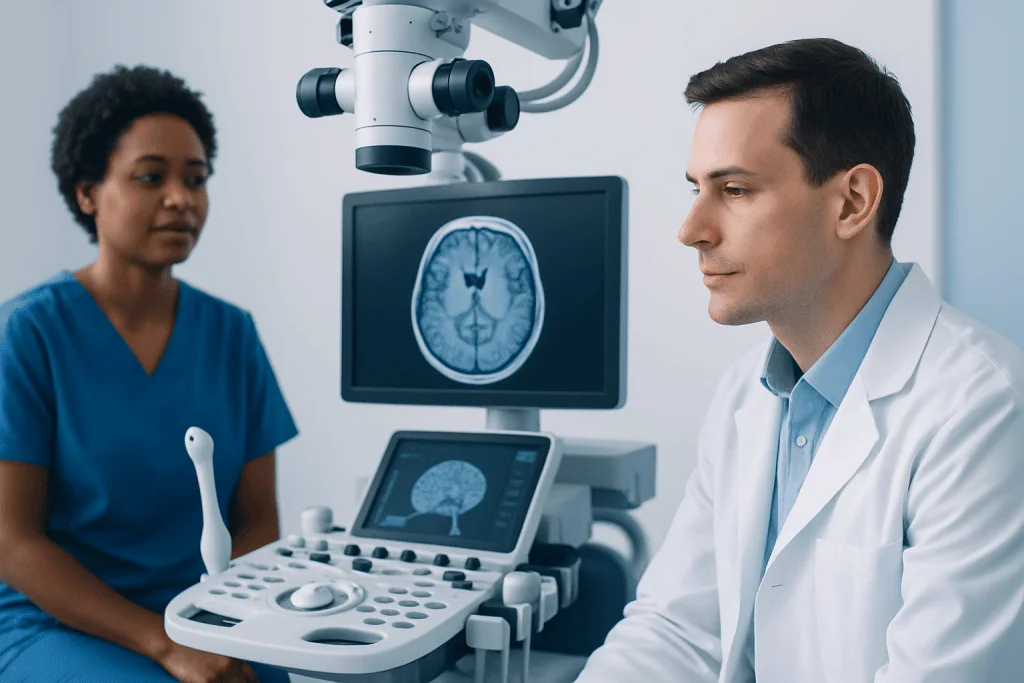
A neurologist diagnoses and treats disorders of the nervous system using medical, not surgical, approaches. Common reasons to see a neurologist include headaches, migraines, seizures, fainting, dizziness, numbness, tingling, weakness, tremors, memory concerns, and balance problems. Neurologists also care for conditions such as epilepsy, multiple sclerosis, neuropathy, Parkinson’s disease, and dementia.
A neurosurgeon is a surgeon trained to operate on the brain, spine, and nervous system when needed. Surgery may be part of treatment for certain brain tumors, bleeding in or around the brain, some movement disorders, spinal compression, or selected cases of epilepsy. Even when surgery is not necessary, a neurosurgeon may help assess whether a structural problem is contributing to symptoms.
A vascular neurologist, often called a stroke specialist, focuses on conditions that affect blood flow to the brain. This includes stroke, transient ischemic attack (TIA), bleeding in the brain, and strategies to reduce future stroke risk. Some patients may also be evaluated by interventional specialists who perform procedures to open blocked vessels or treat certain vascular abnormalities.
Other experts may also be involved. These can include neuroradiologists who interpret brain imaging, neuropsychologists who assess thinking and memory, pediatric neurologists for children, and specialists in sleep, movement disorders, headaches, or neuromuscular disease. In some cases, care overlaps with stroke, brain tumors, or epilepsy, which may require coordinated expertise.
Symptoms That May Need a Brain Specialist

Symptoms linked to the brain or nervous system can vary widely. Many are not dangerous, but they should still be properly assessed if they are new, persistent, worsening, or interfering with daily life. A neurologist is often the right starting point for unexplained neurological symptoms.
Common reasons people are referred to a brain specialist include:
- Frequent or severe headaches, including migraines
- Seizures or unexplained loss of consciousness
- Numbness, tingling, or weakness in the face, arm, or leg
- Tremor, stiffness, slowed movement, or balance problems
- Memory loss, confusion, or changes in concentration
- Dizziness, vertigo, or coordination difficulty
- Vision changes linked to the nervous system
- Chronic nerve pain or muscle weakness
Some symptoms require urgent attention rather than a routine clinic visit. Sudden trouble speaking, facial drooping, one-sided weakness, severe confusion, a sudden “worst headache,” or a first seizure should be treated as emergencies. These can be warning signs of stroke, bleeding, infection, or another acute brain problem.
It is also important to remember that brain-related symptoms do not always come from the brain itself. They may be caused by inner ear conditions, metabolic disturbances, medication side effects, sleep disorders, vitamin deficiencies, or heart and circulation issues. Part of the specialist’s role is to determine where the problem is coming from.
How Doctors Decide Which Brain Specialist You Need
The right referral usually depends on the pattern of symptoms, how quickly they appeared, the patient’s age, and whether there is concern for a structural, electrical, vascular, or degenerative problem. Primary care doctors, emergency physicians, and internists often help guide this first step.
For headaches, seizures, tremor, neuropathy, and memory concerns, a general neurologist is commonly the first specialist seen. If a more specific diagnosis is found, the patient may then be referred to a subspecialist, such as a headache specialist, movement disorder neurologist, or neuroimmunologist. This helps match expertise to the condition while keeping care organized.
If symptoms suggest a problem needing a procedure or operation, a neurosurgeon may become involved. If symptoms point to reduced or blocked blood flow in the brain, a vascular neurologist may lead care. Imaging experts, rehabilitation physicians, physical therapists, speech therapists, and psychologists may also contribute to recovery and long-term management.
Patients do not need to know every specialty title before seeking help. In most cases, the best first step is to describe the symptoms clearly, note when they began, list medications, and share any family history. From there, the healthcare team can direct care appropriately.
How a Neurologist or Brain Specialist Makes a Diagnosis
Diagnosis begins with a detailed medical history and neurological examination. The doctor asks about the timing of symptoms, what makes them better or worse, past illnesses, medications, sleep habits, and family history. The examination may assess strength, sensation, reflexes, coordination, speech, balance, eye movements, and memory.
Depending on the findings, the doctor may recommend tests. Brain imaging such as MRI or CT can help identify stroke, bleeding, tumors, inflammation, or structural changes. In some cases, patients may need MRI imaging or CT scanning to clarify the cause of symptoms and guide treatment decisions.
Other tests can include EEG for seizures, EMG and nerve conduction studies for nerve or muscle disorders, blood tests for infections or metabolic causes, and cognitive testing for memory concerns. If blood vessel disease is suspected, vascular imaging may also be used. The aim is to build a clear picture rather than rely on symptoms alone.
Diagnosis can take time, especially when symptoms are intermittent or overlap with several possible conditions. Follow-up visits are often important. Patients can help by keeping a symptom diary, bringing previous test results, and writing down questions in advance.
Treatment Options and Ongoing Care
Treatment depends entirely on the diagnosis. Many neurological problems are managed with medications, lifestyle changes, rehabilitation, and monitoring. Others may require urgent treatment, procedures, or surgery. The goal is to reduce symptoms, protect brain function, and improve quality of life whenever possible.
For example, headaches may be treated with trigger management and preventive or relief medicines, while epilepsy may require anti-seizure medication and regular follow-up. Stroke care may involve emergency treatment, rehabilitation, and prevention of future events. In selected cases, advanced therapies such as brain surgery or stroke treatment are part of care.
Rehabilitation is often a key part of treatment for neurological conditions. Physical therapy, occupational therapy, speech therapy, and cognitive support can help restore function and independence after stroke, injury, or progressive neurological illness. Mental health support can also be valuable, since chronic neurological symptoms can affect mood, sleep, and daily confidence.
Near the end of the care journey, some patients and families may seek an expert second opinion or coordinated international care. Acibadem International’s multidisciplinary specialists and JCI-accredited hospitals diagnose and treat neurological conditions for international patients, with care tailored to the individual diagnosis and needs.
Prevention, Self-Care, and Preparing for an Appointment
Not every neurological condition can be prevented, but healthy habits support overall brain and vascular health. Managing blood pressure, blood sugar, and cholesterol, avoiding tobacco, getting regular physical activity, sleeping well, and eating a balanced diet may lower the risk of stroke and some other neurological complications. Limiting excess alcohol and following medication instructions also matters.
People with migraines, seizures, dizziness, or other recurring symptoms may benefit from tracking patterns. Useful details include when symptoms occur, how long they last, possible triggers, associated symptoms, and whether treatments helped. This information can make appointments more productive and improve diagnosis.
Before seeing a neurologist or other specialist, patients should bring a list of medications, supplements, allergies, previous test reports, and details of family history if known. It may also help to bring a companion, especially for memory concerns or if symptoms are episodic and hard to describe. Clear communication supports safer and more personalized care.
Self-care should not replace medical evaluation when symptoms are severe, sudden, or persistent. New neurological symptoms deserve professional assessment, particularly if they interfere with work, driving, balance, speech, or independent daily activities.
When to See a Doctor Urgently
Some neurological symptoms should never be ignored. Emergency evaluation is important for sudden weakness or numbness on one side, trouble speaking, sudden vision loss, severe confusion, loss of balance, or a sudden severe headache unlike previous headaches. These can be signs of stroke or another urgent brain condition.
A first seizure, repeated seizures, head injury followed by confusion, fever with stiff neck, or sudden changes in consciousness also need prompt medical attention. Fast assessment can improve treatment options and reduce the risk of complications. Patients should not wait for symptoms to “see if they pass” when warning signs are significant.
Even non-emergency symptoms deserve medical review if they are getting worse, happening more often, or affecting daily life. Examples include persistent migraines, recurrent fainting, numbness that spreads, tremor that interferes with writing or eating, or memory changes noticed by family members.
If there is any uncertainty about the seriousness of symptoms, it is safest to contact a qualified healthcare professional. Emergency services are appropriate for sudden or severe neurological changes, while routine but persistent symptoms can usually begin with a primary care doctor or neurologist.
Frequently asked questions
What is the proper name for a brain doctor?
The most common medical specialist people mean is a neurologist. A neurologist diagnoses and treats disorders of the brain, spinal cord, nerves, and muscles. In some situations, care may instead involve a neurosurgeon or stroke specialist.
What is the difference between a neurologist and a neurosurgeon?
A neurologist treats neurological conditions mainly with non-surgical methods such as assessment, medication, and long-term management. A neurosurgeon is trained to perform operations on the brain, spine, and nervous system when surgery is needed. Some patients are seen by both specialists as part of the same care plan.
When should someone see a neurologist?
A neurologist may be helpful for symptoms such as seizures, frequent headaches, dizziness, weakness, numbness, tremor, memory changes, or balance problems. A referral is also common when symptoms are unexplained or continue despite initial treatment. Sudden or severe symptoms should be assessed urgently.
Is a stroke doctor different from a regular neurologist?
Yes. A stroke doctor is often a vascular neurologist, a neurologist with focused expertise in stroke and blood vessel problems affecting the brain. They often work in emergency and hospital settings and also help prevent future strokes.
Do all brain problems need surgery?
No. Many brain and nerve conditions are treated without surgery using medication, monitoring, rehabilitation, and lifestyle measures. Surgery is considered only for certain conditions, such as some tumors, bleeding, pressure-related problems, or selected seizure disorders.
Can a primary care doctor diagnose brain-related symptoms first?
Often, yes. A primary care doctor can assess common symptoms, rule out some non-neurological causes, order initial tests, and decide whether referral is needed. This can be a useful first step for non-emergency concerns.
References
- World Health Organization
- American Academy of Neurology
- National Institute of Neurological Disorders and Stroke
- Centers for Disease Control and Prevention
- National Health Service
This article is for general information only and is not a substitute for professional medical advice. Please consult a qualified doctor about your individual situation.
Joint and spine care in Turkey — expert assessment & treatment
JCI-accredited · board-certified surgeons · reply within 24h
Add us as a Preferred Source to see more of our trusted health content across Google Search, AI Overviews and Discover.

More from the Health Library



Related Specialists

Prof. Dr. Korhan Özkan
Orthopedic Surgery & Traumatology
Dr. Hafsa Hicret Bülbül Göktaş
Neurology
Dr. Abdullah Derin
Internal Medicine
Dr. Deniz Usal
Gynecology & Obstetrics