

Gut-Brain Disorders: Symptoms That May Need a Neurogastroenterology Evaluation

Gut-brain disorders involve altered communication between the gut, brain, and nerves. Symptoms may include abdominal pain, bloating, constipation, diarrhea, nausea, or early fullness.
Key Takeaways
- Gut-brain disorders involve altered communication between the gut, brain, and nerves.
- Symptoms may include abdominal pain, bloating, constipation, diarrhea, nausea, or early fullness.
- Diagnosis often relies on a detailed history, symptom pattern, and selective testing to rule out other conditions.
- Treatment is individualized and may combine diet changes, medicines, stress management, and behavioral therapies.
- Medical review is important if symptoms are severe, worsening, or accompanied by warning signs such as weight loss or bleeding.
Gut-brain disorders are conditions in which communication between the digestive system and the nervous system does not work as it should. A neurogastroenterology evaluation may be helpful when digestive symptoms are persistent, unexplained, or affecting daily life despite routine care.
Overview of Gut-Brain Disorders
Gut-brain disorders, also called disorders of gut-brain interaction, are conditions in which the digestive tract and the nervous system do not coordinate normally. This does not mean symptoms are “imagined” or purely emotional. Rather, the signals between the gut, brain, and the nerves that control digestion may become more sensitive, less organized, or out of balance.
The digestive system has its own complex nerve network, often called the enteric nervous system. It works closely with the brain and spinal cord to regulate movement of food, sensitivity to stretching, nausea, bowel habits, and even appetite. When this communication changes, a person may develop symptoms without a structural problem that is easily seen on a routine scan or endoscopy.
Common examples include irritable bowel syndrome, functional dyspepsia, chronic nausea, and some forms of constipation or diarrhea. In some people, symptoms follow an infection, surgery, a stressful period, or long-standing digestive inflammation. In others, no single trigger is found. A neurogastroenterology evaluation focuses on understanding these symptom patterns and how the gut and nervous system may be contributing.
Symptoms That May Suggest a Neurogastroenterology Problem
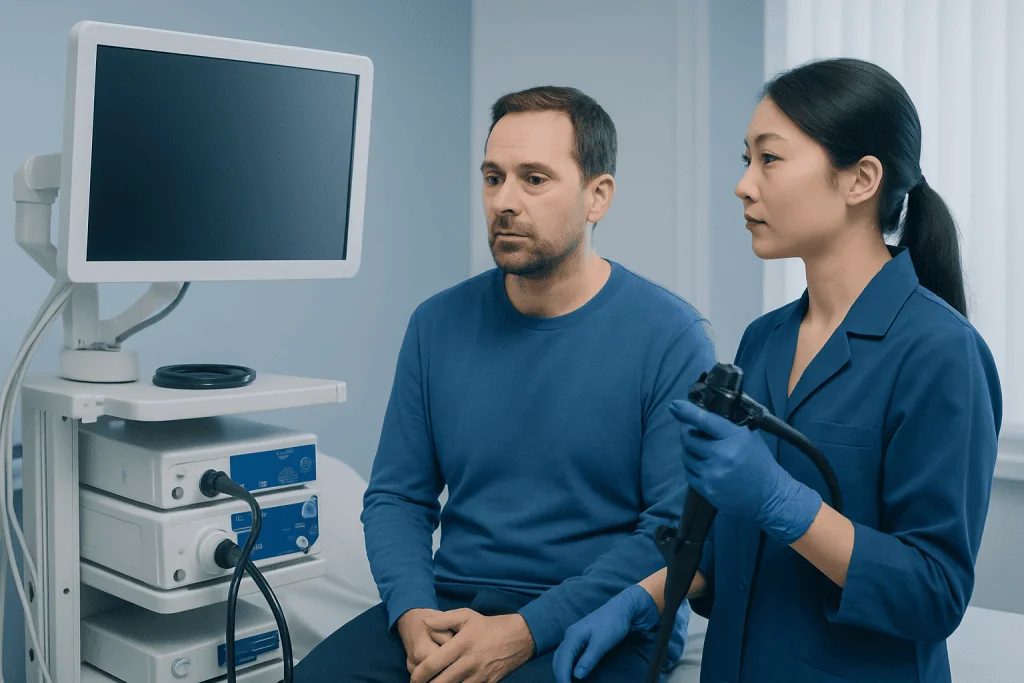
Symptoms of gut-brain disorders can vary widely. Some people mainly notice pain or cramping, while others experience changes in bowel habits, bloating, nausea, or a feeling of fullness after eating only a small amount. Symptoms often come and go, but they may also become chronic and interfere with work, sleep, meals, travel, or social activities.
A neurogastroenterology assessment may be considered when symptoms continue despite standard treatment, when test results are normal but symptoms remain significant, or when there seems to be a mismatch between symptom severity and routine findings. This kind of evaluation is especially useful when digestive symptoms are complex, involve abnormal motility, or suggest altered gut sensitivity.
Symptoms that may prompt further evaluation include:
- Recurring abdominal pain or discomfort
- Bloating or visible abdominal distension
- Constipation, diarrhea, or alternating bowel habits
- Nausea, vomiting, or chronic queasiness
- Early satiety or feeling overly full after small meals
- Difficulty swallowing or a sensation that food moves slowly
- Heartburn or regurgitation that does not fully respond to usual treatment
- A sensation of incomplete bowel emptying
These symptoms can overlap with other digestive diseases, which is why careful medical assessment matters. In some cases, symptoms may relate to gastroesophageal reflux disease or irritable bowel syndrome, while in others they may reflect a motility disorder or altered gut sensitivity.
Causes and Risk Factors

There is rarely a single cause of gut-brain disorders. Most develop through a combination of factors affecting nerve signaling, gut movement, sensitivity, immune activity, and the intestinal microbiome. Some people have a digestive tract that becomes overly sensitive to normal stretching or gas. Others have delayed or disorganized movement of food through the stomach or intestines.
Triggers can include a prior stomach or intestinal infection, food poisoning, abdominal surgery, certain medications, long-term stress, poor sleep, or a history of anxiety or depression. Emotional health does not create the disorder on its own, but stress can affect how the gut moves and how strongly symptoms are felt. This is one reason why symptom flares often happen during stressful periods.
Risk factors may also include autonomic nervous system dysfunction, diabetes-related nerve problems, connective tissue disorders, and some neurological conditions. In some patients, symptoms arise with pelvic floor dysfunction or after repeated inflammation. A family history of digestive sensitivity can also play a role, although these conditions are not inherited in a simple way.
Because several mechanisms may be involved at the same time, two people with similar symptoms may need different treatment approaches. Neurogastroenterology aims to identify these contributing patterns rather than viewing every digestive complaint as the same condition.
How Diagnosis Is Made
Diagnosis starts with a detailed conversation about symptoms, timing, triggers, diet, medications, and the effect on daily life. The clinician will often ask when symptoms began, whether they follow meals, what bowel habits are like, and whether there are associated features such as weight loss, bleeding, fever, or nighttime symptoms. A physical examination and review of prior tests are also important.
In many people, the first step is to rule out other medical conditions that can mimic gut-brain disorders. Depending on the situation, this may include blood tests, stool tests, endoscopy, colonoscopy, or imaging. Not everyone needs all of these tests. The goal is to use testing thoughtfully, based on age, symptom pattern, and any warning signs.
When motility or nerve-related digestive dysfunction is suspected, specialized testing may be recommended. This can include esophageal function testing, gastric emptying studies, breath testing, anorectal function testing, or other assessments of how the digestive tract moves and senses food. In selected cases, doctors may also use endoscopy or colonoscopy to exclude structural disease before focusing on a gut-brain diagnosis.
Importantly, a diagnosis of a gut-brain disorder is not simply a diagnosis of exclusion. Many of these conditions are diagnosed using established symptom-based criteria together with targeted evaluation. A clear explanation of the diagnosis can itself be helpful, because understanding the condition often reduces uncertainty and supports better symptom management.
Treatment Options and Symptom Management
Treatment depends on the main symptoms and the underlying mechanism that seems most relevant. There is no single plan that works for everyone. Many people do best with a combination of approaches that address gut movement, sensitivity, diet, and the brain-gut stress response.
Medicines may be used to support bowel function, reduce nausea, ease abdominal pain, lower reflux symptoms, or improve stomach emptying. In some cases, low-dose neuromodulator medicines are prescribed to calm pain signaling between the gut and the nervous system. These are used for their effect on nerve pathways rather than for treating a primary psychiatric illness.
Dietary care can also be important. Depending on the symptoms, a doctor or dietitian may suggest adjusting meal size, timing, fiber type, fluid intake, or trigger foods. Some people benefit from structured plans such as a low-FODMAP approach under professional guidance. When symptoms involve swallowing, reflux, or severe upper digestive symptoms, further evaluation may help guide care, including options such as esophageal manometry or gastroscopy when clinically appropriate.
Behavioral and supportive therapies are often valuable. Gut-directed cognitive behavioral therapy, relaxation training, diaphragmatic breathing, and sleep support may reduce symptom intensity and improve quality of life. For patients with pelvic floor dysfunction or evacuation problems, physical therapy and biofeedback can be effective parts of treatment.
Self-Care, Lifestyle, and Prevention
Although not all gut-brain disorders can be prevented, daily habits can make symptoms easier to manage. Regular meals, steady hydration, gentle physical activity, and good sleep hygiene often support healthier digestive rhythms. Many people notice improvement when they avoid very large meals, eat more slowly, and keep a simple symptom diary to identify patterns.
Stress reduction is also part of digestive care. The gut and brain constantly influence each other, so emotional strain may worsen bloating, pain, urgency, or nausea. Practical strategies such as breathing exercises, mindfulness, counseling, and realistic scheduling can help lower symptom flares, especially when stress is a frequent trigger.
It is usually best to avoid repeated restrictive diets without medical guidance, since they may lead to nutritional imbalance or unnecessary food fear. Self-treating with frequent laxatives, antidiarrheals, or acid-suppressing medications for long periods should also be discussed with a doctor. If symptoms are new, persistent, or changing, professional review is safer than trial-and-error alone.
For people living with long-term symptoms, the goal is not only to reduce discomfort but also to restore confidence in eating, traveling, working, and participating in everyday life. Education, reassurance, and a clear treatment plan can make a meaningful difference.
When to See a Doctor
A person should seek medical advice if digestive symptoms last for weeks, keep returning, or begin to interfere with normal activities. Specialist review may be especially helpful when symptoms do not improve with standard treatment, when prior tests have been inconclusive, or when symptoms suggest a motility or nerve-related digestive problem.
Certain warning signs need prompt medical attention. These include unintentional weight loss, vomiting that does not stop, difficulty swallowing that is worsening, blood in vomit or stool, black stools, persistent fever, anemia, severe dehydration, new symptoms after age 50, or pain that wakes a person from sleep regularly. These features do not always mean a serious illness is present, but they do require proper evaluation.
People with diabetes, neurological disease, prior abdominal surgery, or known pelvic floor disorders may also benefit from earlier assessment if symptoms are ongoing. A neurogastroenterologist can help decide whether the main issue is altered gut sensitivity, abnormal motility, reflux, pelvic floor dysfunction, or another digestive condition.
When advanced assessment is needed, Acibadem International’s multidisciplinary specialists in JCI-accredited hospitals evaluate and treat gut-brain and motility-related digestive conditions for international patients, with care tailored to the individual diagnosis and symptom burden.
Frequently asked questions
What are gut-brain disorders?
Gut-brain disorders are conditions in which communication between the digestive tract and the nervous system is altered. They can cause real digestive symptoms even when routine structural tests are normal or show only minor changes.
When is a neurogastroenterology evaluation helpful?
It may be helpful when digestive symptoms are persistent, unexplained, or not improving with usual treatment. It is also useful when a doctor suspects a motility problem, abnormal gut sensitivity, or a disorder affecting the brain-gut connection.
Are gut-brain disorders caused by stress alone?
No. Stress can influence symptoms, but these conditions are not simply caused by stress or anxiety. They usually involve a mix of factors such as nerve signaling changes, altered gut movement, sensitivity, microbiome changes, and sometimes past infection or inflammation.
What tests might be done for gut-brain disorders?
Testing depends on symptoms and whether there are warning signs. A doctor may use blood or stool tests, endoscopy, colonoscopy, imaging, or specialized motility tests to rule out other causes and better understand how the digestive system is functioning.
Can gut-brain disorders be treated effectively?
Many people improve with an individualized treatment plan. Care may include dietary guidance, medicines, stress-management strategies, behavioral therapy, and treatments aimed at bowel function, nausea, reflux, or pain signaling.
Do normal test results mean the symptoms are not real?
No. Normal routine test results do not mean symptoms are imagined. In gut-brain disorders, the problem may involve function, sensitivity, or coordination rather than a visible structural abnormality.
References
- National Institute of Diabetes and Digestive and Kidney Diseases
- American College of Gastroenterology
- Rome Foundation
- National Institute for Health and Care Excellence
- World Gastroenterology Organisation
This article is for general information only and is not a substitute for professional medical advice. Please consult a qualified doctor about your individual situation.
Neurogastroenterology in Turkey — costs, top hospitals & a free quote
JCI-accredited · board-certified surgeons · reply within 24h
Add us as a Preferred Source to see more of our trusted health content across Google Search, AI Overviews and Discover.

Gastroenterology
Diagnosis and treatment of the digestive system and liver, with advanced endoscopy.
46 specialists in this unitMore from the Health Library



Related Specialists

Dr. Gülistan Yeşilyurt
Emergency Service
Assoc. Prof. Dr. Oğuz Durakbaşa
Orthopedic Surgery & Traumatology
Dr. Asif Akyol
Emergency Service
Assoc. Prof. Dr. Murat Yassa
Gynecology & Obstetrics