

Celebrity Health Health News
Gigi Hadid and Plastic Surgery: Why Searches Are Surging
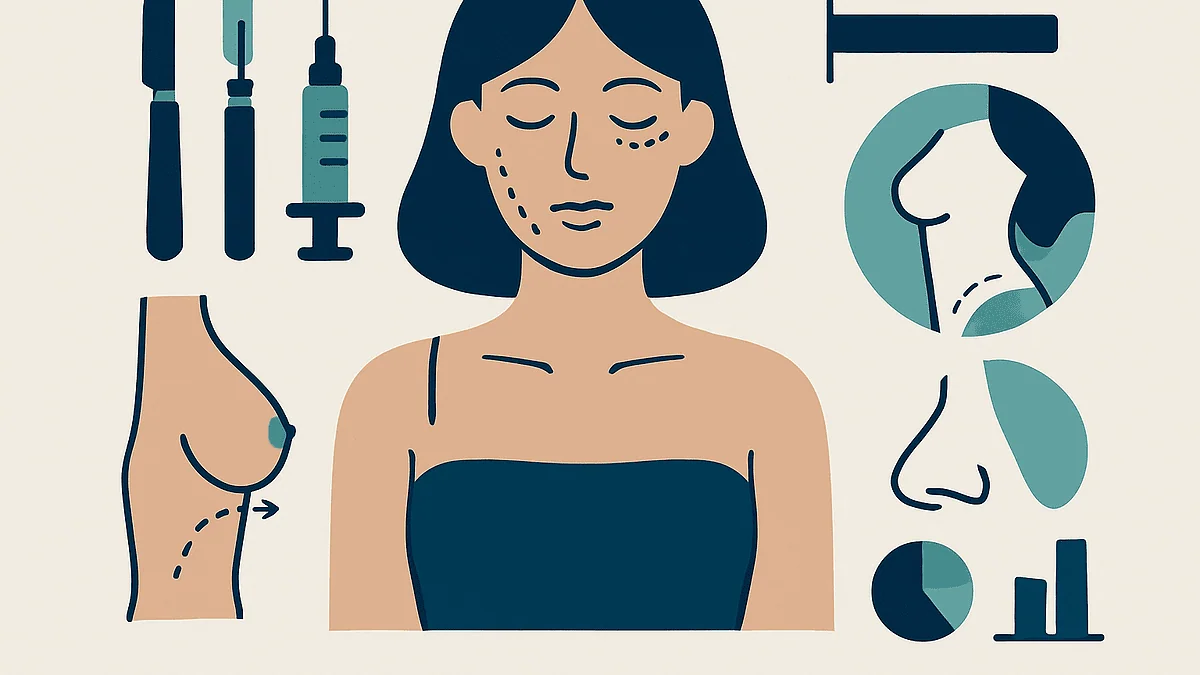
- Plastic surgery includes both cosmetic and reconstructive procedures.
- Photos alone cannot confirm whether someone had surgery.
- Treatment planning depends on anatomy, goals, and health status.
- Recovery often takes longer than social media makes it seem.
- Results can be meaningful, but no procedure creates perfection.
Gigi Hadid plastic surgery is a search phrase drawing attention after recent headlines and online discussion, even when public curiosity can outpace verified information. Rather than speculate about any one person, it is more useful to understand what plastic surgery actually includes, why people consider it, how specialists evaluate options, and what recovery and results may look like.
Plastic surgery is a broad medical field. It includes both reconstructive procedures, which aim to restore form or function after injury, illness, or congenital differences, and cosmetic procedures, which are chosen to change appearance. In celebrity-related conversations, people often use the term loosely, but medically it covers a wide range of operations and non-surgical treatments, each with different goals, risks, and recovery timelines.
Because appearance can be shaped by lighting, makeup, aging, weight changes, facial expression, photography, and image editing, it is not possible to tell from photos alone whether someone has had a procedure. That is one reason health education matters: it helps separate internet speculation from the realities of medical care.
What plastic surgery means in medical practice
Plastic surgery is not one single procedure. It is a specialty focused on altering, repairing, or refining body structures. Some procedures are medically necessary, while others are elective. The same specialty may include surgery on the face, breasts, body, skin, and hands.
Cosmetic plastic surgery usually aims to change appearance in a way the patient feels better matches their goals. Common facial procedures may include a facelift, eyelid surgery, rhinoplasty, brow procedures, chin contouring, or skin-focused treatments done alongside surgery. Body procedures may include liposuction, tummy tuck surgery, breast augmentation, breast reduction, or body lift procedures.
Reconstructive plastic surgery has different goals. It may help after trauma, cancer treatment, burns, congenital conditions, or prior surgery. In those settings, the focus may be restoring movement, protecting tissues, or improving daily function as much as appearance.
The key point is that “plastic surgery” is an umbrella term. A thoughtful evaluation begins with a very specific question: what area is being addressed, and what outcome is realistically possible?
Why people consider cosmetic surgery
People seek cosmetic procedures for many reasons, and those reasons are often more complex than online commentary suggests. Some want to address age-related changes, such as facial sagging, deep folds, skin excess around the eyes, or loss of jawline definition. Others may wish to refine a feature that has bothered them for years, improve facial balance, or restore changes after pregnancy or major weight loss.
There can also be practical motivations. Heavy upper eyelid skin may affect comfort or vision. A breast reduction may relieve back or neck strain. Scar revision may be pursued because a scar feels tight or remains highly visible.
Surgeons also evaluate whether a person is a good candidate emotionally and medically. A healthy consultation explores:
- Motivation: whether the goal is personal and realistic
- Expectations: whether the patient understands limits
- Health status: including smoking, medications, and prior surgeries
- Skin and tissue quality: which affects healing and results
- Recovery readiness: whether the person can safely manage downtime
Good specialists look for alignment between the patient’s goals and what a procedure can genuinely achieve. They also watch for warning signs that surgery may not be the best path, such as pressure from others or expectations of perfection.
How plastic surgery is evaluated and planned
The planning stage is one of the most important parts of plastic surgery. Before any procedure, a qualified surgeon takes a medical history, performs an exam, and discusses treatment options in detail. This is where the distinction between surgery, less invasive treatment, and no treatment at all becomes clearer.
During a consultation, the specialist may assess facial symmetry, skin elasticity, bone structure, fat distribution, scarring tendencies, and the way tissues have changed over time. Standardized photographs are often used for planning and documentation. In some cases, imaging or lab work may be needed depending on the procedure and a person’s health background.
Several issues are reviewed carefully:
- Past medical conditions that may raise surgical risk
- History of bleeding or clotting problems
- Smoking or nicotine use, which can impair healing
- Medication and supplement use
- Prior cosmetic procedures, including fillers or implants
- Allergies and anesthesia history
For facial concerns especially, diagnosis is not about a disease but about anatomy and aging patterns. One person may mainly have loose skin, while another has volume loss, sun damage, muscle activity, or changes in the deeper tissues. Those differences matter, because the right treatment for one concern may do very little for another.
A responsible treatment plan usually includes a frank discussion of what surgery can improve, what it cannot change, and whether combining procedures would make sense. Sometimes a person asking about a major operation may be better served by a less invasive treatment. In other cases, repeated non-surgical treatments may no longer provide the structural improvement the patient wants.
Major types of plastic surgery and non-surgical alternatives
Cosmetic care exists on a spectrum from minimally invasive treatment to major surgery. Understanding that spectrum helps explain why public speculation can be misleading.
Facial surgery
Facial procedures are designed for different layers and concerns. A facelift generally addresses sagging in the lower face and jawline by repositioning deeper tissues and removing excess skin. It does not stop aging, but it can improve contour and reduce jowling. Eyelid surgery targets excess skin or puffiness around the eyes. Rhinoplasty changes nasal shape or structure. Neck procedures focus on skin laxity, muscle banding, or excess fat.
Breast and body surgery
Breast surgery may involve enlargement, lifting, reduction, or revision. Body contouring procedures can remove excess skin, reshape tissue after weight change, or target localized fat. Liposuction removes fat in selected areas but is not a weight-loss operation. Tummy tuck surgery addresses loose abdominal skin and may tighten weakened abdominal tissues.
Reconstructive procedures
These include scar revision, breast reconstruction, skin grafts, flap surgery, and repairs after injury or tumor treatment. Reconstructive operations may be staged over time and often involve both functional and aesthetic planning.
Non-surgical options
Not every appearance concern requires surgery. Common non-surgical approaches may include:
- Neuromodulators to soften expression lines
- Dermal fillers to restore or add volume
- Laser and energy-based treatments for pigment, texture, or mild tightening
- Chemical peels and resurfacing to improve skin quality
- Medical skin care for tone, acne, discoloration, or sun damage
These options can be helpful, but they are not interchangeable with surgery. A treatment that improves skin texture will not recreate the lifting effect of an operation designed to reposition deeper tissues. Likewise, surgery may not fully address pigment changes or fine surface lines without additional skin treatments.
Risks, recovery, and what healing usually involves
Every surgical procedure has risks, and recovery varies by operation, health status, and the extent of correction. Swelling and bruising are common in the early period after many cosmetic surgeries. Temporary tightness, numbness, fatigue, or asymmetry can also happen during healing.
General surgical risks may include:
- Bleeding or fluid collection
- Infection
- Scarring
- Poor wound healing
- Changes in sensation
- Anesthesia-related complications
- Asymmetry or dissatisfaction with cosmetic outcome
- Need for revision surgery
Recovery is often longer than people expect from social media posts or event photos. Even when someone looks publicly presentable within weeks, subtle swelling may continue for months. Final results depend not only on the operation, but also on tissue quality, healing patterns, aftercare, and whether expectations were realistic from the start.
For facial surgery, many people can expect a period of visible bruising or swelling followed by gradual refinement. Scars are usually placed as discreetly as possible, but scar maturation takes time. For body procedures, movement, compression, drains, and time away from strenuous activity may all be part of recovery.
Another important point is emotional recovery. It is normal for patients to feel excited one day and uncertain the next while swelling and bruising are still present. This adjustment period is one reason thorough preoperative counseling matters. Healing is a process, not an instant result.
Results, long-term outlook, and when specialist care matters
Plastic surgery can be highly satisfying when the right procedure is selected for the right reason, but it does not create perfection or stop natural aging. Results often age along with the person. Good surgery aims for balance, harmony, and a natural-looking outcome that fits the individual’s anatomy.
Long-term success depends on several factors:
- Appropriate procedure selection
- Surgeon training and experience
- Patient health and healing ability
- Skin quality and lifestyle factors
- Clear, realistic expectations
Specialist care is particularly important when a person is considering facial surgery, revision surgery, or multiple procedures at once. It also matters when there is a history of poor scarring, prior fillers, prior implants, major weight changes, or medical conditions that could affect healing.
For anyone trying to make sense of celebrity chatter, the healthiest takeaway is that plastic surgery is a real medical field, not a guessing game based on photographs. Recent headlines may spark interest, but the useful questions are broader: what procedure is being discussed, what problem is it meant to solve, what are the trade-offs, and what does safe, evidence-informed care look like? Those answers are far more meaningful than speculation about any public figure’s appearance.
Explore Facelift at Acibadem →
Who is Gigi Hadid?
Gigi Hadid is an American model known for international runway, campaign, and magazine work. She has been associated with major fashion houses and is widely recognized as a prominent figure in contemporary fashion media.
Frequently asked questions
What is the difference between plastic surgery and cosmetic surgery?
Plastic surgery is the broader medical specialty and includes both reconstructive and cosmetic procedures. Cosmetic surgery focuses specifically on changing appearance, while reconstructive surgery aims to restore form or function after injury, illness, or congenital differences.
Can you tell if someone has had plastic surgery just by looking at photos?
No. Photos can be influenced by lighting, makeup, facial expression, camera angle, aging, weight changes, image retouching, and temporary swelling or contour changes. A medical assessment cannot be made from images alone.
Are non-surgical treatments the same as plastic surgery?
No. Treatments such as fillers, neuromodulators, lasers, and resurfacing can improve selected concerns, but they do not do the same job as surgery. Surgery changes deeper structures more directly, while non-surgical care usually offers subtler or temporary changes.
How long does recovery from plastic surgery take?
It depends on the procedure. Early bruising and swelling may improve over days to weeks, but final healing and refinement can take months. The timeline varies by the surgical area, the extent of treatment, and the individual healing response.
What are the main risks of plastic surgery?
Potential risks include bleeding, infection, scarring, poor wound healing, anesthesia complications, numbness, asymmetry, and the possibility of revision surgery. The exact risk profile depends on the procedure and the patient’s health.
Who is a good candidate for cosmetic plastic surgery?
A good candidate is someone in appropriate health with realistic expectations, a clear personal reason for seeking change, and an understanding of the recovery process and limitations of the procedure.
This article is general health information inspired by publicly reported news. It is not a statement about any individual’s private medical care, nor medical advice. Always consult a qualified clinician.