Chronic Nausea and Bloating: When a Neuro Gastroenterology Workup Is Needed

Persistent nausea and bloating can be related to motility problems, altered gut sensitivity, or disorders of gut-brain interaction. A neurogastroenterology workup is considered when routine tests are unrevealing or symptoms significantly affect eating, comfort, or daily life.
Key Takeaways
- Persistent nausea and bloating can be related to motility problems, altered gut sensitivity, or disorders of gut-brain interaction.
- A neurogastroenterology workup is considered when routine tests are unrevealing or symptoms significantly affect eating, comfort, or daily life.
- Evaluation may include symptom review, blood tests, imaging, endoscopy, and specialized motility testing when appropriate.
- Treatment depends on the cause and may include dietary changes, symptom-relieving medicines, motility-focused care, and behavioral support.
- Medical review is especially important if symptoms come with weight loss, vomiting, trouble swallowing, bleeding, or dehydration.
Chronic nausea and bloating are common symptoms, but when they last for weeks or keep returning, a deeper evaluation may be needed. A neurogastroenterology workup looks at how the digestive tract moves, senses, and communicates with the nervous system to identify possible gut-brain disorders.
Overview: Why Chronic Nausea and Bloating Deserve Attention
Nausea and bloating often happen from time to time after eating too quickly, having a stomach infection, or reacting to certain foods. However, when these symptoms continue for several weeks, come back often, or interfere with normal meals and daily activities, they may need a more structured medical evaluation.
In some people, the problem is not simply excess gas or an upset stomach. It may involve how the stomach and intestines move food forward, how the gut senses stretching and fullness, or how the digestive system communicates with the brain and nerves. This area of medicine is called neurogastroenterology.
A neurogastroenterology workup focuses on symptoms that may reflect motility disorders or disorders of gut-brain interaction. Examples include delayed stomach emptying, abnormal intestinal movement, functional dyspepsia, and conditions in which the gut becomes unusually sensitive. The goal is to identify whether there is a structural problem, a movement problem, a sensitivity problem, or a combination of these.
Symptoms That May Suggest a Gut-Brain or Motility Disorder
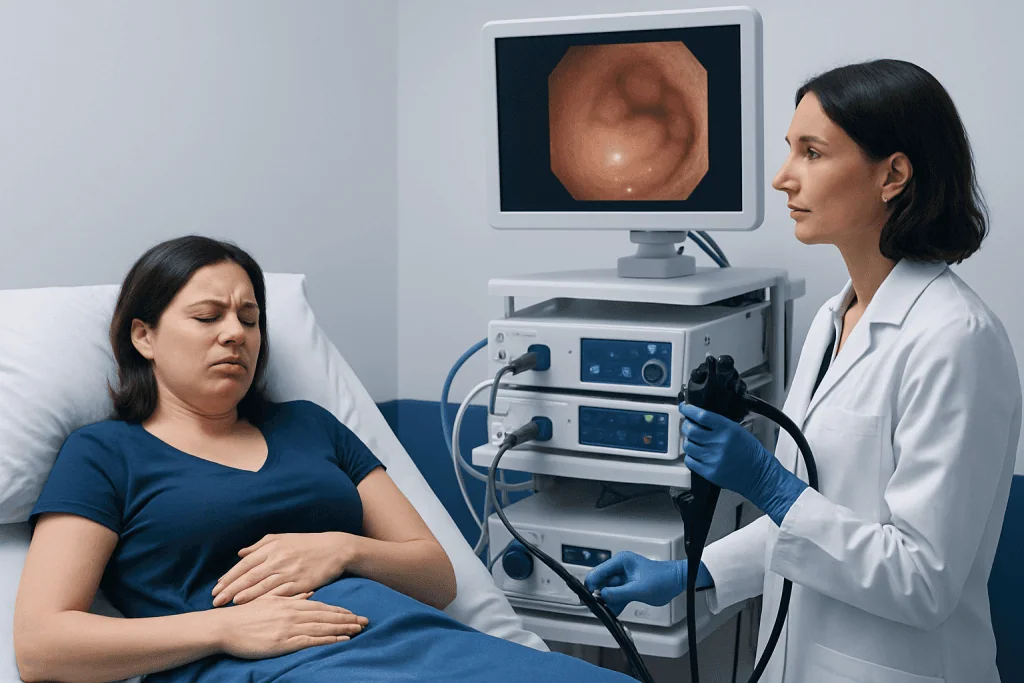
Chronic nausea and bloating can look slightly different from person to person. Some people feel sick mainly after meals, while others notice early fullness, upper abdominal pressure, visible swelling of the abdomen, belching, or discomfort that worsens as the day goes on. Symptoms may be mild but frequent, or they may come in flares.
Other symptoms that can occur alongside nausea and bloating include vomiting, poor appetite, heartburn, upper abdominal pain, constipation, diarrhea, or alternating bowel habits. Feeling very full after eating only a small amount can suggest slowed stomach emptying or altered stomach accommodation. In some cases, symptoms overlap with gastroparesis or functional dyspepsia.
Keeping a symptom pattern in mind can be useful. Doctors often ask whether symptoms are linked to meals, stress, certain foods, medications, the menstrual cycle, or recent illness. They may also ask about unintended weight loss, dehydration, or sleep disruption because these details help guide what kind of testing is most appropriate.
Common Causes and Risk Factors

Chronic nausea and bloating have many possible causes. Some are relatively straightforward, such as constipation, food intolerance, acid-related conditions, peptic ulcer disease, medication side effects, or recovery after a stomach virus. Others involve the function of the digestive nerves and muscles rather than a visible blockage or injury.
Neurogastroenterology commonly evaluates conditions such as delayed gastric emptying, impaired stomach relaxation after meals, visceral hypersensitivity, and disorders of gut-brain interaction. These problems can develop on their own or alongside diabetes, connective tissue disorders, neurologic disease, thyroid disorders, prior abdominal surgery, or viral illness. Some medicines, especially certain pain medicines and drugs that slow the gut, can also contribute.
Risk factors that may raise concern for a motility or gut-brain disorder include symptoms that persist despite basic treatment, repeated emergency visits for nausea or vomiting, difficulty maintaining nutrition, or previous normal imaging and endoscopy with no clear explanation. Emotional stress does not mean symptoms are imagined, but stress can influence gut nerve signaling and make nausea, fullness, and bloating more noticeable.
- Constipation and slowed bowel transit
- Medication effects, including some pain and diabetes medicines
- Post-infectious changes after gastroenteritis
- Diabetes or nerve-related conditions
- Functional digestive disorders and motility disorders
When a Neurogastroenterology Workup Is Needed
A neurogastroenterology workup is usually considered when chronic nausea and bloating are ongoing, recurrent, or severe enough to reduce food intake and quality of life. It may also be recommended when initial treatment has not helped, or when standard tests do not explain the symptoms clearly.
Doctors become more concerned when symptoms suggest a possible motility disorder rather than occasional indigestion. Clues can include nausea after most meals, early satiety, vomiting undigested food, marked abdominal distension, symptoms that worsen with larger meals, or persistent fullness lasting for hours after eating. A workup may also be important when symptoms overlap with suspected irritable bowel syndrome but seem unusually severe or upper-gut focused.
Certain warning signs should always prompt timely medical review. These include unexplained weight loss, blood in vomit or stool, fever, progressive trouble swallowing, severe abdominal pain, dehydration, anemia, or symptoms beginning later in life without a clear cause. In these situations, the first priority is to rule out structural or systemic illness before focusing on specialized gut-brain testing.
How Doctors Diagnose the Cause
Diagnosis starts with a careful history and physical examination. A doctor will ask what the patient feels, when symptoms began, how often they occur, and whether they are related to meals, bowel habits, medications, infections, or stress. The aim is to distinguish between common digestive problems, systemic illnesses, and possible motility or sensory disorders.
Basic testing may include blood tests, stool tests in selected cases, and tests for dehydration, inflammation, thyroid disease, celiac disease, or metabolic problems. Depending on the symptoms, imaging or upper endoscopy may be used to look for ulcers, inflammation, obstruction, or other structural causes. In some cases, physicians may recommend upper endoscopy as part of the initial evaluation.
If standard testing does not explain the symptoms, specialized motility testing may be considered. This can include studies that assess stomach emptying, esophageal function, or transit through the digestive tract. For example, a doctor may order gastroscopy and, when clinically appropriate, tests such as a gastric emptying study or other motility-focused assessments. The exact tests depend on the symptom pattern, the patient’s medical history, and the clinical findings.
Doctors also look at nutritional status and symptom burden. Sometimes the most important result of a workup is showing that there is no dangerous disease while still identifying a real functional or motility-based explanation for symptoms. This helps build a treatment plan that is targeted rather than trial-and-error.
Treatment Options and Symptom Management
Treatment depends on the cause. If testing shows an underlying condition such as diabetes-related delayed stomach emptying, constipation, reflux, ulcer disease, or celiac disease, care is aimed at that disorder. When symptoms fit a disorder of gut-brain interaction or a motility problem, treatment usually combines dietary strategies, medication, and lifestyle measures.
Dietary changes are often one of the first steps. Many patients do better with smaller, more frequent meals instead of large meals. Reducing very fatty foods, heavily processed foods, carbonated drinks, and personal trigger foods may help. In selected cases, a doctor or dietitian may guide a temporary elimination plan or a nutrition strategy to maintain calorie intake if nausea makes eating difficult.
Medicines may be used to improve nausea, reduce acid-related symptoms, support stomach emptying, or manage pain and hypersensitivity. Some people benefit from therapies directed at the gut-brain axis, including relaxation techniques or psychological support for symptom coping. This does not imply the problem is psychological; rather, it recognizes the two-way communication between the digestive tract and the nervous system.
For complex or persistent cases, specialist-led management can be helpful. Depending on findings, a patient may be referred for advanced evaluation or procedures related to colonoscopy if lower digestive symptoms are also present. Near the end of the care pathway, patients seeking international evaluation may also learn that Acibadem International’s multidisciplinary specialists in JCI-accredited hospitals diagnose and treat neurogastrointestinal conditions using individualized plans.
Self-care, Prevention, and Daily Habits
Not every case of chronic nausea and bloating can be prevented, especially when the cause involves motility or nerve signaling. Still, daily habits can reduce symptom triggers and improve comfort. Eating slowly, chewing well, and avoiding large late-night meals may help the stomach handle food more comfortably.
Many people find it useful to keep a short symptom diary. Recording meals, symptoms, bowel habits, and medication timing can show patterns that are not obvious at first. This information can help the doctor decide whether symptoms are more likely related to food intolerance, constipation, acid reflux, or a motility disorder.
Hydration, gentle physical activity, regular sleep, and stress management can also support digestive function. For patients with constipation-related bloating, improving bowel regularity may be an important part of relief. Self-care is helpful, but persistent symptoms should not be self-diagnosed for too long, especially if eating becomes difficult or warning signs appear.
When to See a Doctor
A doctor should evaluate nausea and bloating if symptoms last more than a few weeks, keep coming back, or make it hard to eat normally. Medical review is also important if over-the-counter measures have not helped or if symptoms are becoming more frequent or disruptive.
Prompt assessment is especially important when there is repeated vomiting, dehydration, weight loss, black stools, blood in vomit, anemia, severe pain, or trouble swallowing. These features do not always mean a serious illness is present, but they do require professional evaluation to rule out important causes.
If routine care has not provided answers, asking whether a neurogastroenterology assessment is appropriate may be worthwhile. Specialist evaluation can help clarify whether symptoms are related to the movement and nerve function of the digestive tract and can guide more tailored treatment.
Frequently asked questions
What does chronic nausea and bloating mean?
It usually means these symptoms last for weeks, keep returning, or happen often enough to affect normal eating and daily life. Chronic symptoms deserve medical attention because they can be linked to several different digestive or systemic conditions.
What is a neurogastroenterology workup?
A neurogastroenterology workup evaluates how the digestive tract moves, senses, and communicates with the nervous system. It is used when symptoms may be related to motility disorders or disorders of gut-brain interaction rather than a simple short-term stomach upset.
Can stress cause nausea and bloating?
Stress can influence digestive function and may worsen nausea, bloating, and abdominal discomfort in some people. However, stress is only one possible factor, and persistent symptoms should still be properly assessed by a doctor.
Are chronic nausea and bloating always caused by food intolerance?
No. Food intolerance can play a role, but these symptoms may also be caused by constipation, reflux, ulcers, medication effects, delayed stomach emptying, or gut-brain disorders. That is why repeated or long-lasting symptoms should not be assumed to come from diet alone.
How do doctors test for stomach emptying problems?
If a stomach emptying problem is suspected, a doctor may first rule out structural causes with standard tests such as blood work or endoscopy. Then specialized tests, such as a gastric emptying study, may be used when appropriate to assess how food moves through the stomach.
When should someone seek urgent care for nausea and bloating?
Urgent care is important if symptoms come with severe pain, repeated vomiting, dehydration, blood in vomit or stool, black stools, fainting, or rapid weight loss. These signs need prompt medical review to rule out serious complications or underlying disease.
References
- National Institute of Diabetes and Digestive and Kidney Diseases
- American College of Gastroenterology
- American Gastroenterological Association
- National Institute for Health and Care Excellence
- World Gastroenterology Organisation
This article is for general information only and is not a substitute for professional medical advice. Please consult a qualified doctor about your individual situation.
Persistent digestive symptoms? Get evaluated in Turkey
JCI-accredited · board-certified surgeons · reply within 24h
Add us as a Preferred Source to see more of our trusted health content across Google Search, AI Overviews and Discover.