Enlarged Spleen and Blood Disorders: Common Links and Next Steps

The spleen helps filter blood, remove older blood cells, and support immune function. Blood disorders can cause spleen enlargement, and an enlarged spleen can also lower blood cell counts by trapping cells.
Key Takeaways
- The spleen helps filter blood, remove older blood cells, and support immune function.
- Blood disorders can cause spleen enlargement, and an enlarged spleen can also lower blood cell counts by trapping cells.
- Symptoms may be mild or absent, but some people notice fullness in the upper left abdomen, fatigue, or easy bruising.
- Diagnosis usually involves a physical exam, blood tests, and imaging such as ultrasound.
- Treatment focuses on the underlying cause rather than the spleen itself in many cases.
- Prompt medical advice is important if there is abdominal pain, fever, weakness, or signs of anemia or bleeding.
An enlarged spleen, also called splenomegaly, can be a sign of an underlying blood disorder, infection, liver disease, or another medical condition. Careful evaluation helps identify the cause, assess whether blood cell levels are affected, and guide the safest next steps.
Overview: what an enlarged spleen means
The spleen is an organ located in the upper left side of the abdomen, just under the rib cage. It plays several important roles: filtering the blood, removing older or damaged blood cells, storing some blood components, and helping the immune system respond to infection. When the spleen becomes larger than normal, the condition is called splenomegaly.
Enlarged spleen and blood disorders are closely connected because the spleen constantly handles red blood cells, white blood cells, and platelets. If a blood disorder changes how these cells are made, shaped, or broken down, the spleen may work harder and increase in size. In other situations, the enlarged spleen itself can start holding on to too many blood cells, which may lower blood counts.
Splenomegaly is not a disease by itself. Instead, it is a clinical sign that points to another underlying condition. These conditions may include anemia, blood cancers, infections, liver disease, inflammatory illnesses, or inherited disorders affecting blood cells.
Because the causes vary widely, an enlarged spleen should be assessed in context. A person may need evaluation not only of the spleen but also of the liver, lymph nodes, bone marrow, and blood cell levels to understand the full picture.
Symptoms and possible effects on the body
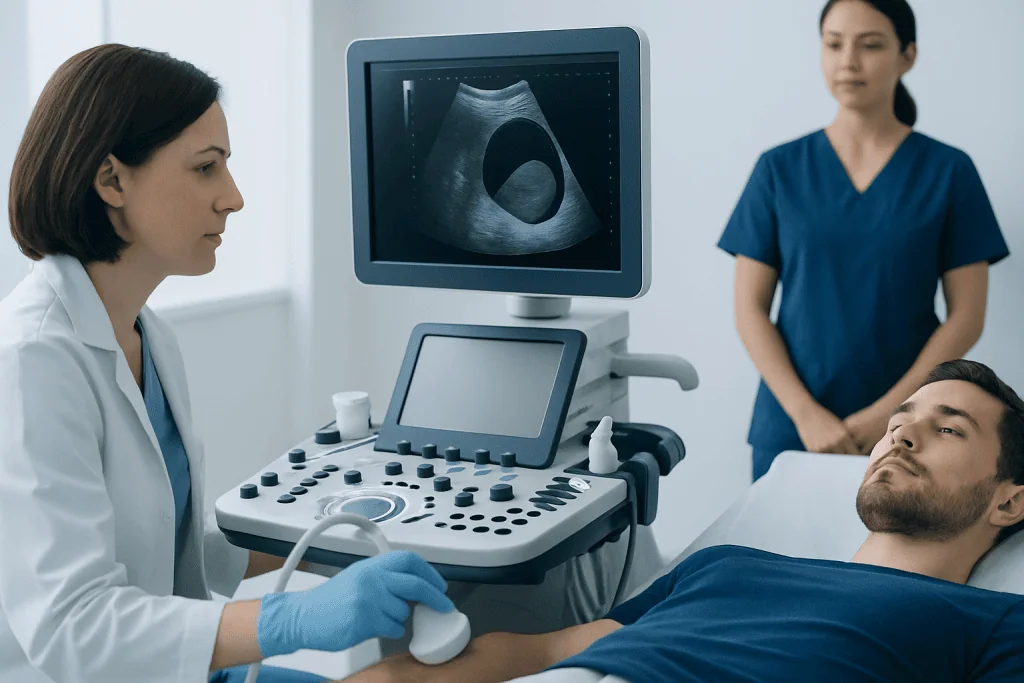
Some people with an enlarged spleen have no clear symptoms, and the condition is found during a routine examination or imaging test. Others notice a sense of fullness or discomfort in the upper left abdomen. This feeling may become more noticeable after eating because an enlarged spleen can press on the stomach and lead to early fullness.
When blood cell levels are affected, symptoms may reflect the type of cells involved. Low red blood cells can cause tiredness, weakness, shortness of breath, or paleness. Low platelets may lead to easy bruising, nosebleeds, or bleeding gums. Changes in white blood cells may increase the risk of infection or reflect an underlying blood condition.
Additional symptoms depend on the cause. Fever, night sweats, weight loss, swollen lymph nodes, jaundice, or bone pain may suggest a broader condition that needs attention. In some people, abdominal pain can occur if the spleen grows significantly or if there are complications.
A very enlarged spleen can be more vulnerable to injury, especially during falls, contact sports, or accidents. Although uncommon, spleen injury can be serious and requires urgent care. For this reason, people with known splenomegaly are often advised to avoid activities that increase the risk of abdominal trauma until a doctor says it is safe.
Common links between splenomegaly and blood disorders
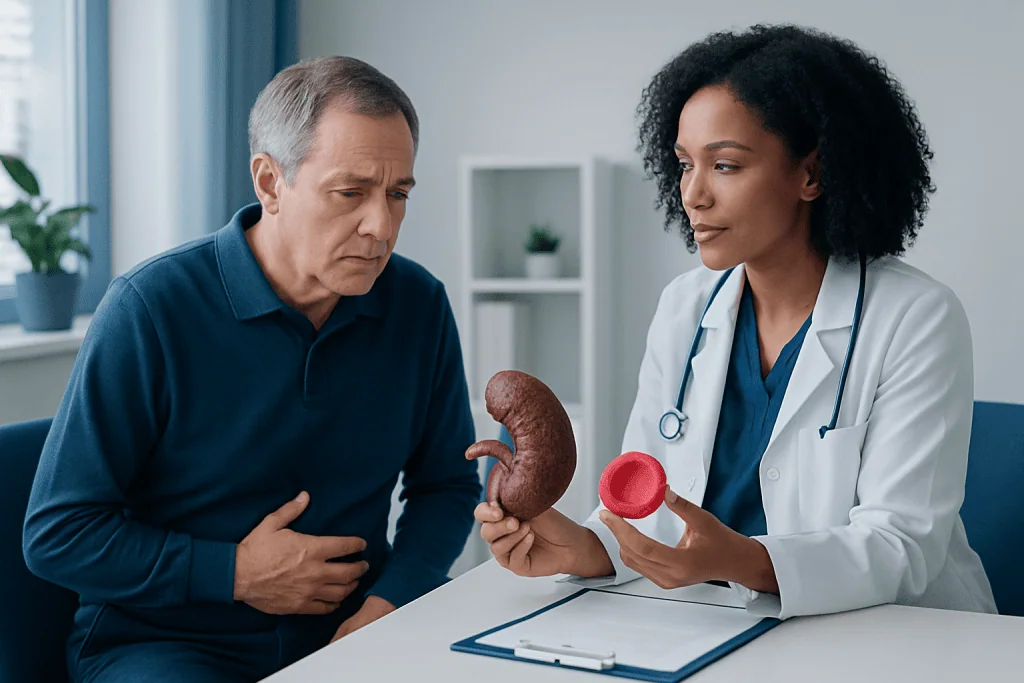
Blood disorders are among the most important causes of spleen enlargement. The spleen may enlarge when it is overactive in filtering abnormal cells, when blood cells build up within it, or when abnormal cells spread into spleen tissue. The exact mechanism depends on the specific disorder.
Hemolytic anemias are a common example. In these conditions, red blood cells break down faster than usual, and the spleen helps remove them from circulation. This extra workload can make the spleen grow. Some inherited and acquired anemias may therefore be associated with both anemia symptoms and splenomegaly.
Certain cancers of the blood and lymphatic system can also involve the spleen. Leukemia, lymphoma, and myeloproliferative disorders may lead to enlarged spleen size because abnormal blood cells collect in the organ or because blood cell production becomes altered. In some cases, an enlarged spleen is one of the clues that leads to investigation for leukemia or lymphoma.
Platelet and white blood cell disorders may be linked as well. Sometimes an enlarged spleen traps platelets and lowers the platelet count, a process called hypersplenism. This can contribute to bruising or bleeding. The same process can affect red and white blood cells, so doctors often look at the complete blood count carefully when splenomegaly is present.
- Hemolytic anemias and inherited red blood cell disorders
- Leukemia and lymphoma
- Myeloproliferative and myelodysplastic disorders
- Hypersplenism causing low blood cell counts
- Sickle cell-related spleen changes in some patients
Other causes and risk factors
Although blood disorders are a major cause, they are not the only explanation for an enlarged spleen. Infections such as viral, bacterial, or parasitic illnesses can cause the spleen to react and enlarge. Liver diseases that affect blood flow through the portal vein system may also lead to splenomegaly.
Inflammatory and autoimmune conditions can contribute as well. In these illnesses, the immune system may remain persistently activated, and the spleen may become involved as part of the body’s immune response. Storage disorders and some inherited metabolic conditions are less common but are also recognized causes.
Risk factors depend on the underlying problem. A personal or family history of blood disorders, chronic liver disease, autoimmune disease, recent serious infection, or unexplained changes in blood counts can all be relevant. Travel history, medication use, alcohol intake, and exposure to certain infections may also matter.
Because many conditions can produce the same sign, it is not possible to tell the cause from spleen enlargement alone. A structured medical assessment is needed to separate common and treatable causes from conditions that require more specialized care.
How doctors diagnose the cause
Diagnosis begins with a medical history and physical examination. A doctor may ask about abdominal discomfort, fatigue, infections, bleeding, fever, weight loss, family history, and any previous blood test abnormalities. On examination, the spleen may sometimes be felt below the left rib margin, although body shape and spleen size influence how easily it can be detected.
Blood tests are central to the evaluation. A complete blood count can show anemia, low platelets, or changes in white blood cells. A blood smear may reveal abnormal cell shapes or immature cells. Additional tests may include liver function tests, markers of hemolysis, infection testing, and sometimes immune-related studies depending on the symptoms and suspected cause.
Imaging is often used to confirm the spleen size and look for related findings. Ultrasound is commonly chosen because it is noninvasive and does not use radiation. In some situations, computed tomography or magnetic resonance imaging may help assess the spleen, liver, lymph nodes, or blood vessels in more detail. If needed, a doctor may recommend MRI scanning or ultrasound imaging as part of the workup.
If a blood disorder is strongly suspected, more specialized tests may follow. These can include bone marrow studies, flow cytometry, genetic testing, or consultation with a hematologist. In selected cases, additional evaluation may help rule out anemia related to iron deficiency, hemolysis, marrow disease, or chronic illness.
Treatment options and next steps
Treatment for splenomegaly depends on the underlying cause rather than the enlargement alone. If the cause is an infection, treatment may focus on the specific organism. If it is related to a blood disorder, management may involve monitoring, medicines, transfusion support in selected cases, or treatment directed at the blood disease itself.
For people with blood cancers or complex hematologic conditions, care is usually individualized. A hematologist may recommend targeted therapies, immunotherapy, chemotherapy, or other treatments based on the diagnosis. In some situations, specialists may discuss advanced options such as bone marrow transplantation when appropriate for the underlying disorder.
Surgery to remove the spleen, called splenectomy, is not the first step for most patients. However, it may be considered if the spleen is causing significant symptoms, destroying too many blood cells, or if another treatment has not helped. Decisions about splenectomy are made carefully because the spleen is part of the immune system, and its removal changes long-term infection risk.
Follow-up is important even when symptoms are mild. Repeat blood counts and imaging may be used to see whether the spleen is stable, improving, or becoming larger. Near the end of the care pathway, some international patients may seek assessment through centers such as Acibadem International, where multidisciplinary specialists in JCI-accredited hospitals evaluate and treat blood-related conditions and spleen disorders.
Prevention, self-care, and daily precautions
There is no single way to prevent all causes of an enlarged spleen because the condition can arise from many different illnesses. The most practical approach is to manage chronic medical conditions well, attend regular checkups, and follow through when blood tests are abnormal. Early evaluation can help prevent complications related to severe anemia, infection, or low platelet counts.
People who know they have splenomegaly are often advised to protect the abdomen from injury. This may mean avoiding contact sports or activities with a high risk of falling until a doctor provides guidance. Wearing a seatbelt properly and seeking prompt care after abdominal trauma are also sensible precautions.
General health habits can support overall recovery and immune function. These include staying hydrated, eating a balanced diet, limiting alcohol when advised, and taking medicines only as directed. Vaccination may be especially important for those who have had or may need spleen removal, but timing and type should always be discussed with a doctor.
Self-care should not replace medical assessment when blood disorders are suspected. Persistent fatigue, pallor, bruising, fever, or a swollen abdomen deserves professional attention, even if symptoms seem mild at first.
When to see a doctor
A doctor should be consulted if there is ongoing fullness or discomfort in the upper left abdomen, unexplained tiredness, recurrent fever, easy bruising, frequent infections, or noticeable weight loss. These symptoms do not always mean a serious illness, but they do warrant evaluation, especially when they occur together or continue over time.
Prompt care is especially important if there is sudden or severe pain in the upper left abdomen, pain spreading to the left shoulder, faintness, severe weakness, or signs of significant bleeding. These symptoms may indicate an urgent complication that needs immediate medical attention.
Anyone with known blood disorders should also seek review if symptoms change or if routine blood tests become abnormal. Changes in red cells, white cells, or platelets may be a clue that the spleen or the underlying condition needs closer assessment.
In many cases, the next step is straightforward: a physical exam, blood work, and imaging to determine whether the spleen is enlarged and why. Early answers can bring reassurance, clarify the diagnosis, and help guide safe, effective treatment.
Frequently asked questions
Can an enlarged spleen be caused by a blood disorder?
Yes. Many blood disorders can lead to spleen enlargement because the spleen filters and removes blood cells from circulation. Conditions such as hemolytic anemia, leukemia, lymphoma, and some marrow disorders are well-known examples.
What symptoms can happen when the spleen is enlarged?
Some people have no symptoms at all. Others may feel fullness or discomfort in the upper left abdomen, become full quickly when eating, or develop fatigue, bruising, or frequent infections if blood cell counts are affected.
Does an enlarged spleen always mean cancer?
No. Cancer is only one possible cause of splenomegaly. Infections, liver disease, autoimmune conditions, and noncancerous blood disorders can also enlarge the spleen, which is why proper medical evaluation is important.
How is an enlarged spleen diagnosed?
Diagnosis usually starts with a physical exam and medical history. Doctors often confirm the finding with imaging such as ultrasound and investigate the cause with blood tests, and sometimes with more specialized hematology tests.
Can an enlarged spleen affect blood counts?
Yes. An enlarged spleen can trap or break down too many blood cells, leading to low red blood cells, white blood cells, or platelets. This may cause symptoms such as weakness, infections, or easy bleeding and bruising.
Is surgery always needed for splenomegaly?
No. Most people are treated based on the underlying cause, not with immediate surgery. Splenectomy is considered only in selected situations, such as severe symptoms, hypersplenism, or when other treatments are not effective.
What should someone avoid if they have an enlarged spleen?
Doctors commonly recommend avoiding contact sports and activities that increase the risk of abdominal injury. This is because an enlarged spleen can be more vulnerable to trauma, and the exact precautions should be personalized by a healthcare professional.
References
- World Health Organization
- U.S. National Heart, Lung, and Blood Institute
- National Health Service
- American Society of Hematology
- Merck Manual Professional Edition
This article is for general information only and is not a substitute for professional medical advice. Please consult a qualified doctor about your individual situation.
Explore treatments in Turkey — costs, top hospitals & a free quote
JCI-accredited · board-certified surgeons · reply within 24h
Add us as a Preferred Source to see more of our trusted health content across Google Search, AI Overviews and Discover.