Is the Brain a Part of the Nervous System?
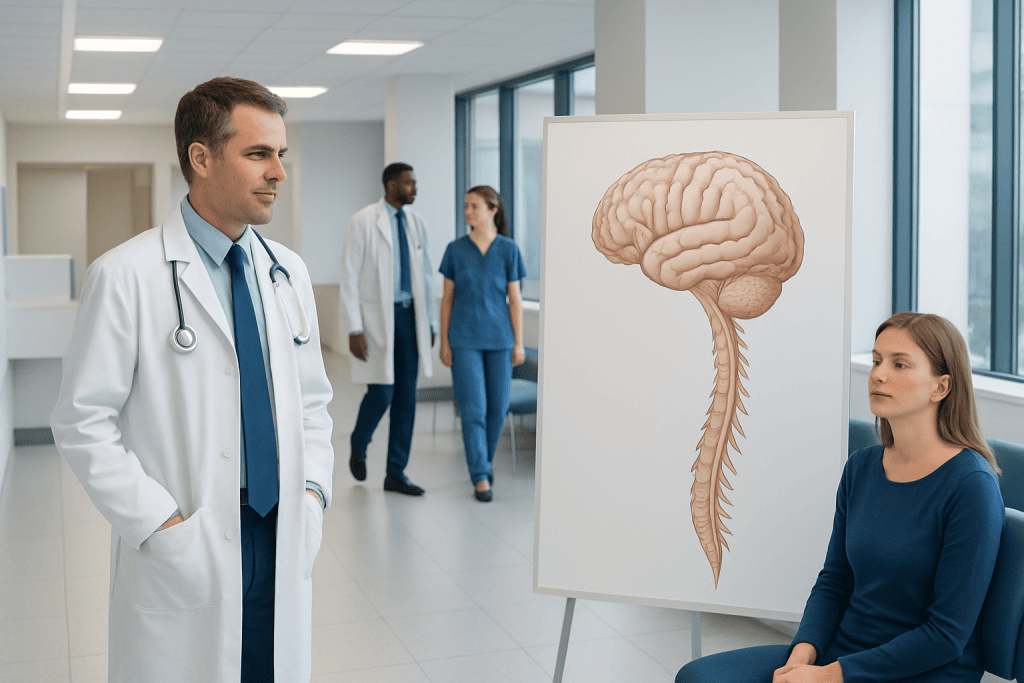
The brain is part of the central nervous system, together with the spinal cord. The nervous system is divided into the central nervous system and the peripheral nervous system.
Key Takeaways
- The brain is part of the central nervous system, together with the spinal cord.
- The nervous system is divided into the central nervous system and the peripheral nervous system.
- The brain receives, interprets, and sends signals that help control movement, sensation, thinking, and automatic body functions.
- Different brain regions have specialized roles, but they work together continuously.
- Healthy habits such as sleep, exercise, and blood pressure control support brain and nerve health.
Yes, the brain is a part of the nervous system. In fact, it is one of the body's main control centers, working closely with the spinal cord and peripheral nerves to process information, guide movement, regulate body functions, and support thought, emotion, and memory.
Overview: Is the brain part of the nervous system?
Yes. The brain is a major part of the nervous system and is usually described as the body’s command center. It receives information from inside and outside the body, processes that information, and sends signals that help the body respond appropriately.
The nervous system is commonly divided into two main parts: the central nervous system and the peripheral nervous system. The central nervous system includes the brain and spinal cord. The peripheral nervous system includes the many nerves that branch out from the brain and spinal cord to the rest of the body.
Together, these systems allow a person to move, feel, think, learn, remember, speak, breathe, maintain balance, and regulate many automatic functions such as heart rate and digestion. Although people often think of the brain mainly as the center of thought, its role is much broader and includes constant communication with every other part of the nervous system.
How the nervous system is organized
Understanding where the brain fits is easier when the nervous system is viewed as a communication network. The brain and spinal cord make up the central nervous system, which interprets information and coordinates responses. The peripheral nervous system acts like the body’s wiring, carrying messages to and from muscles, skin, organs, and glands.
The peripheral nervous system can also be divided further. One part controls voluntary actions, such as walking or picking up an object. Another part controls involuntary functions, such as heartbeat, blood vessel tone, sweating, and digestion. This automatic branch includes the sympathetic and parasympathetic systems, which help the body respond to stress and return to a resting state.
The brain works with all of these branches at the same time. For example, when a person touches something hot, sensory nerves send a warning signal, the spinal cord and brain process it, and motor nerves help the body pull away. At the same time, the brain may trigger emotional and physical stress responses, such as surprise, faster heartbeat, and focused attention.
What the brain does in the nervous system
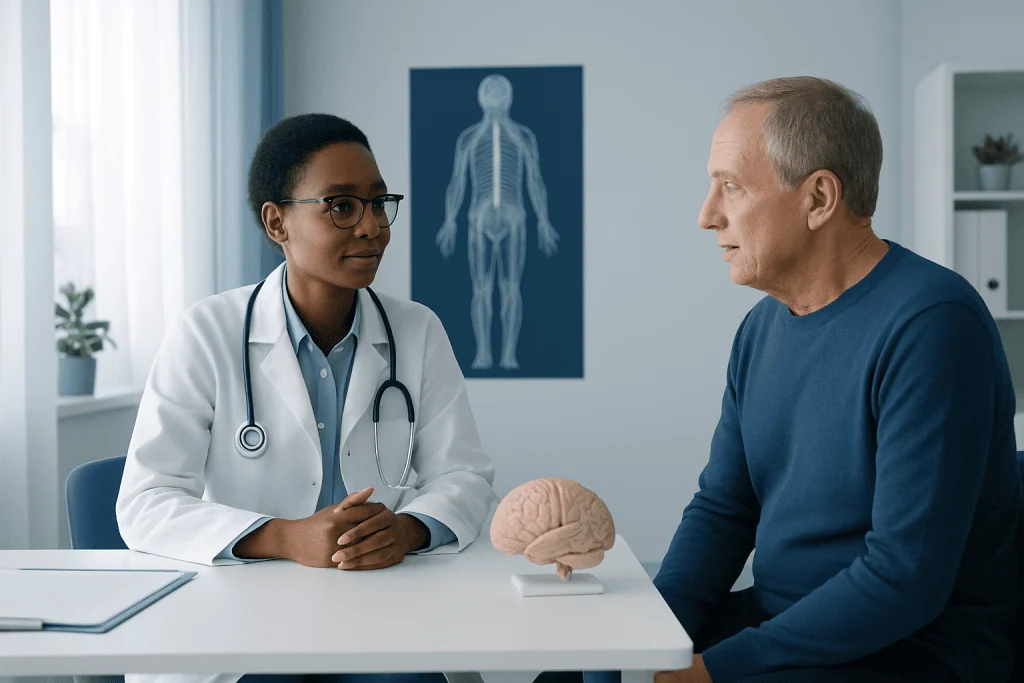
The brain’s role is to receive signals, interpret them, store useful information, and send back instructions. It handles both conscious activities, such as speaking or solving a problem, and unconscious processes, such as maintaining body temperature or regulating breathing patterns. This makes it essential not only for thinking but also for basic survival.
Different regions of the brain have different jobs. The cerebrum is involved in thought, sensation, movement, language, and memory. The cerebellum helps coordinate balance and fine movements. The brainstem helps control vital automatic functions such as breathing, swallowing, and heart rate.
The brain also works through specialized cells called neurons, which communicate using electrical and chemical signals. Supporting cells, blood vessels, and protective structures are equally important because they nourish and protect brain tissue. Healthy communication between these systems allows the nervous system to function smoothly.
- Sensory processing: seeing, hearing, tasting, smelling, and feeling touch or pain
- Motor control: planning and carrying out movement
- Cognition: attention, language, learning, and decision-making
- Autonomic regulation: breathing, circulation, digestion, and temperature control
- Emotion and behavior: mood, stress responses, and social interaction
How the brain communicates with the spinal cord and nerves
The brain does not work in isolation. It stays in continuous contact with the spinal cord, which is the main pathway for messages traveling between the brain and the rest of the body. The spinal cord also helps coordinate some reflexes, allowing a rapid protective response even before the brain fully processes the event.
Nerves extend from the brain and spinal cord to muscles, joints, skin, and organs. Sensory nerves carry information inward, such as pressure, pain, heat, sound, and visual input. Motor nerves carry information outward, telling muscles or glands how to respond. In this way, the brain constantly monitors the body and adjusts its actions.
This communication is highly organized but also flexible. The brain can adapt and form new connections, a feature known as neuroplasticity. This ability plays a role in learning, memory, and recovery after some injuries. It is also one reason timely care and rehabilitation can be helpful in certain neurological conditions.
What can affect the brain and nervous system
Because the brain is central to the nervous system, many different conditions can affect it. These include injuries, infections, vascular problems, autoimmune disorders, degenerative diseases, tumors, metabolic imbalances, and developmental conditions. Some problems begin in the brain itself, while others involve the spinal cord, peripheral nerves, or blood supply to the nervous system.
Examples include stroke, epilepsy, multiple sclerosis, neuropathy, dementia, migraine, and traumatic brain injury. Some symptoms develop suddenly, while others appear gradually over time. The effects depend on which area of the brain or nervous system is involved and how severe the condition is.
Possible warning signs may include weakness, numbness, severe or unusual headache, balance problems, tremor, memory changes, confusion, fainting, seizures, speech difficulty, or changes in vision. These symptoms do not always mean there is a serious neurological disorder, but they should be assessed when they are new, persistent, worsening, or sudden in onset.
How doctors evaluate brain and nervous system health
Doctors assess the brain and nervous system by combining a careful medical history, a physical examination, and neurological testing. The examination may check strength, sensation, reflexes, coordination, balance, eye movements, speech, and memory. This helps identify which part of the nervous system may be involved.
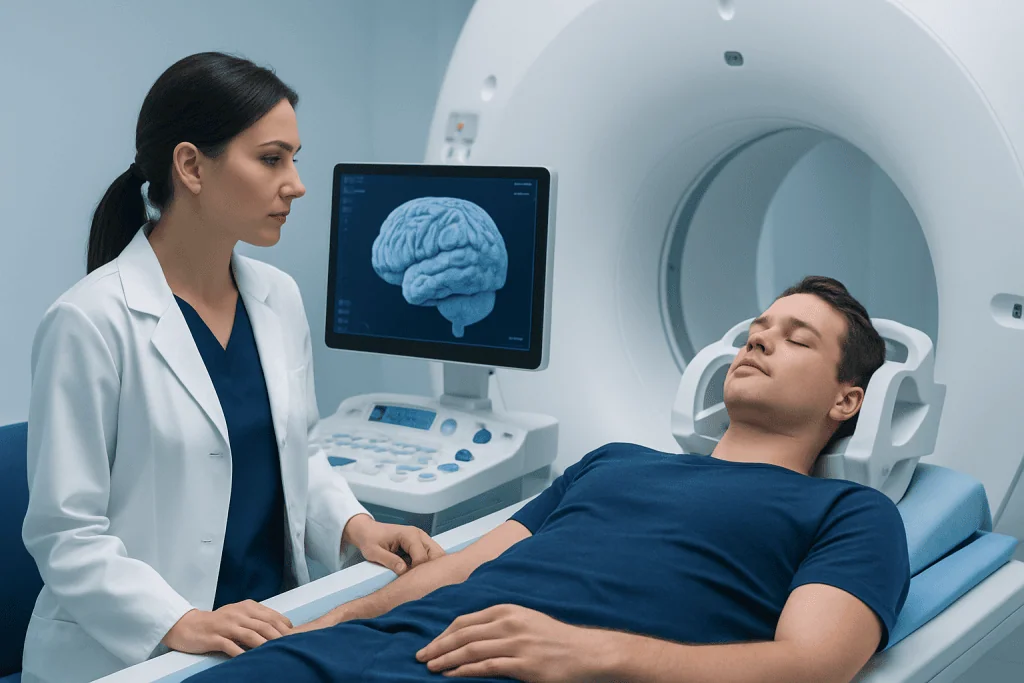
Additional tests depend on the symptoms. Imaging studies such as MRI or CT scans can show brain and spinal cord structures. In some situations, doctors may also use EEG to evaluate electrical activity in the brain, especially when seizures are suspected. Blood tests, nerve studies, or lumbar puncture may be recommended in selected cases.
Early assessment can be especially important when symptoms are sudden or progressive. Prompt evaluation may help identify conditions that benefit from urgent treatment, such as infection, bleeding, seizure disorders, or stroke treatment. For international patients, Acibadem International’s multidisciplinary specialists in JCI-accredited hospitals evaluate and treat a wide range of brain and nervous system conditions.
Supporting brain and nervous system health
While not all neurological conditions can be prevented, many everyday habits support healthy brain and nerve function. Good sleep, regular physical activity, balanced nutrition, and stress management all contribute to overall neurological health. The brain relies on steady blood flow, oxygen, and nutrients, so heart and vascular health also matter.
Managing blood pressure, blood sugar, and cholesterol can help reduce the risk of vascular damage that may affect the brain. Avoiding tobacco, limiting alcohol, and using safety measures such as seat belts and helmets can also help protect the nervous system. For some people, hearing care, vision correction, and social and mental stimulation are additional ways to support brain function over time.
Self-care should not replace medical care when symptoms arise. Anyone with persistent headaches, recurring dizziness, memory changes, numbness, weakness, fainting, or episodes of confusion should speak with a qualified doctor. Preventive care is most effective when combined with timely evaluation of new symptoms.
When to seek medical attention
Immediate medical attention is important for sudden neurological symptoms. These include sudden weakness or numbness on one side of the body, trouble speaking, sudden confusion, sudden loss of vision, severe unexplained headache, loss of consciousness, or a seizure. These symptoms can signal a medical emergency and should not be ignored.
Non-emergency symptoms also deserve medical review if they continue, return repeatedly, or interfere with daily life. Examples include ongoing tingling, persistent headaches, tremor, poor balance, memory concerns, sleep-related changes, or chronic nerve pain. A doctor can help determine whether symptoms are related to the brain, spinal cord, peripheral nerves, or another medical issue.
Because the brain is a core part of the nervous system, changes in neurological function are worth assessing thoughtfully. Reassuringly, many symptoms have treatable causes, and early diagnosis often helps guide better care, symptom control, and long-term planning.
Frequently asked questions
Is the brain part of the central nervous system or peripheral nervous system?
The brain is part of the central nervous system. The central nervous system includes the brain and spinal cord, while the peripheral nervous system includes the nerves that connect the central nervous system to the rest of the body.
What is the difference between the brain and the nervous system?
The brain is one organ within the larger nervous system. The nervous system includes the brain, spinal cord, and all the body's nerves working together to send and process signals.
Why is the brain considered the body's control center?
The brain receives information from the senses and internal organs, interprets it, and directs responses. It helps control movement, thoughts, emotions, memory, and many automatic functions such as breathing and heart rate.
Can the nervous system work without the brain?
Some very basic reflexes can occur through the spinal cord without full brain involvement. However, the brain is essential for coordinated body control, awareness, decision-making, and regulation of many life-sustaining functions.
What symptoms may suggest a problem in the brain or nervous system?
Symptoms can include weakness, numbness, trouble speaking, balance problems, seizures, severe headaches, memory changes, or changes in vision. These symptoms can have different causes, so a medical evaluation is the safest way to understand them.
How can a person support brain and nerve health?
Helpful steps include regular exercise, good sleep, balanced meals, stress management, and controlling blood pressure, blood sugar, and cholesterol. Avoiding smoking, limiting alcohol, and protecting the head from injury are also important.
References
- World Health Organization
- National Institute of Neurological Disorders and Stroke
- MedlinePlus
- Mayo Clinic
- National Institutes of Health
This article is for general information only and is not a substitute for professional medical advice. Please consult a qualified doctor about your individual situation.
Joint and spine care in Turkey — expert assessment & treatment
JCI-accredited · board-certified surgeons · reply within 24h
Add us as a Preferred Source to see more of our trusted health content across Google Search, AI Overviews and Discover.
Check your numbers in seconds
BMI, calories, due date, blood pressure and 30+ more clinical calculators — free, instant, doctor-reviewed ranges.