What Is Cancer? Understanding How Normal Cells Become Cancerous
Cancer begins when DNA changes disrupt the normal controls that guide cell growth, repair, and cell death. Not all tumors are cancer, and not all cancers form solid tumors.
Key Takeaways
- Cancer begins when DNA changes disrupt the normal controls that guide cell growth, repair, and cell death.
- Not all tumors are cancer, and not all cancers form solid tumors.
- Symptoms vary widely depending on the type and stage of cancer, and some cancers cause no early symptoms.
- Diagnosis usually combines a medical history, examination, imaging, laboratory tests, and often a biopsy.
- Treatment may include surgery, chemotherapy, radiation therapy, targeted therapy, immunotherapy, or a combination of approaches.
- Reducing tobacco use, limiting alcohol, maintaining a healthy weight, protecting skin, and keeping up with screening can lower cancer risk.
Cancer is a group of diseases in which abnormal cells grow uncontrollably and may invade nearby tissues or spread to other parts of the body. Understanding how normal cells become cancerous can help people recognize risks, seek timely care, and better understand diagnosis and treatment.
Overview
Cancer is not a single disease. It is a broad term for many different conditions that share one key feature: some cells in the body begin to grow in an abnormal, uncontrolled way. These cells may form a mass called a tumor, invade nearby tissues, or spread through the blood or lymphatic system to distant organs.
In healthy tissue, cells follow a carefully regulated life cycle. They grow, divide, perform specific functions, and then die when they are old or damaged. In cancer, this control system breaks down. Abnormal cells can survive when they should die, and they may continue multiplying even when the body no longer needs them.
Not all tumors are cancerous. Benign tumors do not invade surrounding tissues or spread to distant sites. Malignant tumors are cancerous and can damage nearby structures and metastasize. Some cancers, such as leukemia, do not usually form a solid tumor but instead affect blood-forming tissues and circulate through the body.
Cancer can begin almost anywhere, including the skin, breast, lung, colon, prostate, blood, brain, and many other organs. Each type behaves differently, which is why diagnosis, treatment, and outlook depend on the specific cancer type, where it started, and how far it has progressed.
How Normal Cells Become Cancerous
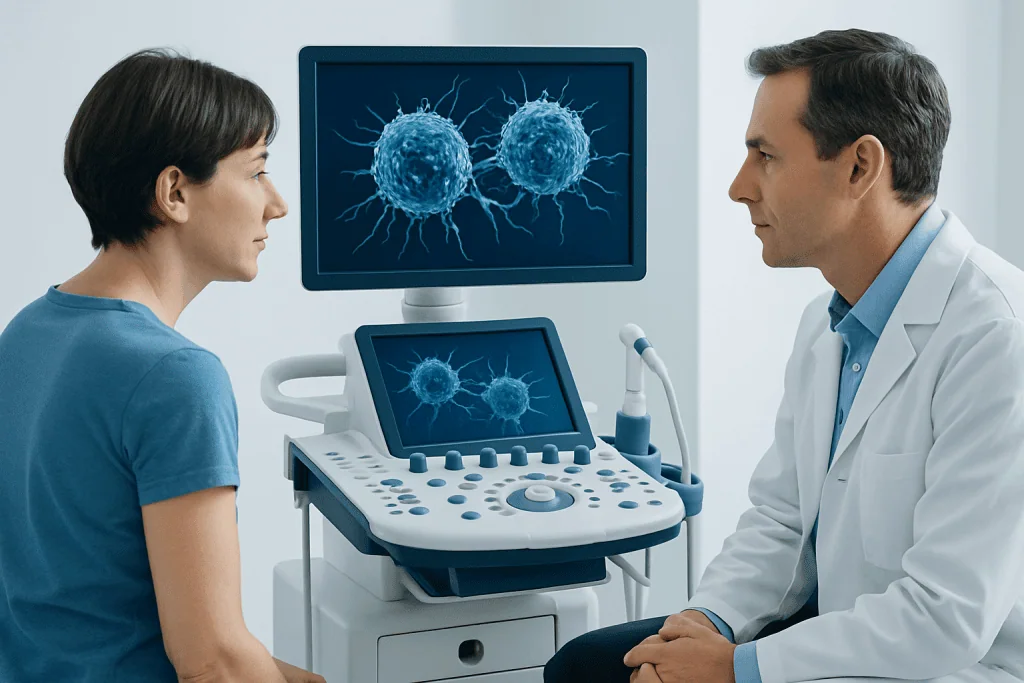
Normal cells become cancerous because of changes in their genetic material, known as DNA mutations or alterations. DNA contains instructions that tell cells when to grow, divide, repair damage, and die. When these instructions are altered, the cell may begin acting abnormally.
Some gene changes affect key control pathways. For example, certain genes normally encourage cell growth only when needed, while others slow growth or repair damaged DNA. If growth-promoting genes become overactive, or if protective genes stop working, the balance is lost. Over time, the abnormal cell may gain further changes that help it avoid the immune system, resist cell death, or invade surrounding tissue.
These changes do not always happen all at once. Cancer often develops step by step over many years. A cell may first become slightly abnormal, then gradually collect additional genetic mistakes that make it more aggressive. This is one reason why cancer risk tends to increase with age.
DNA changes can be inherited from a parent or acquired during life. Acquired changes may result from tobacco smoke, ultraviolet radiation, certain infections, environmental exposures, chronic inflammation, or random errors that occur when cells divide. Having a genetic mutation does not always mean a person will develop cancer, but it can increase risk.
Symptoms and Warning Signs
Cancer symptoms depend on the organ involved, the size of the tumor, and whether the disease has spread. Some people notice clear warning signs, while others have no symptoms in the early stages. That is why regular screening is important for certain cancers, even when a person feels well.
General symptoms that can occur with many cancers include unexplained weight loss, ongoing fatigue, loss of appetite, persistent pain, recurrent fever, night sweats, or a lump that can be felt through the skin. These symptoms are not specific to cancer and can also happen with many non-cancerous conditions, but they should be discussed with a doctor if they persist.
Other warning signs depend on location. A chronic cough or coughing up blood may suggest a lung problem. Changes in bowel habits, blood in the stool, or ongoing abdominal discomfort may relate to digestive tract cancers. Skin changes, a sore that does not heal, unusual bleeding, difficulty swallowing, or changes in a mole can also be important.
A person should not assume that a symptom means cancer. At the same time, it is wise not to ignore persistent or unexplained changes in the body. Early evaluation often leads to clearer answers and, if cancer is present, may improve treatment options.
Causes and Risk Factors
There is rarely one single cause of cancer. In most cases, it results from a combination of genetic susceptibility, aging, lifestyle factors, environmental exposures, and chance. Some risks can be changed, while others cannot.
Major risk factors include tobacco use, secondhand smoke exposure, heavy alcohol use, obesity, physical inactivity, unhealthy dietary patterns, and excessive sun exposure. Infections such as human papillomavirus, hepatitis B, hepatitis C, and Helicobacter pylori can also increase the risk of certain cancers. Radiation exposure and some workplace chemicals are additional recognized risks.
Family history can matter, especially when close relatives have had the same or related cancers, or when cancer occurs at a younger-than-expected age. Inherited syndromes account for a smaller portion of all cancers, but they are important because they may affect screening and prevention strategies for family members. Doctors may recommend genetic counseling in selected situations.
Risk factors increase the chance of developing cancer, but they do not guarantee it. Likewise, some people with cancer have no obvious risk factors. This reflects the complex biology of cancer and the role of random DNA changes over time.
- Risk increases with age for many cancers.
- Smoking remains one of the strongest avoidable cancer risks.
- Long-term inflammation and certain infections can contribute to cancer development.
- Inherited gene changes may raise risk but do not always lead to disease.
How Cancer Is Diagnosed
Cancer diagnosis usually begins with a medical history and physical examination. A doctor asks about symptoms, family history, lifestyle factors, and any relevant exposures. If cancer is suspected, further testing is chosen based on the likely location and type.
Common tests include blood work, urine tests, and imaging studies such as ultrasound, X-ray, CT, MRI, or PET scans. These tests can help detect abnormalities, show the size and location of a tumor, and evaluate whether disease may have spread. However, imaging alone often cannot confirm the exact type of abnormal tissue.
In many cases, a biopsy is needed. This means taking a sample of tissue or cells for laboratory examination under a microscope. Pathologists determine whether cancer is present and often identify the cancer type, grade, and certain molecular features. These details are essential for planning treatment.
After diagnosis, doctors determine the stage of cancer, which describes how advanced it is. Staging considers tumor size, lymph node involvement, and spread to other organs. This process guides treatment choices and helps the care team discuss prognosis in a more individualized way. For advanced evaluation, doctors may use specialized PET-CT imaging or tissue analysis tailored to the suspected cancer.
Treatment Options
Cancer treatment is individualized. The best plan depends on the type of cancer, its stage, the tumor’s biological features, the person’s overall health, and personal preferences. Many patients receive a combination of treatments rather than a single therapy.
Surgery is often used when cancer is localized and can be removed. Radiation therapy uses high-energy beams to damage cancer cells and may be used before surgery, after surgery, or as a main treatment. Chemotherapy uses medicines that destroy or slow the growth of cancer cells and may be given alone or alongside other therapies.
Modern treatment also includes immunotherapy, which helps the immune system recognize and attack cancer, and targeted therapy, which acts on specific molecular changes in cancer cells. Hormone therapy can help in cancers influenced by hormones, such as some breast or prostate cancers. In blood cancers and selected solid tumors, stem cell transplantation or other advanced therapies may be considered.
Supportive care is an important part of treatment at every stage. It may include pain control, nutritional support, psychological care, rehabilitation, and help with treatment side effects. Near the end of the care journey, multidisciplinary specialists at Acibadem International and its JCI-accredited hospitals also diagnose and treat cancer for international patients using individualized treatment planning.
Prevention and Self-care
Not all cancers can be prevented, but many risks can be reduced. Avoiding tobacco is one of the most effective steps. If a person smokes, seeking help to quit can meaningfully lower future cancer risk. Limiting alcohol, staying physically active, maintaining a healthy body weight, and choosing a balanced diet rich in fruits, vegetables, and whole foods may also help.
Protecting the skin from ultraviolet radiation is another key measure. This includes using sunscreen, wearing protective clothing, and avoiding indoor tanning. Vaccination can prevent some cancers by reducing infection-related risk, especially vaccines against human papillomavirus and hepatitis B when recommended by a doctor.
Screening can detect some cancers early, before symptoms appear. Depending on age, sex, family history, and risk factors, doctors may recommend screening tests for breast, cervical, colorectal, lung, prostate, or other cancers. People with a strong family history may need earlier or more specialized surveillance.
Self-care also means paying attention to the body. Persistent symptoms, unusual bleeding, a new lump, or a skin change that does not improve should not be ignored. While most symptoms are not caused by cancer, prompt evaluation can provide reassurance or allow earlier treatment if needed.
When to See a Doctor
A person should see a doctor if they notice symptoms that are new, persistent, worsening, or difficult to explain. This includes unexplained weight loss, lasting fatigue, blood in the stool or urine, unusual bleeding, a breast or body lump, a sore that does not heal, ongoing cough, or changes in bowel habits. Symptoms that last more than a few weeks deserve attention.
Medical advice is also important for those with a strong family history of cancer or known inherited cancer syndromes. In these situations, a doctor may recommend genetic counseling, risk assessment, or a tailored screening plan. Early guidance can help people understand what is appropriate for their age and risk level.
People should seek more urgent care if they have severe bleeding, sudden breathing difficulty, significant pain, signs of bowel obstruction, or rapid worsening of their condition. These symptoms do not always mean cancer, but they should be assessed promptly.
Anyone who has already been diagnosed with cancer should contact their care team if they develop treatment side effects, fever, dehydration, increasing pain, or new neurological symptoms. Ongoing communication helps the team respond early and support safer treatment. In some cases, specialists may also evaluate related conditions such as lung cancer or breast cancer when symptoms or imaging suggest a specific diagnosis.
Frequently asked questions
What is cancer in simple terms?
Cancer is a disease in which some cells grow and divide in an uncontrolled way. These abnormal cells can damage nearby tissues and sometimes spread to other parts of the body.
How do normal cells turn into cancer cells?
Normal cells can become cancerous when changes occur in their DNA. These changes disrupt the signals that control growth, repair, and normal cell death, allowing the cells to survive and multiply abnormally.
Are all tumors cancer?
No. Some tumors are benign, which means they are not cancer and do not spread to other parts of the body. Malignant tumors are cancerous and can invade nearby tissue or metastasize.
Can cancer develop without symptoms?
Yes, some cancers cause no symptoms in the early stages. This is why routine screening can be important for people at average or increased risk, depending on age and family history.
What are the most common warning signs of cancer?
Warning signs can include unexplained weight loss, unusual bleeding, a lump, a sore that does not heal, persistent cough, changes in bowel habits, or ongoing fatigue. These symptoms do not always mean cancer, but they should be checked if they persist.
Can cancer be prevented?
Not all cancers can be prevented, but risk can often be reduced. Avoiding tobacco, limiting alcohol, protecting the skin from sun damage, staying active, maintaining a healthy weight, and keeping up with recommended vaccines and screening all help.
How is cancer usually treated?
Treatment depends on the type and stage of cancer. Common options include surgery, chemotherapy, radiation therapy, immunotherapy, targeted therapy, hormone therapy, or a combination of these approaches.
References
- World Health Organization
- National Cancer Institute
- American Cancer Society
- Centers for Disease Control and Prevention
- International Agency for Research on Cancer
This article is for general information only and is not a substitute for professional medical advice. Please consult a qualified doctor about your individual situation.
Oncology care in Turkey — second opinion and treatment plan
JCI-accredited · board-certified surgeons · reply within 24h
Add us as a Preferred Source to see more of our trusted health content across Google Search, AI Overviews and Discover.

More from the Health Library



Related Specialists
Prof. Dr. Seyhan Topbaş
Ophthalmology
Dr. Eda Nevra Candaş
Anesthesiology
Asst. Prof. Dr. Deniz Demircioğlu
Dermatology
Dr. Kutay Çolakoğlu
Anesthesiology